
Quick project answer
Review focus: room release confirmation.
For overseas B2B venues, the movable partition changeover trigger room release confirmation is not a single moment. It is a policy pair: one event starts the clock, and a separate confirmation step returns the room to bookable inventory. Without both, booking systems and physical reconfiguration work drift apart. This framework defines each side in operational terms, using only maintained product facts and drawing-based review. It does not assign durations, performance values or commercial outcomes.
Why a Trigger and a Release Are Two Different Policy Events
Project review term: room release confirmation.
A changeover trigger is the event that tells the venue a room is no longer in its previous configuration. A room release confirmation is the event that tells the booking system the room is ready to be sold again. Treating them as one step creates two common failures: rooms released before panels are parked, or rooms held long after the physical work is complete.
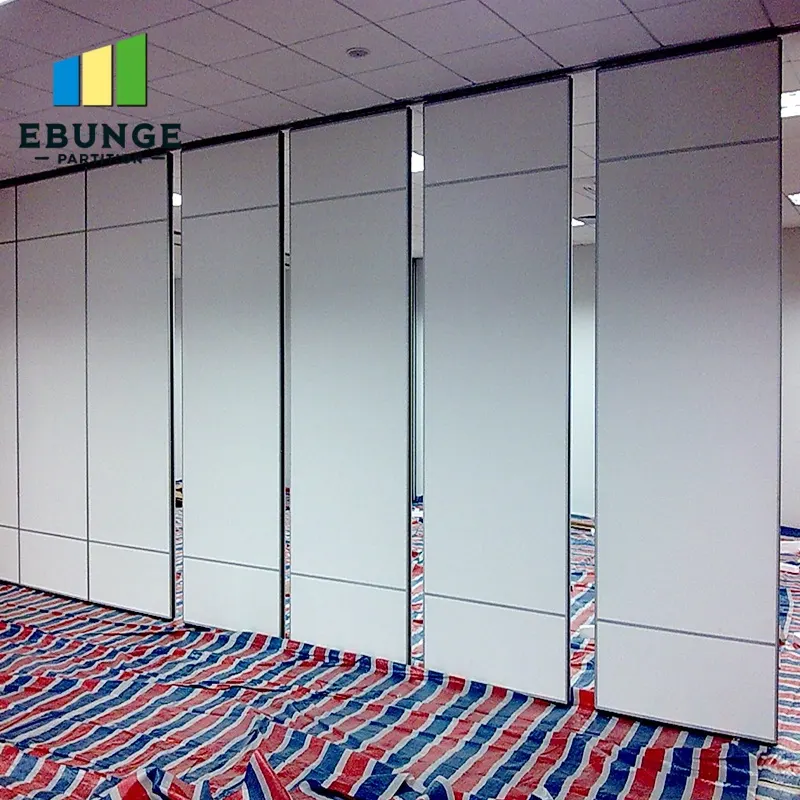
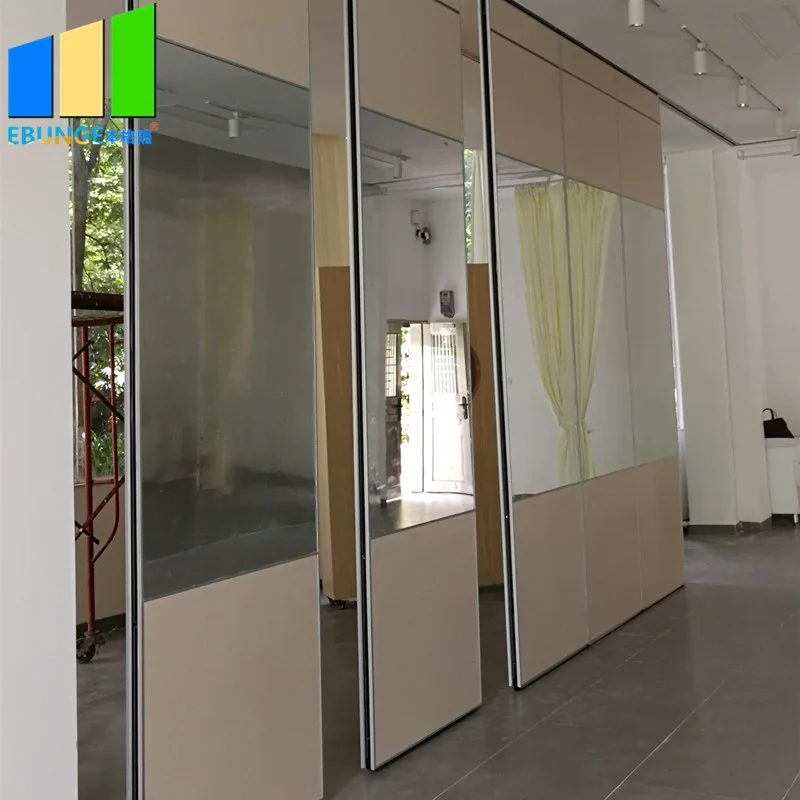
EBUNGE movable wall panels are individually movable, suspended from a top track, cross the opening without a floor track, and park at a planned stacking position. That physical sequence gives policy writers a clear set of observable states. The trigger should reference a state the venue can see, not an assumption about how long work takes.
Defining the Changeover Trigger in Venue Policy
Coordination scope: room release confirmation.
The trigger should be written as a condition, not a schedule. A condition can be verified by a person at the room; a schedule depends on unstated variables. For movable partitions, the most defensible trigger is the moment the room is formally withdrawn from its previous use and the reconfiguration route is confirmed as clear.
Trigger conditions that can be observed
- The previous event has ended and the room is no longer contractually occupied.
- The planned movement route for the panels has been reviewed against the layout.
- The stacking position is available and not blocked by other room functions.
- Any pass-door requirements have been identified for the new configuration.
These conditions do not require performance assumptions. They require a layout review and a responsible person. The trigger starts the changeover clock; it does not promise how long the clock will run.
Room Release Confirmation: Returning Inventory to the Booking System
Checklist focus: room release confirmation.
Release confirmation is the step that converts a physically reconfigured room back into sellable inventory. It should be a separate, named action in the venue’s scheduling policy. The person confirming release should verify the new configuration against the booking requirement, not merely confirm that panels have moved.
A three-part release check
- Configuration check: the room matches the booked layout, including any required pass-door arrangement.
- Route check: the movement path is clear and panels are at the planned stacking position.
- Inventory check: the booking system is updated only after the first two checks are complete.
This sequence keeps the release decision tied to visible conditions. It also gives the venue a defensible record if a later booking depends on the same room.
Aligning Booking Systems with Physical Reconfiguration
Booking systems work in states: available, held, occupied, and changeover. The policy should map each physical condition to one of those states. When the trigger condition is met, the room moves to changeover. When release confirmation is complete, the room returns to available.
For overseas venues, the mapping should be written into the same document that covers room setup and event turnover. That avoids a common gap where the booking system assumes a room is ready while the physical route is still in use. The policy does not need to estimate changeover duration; it needs to define who confirms each state change.
Evidence Boundaries for Changeover Policy Claims
Policy language can easily drift into unsupported claims. A statement such as “the room will be ready in X minutes” requires project-specific evidence that this framework does not provide. The suitability of each route and parking arrangement depends on the approved layout, circulation, ceiling interfaces and operating sequence.
Write policy around observable states and named responsibilities. Do not derive performance, duration, or commercial outcomes from a finish, a drawing, or a generic application example.
If a venue’s booking policy depends on acoustic separation, that requirement must be confirmed against the project’s own documentation and drawing review.
Documentation and Drawing Review Before Policy Sign-Off
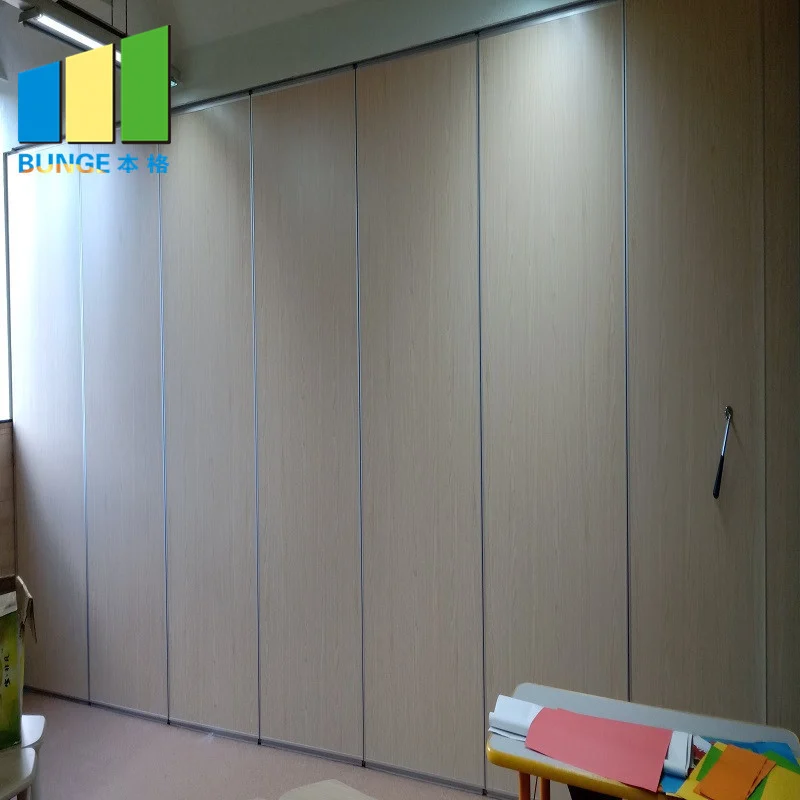
Before a changeover policy is signed off, the project team should review the layout for straight, turning, and stacking routes. The review should confirm that every proposed movement path has a continuous connected overhead route and that support conditions are project-specific. This is not a performance claim; it is a coordination step.
Finish options such as laminate, melamine, fabric, leather, glass, and other approved surfaces may be relevant to room identity and wayfinding, but they do not by themselves establish acoustic, durability, or maintenance outcomes. Those remain project-specific confirmations.
Decision Checklist for Venue Operators
- Has the changeover trigger been written as an observable condition?
- Is the release confirmation a separate, named step?
- Does the booking system map to physical room states?
- Have straight, turning, and stacking routes been reviewed from the layout?
- Are pass-door requirements identified for each configuration?
- Is there a record of who confirms release?
- Have acoustic and dimensional requirements been confirmed for the project?
This checklist is a policy aid, not a substitute for project-specific support, acoustic, and dimensional confirmation. For product context, see the movable walls product page and the resources section.
FAQ: Changeover Triggers and Room Release Confirmation
What exactly starts a movable partition changeover clock?
The clock should start when the room is formally withdrawn from its previous use and the planned movement route is confirmed as clear. That is an observable condition, not a time estimate.
Who should confirm that a room is released back to bookable inventory?
A named responsible person should confirm the new configuration, the route condition, and the stacking position before the booking system is updated. The policy should identify that role.
Can the booking system release a room before panels are parked?
Releasing before parking creates a mismatch between inventory and physical condition. The release confirmation step exists to prevent that mismatch.
Do movable partitions need a floor track for changeover?
EBUNGE movable wall panels are top-hung and cross the opening without a floor track. The movement path still requires a continuous connected overhead route and project-specific support review.
How should acoustic requirements be handled in a changeover policy?
Acoustic requirements should be confirmed against project-specific documentation.
What documentation should be reviewed before policy sign-off?
Review the layout for straight, turning, and stacking routes, confirm pass-door requirements, and verify that support and dimensional conditions are project-specific. Contact the EBUNGE team to discuss project documentation.
Conclusion: A Policy Pair, Not a Single Timestamp
A reliable changeover policy separates the trigger from the release. The trigger starts the clock when the room leaves its previous use and the route is clear. The release confirmation returns the room to inventory only after the new configuration and stacking position are verified. This keeps booking systems aligned with physical work without inventing performance claims.
Every venue layout is different. Confirm project-specific support, acoustic, and dimensional requirements before adopting this framework. To discuss pass-door requirements, finish options, or project documentation, contact the EBUNGE team.