
Quick project answer
Review focus: changeover trigger point.
Movable partition changeover trigger point authorization is the operational decision that confirms a room is ready to be reconfigured, released or reoccupied. In multi-room venues, the physical partition may be top-hung and easy to move, but the authorization step is what protects schedules, adjacent bookings and facility readiness. This framework helps contractors, architects, interior designers, owners and renovation teams define trigger points without inventing performance, engineering or commercial outcomes. Every project still needs its own drawing review, support confirmation and dimensional checks.
Why Changeover Authorization Matters in Multi-Room Venues
Project review term: changeover trigger point.
A movable partition system allows panels to be individually moved, suspended from a top track, across an opening without a floor track, and parked at a planned stacking position. That flexibility creates operational value only when the facility team knows when a changeover may begin and who authorizes the room release. Without a trigger point, staff may start moving panels while an adjacent event is still using the space, or they may delay a booking because no one owns the release decision.
The authorization framework is not a substitute for project-specific engineering. It is a coordination layer that connects the layout drawing, the planned stacking position and the daily room schedule. Confirm support, acoustic and dimensional requirements with the project team before treating any route or release rule as final.
Defining the Changeover Trigger Point
Coordination scope: changeover trigger point.
A changeover trigger point is the moment when a room transitions from one configuration to another. It may be triggered by a scheduled event end, a cleaning completion, a furniture reset or a facility supervisor’s inspection. The trigger point should be written into the operating procedure so that the person releasing the room and the person moving the panels share the same signal.
Trigger categories to agree early
- Time-based trigger: a scheduled time when the previous booking ends and the room becomes available.
- Condition-based trigger: a confirmed room condition, such as cleared furniture or completed cleaning.
- Authorization-based trigger: a named role confirms the room release in writing or through the facility system.
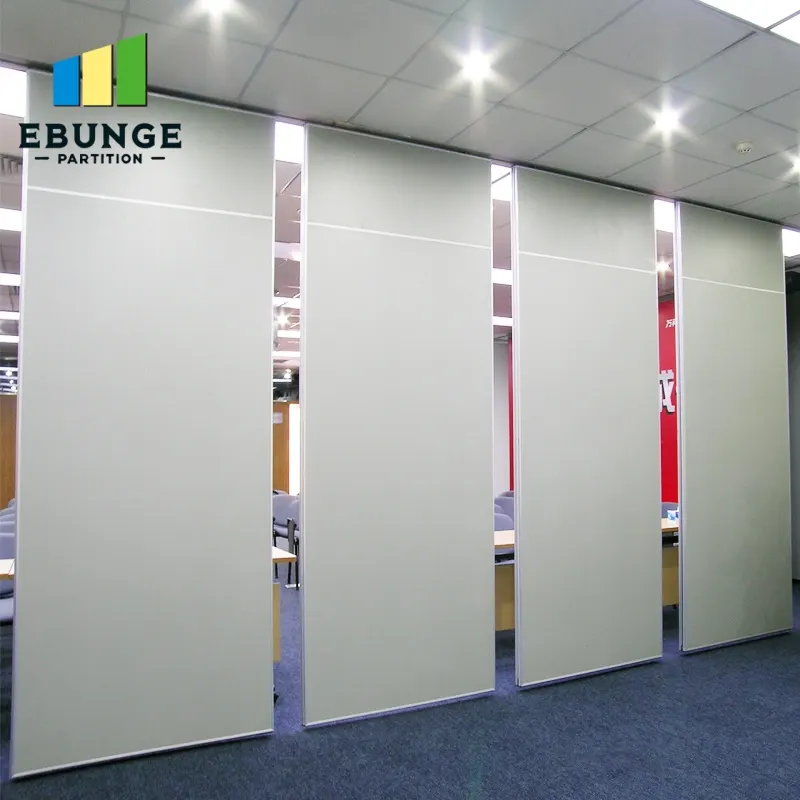
These categories can overlap. Panel handling and the operating sequence must be confirmed for the selected layout and project conditions. The layout drawing should show the straight, turning and stacking routes so the team can review whether the proposed movement path is practical.
Room Release Authorization Roles and Evidence
Room release authorization should identify who can approve a changeover and what evidence they check. A facility supervisor may verify that the previous booking has ended, that the floor area is clear and that the planned stacking position is accessible. A contractor or installer may confirm that the top track route and support conditions remain as reviewed. The owner or operator may set the policy for when a room can be released.
Evidence note: a visible finish, photograph or drawing does not prove acoustic, fire, durability, load or maintenance performance. Those claims require matching project-specific evidence.
Keep the authorization record simple. A checklist or digital sign-off can capture the trigger, the responsible role, the time and any exceptions. This record helps the team coordinate without implying that every venue follows the same procedure.
Layout Review Before Any Changeover Plan
The layout review is the foundation of changeover planning. The project team should review the straight, turning and stacking routes from the drawings, confirm that every proposed movement path has a continuous connected overhead route, and check that the parking position suits the room’s operation. The exact route, junction arrangement, continuous overhead path and parking position must be confirmed from the coordinated project drawings.
What to confirm on the drawings
- Panel parking position and its relationship to adjacent rooms.
- Straight, turning and stacking routes for each intended configuration.
- Pass-door requirements and how they affect room release.
- Finish direction and any approved surface coordination.
- Project-specific support, acoustic and dimensional requirements.
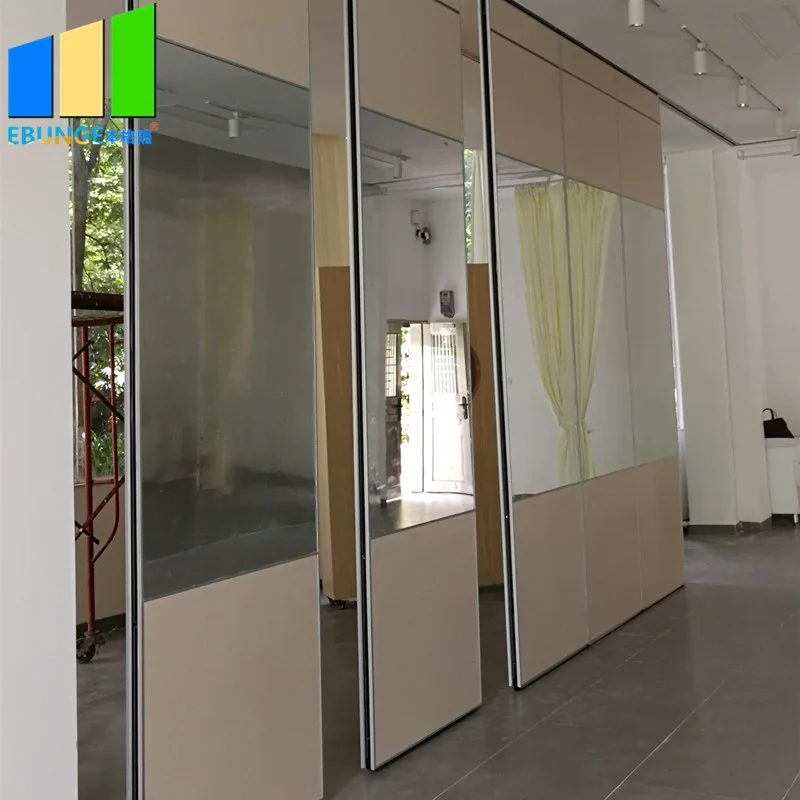
Confirmed finish options include laminate, melamine, fabric, leather, glass and other approved surfaces. The suitability of each route and parking arrangement depends on the approved layout, circulation, ceiling interfaces and operating sequence.
Coordination Between Operations, Contractors and Designers
The designer can explain the intended room combinations; the contractor can confirm the installed route and support conditions; the operations team can test the release procedure during commissioning.
If the venue hosts back-to-back events, the trigger point may need a buffer for furniture reset and inspection. That buffer is a scheduling decision, not a performance claim. It should be reviewed against the actual room program and adjusted as the facility learns how the space is used.
Common Failure Points in Changeover Authorization
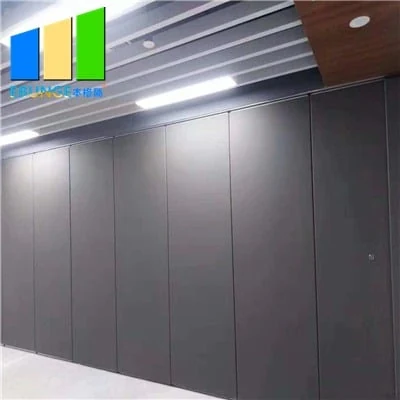
Most changeover problems come from unclear ownership rather than from the partition itself. A room may be released before the previous event has fully vacated, or a stacking position may be blocked by stored furniture.
Decision checklist for facility teams
- Is the changeover trigger point written and visible to all relevant roles?
- Is the room release authorization role named for each shift?
- Are the straight, turning and stacking routes reviewed from the layout?
- Is the planned parking position kept clear during events?
- Are pass-door requirements and project documentation discussed with the supplier?
- Are support, acoustic and dimensional requirements confirmed for the specific project?
This checklist is a starting point. It does not replace project-specific drawings, engineering review or site verification.
Documentation and Handover for Ongoing Operations
Project documentation should record the agreed trigger points, authorization roles and route assumptions. Handover materials can include the layout drawing, the parking position and the room release procedure. The operations team should know which changes require a new review, such as adding a new room combination or changing the stacking position.
For product context, review the movable wall systems page. For broader planning resources, see the resources library. When the project scope is clear, contact the team to discuss pass-door requirements and project documentation.
FAQ: Changeover Trigger Points and Room Release
What is a movable partition changeover trigger point?
It is the agreed moment when a room may begin transitioning from one configuration to another. It can be time-based, condition-based or authorization-based, and it should be visible to the roles involved.
Who should authorize a room release?
The project team should name a responsible role, such as a facility supervisor or operations manager. The authorization should confirm that the previous use has ended and that the route and parking position are clear.
Do movable partitions need a floor track for changeovers?
EBUNGE movable partition panels are top-hung and move without a continuous floor running track or floor hardware along the partition line. Every proposed movement path still requires a continuous connected overhead route and project-specific support review.
Can the same trigger point work for every venue?
No. Trigger points depend on the room program, staffing, adjacent bookings and the reviewed layout. The framework should be adapted to the specific facility and confirmed with the project team.
What evidence is needed before promising acoustic performance?
Do not infer performance from a finish, drawing or generic example.
How should pass-door requirements be handled?
Pass-door requirements and project documentation can be discussed with the supplier. They should be reviewed alongside the layout, the stacking position and the room release procedure.
Conclusion: Build Authorization Into the Operating Routine
A clear changeover trigger point and room release authorization framework helps multi-room venues use movable partitions without confusion. The physical system is top-hung and moves without a floor track, but the operational discipline comes from agreed triggers, named roles and reviewed routes. Keep every recommendation tied to maintained product facts, visible evidence limits and project-specific drawing review.
Confirm support, acoustic and dimensional requirements for each project. To discuss your layout, pass-door needs and documentation, contact EBUNGE.