
Quick answer: changeover task frequency
Review focus: changeover task frequency.
Movable partition changeover task frequency workload rotation is a facility operations planning method, not a product specification. It helps teams map how often each changeover task occurs, then rotate operator assignments so physical workload is distributed more evenly across a multi-room venue. The goal is to reduce fatigue-driven errors during room reconfiguration. This framework applies to conference centres, hotels, schools, offices and other flexible-space buildings where top-hung panels move individually, cross the opening without a floor track and park at a planned stacking position. Every recommendation here depends on your layout, operating pattern and project-specific confirmation.
Why Changeover Frequency Belongs in Operations Planning
Project review term: changeover task frequency.
Multi-room venues rarely use every room in the same way. One hall may change layout twice a day, while another changes once a week. If operators are assigned without regard to that rhythm, the same people may repeatedly handle the most frequent and most physically demanding changeovers. That pattern is difficult to see until it is mapped.
Changeover frequency is also a design question. Straight, turning and stacking routes are reviewed from the layout, so the number of movements, the distance to the parking position and the sequence of rooms all affect how a changeover feels in practice. Operations planners should treat frequency as a planning input alongside room size, ceiling conditions and the approved finish schedule.
What This Framework Does Not Claim
The suitability of each route and parking arrangement depends on the approved layout, circulation, ceiling interfaces and operating sequence. It does not replace project-specific support, acoustic and dimensional review. It simply organises known tasks so assignments can be rotated more deliberately.
Mapping Changeover Tasks by Frequency Band
Coordination scope: changeover task frequency.
Start by listing every changeover task that occurs in the venue. Then place each task into a frequency band based on how often it actually happens. The bands below are planning categories, not measured standards.
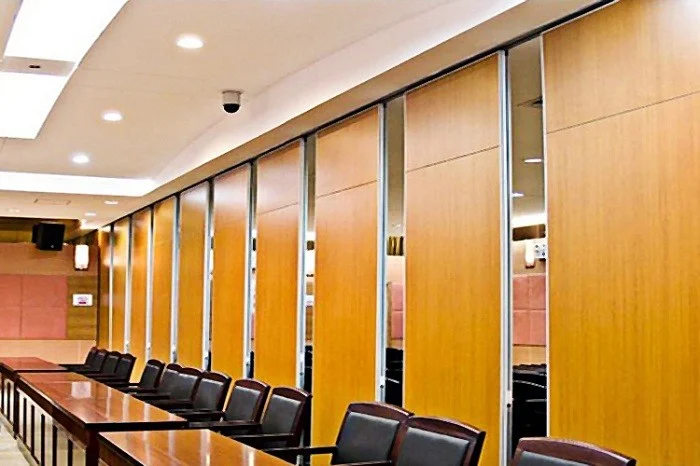
| Frequency band | Typical trigger | Planning implication |
|---|---|---|
| Daily or multiple times per day | Recurring room splits for scheduled programmes | Rotate operators frequently; review route and parking position |
| Weekly | Regular timetable or event cycle | Assign as a shared task; check finish and panel handling |
| Monthly or seasonal | Larger layout changes or term changes | Plan as a supervised changeover with a pre-check |
| Occasional | One-off events or unusual combinations | Confirm route, stacking and documentation before the day |
This table is a planning aid. It does not imply that any band is safe, fast or suitable without a project-specific review of the layout and the approved configuration.
Building a Workload Rotation Schedule
Checklist focus: changeover task frequency.
Once tasks are banded, build a rotation schedule that spreads frequent changeovers across the available team. The schedule should record who is assigned, which rooms are involved and which route is used. It should also note when a changeover requires a pre-check of the stacking position or the overhead route.
- List all rooms and their changeover patterns.
- Assign each task to a frequency band.
- Identify tasks that share the same route or parking area.
- Rotate operators across bands so no one person carries the most frequent tasks alone.
- Review the schedule after the first full cycle and adjust.
Rotation is not only about fairness. It also gives more operators familiarity with the full layout, which supports continuity when absences occur. Confirm any assignment change with the facility’s own safety and operational procedures.
Route, Parking and Finish Considerations
Review focus: changeover task frequency.
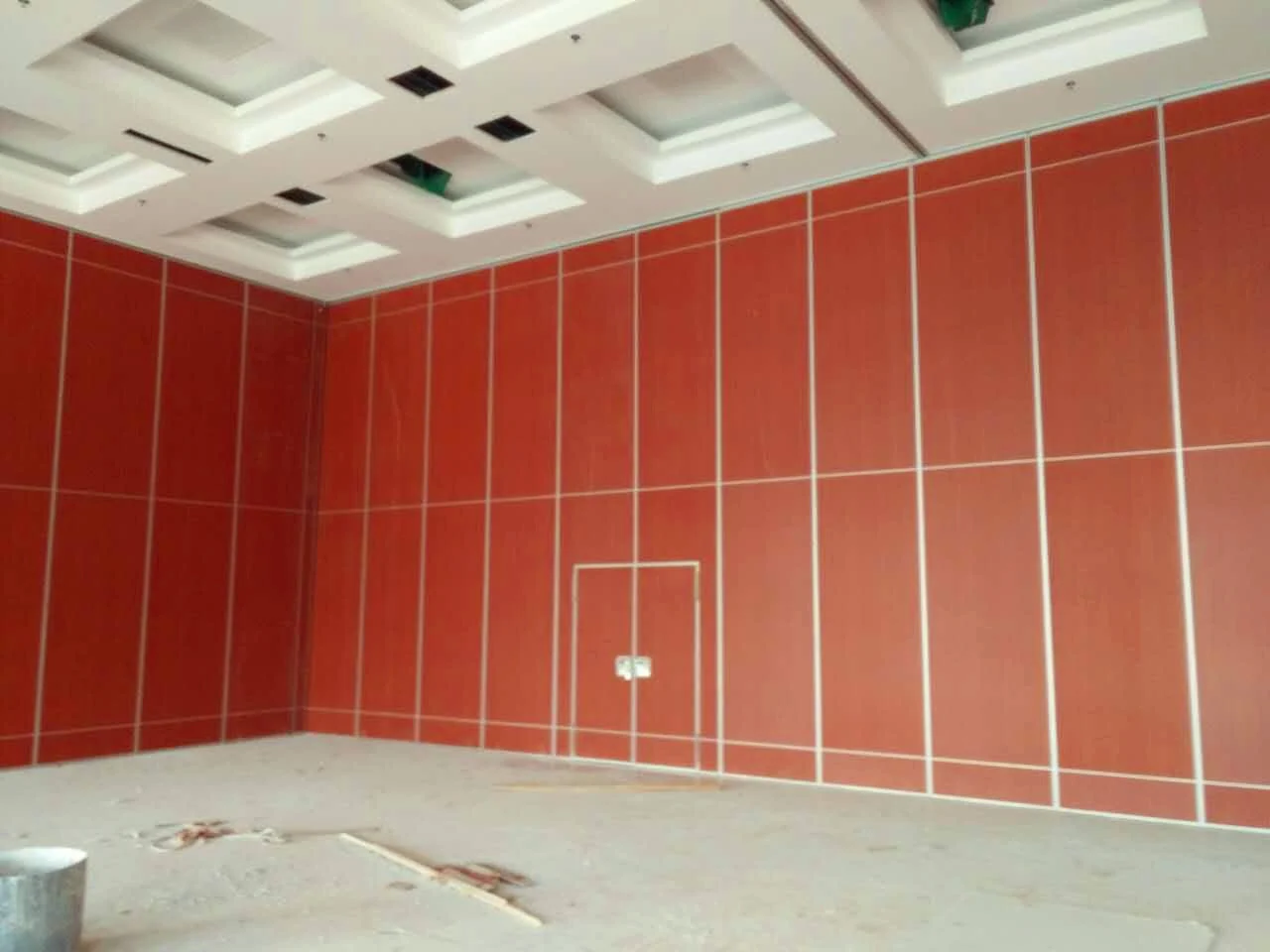
Because panels are top-hung and move without a continuous floor running track, the overhead route is the critical path. Every proposed movement path requires a continuous connected overhead route and project-specific support review. The exact route, junction arrangement, continuous overhead path and parking position must be confirmed from the coordinated project drawings.
Parking style is customised to the customer layout and project requirements, and may support compact stacking when the coordinated design permits it. The stacking position should be planned so it does not block circulation or conflict with other room uses.
Finish Options and Handling
Confirmed finish options include laminate, melamine, fabric, leather, glass and other approved surfaces. Finish choice can affect how panels are handled and cleaned, but a generic finish example is not evidence of cleaning compatibility or durability. Confirm finish-specific care requirements with the project team.
Evidence Boundaries for Operations Planners
Operations planning often drifts into performance claims. Keep the following boundaries visible in your documentation.
- Visible references can support layout discussion but do not verify hidden construction or performance.
- Do not treat a generic application example as evidence of a application reference.
- Do not derive hidden engineering outcomes from a panel shape or parking arrangement.
- Comparative, absolute and causal statements require corresponding evidence; otherwise state the exact project-specific confirmation boundary.
Coordination with Contractors and Design Teams
Changeover planning is most useful when it is coordinated early. Contractors, architects, interior designers and owners should share the room schedule, the expected changeover pattern and the proposed parking locations. Pass-door requirements and project documentation can be discussed with the supplier so the layout review reflects real operating needs.
Use the movable wall systems overview to align product context with the room schedule, and the resources library for general planning material. Where a project has unusual routes or stacking constraints, raise them before the layout is fixed.
FAQ: Changeover Frequency and Workload Rotation
What is movable partition changeover task frequency workload rotation?
It is a planning method that records how often each changeover task occurs and rotates operator assignments so physical workload is distributed more evenly across a multi-room venue.
Does this framework guarantee a specific changeover time?
No. It does not promise changeover time, operator numbers or performance results. Those depend on the project-specific layout, configuration and operating procedures.
Can panels move across a gap without a floor track?
Panels are top-hung and move without a continuous floor running track, but every proposed movement path requires a continuous connected overhead route and project-specific support review.
How should finish options affect rotation planning?
Finish options include laminate, melamine, fabric, leather, glass and other approved surfaces. Handling and care requirements should be confirmed for the specific finish rather than assumed from a generic example.
When should the stacking position be reviewed?
Review it during layout planning and again before any changeover that uses a new route. Parking style is customised to the customer layout and project requirements, and may support compact stacking when the coordinated design permits it.
What documentation should be prepared?
Prepare the room schedule, changeover frequency bands, rotation assignments and route notes. Pass-door requirements and project documentation can be discussed with the supplier as part of the layout review.
Conclusion and Next Step
Changeover frequency and workload rotation are practical planning tools for multi-room venues. Map the tasks, band them by frequency, rotate assignments and keep route, parking and finish considerations visible. Confirm project-specific support, acoustic and dimensional requirements before finalising any layout or operating plan.
To discuss your venue’s changeover pattern, route constraints or documentation needs, contact the EBUNGE team and share your room schedule for review.