
Quick project answer
Review focus: changeover task dependency mapping.
Movable partition changeover task dependency mapping gives facility teams a shared view of what must happen, in what order, before a room can be released. For multi-room venues, the goal is not to promise a fixed changeover time but to expose dependencies, review the critical path and confirm project-specific support, acoustic and dimensional requirements. This guide uses EBUNGE maintained product facts and evidence boundaries; it does not infer hidden performance from drawings or finishes.
Why Changeover Mapping Matters in Multi-Room Venues
Project review term: changeover task dependency mapping.
In venues that divide, combine or reconfigure rooms, changeover is a sequence of dependent tasks rather than a single action. Panels are individually movable, suspended from a top track, cross the opening without a floor track and park at a planned stacking position. Each of those facts creates a dependency: the route must be clear, the parking position must be available and the room release decision must follow completion of the agreed checks.
Without a map, teams often discover dependencies late. A room may appear ready while the stacking area is still occupied, or a pass-door requirement may not have been reviewed against the layout. The framework below keeps every recommendation tied to maintained product facts, visible evidence limits and project-specific drawing review.
Define the Changeover Scope Before Mapping Tasks
Coordination scope: changeover task dependency mapping.
Start by defining what a changeover includes for each room pair or room group. Scope should distinguish between moving panels, confirming the opening is clear, checking the planned parking position and handing the room back for its next use. The named venue or room type is an example and does not limit other suitable flexible-space applications.
Information to collect from the project layout
- Straight, turning and stacking routes shown on the layout.
- Planned parking or stacking position for each panel group.
- Pass-door requirements and how they interact with the opening.
- Finish options in scope, such as laminate, melamine, fabric, leather, glass or other approved surfaces.
- Project documentation needed for support, acoustic and dimensional confirmation.
This list is a planning aid, not a substitute for project-specific review. Where the layout does not show a continuous connected overhead route, the movement path cannot be assumed.
Build a Task Dependency Map for Each Room Group
Checklist focus: changeover task dependency mapping.
A dependency map lists tasks and the conditions that must be true before each task starts. Keep it simple enough for operations staff to use during a live changeover. The map should reflect the actual layout, not a generic template.
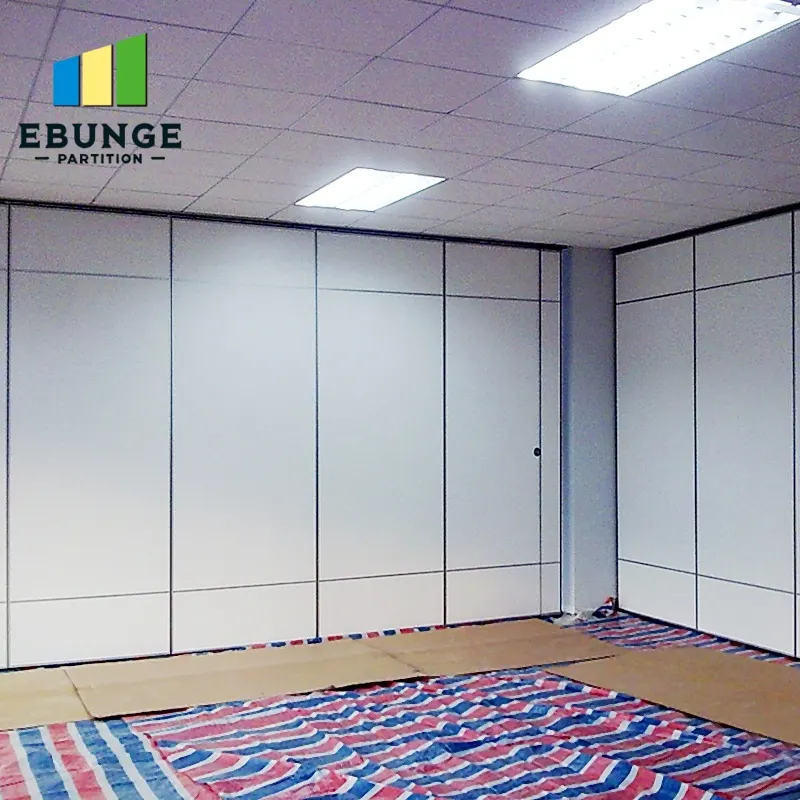
Numbered process for dependency mapping
- List every changeover task for the room group, from pre-check to room release.
- For each task, record the predecessor task or condition that must be complete.
- Mark tasks that depend on the parking position being free and the route being clear.
- Identify tasks that depend on pass-door requirements or project documentation.
- Review the map against the layout with the project team.
- Confirm support, acoustic and dimensional requirements before treating the map as final.
This process does not invent manpower, tools or timing. It exposes what must be confirmed and where the sequence can stall.
Identify the Critical Path Without Inventing Timings
Review focus: changeover task dependency mapping.
The critical path is the longest chain of dependent tasks that controls room release. It is a sequence concept, not a promise of duration. Two venues with similar layouts can have different critical paths because parking positions, pass-door requirements and route complexity differ.
| Dependency type | What it controls | Evidence needed |
|---|---|---|
| Route continuity | Whether panels can travel from opening to parking | Layout showing a continuous connected overhead route |
| Parking availability | Whether the planned stacking position is free | Coordinated design and operations agreement |
| Pass-door review | Whether the opening meets project requirements | Project documentation and layout review |
| Finish confirmation | Whether approved surfaces are in scope | Approved finish schedule |
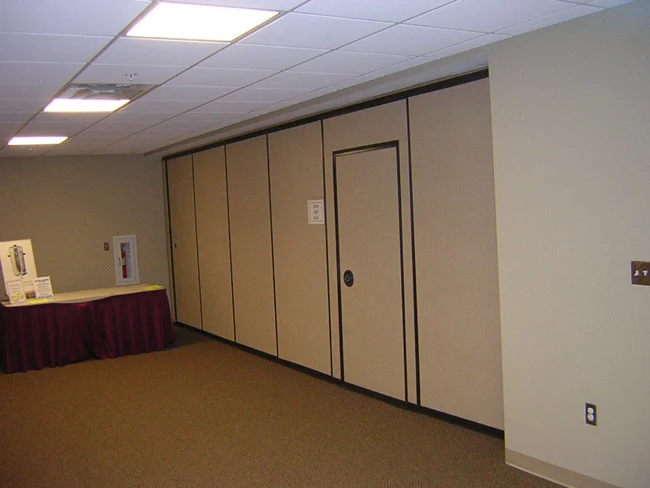
Use the table to mark which dependencies are on the critical path for each room group. Do not convert the table into a fixed time estimate.
Coordinate Operations, Design and Documentation
The suitability of each route and parking arrangement depends on the approved layout, circulation, ceiling interfaces and operating sequence. Operations staff know how rooms are actually used; designers and contractors know what the layout and documentation require. The map becomes a coordination tool rather than a blame list.
Evidence note
EBUNGE maintained facts confirm top-hung panels, clear-floor movement, customized parking and broad application scope. They do not confirm acoustic ratings, structural capacity, cleaning compatibility or application reference outcomes. Those require project-specific evidence.
Where a claim cannot be supported, state the confirmation boundary instead of filling the gap with an assumption.
Reduce Idle Time and Improve Room Release Predictability
Idle time often appears where a task waits on an unconfirmed condition. Mapping dependencies makes those waits visible. Teams can then decide whether to adjust the sequence, confirm the parking position earlier or review the layout with the project team.
Predictability improves when room release follows a defined set of checks rather than an informal judgement. The checks should reference the agreed layout, the planned parking position and any pass-door requirements.
Decision checklist for room release
- Is the movement route clear and connected as shown on the layout?
- Is the planned parking position available?
- Have pass-door requirements been reviewed?
- Are approved finishes confirmed for the room group?
- Have support, acoustic and dimensional requirements been confirmed for the project?
If any answer is unclear, the room release decision should wait for project-specific confirmation. This is a planning discipline, not a performance claim.
Common Mapping Mistakes to Avoid
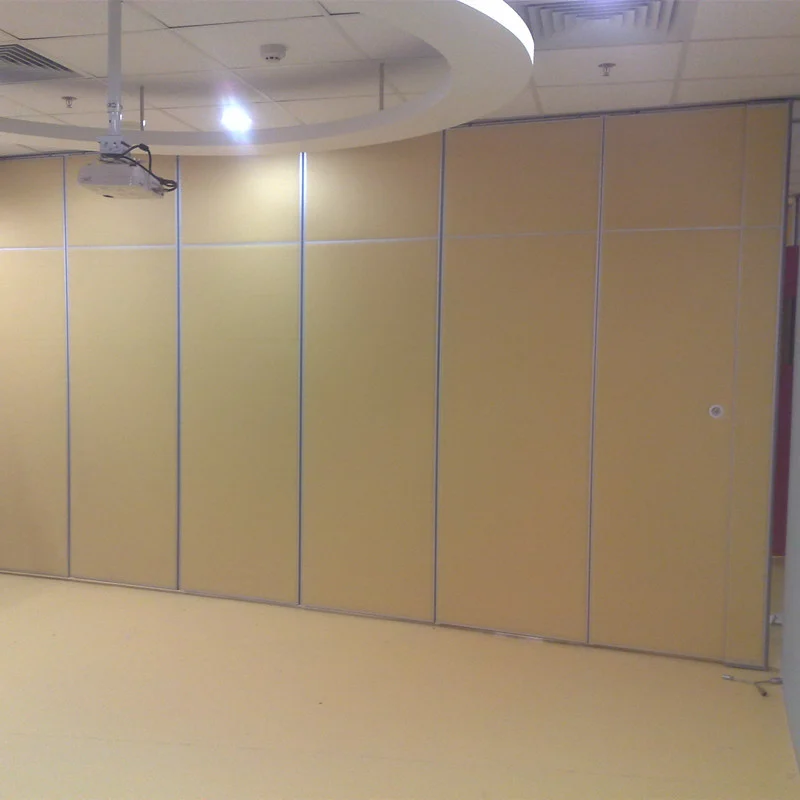
One common mistake is treating the changeover as a single task. The exact route, junction arrangement, continuous overhead path and parking position must be confirmed from the coordinated project drawings. Visible references can support layout discussion but do not verify hidden construction or performance. Each of these mistakes weakens the map and creates false confidence.
Keep the map tied to the maintained product facts and the project layout. Review it with the project team before relying on it for room release.
FAQ: Changeover Task Dependency Mapping
What is movable partition changeover task dependency mapping?
It is a planning method that lists changeover tasks and the conditions that must be complete before each task starts, so teams can see the sequence and the critical path for room release.
Does mapping guarantee a fixed changeover time?
No. The map exposes dependencies and the critical path, but it does not promise a duration. The exact overhead route and support arrangement must be confirmed by the responsible project team from coordinated drawings.
Which product facts can the map rely on?
Panels are individually movable, top-hung, cross the opening without a floor track and park at a planned stacking position. Straight, turning and stacking routes are reviewed from the layout.
How do pass-door requirements affect the map?
Pass-door requirements can add dependencies to the opening review. They should be discussed with the project team and checked against the layout before room release.
What evidence is needed before treating the map as final?
Confirm the layout, parking position, approved finishes and project-specific support, acoustic and dimensional requirements. Do not infer hidden performance from drawings or finishes.
Conclusion and Next Steps
Movable partition changeover task dependency mapping helps multi-room venues plan changeovers as a sequence of dependent tasks. It reduces idle time by exposing waits and improves room release predictability by tying release to confirmed conditions. It does not replace project-specific review.
To discuss pass-door requirements, project documentation or layout review for your venue, contact EBUNGE. You can also review the movable wall product context and the planning resources before your next coordination meeting.