
Quick answer: movable partition changeover resource leveling calendar
Review focus: movable partition changeover resource leveling calendar.
A movable partition changeover resource leveling calendar is the operational bridge between a room release window and the next event setup. In multi-room venues, the same crew is often asked to reset several spaces at once, while each room becomes available at a different time. The calendar does not change how the panels work; it records when the room is free, when the next function begins, and what the coordinated layout requires. Because EBUNGE panels are top-hung and move without a continuous floor track along the partition line, the changeover path is overhead, not across the floor. That single fact shapes how release windows and crew tasks should be sequenced.
Why Room Release Windows Drive the Calendar
Project review term: movable partition changeover resource leveling calendar.
A release window is the period between the end of one event and the start of the next setup. In a venue with several divisible rooms, those windows rarely align. One hall may clear at 22:00, another at 23:30, and a third may be occupied until morning. If the calendar treats all rooms as available at the same moment, the crew plan will conflict with itself before the first panel moves.
The calendar should therefore be built from the room schedule outward, not from a generic task list inward. Each room entry needs a release time, a required ready time, and the intended configuration. Only then can the operations team see where demand overlaps and where a route or parking position needs earlier attention.
What a Release Window Entry Should Contain
- Room name and the event that releases it.
- Release time and the next required ready time.
- Target configuration: open, divided, or a specific combination.
- Known route constraints from the coordinated layout.
- Parking position planned for the panels when not in use.
- Any pass-door requirement noted for the project.
Mapping Straight, Turning and Stacking Routes
Coordination scope: movable partition changeover resource leveling calendar.
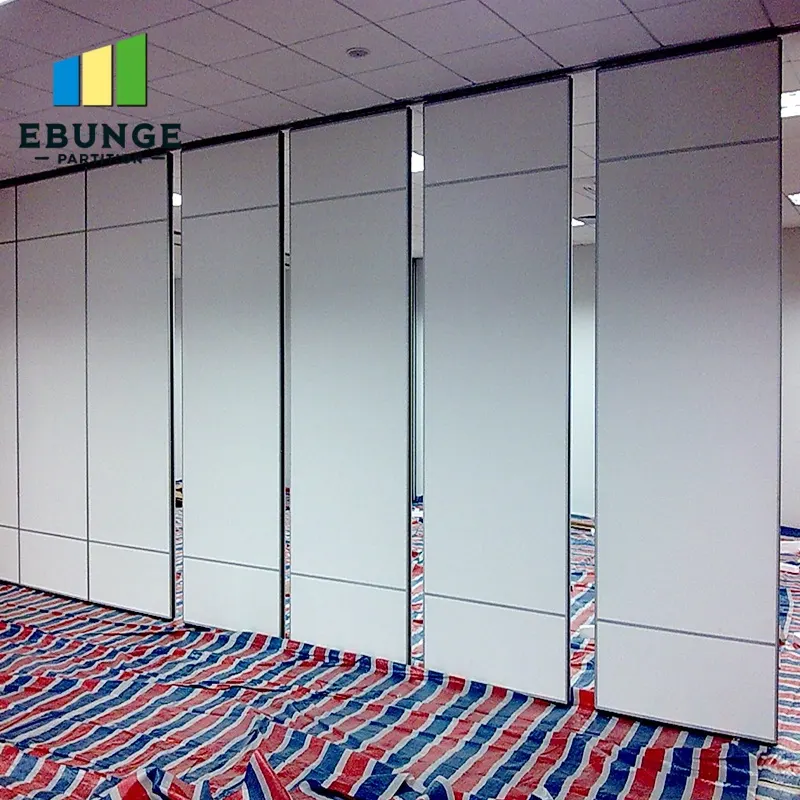
Movable partition panels travel along a continuous overhead route. Straight runs, turning sections and stacking positions are reviewed from the layout, not assumed from a room photograph. A route that looks simple on a floor plan may include a turn that changes how panels are sequenced during a changeover.
For calendar purposes, the operations team does not need to redesign the track. It needs to know which rooms share a route, which routes cross a shared overhead zone, and where panels park. If two changeovers depend on the same turning section or the same stacking area, those tasks cannot be treated as independent. The calendar should flag that dependency before the day of the event.
Route Review Questions for the Operations Team
- Which rooms connect to the same overhead route?
- Where does the route turn, and does that turn serve more than one room?
- Where do panels park, and is that position reachable from each room?
- Does any proposed movement path cross an untracked gap? If so, it requires project-specific review.
- Are pass-door needs recorded for the rooms involved?
Building the Resource Leveling Calendar
Checklist focus: movable partition changeover resource leveling calendar.
Resource leveling means spreading changeover demand so that the same crew is not scheduled in two rooms at once. The calendar is a planning tool, not a promise about how long any task will take. Task duration depends on the coordinated layout, the number of panels, the route and the project-specific conditions confirmed during design review.
A useful calendar shows demand by time block rather than by exact minute. If three rooms release within the same hour, the operations team can see the overlap and decide which room must be ready first. The calendar then becomes a coordination document shared with the venue, the contractor and the client.
Step-by-Step Calendar Build
- Collect the event schedule and convert it into release and ready times per room.
- List the target configuration for each room.
- Mark shared routes, turns and parking positions from the layout.
- Group rooms that depend on the same route or stacking area.
- Assign changeover blocks so overlapping demand is visible.
- Review the draft with the project team and confirm assumptions.
- Update the calendar whenever the event schedule changes.
Evidence Boundaries for Changeover Planning
Review focus: movable partition changeover resource leveling calendar.
Changeover planning should stay within what the project documentation supports. Visible references can support layout discussion but do not verify hidden construction or performance. Those items require matching project evidence.
The suitability of each route and parking arrangement depends on the approved layout, circulation, ceiling interfaces and operating sequence. Where acoustic separation matters, the project team should confirm the requirement against the specific configuration and supporting documentation.
Evidence note: confirm project-specific support, acoustic and dimensional requirements before finalizing any changeover calendar. The calendar records operational intent; it does not certify performance.
Coordinating Crew Availability Without Overpromising
Crew availability is a scheduling input, not a product specification. The calendar should show when a changeover block is planned, which room it serves, and what route or parking dependency applies. It should not state how many people are required or how long a task will take unless that information has been confirmed for the project.
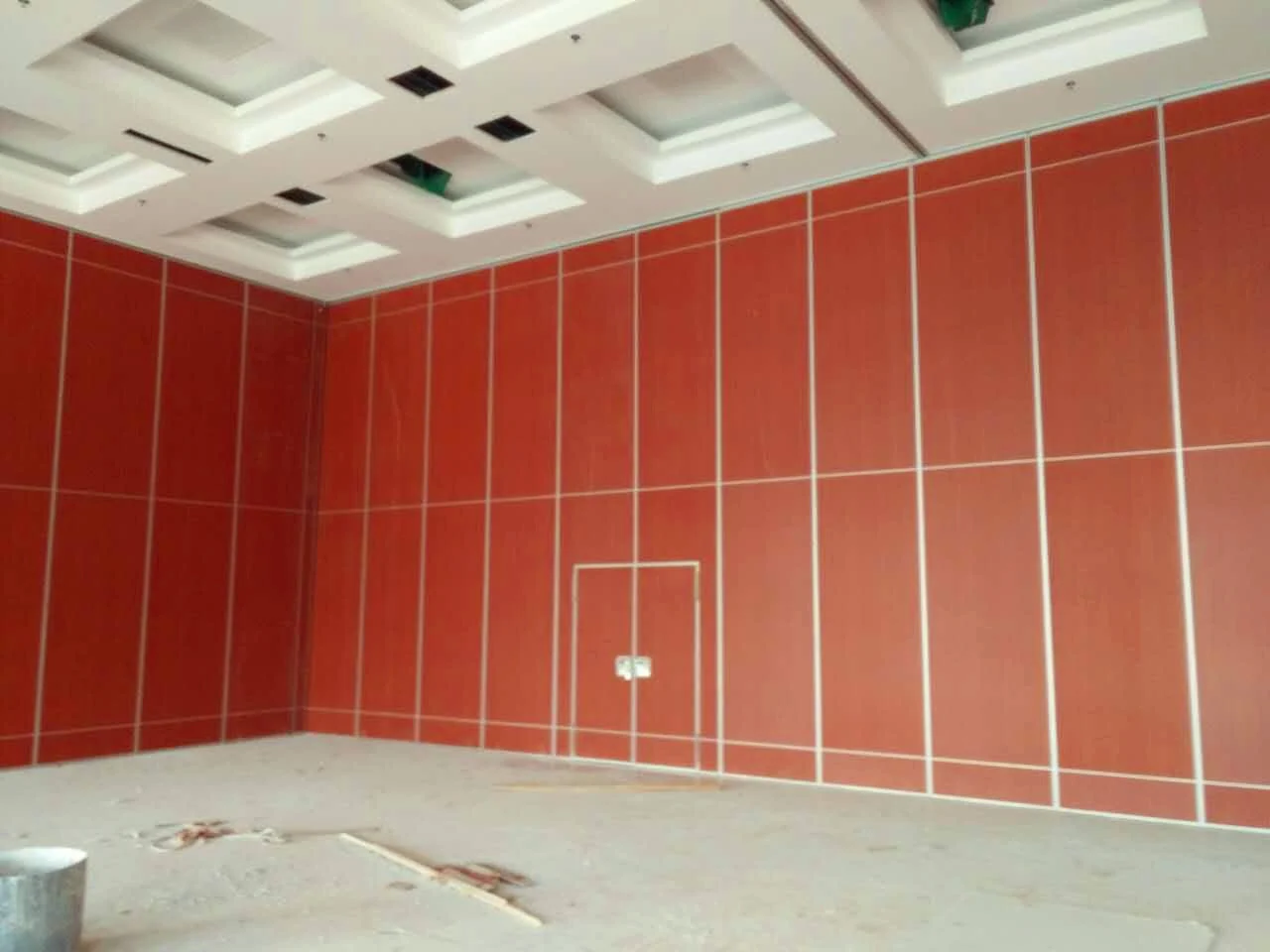
In multi-room venues, the most common conflict is not a lack of crew; it is two rooms needing the same route, turn or parking area at the same time. Leveling the calendar around those shared assets is more useful than leveling around a generic headcount.
Compact Comparison: Calendar Approaches
| Approach | What it shows | Planning limit |
|---|---|---|
| Event-only schedule | When each room is needed | Hides route and parking conflicts |
| Task-list schedule | What tasks are planned | Does not align with room release times |
| Resource leveling calendar | Release windows, routes, parking and dependencies | Requires project-specific confirmation |
Documentation and Handover
The changeover calendar should live with the project documentation, not in a separate spreadsheet that only one person can read. When the layout, route or parking plan changes, the calendar should be updated and reissued.
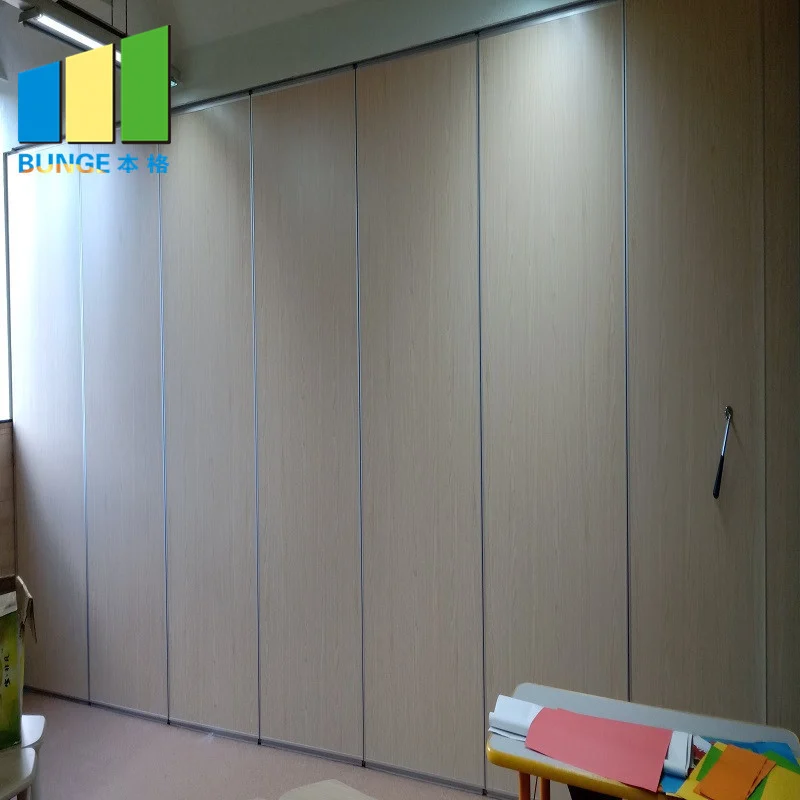
Finish choices such as laminate, melamine, fabric, leather, glass and other approved surfaces can be recorded in the same document so that room identity and finish expectations are visible during changeover. Pass-door requirements and project documentation can be discussed with the supplier as part of the same coordination process.
FAQ: Changeover Resource Leveling
What is a movable partition changeover resource leveling calendar?
It is an operations planning document that aligns room release windows, target configurations, shared routes and parking positions so changeover demand does not overlap unnecessarily.
Does the calendar require a floor track?
No. EBUNGE movable partition panels are top-hung and move without a continuous floor running track or floor hardware along the partition line. The route is overhead and must be continuous and supported.
Can panels move across an untracked gap?
No. Every proposed movement path requires a continuous connected overhead route and project-specific support review. The exact route, junction arrangement, continuous overhead path and parking position must be confirmed from the coordinated project drawings.
How should acoustic requirements be recorded?
Record the project requirement and the supporting documentation.
When should the calendar be reviewed?
Review it whenever the event schedule, room configuration, route or parking plan changes. Confirm project-specific support, acoustic and dimensional requirements before finalizing.
Can the calendar include pass-door needs?
Yes. Pass-door requirements and project documentation can be discussed and recorded as part of the same coordination process.
Conclusion and Next Step
A movable partition changeover resource leveling calendar helps multi-room venues align crew availability with room release windows without inventing performance or duration claims. Build it from the room schedule, mark shared routes and parking positions, and keep every assumption tied to project documentation. For product context, review the movable walls range and the planning resources. To discuss your layout, pass-door needs and documentation, contact the EBUNGE team.