
Quick answer: changeover resource contention calendar
Review focus: changeover resource contention calendar.
A movable partition changeover resource contention calendar is a facility operations planning tool. It maps when the same building resources — shared lifts, cleaning crews and room release windows — are needed by more than one activity at once. The goal is to expose conflicts before a room release schedule is committed. This article is written for overseas contractors, architects, interior designers, owners, renovation companies, distributors and construction teams who must coordinate flexible-space operations without inventing performance, engineering or commercial conclusions.
Why Changeover Planning Fails Without a Contention View
Project review term: changeover resource contention calendar.
Most changeover problems are not partition problems. They are scheduling problems. A room is released, but the lift is committed elsewhere. A cleaning crew arrives, but the room is still being reconfigured. A second event is booked, but the stacking position has not been cleared.
A contention calendar does not predict these failures. It simply makes the shared dependencies visible. Once visible, the project team can decide which activity has priority, which window can move, and which requirement needs project-specific confirmation.
What the Maintained Product Facts Allow Us to Plan
Coordination scope: changeover resource contention calendar.
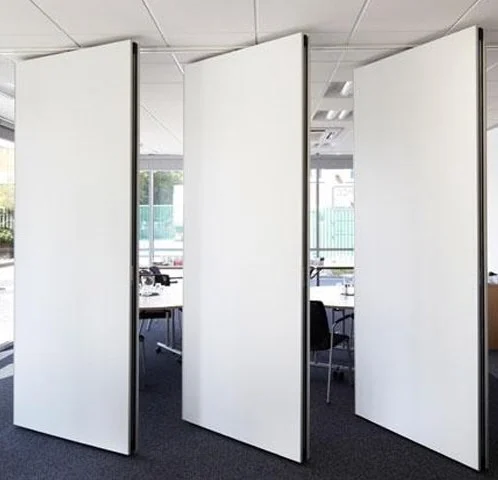
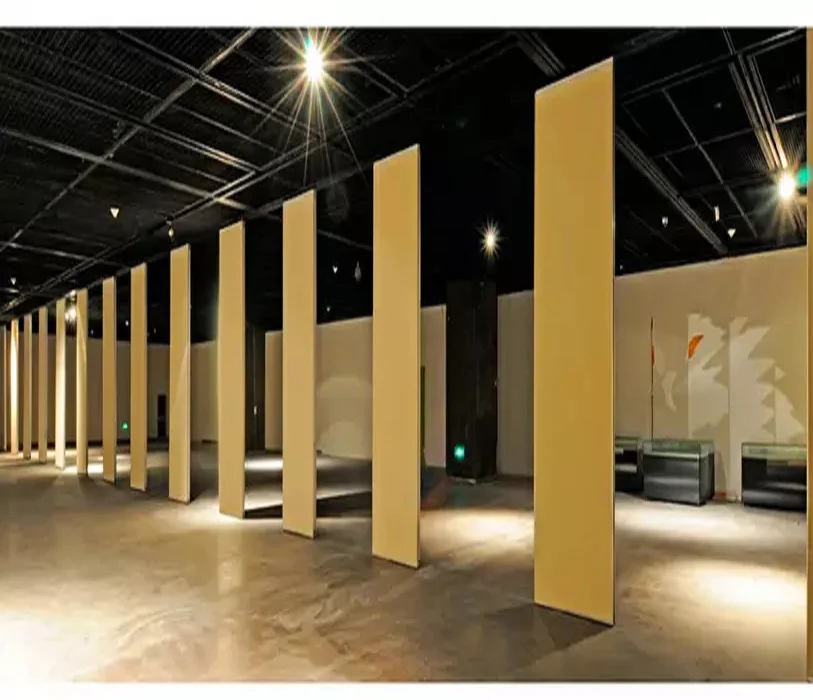
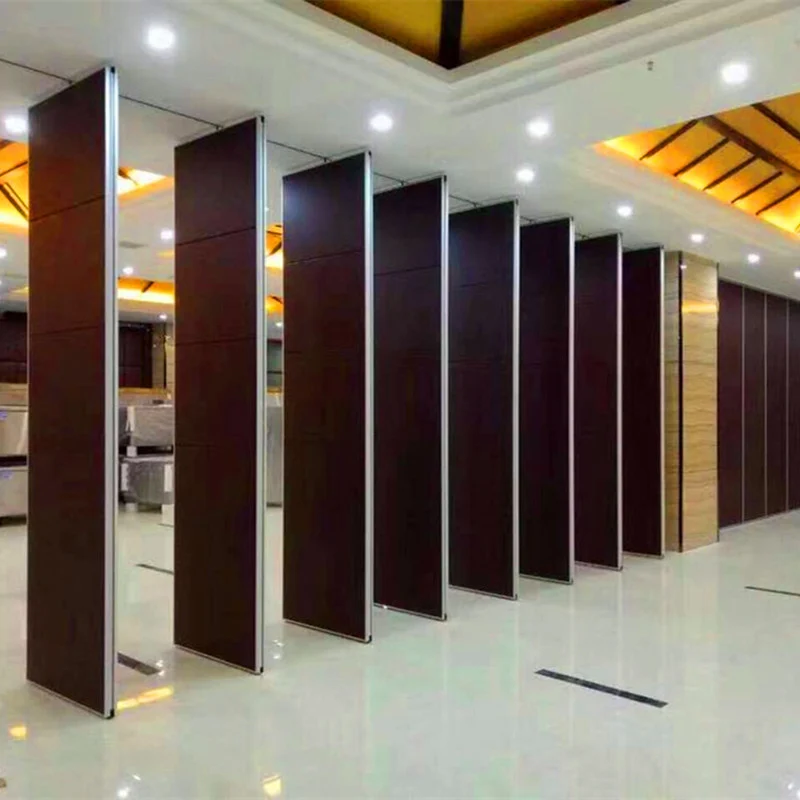
EBUNGE movable wall panels are individually movable, suspended from a top track, cross the opening without a floor track, and park at a planned stacking position. Straight, turning and stacking routes are reviewed from the layout. Confirmed finish options include laminate, melamine, fabric, leather, glass and other approved surfaces. Pass-door requirements and project documentation can be discussed.
These facts support operational planning. The suitability of each route and parking arrangement depends on the approved layout, circulation, ceiling interfaces and operating sequence. Every proposed movement path requires a continuous connected overhead route and project-specific support review. The exact route, junction arrangement, continuous overhead path and parking position must be confirmed from the coordinated project drawings.
Building the Contention Calendar: A Numbered Process
Checklist focus: changeover resource contention calendar.
- List every changeover event. Record the room, the required configuration, the release time and the next occupancy time.
- Map the shared resources. Identify which events depend on the same lift, the same cleaning crew or the same corridor route.
- Mark contention windows. A contention window is any period where two or more events require the same resource.
- Check the movement route. Confirm the straight, turning and stacking routes from the layout, including the parking position.
- Assign a release window. Define when the room becomes available for reconfiguration and when it must be ready.
- Record confirmation boundaries. Note which items require project-specific support, acoustic and dimensional confirmation.
- Review before committing. Circulate the calendar to operations, cleaning and event teams before the schedule is fixed.
Shared Lifts: The Most Common Contention Point
Review focus: changeover resource contention calendar.
In multi-floor buildings, the lift is often the first resource to conflict. A changeover may need the lift for moving panels to a stacking position, while another team needs it for deliveries or waste removal.
The calendar should show lift demand by time block, not by assumption. If two events overlap, the project team must decide whether to stagger them or confirm an alternative route. Do not assume a route exists because a drawing shows a panel line.
Lift Contention Checklist
- Which changeover events require lift access?
- What time blocks are already committed to other building services?
- Is the parking position reachable without crossing an untracked gap?
- Has the route been reviewed against the layout?
- Who confirms the final lift schedule?
Cleaning Crews: Sequence, Not Just Duration
Cleaning is often treated as a fixed duration. In practice, the sequence matters more. A room cannot be cleaned until the partition configuration is complete and the stacking position is clear. If cleaning is scheduled before reconfiguration finishes, the crew waits or returns later.
The calendar should link cleaning to the completion of reconfiguration, not to a clock time alone. This is a planning relationship, not a performance claim. The actual duration depends on the room, the finish and the project-specific cleaning requirement, which must be confirmed separately.
Cleaning Coordination Notes
- Confirm the finish type before agreeing cleaning methods.
- Do not treat a generic finish example as evidence of cleaning compatibility.
- Record who releases the room to the cleaning crew.
- Record who confirms the room is ready for the next occupancy.
Room Release Windows: The Commitment Boundary
A room release window is the period between one occupancy ending and the next beginning. It is the most visible commitment in the calendar, and the easiest to overpromise.
Before committing a release window, the project team should confirm the movement route, the stacking position, the pass-door requirement if any, and the cleaning sequence. If any of these is unresolved, the window should be marked as provisional. This is not a delay tactic; it is an evidence boundary.
Compact Comparison: Planning Inputs and Confirmation Status
| Planning input | What it supports | Confirmation status |
|---|---|---|
| Layout drawing | Straight, turning and stacking routes | Project-specific review required |
| Finish selection | Approved surface options | Confirm against project requirement |
| Pass-door requirement | Access planning | Discuss with project documentation |
| Lift schedule | Shared resource timing | Confirm with building operations |
| Cleaning sequence | Room release readiness | Confirm with cleaning team |
Evidence Boundaries for Acoustic and Dimensional Planning
If acoustic separation is part of the room release requirement, the project team must confirm the project-specific acoustic requirement with matching evidence.
Dimensional requirements follow the same rule. Panel dimensions, support conditions and stacking space must be confirmed from the layout and project documentation. Do not infer them from a photograph, a finish sample or a generic application example.
Evidence note: A visible finish, drawing or photograph does not prove acoustic, fire, durability, load, maintenance or commercial performance. Those items require matching project-specific evidence.
How to Use the Calendar in Project Meetings
Bring the calendar to coordination meetings as a working document. Use it to ask specific questions: which lift block is committed, which cleaning sequence is agreed, which release window is provisional.
For product context, review the movable wall systems page. For general planning resources, see the resources library. When the project team is ready to confirm requirements, contact the EBUNGE team with the layout and project documentation.
FAQ: Changeover Resource Contention Planning
What is a movable partition changeover resource contention calendar?
It is a planning document that maps when changeover activities compete for the same shared resources, such as lifts, cleaning crews and room release windows. It helps teams see conflicts before committing schedules.
Does the calendar require acoustic performance data?
Only if acoustic separation is a project requirement. Any acoustic requirement must be confirmed with project-specific evidence.
Can panels move across a gap without a track?
No. Every proposed movement path requires a continuous connected overhead route and project-specific support review. Straight, turning and stacking routes are reviewed from the layout.
How should cleaning crews be scheduled?
Link cleaning to the completion of reconfiguration and the clearing of the stacking position, rather than to a clock time alone. Confirm the finish type before agreeing cleaning methods.
What information should be confirmed before a room release window is committed?
Confirm the movement route, stacking position, pass-door requirement if any, cleaning sequence, and any project-specific support, acoustic and dimensional requirements.
Who should review the calendar?
Operations, cleaning, event and project teams should review it together. The calendar is a coordination tool, not a substitute for project-specific engineering or documentation review.
Conclusion: Plan the Contention, Then Commit the Schedule
A movable partition changeover resource contention calendar does not remove operational complexity. It makes the complexity visible. By mapping shared lifts, cleaning crews and room release windows before committing schedules, project teams can reduce avoidable conflicts and keep decisions within confirmed evidence.
Confirm project-specific support, acoustic and dimensional requirements before finalizing any changeover plan. For product and project coordination, contact EBUNGE with your layout and documentation.