
Quick answer: changeover policy version control
Review focus: changeover policy version control.
Movable partition changeover policy version control is the discipline of keeping one authoritative record of how rooms are released, reconfigured and returned between bookings. In a multi-room venue, the operational policy and the physical partition system must agree. EBUNGE movable wall panels are individually movable, suspended from a top track, cross the opening without a floor track, and park at a planned stacking position. That physical behaviour shapes what a changeover policy can reasonably ask of staff and bookers. This article sets out a versioning and amendment-log method for operations teams, with clear evidence boundaries and points where project-specific confirmation is required.
Why Changeover Policies Drift in Multi-Room Venues
Project review term: changeover policy version control.
A changeover policy usually starts as a short internal note: which rooms combine, who releases a room, how long a reset takes. Over a season, bookings, staffing and room naming change. Amendments are made verbally, by email or in a booking system field. Within months, two teams can be working from different assumptions about the same room.
Version control does not require complex software. It requires one numbered policy document, a dated amendment log, and a rule that every booking record names the revision that governs it. The goal is traceability, not bureaucracy: when a room release dispute arises, the team can point to the revision in force on that date.
Define the Policy Scope Before Numbering Revisions
Coordination scope: changeover policy version control.
Before assigning version numbers, agree what the policy covers and what it excludes. A useful scope statement separates operational rules from engineering and acoustic requirements, which must be confirmed per project.
- In scope: room release deadlines, booking cut-off rules, who authorises a changeover, naming conventions for combined rooms, and the amendment log itself.
- Visible references can support layout discussion but do not verify hidden construction or performance.
- Reference only: the partition layout drawing set, which shows straight, turning and stacking routes reviewed from the layout.
Keeping engineering questions out of the operational policy prevents staff from treating a scheduling rule as a performance guarantee. Where a booking depends on acoustic separation, the policy should direct the reader to the project-specific acoustic documentation rather than restating a rating.
A Numbered Process for Versioning and Publishing Revisions
Checklist focus: changeover policy version control.
The following process keeps the policy, the amendment log and the booking record aligned. Adapt the roles to your venue.

- Draft the change. Describe the operational rule being added, changed or removed, and the reason.
- Check dependencies. Confirm whether the change affects room release times, stacking positions, pass-door requirements or booking-system fields.
- Assign the next version number. Use a simple sequence such as V1.0, V1.1, V2.0, with major versions for rule changes and minor versions for clarifications.
- Record the amendment. Enter the date, version, section, summary and approver in the amendment log.
- Publish and notify. Replace the previous revision in the shared location and notify booking, front-of-house and facilities teams.
- Bind to bookings. Add the governing revision to each booking record for the period it covers.
Step six is the one most often missed. Without it, a policy revision exists but cannot be tied to the booking it was meant to govern.
Room Release Rule Amendment Log: What to Capture
Review focus: changeover policy version control.
The amendment log is the audit trail for room release rules. It should be short enough to maintain and complete enough to answer a dispute months later.
| Field | Purpose | Example entry format |
|---|---|---|
| Version | Identifies the governing revision | V1.2 |
| Effective date | Sets the start of applicability | YYYY-MM-DD |
| Section | Locates the changed rule | Room release, clause 4 |
| Change summary | States what changed and why | Release deadline moved earlier for combined rooms |
| Approver | Names the accountable role | Venue operations manager |
| Affected rooms | Limits the scope of the change | Hall A, Hall B, combined A+B |
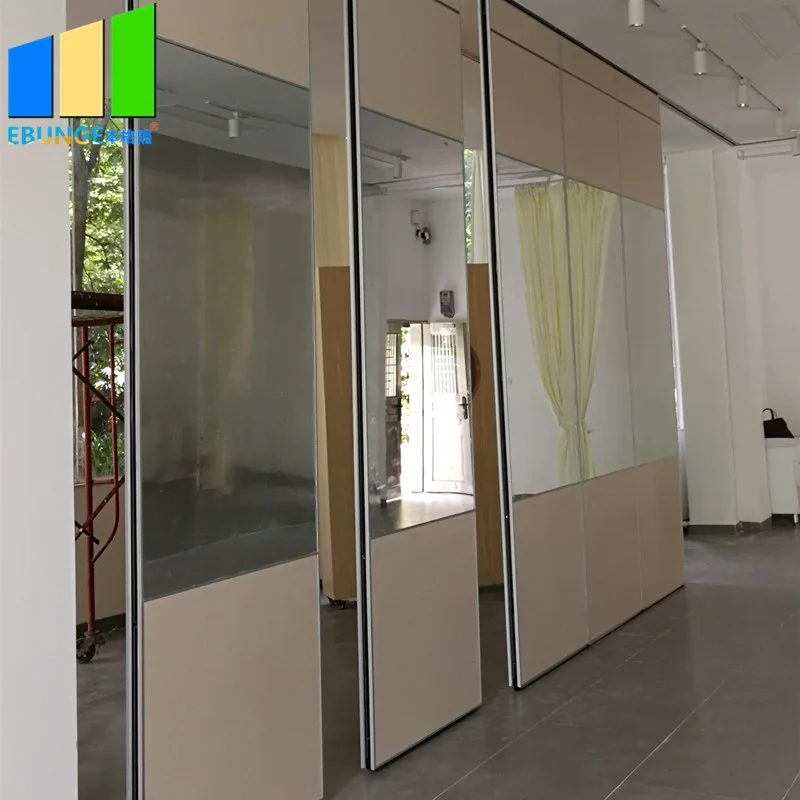
Do not use the log to record performance claims. The suitability of each route and parking arrangement depends on the approved layout, circulation, ceiling interfaces and operating sequence.
Communicating Which Revision Governs Each Booking Period
Project review term: changeover policy version control.
Bookers, exhibitors and internal teams need one clear answer: which revision applies to my event? Put the revision identifier where the booking is confirmed, not only in the policy document.
Booking record fields
Add a policy revision field to the booking template. When a booking spans a revision change, state the revision in force at the start of the booking period and note any transition arrangement.
Handover notes
Front-of-house and facilities handover notes should repeat the revision identifier and the room release rule that applies. This reduces reliance on memory during busy changeover windows.
Signage and room naming
Where rooms combine, use consistent names that match the layout drawing. Avoid informal names that do not appear in the policy, because they make the amendment log harder to interpret.
Evidence Boundaries for Changeover Policy Statements
Coordination scope: changeover policy version control.
A changeover policy is an operational document, but it often touches technical topics. Keep the following boundaries visible so readers do not infer performance that has not been confirmed.
Where acoustic separation matters to a booking, confirm the project-specific requirement and supporting documentation rather than quoting a rating in the changeover policy.
The exact route, junction arrangement, continuous overhead path and parking position must be confirmed from the coordinated project drawings. Straight, turning and stacking routes are reviewed from the layout, and support requirements are project-specific. The policy should direct readers to the approved drawing set and to the project team for confirmation.
Coordinating Policy Revisions with Project Documentation
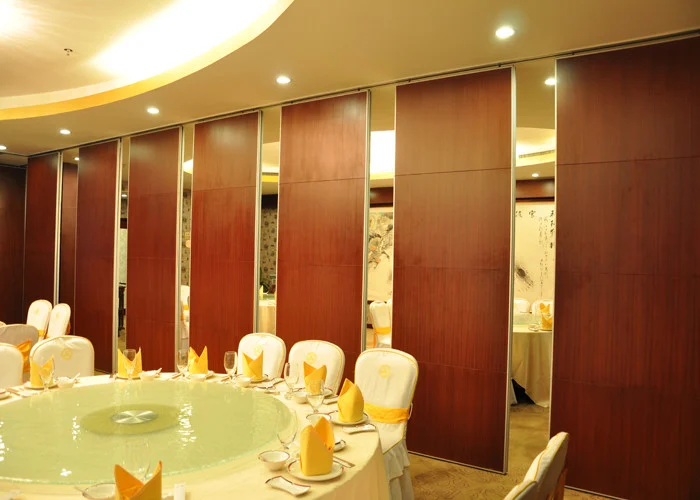
When a venue is being built or renovated, the changeover policy should be developed alongside the partition layout review. Finish options include laminate, melamine, fabric, leather, glass and other approved surfaces, and the chosen finish may affect handling and cleaning procedures. Those procedures belong in the facilities documentation, not in the booking policy.
Pass-door requirements and project documentation can be discussed with the supplier so that operational assumptions match the delivered configuration. If the policy assumes a route or a stacking position that the layout does not support, the policy should be corrected before publication. Use the movable walls product page for maintained product context and the resources page for planning material.
Frequently Asked Questions
How often should a movable partition changeover policy be reviewed?
Review at least once per booking season, and whenever room naming, booking rules or the partition layout change. Each review should produce either a new version or a dated note confirming no change.
Who should approve amendments to room release rules?
Assign one accountable role, typically the venue operations manager or facilities lead. The approver should confirm that the change does not conflict with project-specific support, acoustic or dimensional requirements.
Can the amendment log be kept in a booking system?
Yes, provided the log remains exportable and readable. The key requirement is that each booking can be linked to the revision that governed it on the event date.
What should the policy say about acoustic separation?
It should state that acoustic requirements are confirmed per project and refer readers to the relevant project documentation.
How should combined-room bookings be handled across a revision change?
State the revision in force at the start of the booking period and record any transition arrangement in the booking notes. If the change affects room release, notify the booker in writing.
Does the policy need to describe how panels move?
It may briefly note that panels are individually movable, top-hung and cross the opening without a floor track, because this affects changeover sequencing. Detailed movement routes should be confirmed from the layout.
Conclusion and Next Steps
A controlled changeover policy gives multi-room venues a defensible answer to a simple question: which rules applied to this booking? Number every revision, log every amendment to room release rules, and bind each booking to its governing revision. Keep technical claims out of the operational document and direct readers to project-specific confirmation for support, acoustic and dimensional requirements.
To discuss pass-door requirements, layout review or project documentation for your venue, contact the EBUNGE team.