
Quick answer: movable partition changeover frequency wear mapping
Review focus: movable partition changeover frequency wear mapping.
Movable partition changeover frequency wear mapping is a facility operations exercise that connects how often panels are moved with the inspection and maintenance attention they receive. Because EBUNGE movable wall panels are individually movable, suspended from a top track, cross the opening without a floor track, and park at a planned stacking position, the wear profile depends on route design, handling practice and project-specific conditions. This article provides an evidence-bounded framework for planning inspection intervals. It does not replace project drawings, engineering review or manufacturer guidance. Every recommendation here should be confirmed against your layout, support conditions and acoustic requirements.
Why Changeover Frequency Matters for Movable Partition Wear
Project review term: movable partition changeover frequency wear mapping.
Every changeover involves panels traveling along a continuous overhead route, turning where the layout requires, and stacking at a designated position. The number of movements, the length of the route, the number of turns and the stacking arrangement all influence how components are used. However, frequency alone does not determine wear. Installation quality, user behavior, environmental conditions and the specific hardware configuration also play roles. A room used twice daily may show different visible wear than a room used twice weekly, but without a baseline inspection you cannot assume a direct relationship. The purpose of changeover frequency wear mapping is to create a structured record that helps you notice changes over time, not to predict failure.
Building a Changeover Frequency-to-Wear Map
Coordination scope: movable partition changeover frequency wear mapping.
A wear map is a simple matrix that links usage intensity to inspection attention. It is not a performance guarantee. Start by defining changeover events: a single event is one complete cycle of opening, moving and parking panels. Then group spaces by expected frequency—low, moderate or high—based on your operations schedule. For each group, assign a visual inspection interval. The interval should be short enough to catch obvious issues but practical for your team. Because EBUNGE panels are top-hung and move without a floor track, the primary visible checkpoints are the top track, panel edges, seals and the stacking area. The map should note who inspects, what they look for and where they record findings.
Step-by-Step Mapping Process
- List all operable wall locations. Include room names, panel counts and parking positions.
- Estimate changeover frequency. Use booking records or staff estimates to classify each space as low, moderate or high use.
- Define inspection checkpoints. Focus on visible conditions: track alignment, panel suspension points, seal condition, panel surface and stacking area.
- Set initial inspection intervals. For example, high-use spaces might be inspected monthly, moderate quarterly and low semi-annually. Adjust based on findings.
- Record and review. Log observations and compare over time. If a checkpoint shows change, shorten the interval for that space.
Inspection Interval Framework by Usage Level
Checklist focus: movable partition changeover frequency wear mapping.
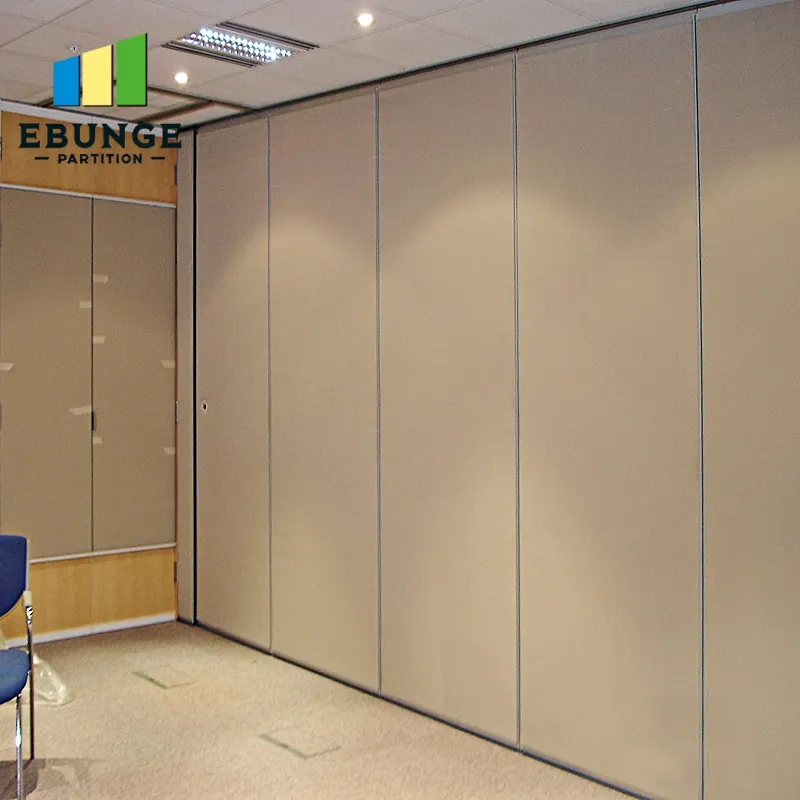
The table below offers a starting point. It is not a manufacturer schedule and does not imply that all projects behave the same. Confirm intervals with your maintenance team and adjust after the first few inspection cycles. The goal is to create a feedback loop: inspection findings inform interval adjustments, which in turn improve the wear map.
| Usage Level | Example Changeover Pattern | Suggested Visual Inspection Interval | Primary Checkpoints |
|---|---|---|---|
| Low | Occasional events, less than weekly | Semi-annual | Track, panel edges, stacking area |
| Moderate | Several times per week | Quarterly | Track, seals, panel surfaces, parking alignment |
| High | Daily or multiple times per day | Monthly | Track, suspension points, seals, panel edges, stacking area |
These intervals are illustrative. A high-use space with careful handling may need less frequent attention than a moderate-use space with rough handling. The map should be reviewed after any change in room function or user group.
What to Inspect and What Evidence to Record
Review focus: movable partition changeover frequency wear mapping.
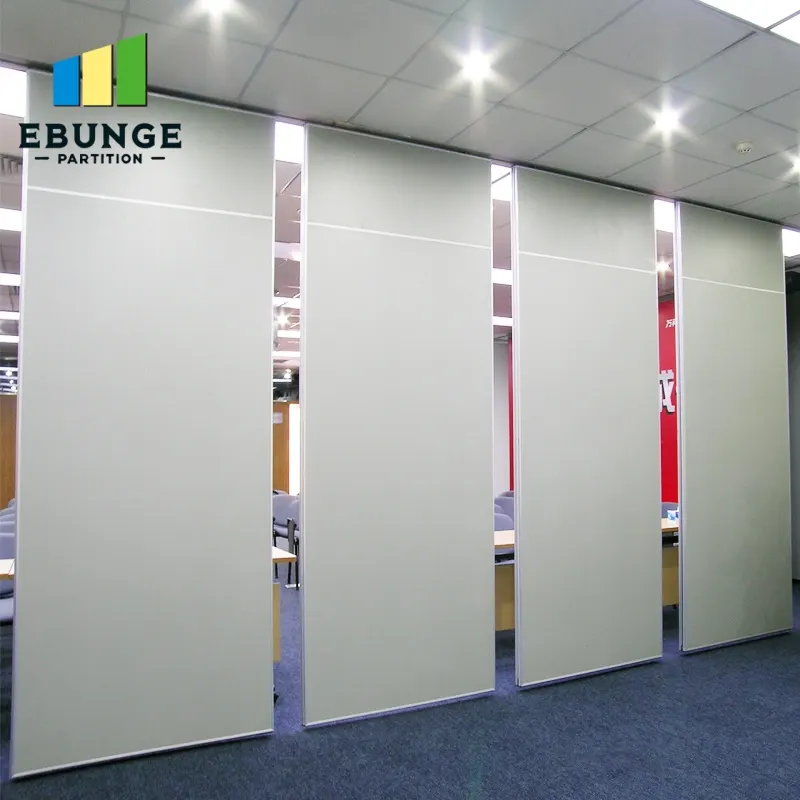
Inspection should focus on visible, non-invasive observations. The suitability of each route and parking arrangement depends on the approved layout, circulation, ceiling interfaces and operating sequence. For each checkpoint, record the date, location, observer and a brief description of condition. Photographs can help track changes over time. If you notice unusual noise, resistance during movement or visible damage, stop using the partition and seek qualified assessment. Do not infer performance from a finish sample or a drawing alone.
Evidence Note: What You Can and Cannot Conclude
Visible condition does not equal performance. A clean track or intact seal does not confirm acoustic isolation, fire resistance or load capacity. Those require project-specific engineering and test evidence. Use inspection records to plan maintenance, not to certify performance.
Coordinating with Project Drawings and Support Review
Changeover frequency wear mapping must align with the approved layout. Straight, turning and stacking routes are reviewed from the layout, and every proposed movement path requires a continuous connected overhead route and project-specific support review. If your operations plan changes—for example, adding a new parking position or altering room use—the wear map and inspection intervals should be revisited. The movable walls product page provides general configuration context, but project-specific support, acoustic and dimensional requirements must be confirmed with qualified professionals. For broader planning resources, see the resources page.
Common Planning Mistakes to Avoid
Panel handling and the operating sequence must be confirmed for the selected layout and project conditions. Another mistake is treating a generic finish or application example as evidence of cleaning compatibility or durability. Do not derive hidden performance from a visible shape or photograph. The exact route, junction arrangement, continuous overhead path and parking position must be confirmed from the coordinated project drawings. The overhead route must be continuous and supported.
Frequently Asked Questions
What is movable partition changeover frequency wear mapping?
It is a planning method that links how often panels are moved to a structured inspection schedule. It helps facility teams notice visible changes over time without claiming predictive performance.
How often should movable partitions be inspected?
There is no universal interval. The framework above suggests starting points based on usage level, but you should confirm intervals with your maintenance team and adjust based on findings and project-specific conditions.
Can I determine acoustic performance from a visual inspection?
No. Visible references can support layout discussion but do not verify hidden construction or performance. Do not infer acoustic ratings from appearance.
What should I do if I notice unusual resistance during movement?
Stop using the partition and seek qualified assessment. Do not attempt to force movement or adjust components without proper training and project documentation.
Does changeover frequency directly predict wear?
Not directly. Frequency is one factor among many, including handling, installation, environment and configuration. The wear map is a management tool, not a prediction of service life.
How do I coordinate wear mapping with my project drawings?
Review the layout for straight, turning and stacking routes. Confirm that every movement path has a continuous overhead route and project-specific support. Update the map if the layout or usage changes.
Conclusion and Next Steps
A changeover frequency-to-wear map gives your team a practical way to plan inspections without overstating what visual checks can prove. Start with the steps above, record findings consistently, and adjust intervals as you learn how each space is used. For project-specific discussions, pass-door requirements and documentation, contact EBUNGE to review your layout and operational needs.