
Quick answer: changeover downtime root cause coding
Review focus: changeover downtime root cause coding.
Movable partition changeover downtime root cause coding gives facility teams a shared language for why a room is not ready when the next booking begins. Instead of debating opinions after each event, the team records observable events against a small set of codes. This article sets out a register structure, a coding method and the evidence boundaries that keep the exercise honest. It applies to conference centres, hotels, schools, offices and other flexible-space venues, but every project still needs its own layout, support and acoustic review.
Why a Root-Cause Register Beats Informal Complaints
Project review term: changeover downtime root cause coding.
Informal complaints rarely identify whether a delay came from the room programme, the partition route, the finish condition or the handover sequence. A register separates these categories so patterns become visible over weeks rather than being re-argued at each event. The register does not prove a product fault; it only shows where the operation lost time.
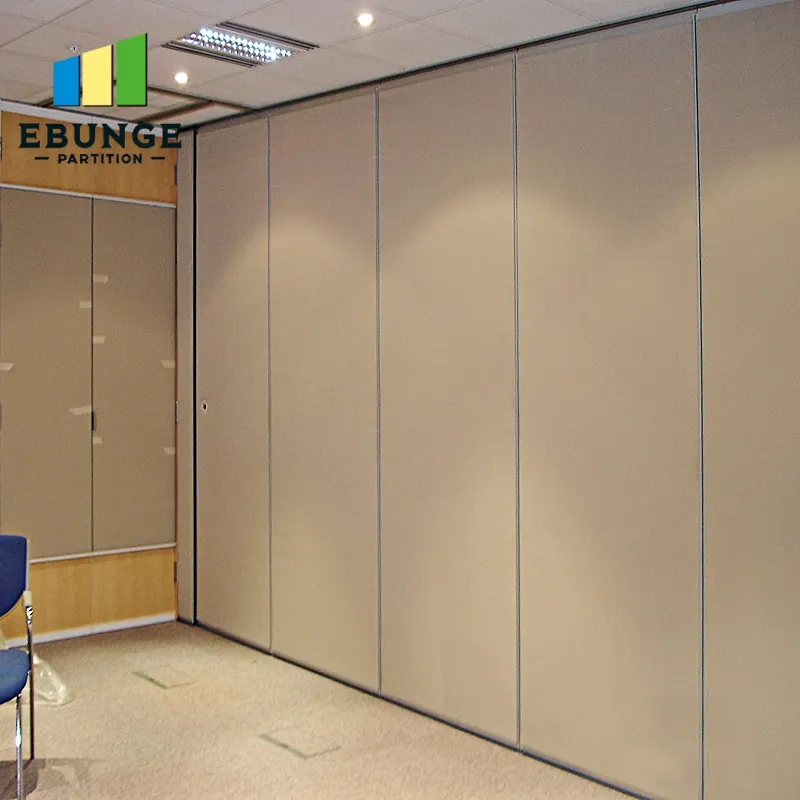
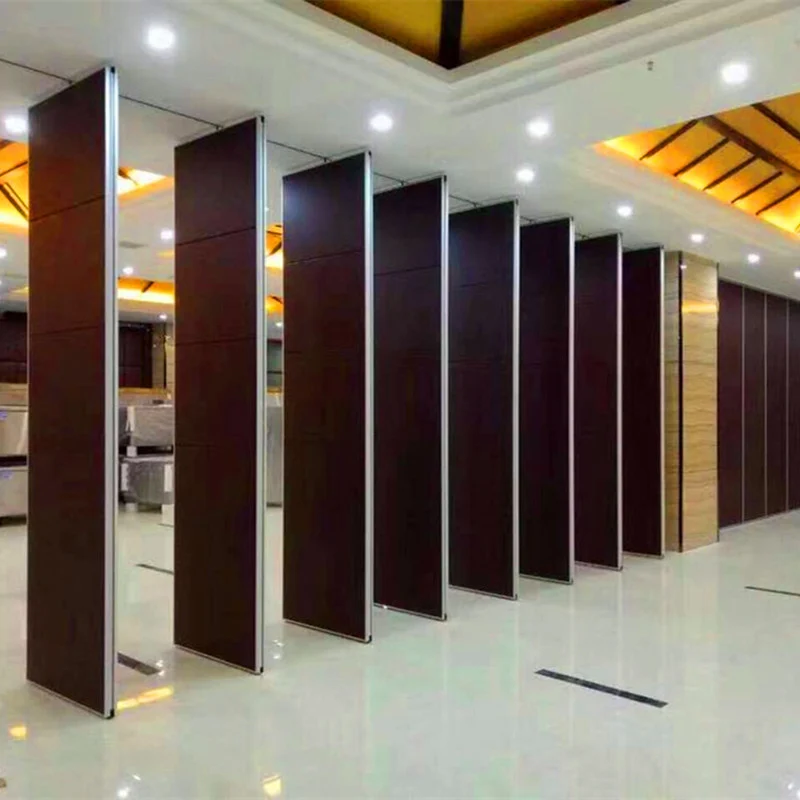
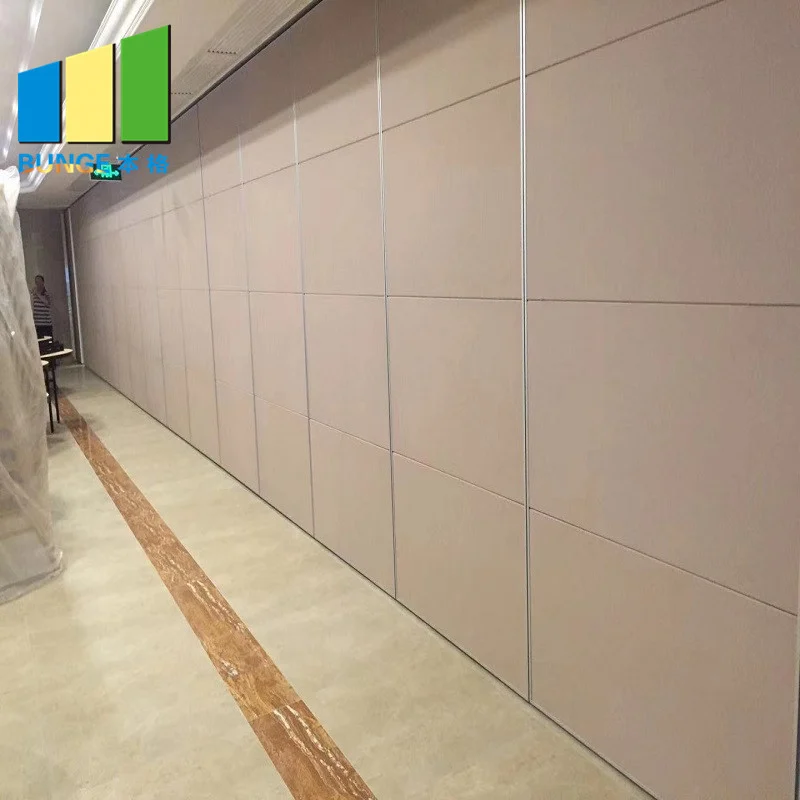
Because EBUNGE movable wall panels are individually movable and suspended from a top track, the changeover sequence depends on the planned stacking position and the connected overhead route. A register that ignores route planning will mislabel route conflicts as operator error. Keep the coding neutral and evidence-based.
Building the Changeover Downtime Root-Cause Code Set
Coordination scope: changeover downtime root cause coding.
A workable code set is small enough to remember and specific enough to separate causes. Start with six to ten codes and refine only when the same ambiguity appears repeatedly. Each code should describe an observable condition, not a presumed fault.
Suggested code families
- Route and access: the planned movement path was obstructed, or the stacking position was not clear.
- Layout mismatch: the room configuration requested did not match the reviewed layout drawing.
- Finish or surface condition: a visible surface issue required attention before handover.
- Booking or programme conflict: the previous event overran or the next event arrived early.
- Documentation gap: the team could not confirm the intended configuration from available project documents.
- Handover sequence: the room was ready but the handover step was delayed.
The suitability of each route and parking arrangement depends on the approved layout, circulation, ceiling interfaces and operating sequence. Those topics belong to project-specific confirmation, not to a downtime log.
Recording Recurring Delay Patterns Without Overclaiming
Checklist focus: changeover downtime root cause coding.
The register becomes useful when entries are consistent. Record the date, room, requested configuration, observed delay category and a short factual note. Avoid adjectives such as “slow” or “poor” unless they are defined in the code set. A note such as “stacking position occupied by stored furniture” is more useful than “bad changeover”.
Evidence note
This register records operational observations only. It does not establish product performance, acoustic values, structural capacity, installation quality or commercial outcomes. Any conclusion about the partition system requires separate project-specific evidence and drawing review.
Review the register weekly and monthly. Weekly review catches immediate repeat issues; monthly review reveals patterns that single events hide. If a pattern appears, confirm the relevant layout, support and route information before changing the physical installation.
A Decision Checklist for Coding Each Changeover Event
Review focus: changeover downtime root cause coding.
Use the same questions for every event so entries remain comparable. The checklist below is a coding aid, not a substitute for project documentation.
- Was the requested room configuration confirmed against the reviewed layout drawing?
- Was the planned movement route clear and connected from the start position to the stacking position?
- Was the stacking position available and free of unrelated storage?
- Did the previous event finish within its booked time?
- Was the finish condition acceptable at the start of the changeover?
- Was the handover step completed and recorded?
- If a delay remains unexplained, which project document or site review is needed next?
Where a question cannot be answered, code the entry as a documentation gap rather than guessing. That keeps the register trustworthy and shows where project information needs to be improved.
Coordinating the Register with Project Documentation
The register should reference the same layout drawings used for procurement and installation. Straight, turning and stacking routes are reviewed from the layout, so the operations team needs access to the current approved version. If the layout changes, the register codes may need to change with it.
Keep finish observations separate from performance questions. For broader planning resources, see the EBUNGE resources page.
Common Coding Mistakes and How to Avoid Them
Three mistakes weaken most registers. First, coding by opinion instead of observation. Second, merging unrelated causes into one code, which hides the real pattern. Third, treating a repeated delay as proof of a product defect without reviewing the layout, route and booking programme.
Compact comparison: useful versus weak entries
| Weak entry | Useful entry |
|---|---|
| “Partition was slow again.” | “Stacking position blocked by stored chairs; route code R2.” |
| “Room not ready.” | “Previous event overran by 20 minutes; programme code P1.” |
| “Panels felt wrong.” | “Requested configuration did not match reviewed layout; layout code L1.” |
Use the comparison to train the team, not to assign blame.
Turning Register Findings into Planning Actions
Once patterns are visible, the team can adjust booking buffers, storage arrangements, handover steps and layout communication. These are operational changes, not product claims. If a pattern suggests the physical configuration may need review, confirm support, acoustic and dimensional requirements with the project team before making changes.
For product context, see the movable wall product page. Pass-door requirements and project documentation can be discussed with the EBUNGE team through the contact page.
Frequently Asked Questions
What is movable partition changeover downtime root cause coding?
It is a structured method for recording why a flexible room was not ready on time, using a small set of observable codes. The register supports operations planning; it does not prove product performance.
Does the register require acoustic measurements?
No.
Can the same code set be used across different venues?
The code families can be adapted, but each venue should confirm its own layout, route and booking programme. A code set copied without review may hide local causes.
How often should the register be reviewed?
Weekly review catches immediate repeats; monthly review reveals patterns. The right frequency depends on changeover volume and project requirements.
What should be done when a pattern suggests a physical issue?
Confirm the relevant layout, support and dimensional requirements with the project team before changing the installation. Do not infer performance from the register alone.
Does EBUNGE provide the coding template?
Project documentation and pass-door requirements can be discussed with the EBUNGE team. The template should be adapted to the venue’s own operations and reviewed with the responsible project parties.
Conclusion and Next Steps
A changeover downtime root-cause register turns scattered complaints into a reviewable pattern. Keep the codes observable, separate operational findings from performance questions, and confirm project-specific support, acoustic and dimensional requirements before acting on any pattern. For project coordination, reach the EBUNGE team through the contact page.