
Quick project answer
Review focus: changeover demand calendar.
Facility teams often treat movable partition changeovers as ad hoc events. A movable partition changeover demand calendar turns those events into a planned sequence, so staffing, equipment, and venue bookings align with how rooms are actually released and reset. This framework is for overseas contractors, architects, interior designers, owners, renovation companies, distributors, and construction teams who need to coordinate operations without inventing performance claims. It uses only maintained product facts and marks where project-specific confirmation is required.
Why a Changeover Demand Calendar Belongs in Facility Operations Planning
Project review term: changeover demand calendar.
A changeover demand calendar is not a booking diary. It is a planning instrument that maps when a room must change from one configuration to another, who needs access, and what must be true before the space is released. For movable partition walls, the operational question is not only whether panels can move, but whether the route, parking position, and room release sequence support the next event.
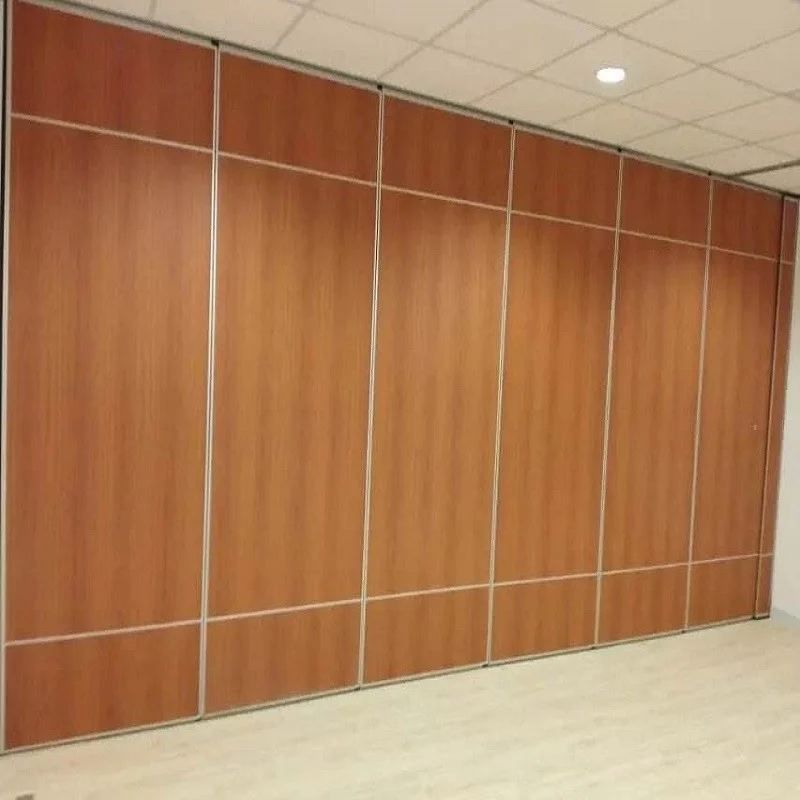
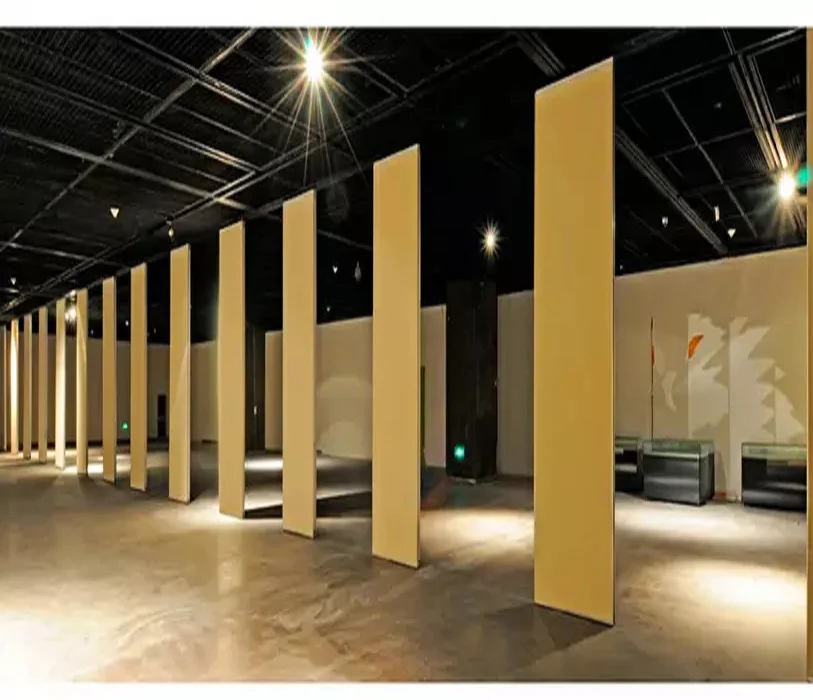
EBUNGE movable wall panels are individually movable, suspended from a top track, cross the opening without a floor track, and park at a planned stacking position. That maintained fact shapes the calendar: every changeover depends on a continuous connected overhead route and a planned parking location. The calendar should therefore record route readiness, not just room availability.
What the calendar should capture
- Room or zone name and the configuration required for each event.
- Planned changeover window, including release and reset boundaries.
- Route review status for straight, turning, and stacking movements.
- Parking position and whether it conflicts with other activities.
- Responsible party for confirming the room is ready to release.
Room Release Sequencing: The Operational Backbone
Coordination scope: changeover demand calendar.
Room release sequencing is the order in which spaces are handed back for changeover. If two events end at the same time and share a route or parking area, the calendar must show which room releases first. This is a coordination decision, not a product performance claim.
Sequence rooms by dependency, not by convenience. A room whose panels must travel through a shared opening should release before a room that only needs a local reset. The exact route, junction arrangement, continuous overhead path and parking position must be confirmed from the coordinated project drawings.
Numbered process for sequencing

- List every event and the required room configuration.
- Identify shared routes, openings, and parking positions.
- Mark rooms that must release early because others depend on their route.
- Assign a release owner and a reset owner for each room.
- Confirm the sequence against the reviewed layout before publishing the calendar.
Building the Demand Calendar Across a Period
Start with a calendar period that matches your booking cycle, such as a week, a month, or a term. Plot known events first, then mark changeover windows between them. The goal is to expose conflicts early, not to predict exact durations that have not been confirmed for the project.
Group changeovers by route and parking demand. If several rooms share a stacking position, the calendar should show whether that position is available when each room releases. Where pass-door requirements exist, record them as a project-specific item to be discussed with the supplier and confirmed against the layout.
Compact comparison: calendar views
| View | Best for | Evidence boundary |
|---|---|---|
| Event-led | Venue bookings and client-facing schedules | Does not confirm route or parking readiness |
| Route-led | Shared openings and turning movements | Requires reviewed layout and support confirmation |
| Release-led | Room handover and reset ownership | Depends on operational staffing decisions |
Coordinating Staffing, Equipment, and Venue Bookings
The calendar should connect three operational streams: people, equipment, and bookings. People need to know which room releases first and who owns the reset. Equipment needs to be available at the right route or parking area. Bookings need to reflect realistic release and reset windows.
Do not infer staffing numbers, operating tools, or powered operation from the calendar. Those are project-specific and must be confirmed separately. The calendar’s job is to make dependencies visible so the right parties can confirm them.
Evidence note
This framework uses maintained EBUNGE product facts: panels are individually movable, top-hung, cross the opening without a floor track, and park at a planned stacking position. Finish options include laminate, melamine, fabric, leather, glass, and other approved surfaces. Acoustic concepts such as STC or Rw describe rating systems; they are not a direct count of decibels and must be confirmed for the specific project. No soundproofing, service life, or financial outcome is promised.
Specification and Layout Review Before Publishing the Calendar
Before the calendar is published, the project team should review the layout for straight, turning, and stacking routes. The review should confirm that the overhead route is continuous and supported, and that the parking position is planned. Finish choices should be checked against the approved surfaces for the project.
Where the calendar depends on a pass-door requirement or project documentation, those items should be discussed and confirmed. The calendar is only as reliable as the layout review behind it.
Decision checklist
- Is every changeover linked to a reviewed route?
- Is the parking position planned and available?
- Are release owners and reset owners named?
- Are pass-door and documentation items confirmed?
- Are acoustic and dimensional requirements confirmed for the project?
Common Planning Mistakes to Avoid
One common mistake is treating the calendar as a fixed timetable. Changeover demand shifts with bookings, so the calendar should be reviewed at a defined cadence.
A third mistake is mixing operational assumptions with product claims. The suitability of each route and parking arrangement depends on the approved layout, circulation, ceiling interfaces and operating sequence. Keep those confirmations separate and evidence-based.
FAQ
What is a movable partition changeover demand calendar?
It is a planning tool that maps when rooms must change configuration, which routes and parking positions are involved, and the order in which rooms are released for reset.
Does the calendar require a floor track?
No. EBUNGE movable wall panels are top-hung and cross the opening without a floor track. The route still requires a continuous connected overhead route and project-specific support review.
Can the calendar confirm acoustic performance?
No. Project-specific acoustic requirements must be confirmed separately.
How should rooms be sequenced?
Sequence rooms by dependency. Rooms whose panels must travel through shared routes or parking areas should release before rooms that only need a local reset.
What finish options can be considered?
Confirmed finish options include laminate, melamine, fabric, leather, glass, and other approved surfaces. Suitability for a specific project should be confirmed.
When should the layout be reviewed?
The layout should be reviewed before the calendar is published, covering straight, turning, and stacking routes, parking positions, and any pass-door or documentation requirements.
Conclusion and Next Steps
A movable partition changeover demand calendar helps facility teams align staffing, equipment, and venue bookings by making route, parking, and release dependencies visible. It does not replace project-specific confirmation of support, acoustic, and dimensional requirements. Use the checklist and sequence process above, then confirm the details against your reviewed layout.
To discuss pass-door requirements, project documentation, or layout review for your facility, contact EBUNGE. You can also review movable wall products and browse planning resources for further coordination guidance.