
Quick answer: changeover capacity stress test
Review focus: changeover capacity stress test.
When peak season approaches, facility teams need more than a calendar. Panel handling and the operating sequence must be confirmed for the selected layout and project conditions. This framework is for contractors, architects, interior designers, owners and renovation teams who plan flexible spaces. It focuses on evidence-bounded planning, not performance promises. Every recommendation here depends on your project drawings, support review and confirmed product configuration. The suitability of each route and parking arrangement depends on the approved layout, circulation, ceiling interfaces and operating sequence.
Why Changeover Capacity Deserves a Stress Test
Project review term: changeover capacity stress test.
Changeover capacity is the practical ability to move a room from one use to another within a required window. It is not a single number. It depends on the route, the stacking position, the number of panels, the finish handling and the sequence of events. A stress test exposes where the plan may break under pressure. It does not prove that a system will perform in a certain way. Instead, it reveals assumptions that need project-specific confirmation.
For movable partition walls, panels are individually movable and suspended from a top track. They cross the opening without a floor track and park at a planned stacking position. This means the changeover path is overhead, not on the floor. The stress test should therefore focus on the overhead route, the parking area and the sequence of panel movement. Any gap in the overhead route is a planning risk, not a performance claim.
Mapping Room Release Routes and Stacking Positions
Coordination scope: changeover capacity stress test.
Start with the layout. Straight, turning and stacking routes are reviewed from the layout. A route that looks simple on a floor plan may have turning constraints or stacking conflicts. The stress test should map every route a panel may take during a changeover. It should also identify where panels park when the room is open.
Route review checklist
- Confirm the overhead track is continuous along the intended movement path.
- Identify every turning point and check it against the coordinated layout.
- Confirm the stacking position is planned and does not block other functions.
- The exact route, junction arrangement, continuous overhead path and parking position must be confirmed from the coordinated project drawings.
- Review pass-door requirements with the project team.
This checklist is not a substitute for project-specific support and dimensional review. It is a way to surface questions early. If a route cannot be confirmed from the drawings, mark it as an open item. Do not assume that a similar-looking project will behave the same way.
Stress-Testing Demand Surges Before Peak Periods
Checklist focus: changeover capacity stress test.
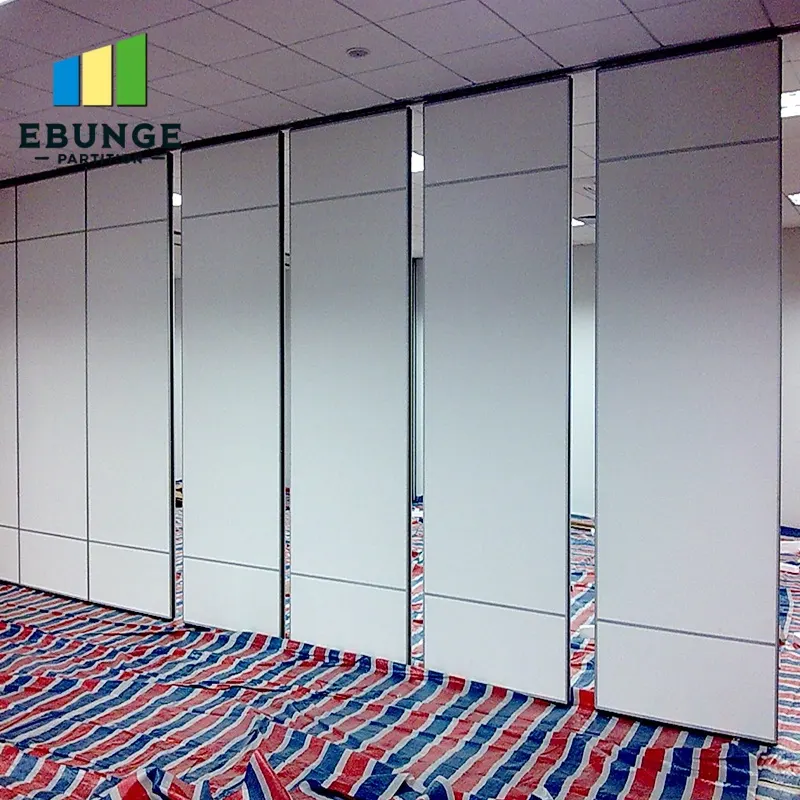
A demand surge is a period when multiple rooms need to change over at the same time. The stress test should simulate that overlap. Instead of testing one room in isolation, test the sequence of rooms that share a route or a stacking area. This reveals whether one changeover blocks another.
Use a simple table to compare planned demand against available changeover windows. The table below is a planning tool, not a performance guarantee. Fill it with your own project data and confirm every entry with the responsible parties.
| Scenario | Rooms affected | Shared route or stacking | Planning question |
|---|---|---|---|
| Single room changeover | One | No | Can the room be released within the window? |
| Paired changeover | Two | Yes | Does one route block the other? |
| Peak overlap | Three or more | Yes | Which changeover should happen first? |
| Contingency | Any | Any | What is the fallback if a route is unavailable? |
After filling the table, review it with the operations team and the project team. The goal is to identify triggers for contingency action. A trigger might be a room that cannot be released on time, a stacking area that is occupied, or a route that needs clarification. Define these triggers before peak periods, not during them.
Defining Contingency Triggers and Room Release Rules
Review focus: changeover capacity stress test.
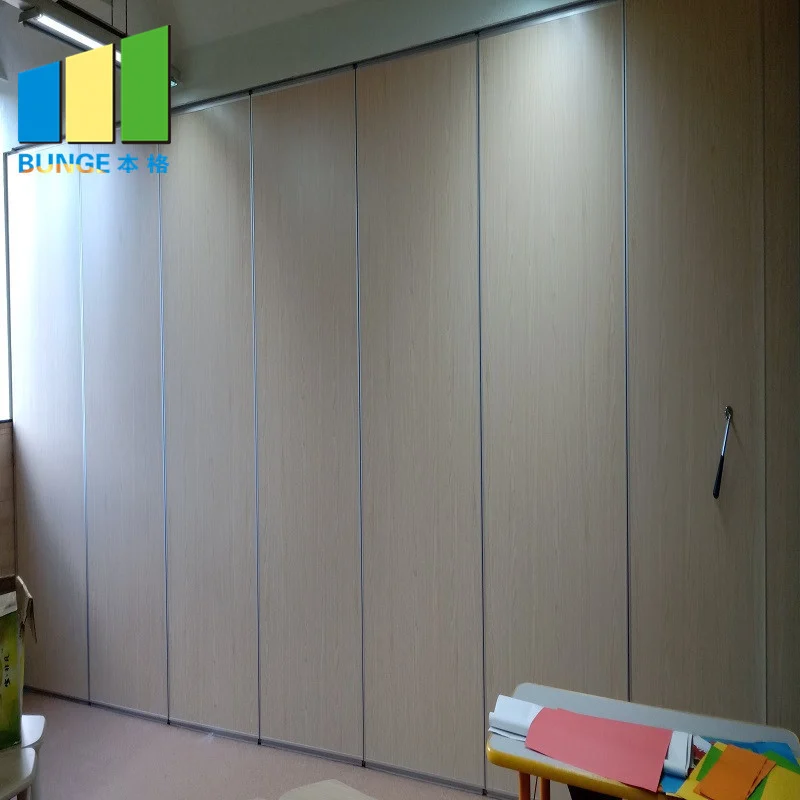
Contingency planning is about deciding in advance what happens when the primary plan is not available. For movable partition walls, the contingency may involve a different stacking position, a different changeover order or a temporary use of another room. The stress test should identify which contingencies are feasible within the confirmed layout.
Evidence note
This article does not provide acoustic, structural or fire performance values. STC and Rw are rating concepts used in project specifications. They are not a direct count of decibels and should not be reduced to one. Confirm all acoustic, support and dimensional requirements for your project with qualified professionals and the product supplier.
Room release rules should be written down. They should state who confirms that a room is ready, what conditions must be met and what happens if a condition is not met. These rules are operational, not product claims. They help the facility team act consistently under pressure.
Coordinating Finishes, Pass Doors and Documentation
Project review term: changeover capacity stress test.
Finish choices can affect changeover planning. Confirmed finish options include laminate, melamine, fabric, leather, glass and other approved surfaces. Different finishes may have different handling considerations, but do not infer cleaning compatibility or durability from a finish name. Confirm those details with the supplier for your specific project.
Pass-door requirements and project documentation can be discussed with the EBUNGE team. Documentation may include layout drawings, route reviews and coordination notes. The stress test should reference these documents so that the operations plan matches the installed configuration. If a document is missing, treat it as an open item.
Building a Repeatable Changeover Review Cycle
A stress test is not a one-time event. It should be repeated when the layout changes, when peak periods approach or when the operations team changes. A repeatable review cycle keeps the plan current.
- Collect the latest layout and route drawings.
- Update the demand surge table with current room usage.
- Review stacking positions and shared routes.
- Confirm contingency triggers with the operations team.
- Record open items and assign follow-up.
- Repeat before the next peak period.
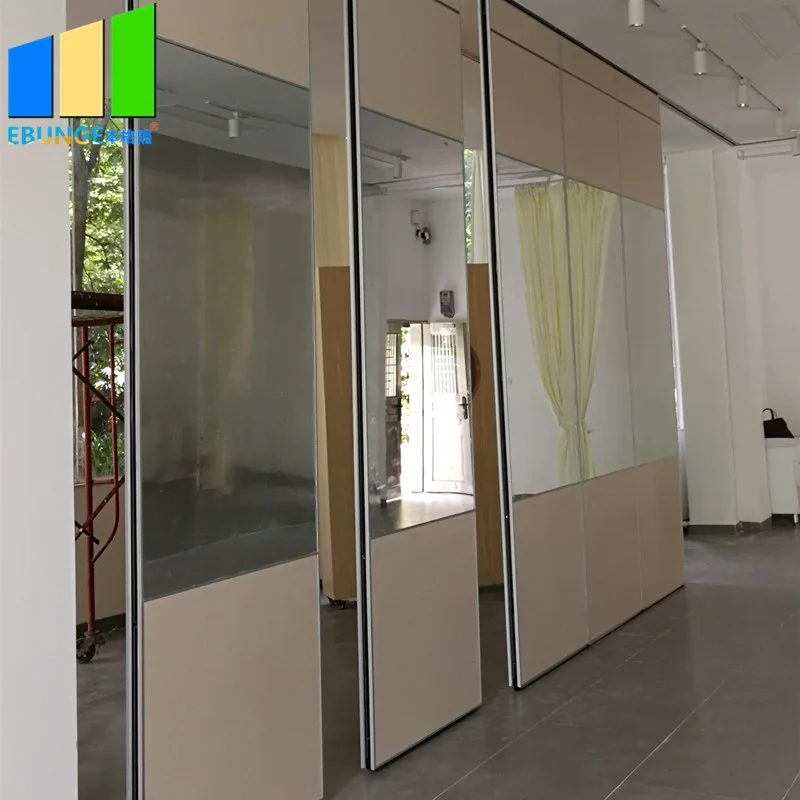
This cycle does not require new product performance claims. It requires disciplined coordination.
FAQ: Changeover Capacity and Room Release Planning
What is a movable partition changeover capacity stress test?
It is a planning exercise that simulates demand surges to see whether rooms can be released and reset within required windows. It reviews routes, stacking positions and contingency triggers. It does not test or certify product performance.
Does every movable partition wall need a floor track?
No. EBUNGE movable partition panels are top-hung and move without a continuous floor running track or floor hardware along the partition line. The movement path is overhead, and every proposed route requires a continuous connected overhead route and project-specific support review.
How do we confirm acoustic requirements for our project?
Acoustic requirements are project-specific. Confirm acoustic, support and dimensional requirements with qualified professionals and the product supplier using your project drawings.
Can we choose finishes for the panels?
Confirmed finish options include laminate, melamine, fabric, leather, glass and other approved surfaces. Confirm finish suitability for your project.
What should trigger a contingency plan?
Triggers may include a room that cannot be released on time, a stacking area that is occupied, or a route that needs clarification. Define these triggers before peak periods and review them with the operations team.
Where can we get project-specific support?
Contact EBUNGE to discuss pass-door requirements, project documentation and layout review. You can also review the movable walls product page and the resources page for general planning context.
Conclusion: Plan the Release, Not Just the Room
A movable partition changeover capacity stress test is a practical way to prepare for demand surges. It helps you map routes, test overlapping changeovers and define contingency triggers before peak periods. It does not replace project-specific engineering, acoustic or dimensional confirmation. For project-specific support, contact EBUNGE to discuss your layout, pass-door requirements and documentation needs.