
Quick answer: movable partition changeover capacity regression review trigger
Review focus: movable partition changeover capacity regression review trigger.
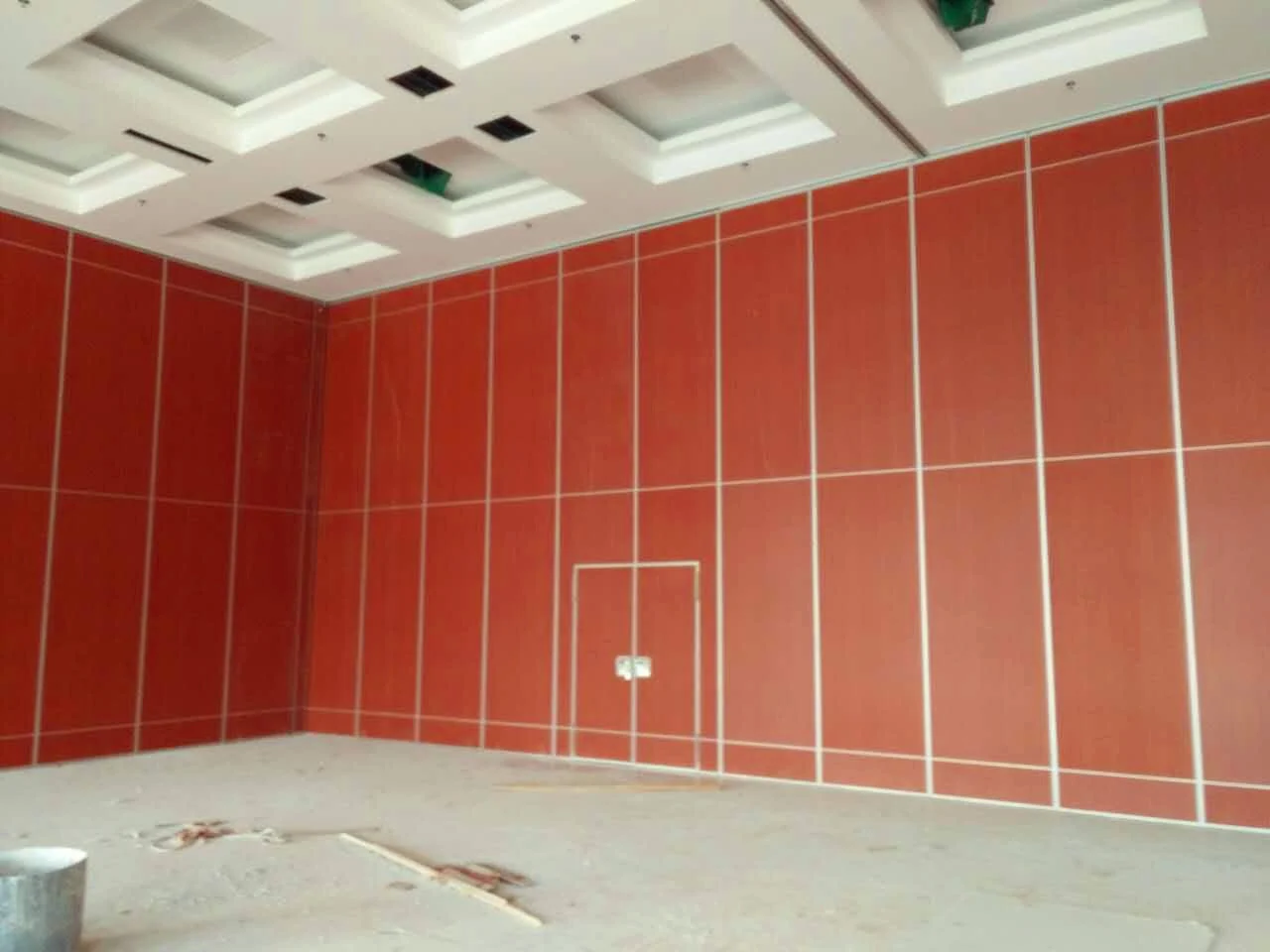
The movable partition changeover capacity regression review trigger is a structured signal that tells facility planners when a handed-over changeover capacity plan no longer matches observed booking mix, room release latency, and crew availability. Movable wall panels are individually movable, suspended from a top track, cross the opening without a floor track, and park at a planned stacking position. Because these systems support flexible spatial division, the operating assumptions used at handover can drift as booking patterns and room release behavior change. This article provides an evidence-bounded framework for detecting drift and deciding when to re-baseline assumptions. The suitability of each route and parking arrangement depends on the approved layout, circulation, ceiling interfaces and operating sequence.
Why Changeover Capacity Plans Drift After Handover
Project review term: movable partition changeover capacity regression review trigger.
A changeover capacity plan is a planning assumption, not a fixed property of the partition system. It is built on expected booking mix, expected room release latency, and expected crew availability. When any of these inputs shifts, the plan can become misaligned with actual operations.
Drift is normal in flexible venues. A conference room that once hosted full-day sessions may begin hosting shorter, more frequent bookings. A ballroom may see more split-room configurations. These changes affect how often panels move, how far they travel, and how much time is available between events.
Facility planners should treat the handed-over plan as a baseline, not a permanent guarantee. The goal is to detect meaningful divergence early and decide whether to adjust operating assumptions, revise stacking routes, or re-coordinate with the partition supplier.
Three Drift Signals That Trigger a Regression Review
Coordination scope: movable partition changeover capacity regression review trigger.
The framework uses three observable signals. None of them requires hidden performance data. They are based on booking records, room release logs, and crew schedules that facility teams already maintain.
1. Booking Mix Drift
Booking mix drift occurs when the proportion of room configurations, event durations, or space combinations changes beyond the range assumed at handover. For example, a venue planned for mostly full-room use may begin receiving frequent requests for two or three smaller rooms.
This matters because each configuration change may require moving panels along straight, turning, or stacking routes. The layout review should confirm whether those routes remain practical under the new mix.
2. Room Release Latency
Room release latency is the time between the end of one booking and the moment the room is available for changeover. If release latency increases, the window for moving panels and resetting the space shrinks.

Planners should compare observed release latency against the assumption used in the handed-over plan. A persistent increase is a trigger to review whether the current changeover sequence still fits the available window.
3. Crew Availability Variance
Crew availability variance describes changes in the number, timing, or continuity of staff available for changeover tasks. The approved product facts do not specify manpower requirements, so this signal must be assessed using project-specific staffing records.
If crew availability becomes less predictable, the changeover plan may need to be re-baselined even if booking mix and release latency remain stable.
Decision Checklist for Planners
Checklist focus: movable partition changeover capacity regression review trigger.
Use this checklist to decide whether a regression review is warranted. It is a planning tool, not a performance guarantee.
- Has the booking mix shifted toward more frequent or more complex configurations?
- Has room release latency increased beyond the range assumed at handover?
- Has crew availability become less predictable or less continuous?
- Are straight, turning, or stacking routes still practical under current use?
- Are pass-door requirements still aligned with observed circulation needs?
- Have finish options or surface conditions changed in a way that affects handling?
- Is there a documented change in how often panels are moved or parked?
The exact overhead route and support arrangement must be confirmed by the responsible project team from coordinated drawings. The review should be documented and shared with the project team.
How to Run a Structured Regression Review
Review focus: movable partition changeover capacity regression review trigger.
A regression review is a coordination exercise, not a product test. It brings together observed operating data and the original layout assumptions.
- Collect booking records for the review period, focusing on configuration types and event durations.
- Compile room release latency data from event logs or room management systems.
- Document crew availability patterns, including any periods of reduced coverage.
- Compare observed data against the assumptions in the handed-over changeover capacity plan.
- Review the original layout drawings for straight, turning, and stacking routes.
- Identify which assumptions no longer match observed conditions.
- Decide whether to adjust operating procedures, revise the layout review, or re-coordinate with the partition supplier.
- Record the revised assumptions and communicate them to all relevant teams.
This process does not require inventing performance values. It relies on operational evidence that facility teams already collect.
Evidence Boundaries and Project-Specific Confirmation
Movable partition planning involves several areas where project-specific confirmation is required. Planners should not infer hidden performance from visible features or generic examples.
Acoustic Concepts
Any acoustic requirement must be confirmed for the specific project, layout, and partition configuration.
Support and Movement Routes
Panels are suspended from a top track and cross the opening without a floor track. Every proposed movement path requires a continuous connected overhead route and project-specific support review. The exact route, junction arrangement, continuous overhead path and parking position must be confirmed from the coordinated project drawings.
Finish and Handling
Confirmed finish options include laminate, melamine, fabric, leather, glass, and other approved surfaces. These must be confirmed separately for each project.
Parking and Stacking
Parking style is customized to the customer layout and project requirements and may support compact stacking when the coordinated design permits it. The planned stacking position should be reviewed whenever booking mix or room use changes.
When to Re-Baseline Operating Assumptions
Re-baselining means updating the handed-over changeover capacity plan to reflect current observed conditions. It is not a failure of the original plan; it is a normal part of facility operations planning.
Consider re-baselining when booking mix drift, room release latency, and crew availability variance persist together. Also consider it when the original layout review no longer reflects how the space is actually used.
Re-baselining may involve revising changeover sequences, adjusting stacking positions, or updating coordination documents.
Coordination with Project Teams
Contractors, architects, interior designers, owners, and facility managers each hold part of the picture.

Use the movable walls product page to review maintained product context. Use the resources page for general planning guidance. When project-specific support, acoustic, or dimensional requirements need confirmation, contact the EBUNGE team to discuss documentation and pass-door requirements.
FAQ
What is a movable partition changeover capacity regression review trigger?
It is a signal that the handed-over changeover capacity plan no longer matches observed booking mix, room release latency, or crew availability. It prompts a structured review of operating assumptions.
How often should facility planners review changeover capacity assumptions?
There is no universal interval. Review when two or more drift signals persist, or when the space is used in ways that differ materially from the original layout review.
Does booking mix drift always require a full regression review?
No. A single change may not warrant a full review. The trigger framework is most useful when multiple signals point in the same direction over time.
Can movable partitions cross an untracked gap?
No. Every proposed movement path requires a continuous connected overhead route and project-specific support review. The exact route, junction arrangement, continuous overhead path and parking position must be confirmed from the coordinated project drawings.
What information should be collected before a regression review?
Collect booking records, room release latency data, crew availability patterns, and the original layout drawings showing straight, turning, and stacking routes.
Does a regression review require acoustic testing?
Not necessarily. Acoustic requirements are project-specific.
Conclusion and Next Steps
A movable partition changeover capacity regression review trigger helps facility planners detect when operating assumptions have drifted. By monitoring booking mix, room release latency, and crew availability, teams can decide when to re-baseline assumptions and coordinate with the project team.
Do not infer performance from generic examples or visible features. For project documentation and pass-door discussions, contact EBUNGE.