
Quick project answer
Review focus: changeover capacity reservation.
Shared movable partition assets create a scheduling problem that ordinary room booking systems rarely capture. A movable partition changeover capacity reservation booking conflict arises when two bookable rooms claim the same panels, the same overhead route, or the same changeover window. This framework helps facility and venue operations teams plan reservations, resolve conflicts, and keep decisions tied to maintained product facts and project-specific drawings.
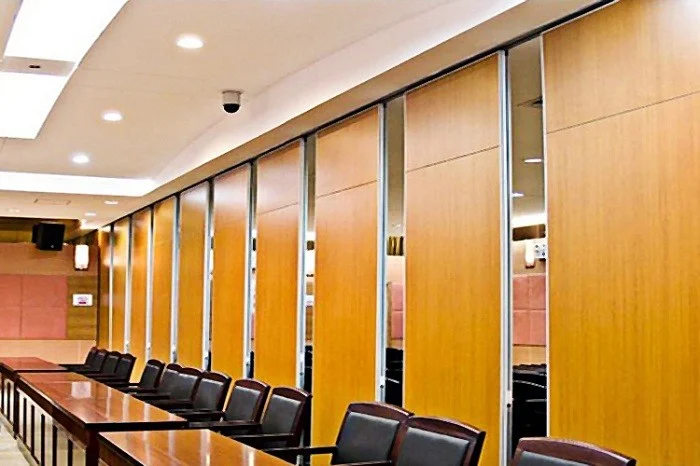
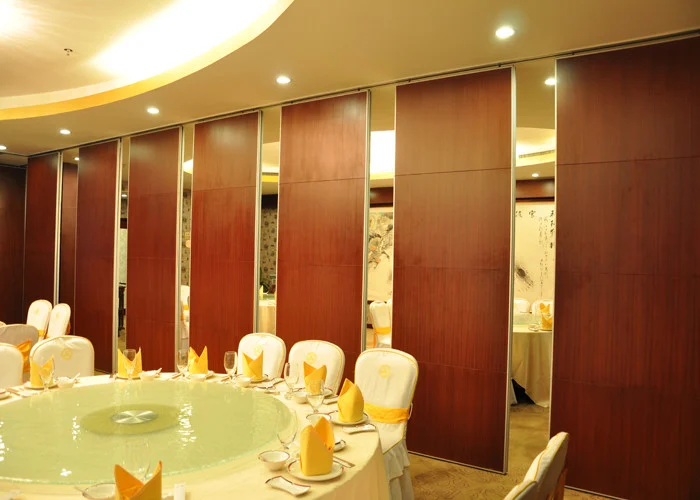
Movable wall panels are individually movable, suspended from a top track, cross the opening without a floor track, and park at a planned stacking position. Straight, turning and stacking routes are reviewed from the layout. The suitability of each route and parking arrangement depends on the approved layout, circulation, ceiling interfaces and operating sequence.
Why Shared Partition Assets Need a Capacity Reservation Layer
Project review term: changeover capacity reservation.
A single set of panels may serve several rooms across a day. Without a reservation layer, the booking system sees rooms as independent, while operations sees one shared asset. The gap produces double-booking, rushed changeovers and last-minute compromises.
Treat each partition set as a bookable resource with its own route, parking position and changeover window. The reservation layer does not need to invent performance data; it needs to record which room configuration is promised and which movement path supports it.
Separate room bookings from asset bookings
A room booking confirms the space. An asset booking confirms the partition configuration. Both should exist before a client contract is finalized, especially when the same panels are promised to two events on the same day.
Record the route, not just the room
Because panels travel along a continuous connected overhead route, the reservation should reference the reviewed straight, turning and stacking path. A room may be free while its required route is blocked by another set parked in the way.
Building a Changeover Capacity Reservation Model
Coordination scope: changeover capacity reservation.
Changeover capacity is the practical number of partition reconfigurations the operations team can support in a given period. It depends on the layout, the parking plan and the sequence of bookings. It is not a fixed product rating.
Start by mapping every bookable room to the partition sets that can serve it. Then map each set to its parking position and the routes it uses. This creates a dependency map that reveals where conflicts are likely.
- List each bookable room and the partition configurations it may require.
- List each partition set and its planned stacking position.
- Trace the straight, turning and stacking routes for each set from the layout.
- Identify shared route segments and shared parking zones.
- Define changeover windows between bookings based on the reviewed movement sequence.
- Publish the reservation rules to booking staff and operations leads.
Define changeover windows from the layout
A changeover window is the period reserved for moving panels from one configuration to another. It should be derived from the reviewed route and parking plan, not from a generic assumption. Where routes overlap, windows must be sequenced rather than parallel.
Keep a live dependency map
The dependency map should be updated when layouts change, when new rooms are added to the shared pool, or when parking positions are revised. An outdated map is a common source of booking conflict.
Resolving Multi-Room Booking Conflicts
Checklist focus: changeover capacity reservation.
Conflicts usually fall into three types: asset conflict, route conflict and timing conflict. Naming the type helps the operations team choose the right resolution instead of negotiating from scratch each time.
| Conflict type | What is contested | Planning response |
|---|---|---|
| Asset conflict | The same partition set is promised to two rooms | Reassign one booking to another compatible set or adjust the configuration promise |
| Route conflict | Two movements need the same overhead route or parking zone | Sequence the changeovers and reserve the route for one movement at a time |
| Timing conflict | Changeover windows overlap or are too short | Extend the window, move the booking, or reduce the number of reconfigurations in that period |
Resolution rules should be agreed before peak periods. When a conflict cannot be resolved within the reviewed layout, the project-specific support, acoustic and dimensional requirements must be confirmed with the supplier and design team.
Escalation path for unresolved conflicts
If a conflict affects a contracted event, escalate to the operations lead and the design or supplier contact. Do not promise a configuration that the reviewed route or parking plan does not support.
Evidence Boundaries for Operations Planning
Review focus: changeover capacity reservation.
Operations planning should stay within maintained product facts and reviewed drawings. Visible references can support layout discussion but do not verify hidden construction or performance.
Evidence note: confirm project-specific support, acoustic and dimensional requirements before committing a booking to a partition configuration. Do not infer performance from a visible finish or a generic application example.
What operations teams can confirm directly
Operations teams can confirm room availability, booking sequences, reviewed routes and parking positions.
Documentation and Handover for Shared Assets
A shared partition asset needs a handover pack that booking staff can use. The pack should include the reviewed layout, the parking plan, the route map and the reservation rules.
Finish options such as laminate, melamine, fabric, leather, glass and other approved surfaces may be recorded for client communication, but they do not replace project-specific confirmation of support, acoustic and dimensional requirements.
Pass-door and access requirements
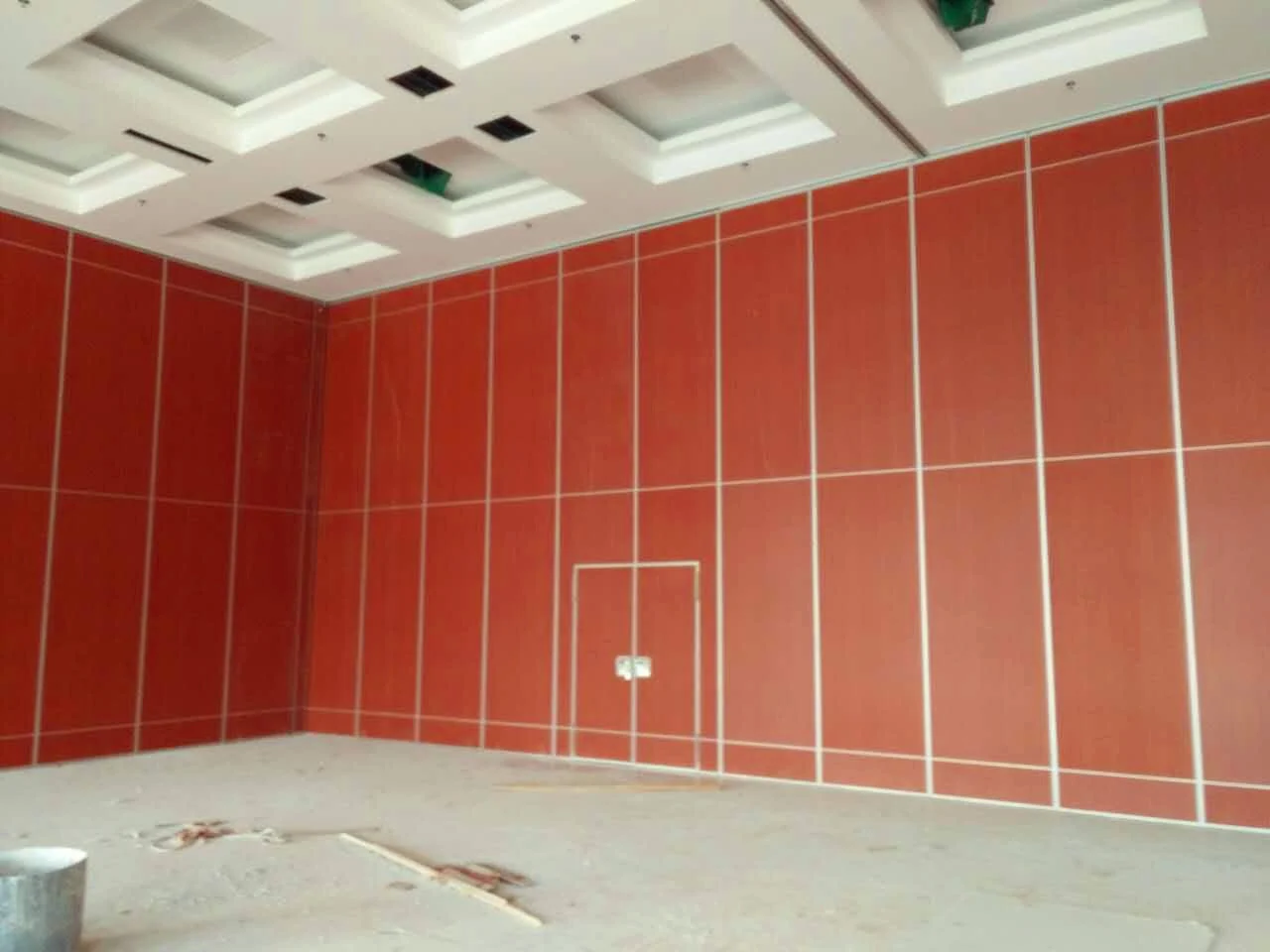
Pass-door requirements and project documentation can be discussed with the supplier. Where a pass door is part of the configuration, the reservation should note it so that changeover planning reflects the full room setup.
FAQ: Changeover Capacity and Booking Conflicts
What is a movable partition changeover capacity reservation?
It is a planning record that reserves a partition set, its reviewed route and its changeover window for a specific room configuration. It sits alongside the ordinary room booking.
How do we prevent two rooms from booking the same panels?
Map each room to the partition sets that can serve it, then require an asset booking before the room booking is confirmed. Shared sets should be flagged in the booking system.
Can changeovers happen in parallel?
Only where the reviewed routes and parking positions do not overlap. Where they share a route or stacking zone, sequence the movements and reserve the route for one changeover at a time.
What information is needed for a conflict review?
Bring the room list, the partition set list, the parking plan, the reviewed straight, turning and stacking routes, and the booking sequence. Project-specific support, acoustic and dimensional requirements should be confirmed separately.
Do finish choices affect changeover planning?
Finish options are recorded for client communication. They do not replace project-specific confirmation of support, acoustic and dimensional requirements, and they should not be used to infer performance.
When should we involve the supplier?
Involve the supplier when a conflict cannot be resolved within the reviewed layout, when a pass door is required, or when project documentation needs to be aligned with the reservation model.
Conclusion and Next Steps
A changeover capacity reservation layer turns shared movable partitions from an informal arrangement into a planned operation. By mapping rooms, sets, routes and parking positions, operations teams can resolve booking conflicts before they reach the event floor.
Keep every recommendation tied to maintained product facts and reviewed drawings. Confirm project-specific support, acoustic and dimensional requirements with the project team, and review the layout whenever the shared asset pool changes.
To discuss your layout, routes and documentation, contact EBUNGE. You can also review movable wall products and the resources library for further planning context.