
Quick answer: movable partition changeover calendar
Review focus: movable partition changeover calendar.
A movable partition changeover calendar is the operational bridge between a flexible room concept and the daily reality of facility teams. It records when a space must change from one configuration to another, who needs it, and which checks must be complete before the change begins. Because EBUNGE movable wall panels are individually movable, suspended from a top track, cross the opening without a floor track and park at a planned stacking position, the calendar must reflect the physical route as well as the room booking. The exact overhead route and support arrangement must be confirmed by the responsible project team from coordinated drawings.
Why a Changeover Calendar Belongs in Facility Operations Planning
Project review term: movable partition changeover calendar.
Facility Operations Planning coordination usually starts with room schedules, cleaning rotas and event bookings. A movable partition adds a physical sequence to that schedule. Panels must travel from their parked position to the opening, then return to a planned stacking position when the room is cleared. If the calendar ignores this sequence, operations teams may book two activities that compete for the same route or stacking zone.
The calendar is therefore a coordination document, not a performance promise. It should show the changeover window, the rooms affected, the route status and the responsible party for each readiness check. It should also note where project-specific support, acoustic and dimensional requirements still need confirmation from the design team.
What the Calendar Should Record
- Room or zone name and the intended configuration for each time block.
- Changeover window, including setup and clear-down time.
- Movement route from parked position to the opening and back.
- Stacking position and any adjacent activities that could obstruct it.
- Readiness checks completed before the changeover begins.
- Open items that require drawing review or project-specific confirmation.
Readiness Audit Framework Before Each Changeover
Coordination scope: movable partition changeover calendar.
A readiness audit turns the calendar into a repeatable routine. The audit should be completed before the first panel moves, not after the room is half-configured. It covers the route, the parking zone, the opening and the surrounding environment. The goal is to identify obstructions or coordination gaps early, when they can still be resolved without disrupting the schedule.
Step-by-Step Audit Sequence
- Confirm the room booking and the required configuration against the calendar.
- Walk the straight, turning and stacking routes to check for obstructions.
- Verify that the overhead route is continuous and connected for the planned movement.
- Check that the stacking position is clear and available for the planned parking arrangement.
- Review any pass-door requirements or access needs with the relevant team.
- Record any deviation and escalate items that require project-specific review.
This sequence is deliberately generic. It does not replace the project drawings, which remain the controlling document for support, dimensions and route geometry. Where the drawings show a turning or stacking route, the audit should follow that route rather than an assumed shortcut.
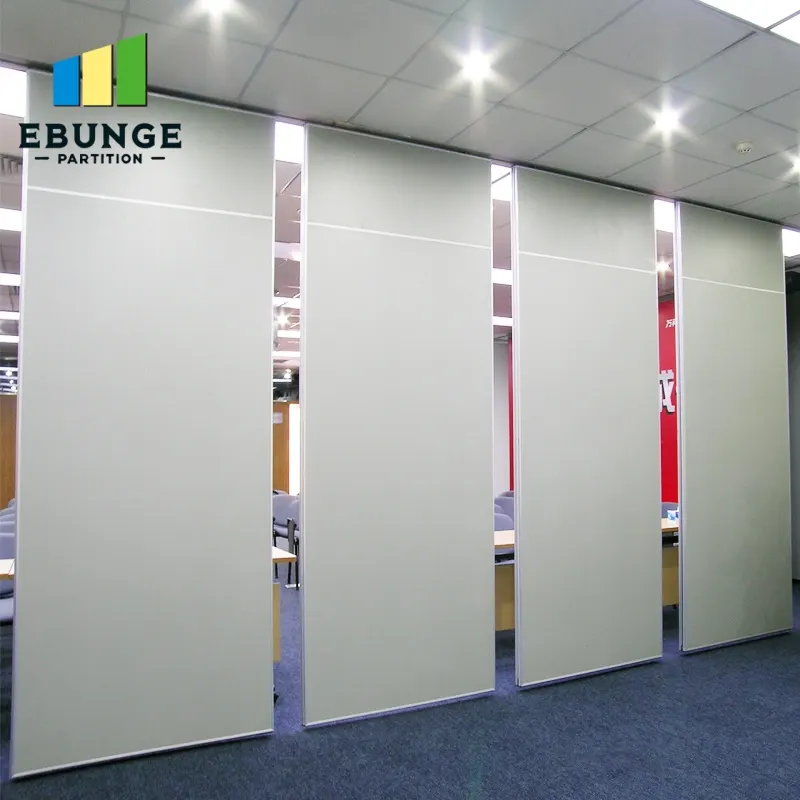
Route Review: Straight, Turning and Stacking Paths
Checklist focus: movable partition changeover calendar.
Every proposed movement path requires a continuous connected overhead route and project-specific support review. The exact route, junction arrangement, continuous overhead path and parking position must be confirmed from the coordinated project drawings.
Stacking routes deserve particular attention because they often pass through shared circulation space. If a stacking position sits near a service corridor or a frequently used doorway, the calendar should flag the potential conflict. The design team can then confirm whether the coordinated layout supports the intended parking arrangement.
Evidence Note: What Drawings Can and Cannot Show
Drawings can show route geometry, opening positions and planned parking zones. They do not, by themselves, confirm acoustic performance, structural capacity, fire performance or cleaning compatibility. Those items require matching project-specific evidence and confirmation.
Finish and Surface Coordination in the Calendar
Review focus: movable partition changeover calendar.
Confirmed finish options include laminate, melamine, fabric, leather, glass and other approved surfaces. The calendar should record the approved finish for each panel group so that operations teams know which cleaning or handling instructions apply. A generic finish example is not evidence of cleaning compatibility, so the project team should confirm the relevant requirements for the selected surface.
Finish coordination also affects visual consistency across a large opening. If a room is reconfigured frequently, the calendar can note which panel groups are expected to travel together. This helps the team keep the intended arrangement and reduces confusion during busy changeovers.
Compact Comparison: Planning Inputs and Confirmation Boundaries
| Planning input | What it supports | What still needs confirmation |
|---|---|---|
| Room schedule | Changeover windows and configuration needs | Project-specific operational priorities |
| Layout drawing | Straight, turning and stacking routes | Support, dimensions and route geometry |
| Finish selection | Approved surface direction | Cleaning and handling requirements |
| Pass-door requirement | Access planning during changeover | Project-specific documentation and review |
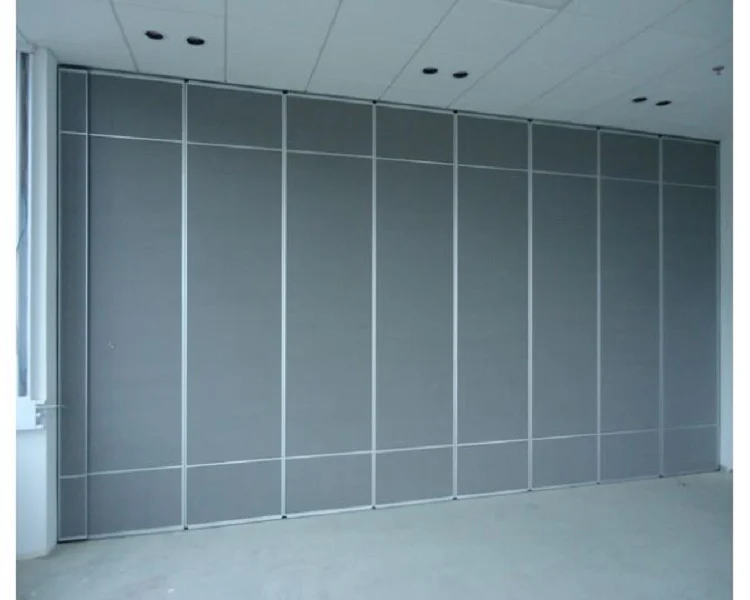
Coordination Roles and Communication Rhythm
The suitability of each route and parking arrangement depends on the approved layout, circulation, ceiling interfaces and operating sequence. The calendar should name the person responsible for the room booking, the person who walks the route and the person who signs off the readiness audit. For larger sites, a weekly review can catch recurring conflicts before they become schedule disruptions.
Contractors and renovation teams should be included when the calendar touches construction or modification work. Architects and interior designers can confirm that the planned configuration matches the design intent. Owners and distributors may need a summary view that highlights open items rather than every operational detail.
Questions to Ask During Coordination
- Which changeovers happen most often, and which routes do they use?
- Are there times when two rooms compete for the same stacking zone?
- Which readiness checks can be completed by the facility team, and which need specialist review?
- What documentation is required before the first operational changeover?
Documentation, Handover and Ongoing Review
Project documentation and pass-door requirements can be discussed with the EBUNGE team as part of the planning process. The calendar should reference the relevant drawings, finish approvals and open items so that the operations team is not working from memory. A simple version-controlled document is usually more useful than a complex system that nobody updates.

After handover, the calendar should be reviewed against actual use. If a route is consistently obstructed or a changeover window is too short, the team can adjust the schedule or raise the issue for project-specific review. This review loop keeps the calendar aligned with how the building is actually used.
Frequently Asked Questions
What is a movable partition changeover calendar?
It is an operational schedule that records when movable partition panels must move between configurations, which routes they use and which readiness checks apply. It supports Facility Operations Planning coordination and does not replace project drawings.
Does every changeover need a readiness audit?
A readiness audit is a repeatable check of the route, stacking position and opening. The frequency and depth should be confirmed for the specific project and operational context.
Can the calendar confirm acoustic performance?
No. Acoustic requirements need project-specific confirmation and matching evidence.
How should turning and stacking routes be planned?
They should be reviewed from the layout, with a continuous connected overhead route and project-specific support review. The calendar should identify each route type separately.
Which finishes can be recorded in the calendar?
Confirmed finish options include laminate, melamine, fabric, leather, glass and other approved surfaces. Cleaning and handling requirements for the selected finish still require project-specific confirmation.
When should the operations team be involved?
Ideally during design and documentation, so that changeover windows, routes and stacking positions are considered before handover. Early involvement reduces coordination gaps later.
Conclusion: Build the Calendar Around Confirmed Information
A movable partition changeover calendar is most useful when it stays close to confirmed product facts and project drawings. It should record routes, parking positions, readiness checks and open items without implying performance, engineering or commercial outcomes that have not been confirmed. Used this way, the calendar becomes a practical tool for contractors, architects, designers, owners and facility teams who need flexible spaces to work reliably day after day.
To discuss project documentation, pass-door requirements or layout review for your next flexible-space project, contact the EBUNGE team. You can also review the movable wall product range and explore further planning resources before finalising your changeover calendar.