
Quick answer: movable partition changeover ambulant route
Review focus: movable partition changeover ambulant route.
Every time movable partition walls are reconfigured, the building’s internal circulation changes. A movable partition changeover ambulant route handover sign-off gives facility teams a repeatable way to confirm that walking routes remain clear and continuous after each changeover. This framework is written for operations, contractor and design teams who need a shared routine rather than an informal visual check. It stays within confirmed product facts and points to the project-specific reviews that must happen before any route is approved.
Why Ambulant Routes Change When Partitions Move
Project review term: movable partition changeover ambulant route.
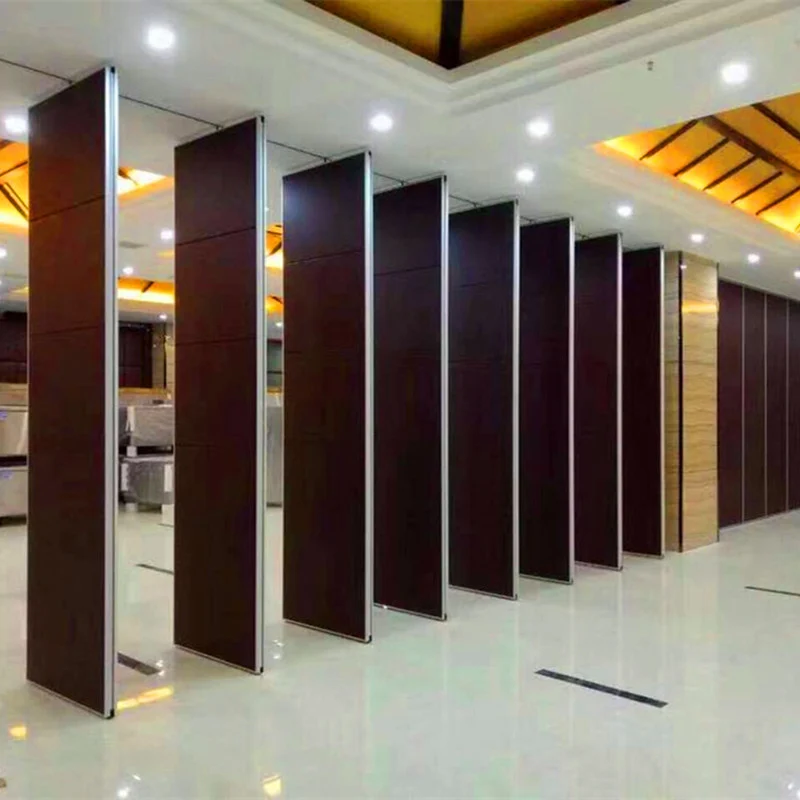
Movable partition panels are individually movable and suspended from a top track. They cross the opening without a floor track and park at a planned stacking position. Because panels travel and stack, the usable floor area and the walking path can shift with every configuration. A route that is clear in one layout may be narrowed or interrupted in another.
The review therefore focuses on the route as a dynamic condition, not a fixed drawing. Facility teams should treat each changeover as a small operational event with its own handover check. The goal is to confirm that the ambulant route remains connected from origin to destination and that no parked panel, temporary item or partial stack blocks it.
What the Handover Sign-Off Actually Confirms
Coordination scope: movable partition changeover ambulant route.
The sign-off is a record that the route has been reviewed against the current layout. The suitability of each route and parking arrangement depends on the approved layout, circulation, ceiling interfaces and operating sequence. Those matters require project-specific review by the responsible design and engineering parties.
Acoustic requirements should be confirmed separately for the project.
Evidence note: what a visual check can and cannot show
An operator can see that a route is physically clear at the moment of inspection. A visual check cannot confirm acoustic performance, fire performance, structural capacity, maintenance needs or compliance with a project specification. Those items require matching project evidence and responsible-party review.
A Six-Step Changeover Route Handover Routine
Checklist focus: movable partition changeover ambulant route.
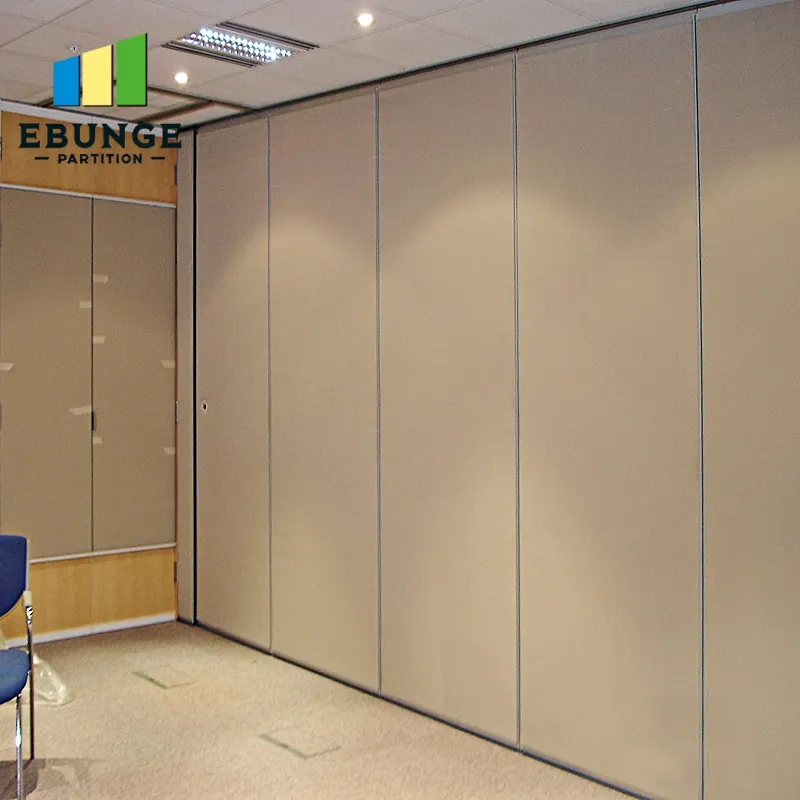
The following sequence is a practical structure for facility teams. It can be adapted to the venue, but each step should be completed before the next.
- Confirm the intended layout. Identify which panels move, where they park and which openings remain in use.
- Walk the primary ambulant route. Start at the main entry and follow the path to the key destinations in the reconfigured space.
- Check the secondary and accessible route. Confirm an alternative path remains available where the project requires one.
- Inspect the parking position. Verify that stacked panels sit within the planned stacking area and do not intrude into the route.
- Clear temporary obstructions. Remove or relocate items that are not part of the approved layout.
- Record and sign. Note the layout, date, reviewer and any exceptions that need follow-up.
Obstruction Clearance: A Practical Checklist
Review focus: movable partition changeover ambulant route.
Panel handling and the operating sequence must be confirmed for the selected layout and project conditions. Use a short checklist that can be repeated without special tools.
- Are all panels fully parked within the planned stacking position?
- Is the route free of chairs, tables, signage, cables and cleaning equipment?
- Are doorways and pass-door openings unobstructed on both sides?
- Is the turning route clear where the layout includes a change of direction?
- Are any temporary barriers or cones removed once the changeover is complete?
- Are exceptions recorded with a responsible person and a follow-up date?
Pass-door requirements and project documentation can be discussed with the supplier so that the handover routine reflects the actual configuration. Where a pass door is part of the design, its clear opening and approach should be included in the route walk.
Route Types to Review Before Sign-Off
Straight, turning and stacking routes are reviewed from the layout. Each type raises different questions, and a single walk-through may not cover all of them.
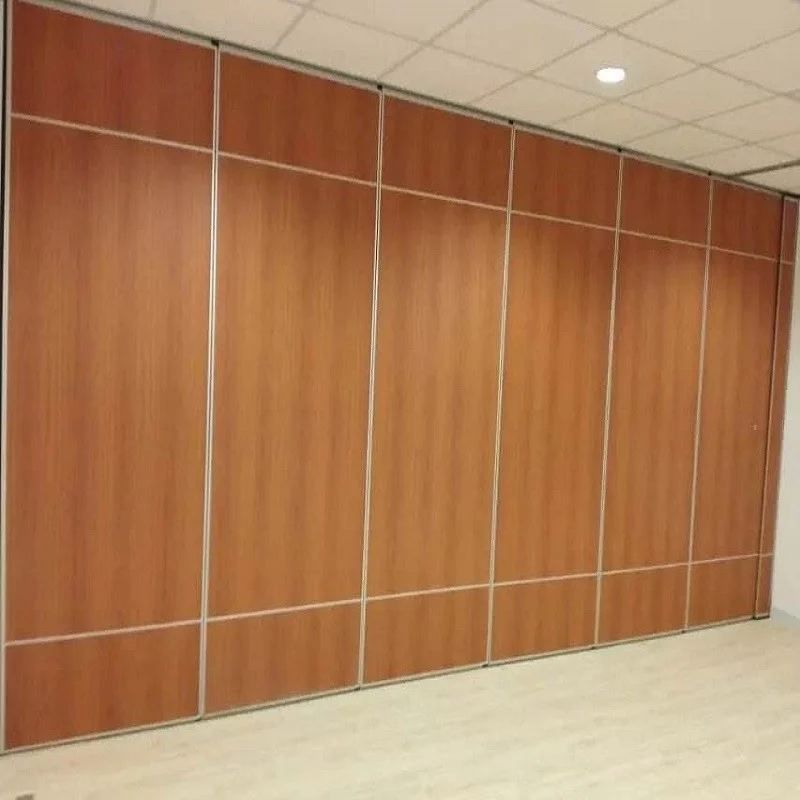
| Route type | What to review | Common handover question |
|---|---|---|
| Straight route | Continuous clear width along the main path | Does any parked panel reduce the path? |
| Turning route | Clear space at corners and changes of direction | Can a person turn without stepping around an obstruction? |
| Stacking route | Panel travel path and final parking position | Is the stacking area kept clear of stored items? |
This table is a review prompt, not a dimensional standard. Project-specific support, acoustic and dimensional requirements must be confirmed from the coordinated drawings.
Documentation and Responsibility Boundaries
A handover record should be simple enough to complete at each changeover. It typically includes the layout reference, the date and time, the reviewer’s name, the route walked, any obstructions found and the action taken.
The record should also state what was not checked. For example, if the review covered circulation only, the form should say so.
Coordination with contractors and designers
Contractors, architects and interior designers should agree early on which routes matter, how panels park and what documentation the owner expects. The movable wall systems page provides maintained product context, while project resources can support planning discussions. Any change to the layout should trigger a fresh route review rather than relying on an earlier sign-off.
Frequently Asked Questions
Who should complete the ambulant route sign-off?
A trained member of the facility or operations team can complete the routine check. The responsible project parties should define who has authority to approve exceptions and who receives the record.
Does the sign-off confirm acoustic performance?
No. The sign-off covers circulation and obstruction clearance only.
How often should the route be reviewed?
Review the route each time the partition configuration changes, and after any event that alters the layout. A periodic check between changeovers can also help catch accumulated obstructions.
What if a parked panel blocks part of the route?
Record the obstruction, confirm the planned stacking position from the layout and relocate the panel or the obstructing item. If the layout itself creates a conflict, refer it to the project design team.
Can the same routine be used for different room types?
Yes, the structure can be adapted. The named venue or room type is an example only; movable partitions can be considered wherever flexible spatial division or reconfiguration is required.
What documentation should be kept?
Keep the layout reference, date, reviewer, route walked, obstructions found and actions taken. Project documentation requirements can be discussed with the supplier and the owner’s representative.
Conclusion: Make the Route Check Part of Every Changeover
A movable partition changeover ambulant route handover sign-off is most useful when it is short, consistent and honest about its limits. Confirm the layout, walk the route, clear obstructions, record the result and escalate anything that needs design review. Project-specific support, acoustic and dimensional requirements should always be confirmed from the coordinated drawings before work proceeds.
To discuss pass-door requirements, documentation expectations or route planning for a specific project, contact the EBUNGE team.