
When you are planning a conference room with an operable wall system, achieving the right movable partition acoustic performance is often the difference between a functional meeting space and a constant source of distraction. As a project contractor, you need to specify a solution that meets the client’s sound privacy needs without compromising on budget or timeline. This article focuses on the application of movable partition walls in conference rooms, guiding you through the technical requirements, verification processes, and decision-making steps to ensure a successful installation. We’ll address common concerns such as STC rating accuracy, installation quality, and compatibility with existing spaces, and we’ll help you prepare the information needed for a precise quotation.
Quick answer: For a conference room, movable partition acoustic performance should be selected based on the specific sound transmission class (STC) target, which is typically between 45 and 50 for confidential meetings. Verify the STC rating with certified lab tests, ensure proper installation with perimeter seals, and request a detailed quotation that includes the top-hung track system, partition panels, and acoustic seals. Always share your opening size, ceiling height, and acoustic goals with the supplier to get an accurate proposal.
Why Movable Partition Acoustic Performance Matters in Conference Rooms
Conference rooms are high-stakes environments where confidential discussions, client presentations, and collaborative sessions occur. Poor acoustic separation can lead to sound leakage, disrupting meetings and compromising privacy. The movable partition acoustic performance directly impacts the room’s usability, so you need to specify a system that meets the client’s expectations. Unlike permanent walls, movable partitions must maintain acoustic integrity while offering flexibility, which is why careful selection is critical.
Need help turning the movable partition acoustic performance requirements into a practical project layout?
Understanding STC Ratings and What They Mean for Your Project
Sound Transmission Class (STC) is a single-number rating that measures how well a partition reduces airborne sound. For conference rooms, an STC of 45 is often adequate for normal speech privacy, but if the room is used for confidential discussions, you may need STC 50 or higher. However, the STC rating is only valid if the partition is installed correctly and all gaps are sealed. As a contractor, you must verify that the supplier’s STC claims are backed by certified laboratory tests and that the system includes appropriate perimeter seals.
When comparing movable partition acoustic performance, look for detailed specifications that include the construction of the panels, the type of seals, and the track system. Remember that the overall acoustic performance depends on the entire assembly, including the top-hung track, panel joints, and floor seals. A high STC rating on a single panel does not guarantee performance if the installation has gaps.
Key Technical Requirements for Conference Room Partitions
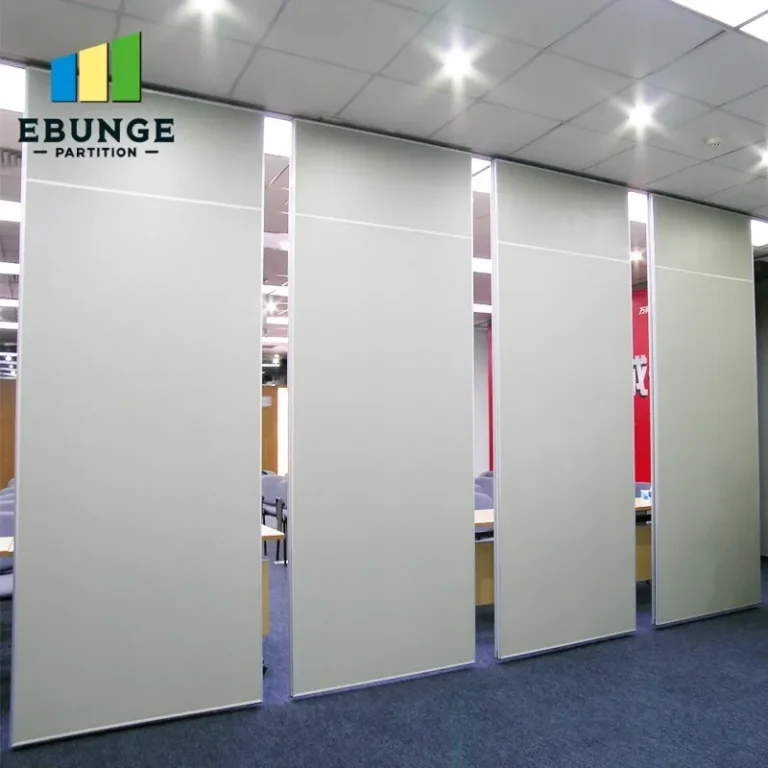
Before requesting a quotation, you need to define the technical requirements for your conference room movable partition. These include the opening size, ceiling height, and the desired acoustic performance. The top-hung track system is essential for a movable partition wall, as it eliminates the need for a floor rail, making the space easier to clean and safer for foot traffic. Ensure the track is designed to support the weight of the panels and provide smooth operation.
Consider the following technical specifications:
- Panel thickness: Typically 80-120 mm, affecting both acoustic performance and space efficiency.
- Sealing system: Perimeter seals at the top, sides, and bottom to minimize sound leaks.
- Track system: Top-hung track with trolleys that distribute weight evenly.
- Operation: Manual or motorized, depending on frequency of use and panel weight.
These requirements will directly influence the movable partition acoustic performance and the overall cost. Be precise in your measurements and acoustic targets to avoid surprises during installation.
How to Verify Acoustic Performance Claims
Acoustic performance verification is a top concern for contractors. To ensure the movable partition acoustic performance meets your client’s needs, request the supplier’s STC test reports from an accredited laboratory. The report should include the exact construction of the partition, including panel layers, seals, and track type. Compare the tested configuration with what you plan to install; any deviation could affect performance.
Also, ask about field testing. In some cases, on-site acoustic testing is recommended after installation to confirm that the partition performs as expected. While this adds cost, it provides peace of mind, especially for projects with strict privacy requirements. Include this option in your budget and timeline.
Installation Quality and Its Impact on Acoustic Performance
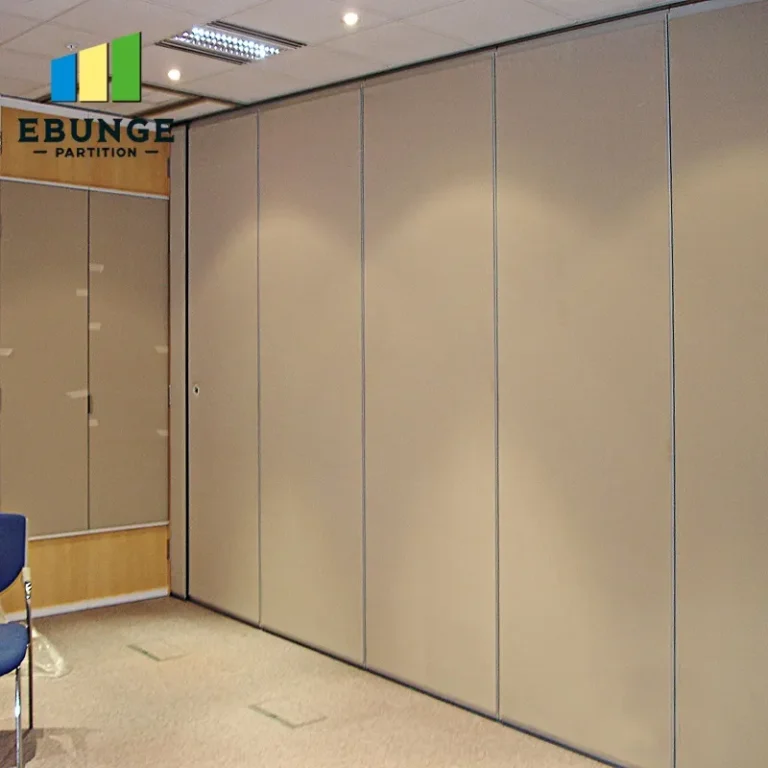
Even the best movable partition acoustic performance can be undermined by poor installation. The panels must fit precisely, and all seals must be correctly aligned. As a contractor, you need to work with a supplier who offers installation guidance or a certified installation team. Ensure that the installation team is experienced with top-hung track systems and understands the importance of perimeter sealing.
During installation, pay attention to the following:
- Alignment of the track and panels.
- Compression of seals to ensure a tight fit.
- Leveling of the track to avoid gaps.
If the supplier provides installation drawings, review them carefully to ensure compatibility with your existing ceiling and floor structure. Proper installation not only enhances acoustic performance but also extends the lifespan of the partition.
Budget and Timeline Considerations for Movable Partition Projects
Budget constraints and project timelines are common concerns. Movable partition acoustic performance is a significant cost driver, but you can optimize without compromising quality. For example, if the client does not require high STC ratings, you can choose a standard panel configuration. However, for conference rooms, it’s wise to invest in better acoustic performance to avoid future issues.
Timeline is also critical. Top-hung track systems are typically custom-made, so lead times can vary. To avoid delays, provide the supplier with accurate opening sizes and drawings as early as possible. Discuss the manufacturing and installation schedule upfront, and factor in time for any necessary adjustments.
Share the opening, drawings, finish direction, and privacy target for a project-specific review.
Compatibility with Existing Space and Design
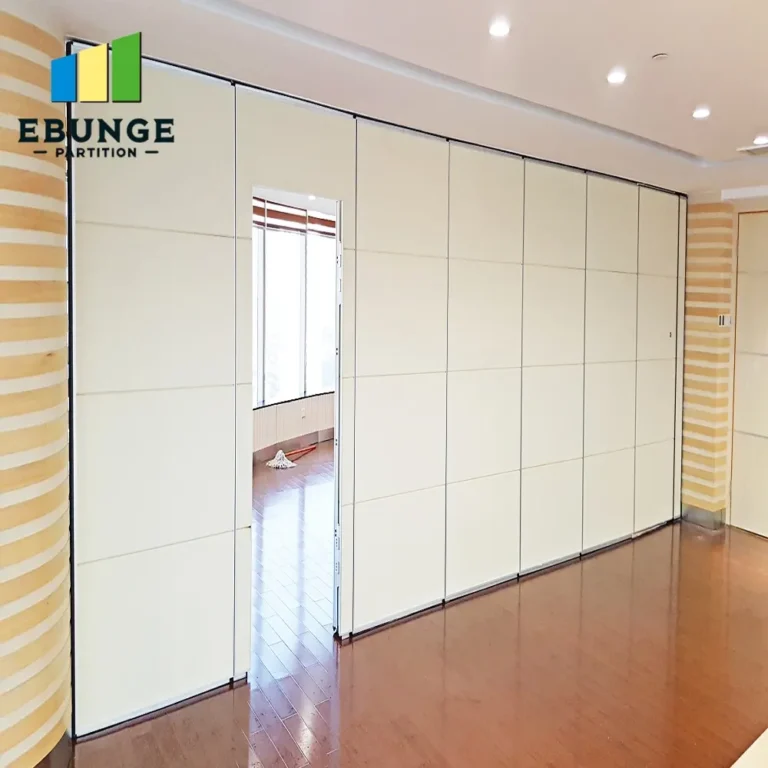
Your conference room may have specific architectural features, such as exposed ductwork or irregular ceiling heights. The movable partition wall must be compatible with these conditions. Custom movable wall solutions can be designed to fit non-standard openings, but this may affect cost and lead time. Work with the supplier to assess the existing space and determine the best approach.
Also, consider the finish and aesthetics. The partition should match the room’s interior design, whether it’s a modern glass finish or a fabric-wrapped panel. Specify the finish preferences in your inquiry to get a tailored quotation.
Warranty and Support: What to Expect
While we cannot invent warranty details, it’s essential to ask the supplier about their warranty terms and after-sales support. A reputable supplier should offer a warranty on the partition system, covering parts and possibly labor. Clarify what is included and the duration. Also, inquire about spare parts availability and maintenance services. This ensures that any issues after installation are resolved promptly.
Preparing Your Inquiry for a Movable Partition Supplier
To get an accurate quotation and ensure the movable partition acoustic performance meets your needs, provide the supplier with comprehensive information. Include the following:
- Opening size (width, height, depth).
- Detailed drawings or architectural plans.
- Acoustic target (STC rating if known).
- Finish preferences (e.g., wood veneer, laminate, fabric).
- Project location and site conditions.
This information allows the supplier to recommend the right acoustic partition solutions and provide a precise quote. It also speeds up the quotation process and reduces the risk of misunderstandings.
Practical Checklist for Selecting Movable Partitions
Here is a checklist to guide you through the selection process:
| Step | Action |
|---|---|
| 1 | Define the acoustic performance needed (STC target). |
| 2 | Measure the opening and ceiling height accurately. |
| 3 | Review STC test reports from the supplier. |
| 4 | Confirm the track system is top-hung without floor rail. |
| 5 | Discuss installation responsibilities and quality checks. |
| 6 | Clarify warranty and support terms. |
| 7 | Provide all project details to the supplier for quotation. |
Frequently Asked Questions
What is a good STC rating for a conference room partition?
For general conference use, an STC of 45 is often sufficient. For confidential discussions, aim for STC 50 or higher. The exact requirement depends on the client’s needs and the ambient noise levels.
Can a movable partition achieve the same acoustic performance as a permanent wall?
Yes, with proper design and installation, movable partitions can achieve similar STC ratings to permanent walls. However, the performance depends on the quality of the seals and the installation precision.
How do I verify the acoustic performance of a movable partition?
Request certified STC test reports from the supplier, and if possible, conduct on-site acoustic testing after installation. Ensure the test configuration matches your project specifications.
What information should I provide to get an accurate quotation?
Provide the opening size, drawings, acoustic target, finish preference, and project location. This helps the supplier recommend the right system and give a precise quote.
Does the top-hung track system affect acoustic performance?
The track system itself does not directly affect acoustic performance, but the seals and the way the panels are suspended do. A well-designed top-hung track ensures proper alignment and sealing, which is crucial for acoustic integrity.
Conclusion: Making an Informed Decision
Selecting the right movable partition acoustic performance for a conference room requires careful consideration of technical requirements, verification methods, and installation quality. By focusing on the application and buyer decisions, you can ensure that the partition meets your client’s needs for sound privacy and acoustic performance. Remember to gather all necessary details, verify STC claims, and communicate openly with the supplier to achieve a successful project outcome.
For more insights on movable partition applications, explore our Movable Partition Applications category or read our blogs for additional guidance. If you’re ready to discuss your project, contact us for a tailored consultation.
Send the opening size and drawings to discuss a differentiated movable partition acoustic performance solution.