
When planning an exhibition hall, the acoustic performance of movable partitions often raises more questions than answers. Architects need clarity on how these walls achieve sound privacy, what affects their performance, and how to verify it before committing to a purchase. This FAQ guide addresses the most common concerns about movable partition acoustic performance, helping you prepare for supplier discussions and quotation requests.
Direct answer: Movable partition acoustic performance is determined by the wall’s construction, sealing details, and installation quality. For exhibition halls, it is crucial to define your acoustic target (e.g., STC or Rw rating), share the opening size and drawings, and request documented test data from the supplier. Always verify that the proposed system meets your specific requirements, and consider the impact of top-hung track systems on performance.
What Does Movable Partition Acoustic Performance Mean for an Exhibition Hall?
In an exhibition hall, movable partitions are often used to divide large spaces into smaller function rooms, meeting areas, or private lounges. The acoustic performance refers to the wall’s ability to reduce sound transmission between these spaces. It is typically measured using Sound Transmission Class (STC) or Weighted Sound Reduction Index (Rw). A higher rating indicates better sound insulation. For exhibition environments, where noise levels can be high, achieving a certain acoustic rating is essential for privacy and comfort.
However, the actual performance depends on more than just the partition panels. The sealing around the edges, the track system, and even the ceiling and floor conditions play a role. A top-hung track system, which eliminates the floor rail, can improve acoustic sealing at the bottom if properly designed with a drop seal.
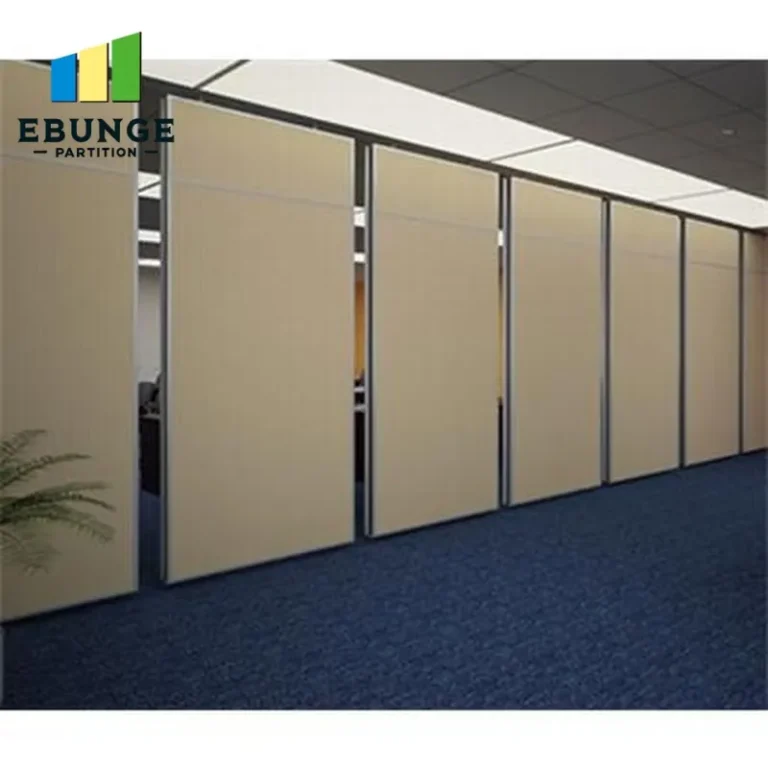
Need help turning the movable partition acoustic performance requirements into a practical project layout?
How Can I Verify the Acoustic Performance of a Movable Partition Wall?
Verification starts with requesting acoustic test reports from the supplier. These reports should be based on standardized testing (e.g., ASTM E90 or ISO 10140) and should clearly state the STC or Rw rating. However, it is important to check if the test was conducted on a specimen that matches your intended configuration, including panel dimensions, glazing, and door openings. If the supplier cannot provide a matching test, ask for a detailed explanation of how the rating was derived.
Additionally, consider on-site testing after installation, especially if the acoustic performance is critical. This can be arranged with an independent consultant. Remember that the installation quality significantly affects the final performance, so ensure the contractor follows the supplier’s guidelines.
What Factors Influence the Acoustic Performance of an Operable Wall System?
Several factors determine how well an operable wall system blocks sound:
- Panel construction: The thickness, mass, and internal damping materials of the panels affect sound insulation. Heavier, denser panels typically perform better.
- Sealing: Acoustic seals at the top, bottom, and vertical joints are critical. Poor seals can create sound leaks, reducing the overall rating.
- Track system: A top-hung track system, like the one used by EBUNGE, allows for a continuous bottom seal without a floor rail, which can improve acoustic integrity.
- Gaps and penetrations: Any gaps around doors, glazing, or utility penetrations must be properly sealed.
For exhibition halls, frequent reconfiguration means the system must maintain its acoustic performance over many cycles. Therefore, durability and consistent sealing are key.
How Does the Installation Timeline Affect My Project Schedule?
The installation timeline for movable partitions can vary based on the complexity of the project. For an exhibition hall, you need to plan for site measurements, manufacturing, and installation. Typically, custom systems require more time than standard ones. To avoid delays, provide accurate opening sizes and drawings early in the process. Also, consider that installation may require coordination with other trades, such as electrical and HVAC, especially if the partition integrates with building systems.
Ask the supplier for a detailed timeline, including lead times for materials and any potential bottlenecks. A reliable supplier will offer a realistic schedule and communicate any risks.
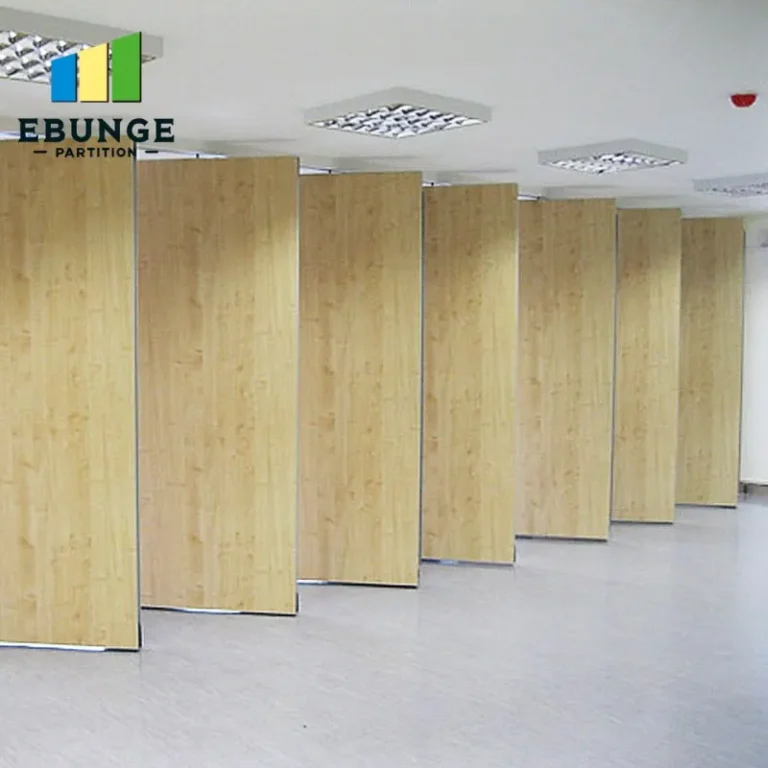
What Are the Durability Considerations for Frequent Reconfiguration?
Exhibition halls often require partitions to be moved frequently. This means the system must withstand repeated operation without losing acoustic performance. Look for features like reinforced steel frames, high-quality hinges, and robust track systems. The top-hung track system is advantageous because it reduces wear on the floor and allows smoother operation. Also, check the warranty terms for moving parts and seals.
Regular maintenance, such as lubricating tracks and replacing worn seals, will extend the life of the system. Ask the supplier about recommended maintenance schedules and the availability of spare parts.
What Are the Maintenance Requirements for Acoustic Partition Solutions?
Maintenance is often overlooked but is essential for long-term performance. For movable partitions, you should plan for:
- Periodic inspection of seals and gaskets.
- Cleaning of tracks and rollers.
- Lubrication of moving parts.
- Immediate repair of any damage to panels or seals.
Some suppliers offer maintenance contracts, which can be beneficial. Discuss this with your supplier to understand the level of support you can expect.
How Does the Cost of a Movable Partition Compare to My Budget?
Cost is a major factor. The price of movable partition acoustic performance depends on the size, material, finish, and acoustic rating. For exhibition halls, you may need custom sizes and finishes, which can increase costs. It is essential to get a detailed quotation that itemizes all components, including track, panels, seals, and installation. Compare quotes from multiple suppliers, but also consider the total cost of ownership, including maintenance and potential replacement.
To ensure you stay within budget, define your acoustic requirements clearly. Sometimes, a slightly lower acoustic rating may be acceptable if the space does not require high privacy. However, be cautious: retrofitting to improve acoustics later is costly.
Share the opening, drawings, finish direction, and privacy target for a project-specific review.
What Building Codes and Compliance Issues Should I Consider?
Building codes may dictate minimum acoustic performance for certain spaces, such as meeting rooms or areas requiring confidentiality. Check local regulations and the project’s specifications. The supplier should be able to provide documentation that their system meets relevant standards. Also, consider fire safety and accessibility requirements, which may affect the partition design.
How Can I Ensure the Partition Integrates with Existing Architecture?
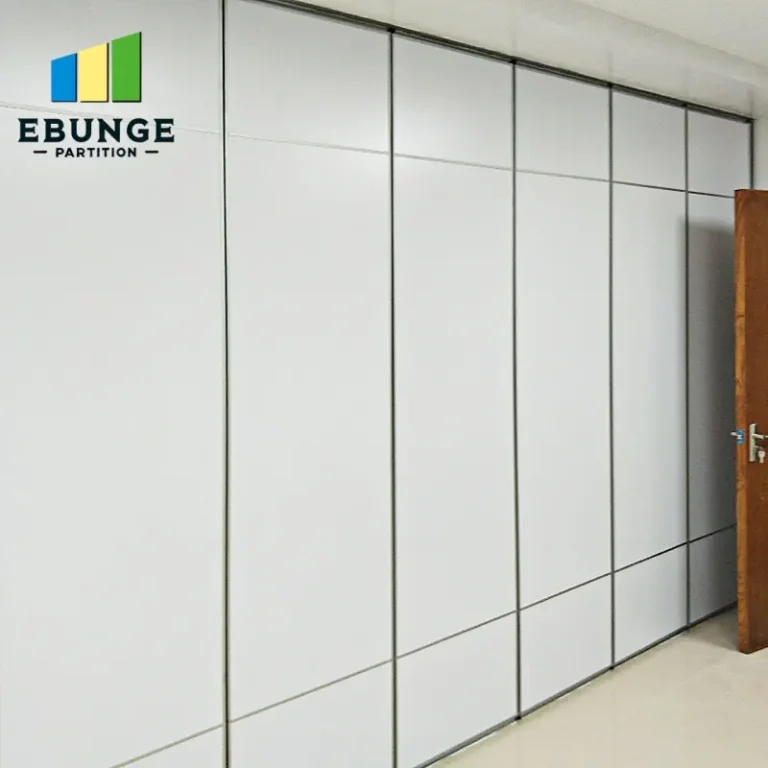
Integration is about aesthetics and function. The partition should complement the architectural style and fit within the existing structure. This includes aligning with ceiling heights, column spacing, and architectural finishes. A custom movable wall can be designed to match your design intent. Work with the supplier to provide detailed drawings and specifications. They can advise on the best approach for your specific site.
What Are the Key Questions to Ask a Movable Partition Acoustic Performance Supplier?
Before contacting suppliers, prepare a list of questions. Here are some to consider:
- What is the acoustic rating of your system, and can you provide test reports?
- How does the top-hung track system affect acoustic performance?
- What is the installation timeline for a project of this size?
- How durable is the system for frequent use?
- What maintenance is required, and do you offer service contracts?
- Can you provide references for similar exhibition hall projects?
- What finishes and customization options are available?
Checklist for Your Movable Partition Acoustic Performance Inquiry
| Item | Details to Include |
|---|---|
| Opening Size | Width, height, and number of openings |
| Drawings | Architectural drawings, floor plans, elevations |
| Acoustic Target | Required STC/Rw rating or specific acoustic goals |
| Finish Preference | Material, color, texture, or specific finish options |
| Project Location | City, site conditions, access for delivery |
| Usage Frequency | How often will the partition be moved? |
| Installation Timeline | Expected project schedule and deadlines |
Conclusion: Make Informed Decisions on Movable Partition Acoustic Performance
Understanding movable partition acoustic performance is crucial for a successful exhibition hall project. By focusing on verification, durability, integration, and cost, you can approach suppliers with confidence. Remember to share your opening size, drawings, acoustic target, finish preference, and project location to receive accurate quotations. For more insights, explore our movable partition wall resources or read our blog articles. If you have specific questions, check our FAQs or contact us for personalized guidance.
Frequently Asked Questions
1. What is a good acoustic rating for an exhibition hall partition?
It depends on your needs. For general separation, STC 40-45 may suffice, but for private meetings, consider STC 50 or higher. Verify with your acoustician.
2. Can I install a movable partition myself?
It is not recommended unless you have specialized skills. Professional installation ensures proper acoustic sealing and operation.
3. How long does installation take?
It varies. For a typical exhibition hall, installation could take from a few days to weeks, depending on size and complexity. Your supplier can provide a timeline.
4. Can the partition be painted or finished to match my design?
Yes, most suppliers offer customizable finishes, including paint, laminate, or fabric. Discuss your preferences with the supplier.
5. What is the warranty on movable partitions?
Warranties vary by manufacturer. Ask for warranty details in writing, covering parts and labor.
Send the opening size and drawings to discuss a differentiated movable partition acoustic performance solution.