
When you are specifying movable acoustic wall supplier selection for hotel ballrooms, the process often feels like a balancing act between design vision and acoustic certainty. As an interior designer, you need a partition that not only divides space elegantly but also delivers reliable sound privacy for events, conferences, and banquets. The challenge is that acoustic performance can vary significantly based on installation, track system, and sealing details. This guide is designed to help you ask the right questions, evaluate suppliers effectively, and prepare a clear brief that leads to accurate quotations and successful project outcomes.
Direct answer: For movable acoustic wall supplier selection for hotel ballrooms, focus on suppliers who offer a top-hung track system without floor rail, provide clear acoustic data based on your specific wall configuration, and demonstrate experience with custom projects. Always request a detailed quotation based on your exact opening size, drawings, acoustic target, finish preference, and project location.
Movable Acoustic Wall Supplier Selection: Why Acoustic Certainty Matters in Hotel Ballrooms
Hotel ballrooms are multifunctional spaces. A single hall may host a wedding reception, a corporate seminar, and a private dinner all in one day. For you, the designer, the ability to divide these spaces with a movable acoustic wall is a game-changer. However, the acoustic performance of such walls is not a given—it depends on the wall’s construction, the seals around the perimeter, and the track system. Without proper planning, sound leakage can undermine the guest experience and your reputation. Therefore, your supplier selection process must prioritize acoustic transparency and technical competence.
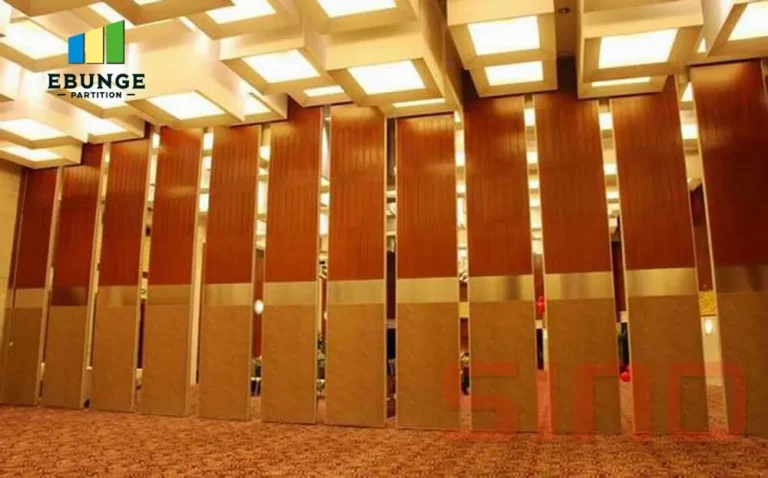
Need help turning the movable acoustic wall supplier selection requirements into a practical project layout?
Understanding the Top-Hung Track System Advantage
One of the first technical decisions you will face is the track system. A top-hung track system, where the wall is suspended from an overhead rail, offers several benefits for hotel ballrooms. It eliminates the need for a floor rail, which can disrupt the floor finish and create tripping hazards. This is particularly important in ballrooms where the floor is often a feature—think polished marble or intricate parquet. A top-hung system also allows for easier cleaning and maintenance. However, it requires adequate structural support in the ceiling, so you must verify the building’s load-bearing capacity early in the design phase.
Key Technical Requirements to Discuss with Suppliers
When you start conversations with potential suppliers, come prepared with a list of technical specifications. These include the opening size (width and height), the number of panels required, the stacking space available, and the desired acoustic rating (e.g., STC or Rw). You should also discuss the wall’s weight, the operating mechanism (manual or motorized), and the fire rating if applicable. Do not assume that a supplier’s standard product will fit your project; custom movable walls are often necessary to meet specific dimensions and performance criteria.
Acoustic Performance: What to Ask For
Acoustic performance is the heart of your concern. Ask for test reports from accredited laboratories, but remember that these are based on standardized conditions. Your actual installation may differ due to flanking paths, ceiling plenum, or wall construction. Therefore, ask the supplier how they will achieve the target acoustic rating on-site. What type of perimeter seals will be used? How are the panel joints designed? What is the installation process to minimize sound leaks?
Customization Capability: Matching Your Design Vision
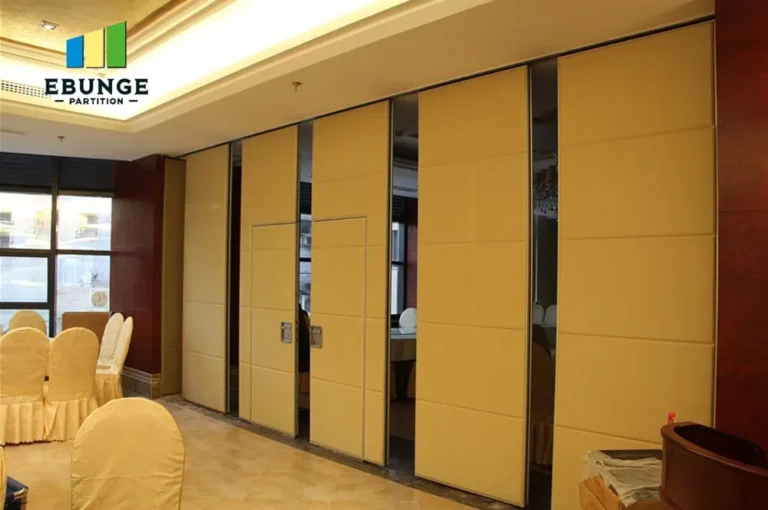
Your ballroom has a unique aesthetic, and the movable wall should complement it. Inquire about finish options: wood veneers, laminates, fabric wraps, or paint. Can the supplier match a specific color or pattern? Are there options for integrated doors or vision panels? A supplier with strong customization capability can help you create a seamless look that enhances the overall design.

Evaluating Supplier Credibility and Experience
Supplier credibility is non-negotiable. Look for established manufacturers with a portfolio of hotel projects. Ask for references and, if possible, visit completed installations. Check if they have certifications such as ISO 9001 for quality management, but do not rely solely on certificates. The best evidence of reliability is a track record of delivering on time and within budget. Also, consider their after-sales support: what is their response time for maintenance or repairs? Do they offer spare parts?
Installation Complexity and Coordination
Installation of a movable acoustic wall is not a simple drop-in. It involves coordination with other trades: ceiling construction, electrical work, and sometimes HVAC. Ask the supplier how they manage installation logistics. Do they provide a dedicated project manager? What is the typical installation timeline for a ballroom-sized project? Understanding the complexity upfront helps you plan the construction schedule and avoid delays.
Cost Transparency and Quotation Readiness
Cost is always a factor, but transparency is more important. A detailed quotation should break down the costs of materials, hardware, installation, and any customization. Be wary of suppliers who give a low initial estimate and then add surcharges later. To get an accurate quote, you must provide complete information: opening dimensions, drawings (including ceiling and floor details), acoustic target, finish preferences, and project location. This is where your preparation pays off.
What to Include in Your Inquiry
When you contact suppliers, include the following in your inquiry:
- Exact opening size (width, height, depth)
- Architectural drawings (plan, elevation, section)
- Acoustic target (e.g., STC 50)
- Finish preference (material, color, pattern)
- Project location (for site visit and logistics)
- Expected installation timeline
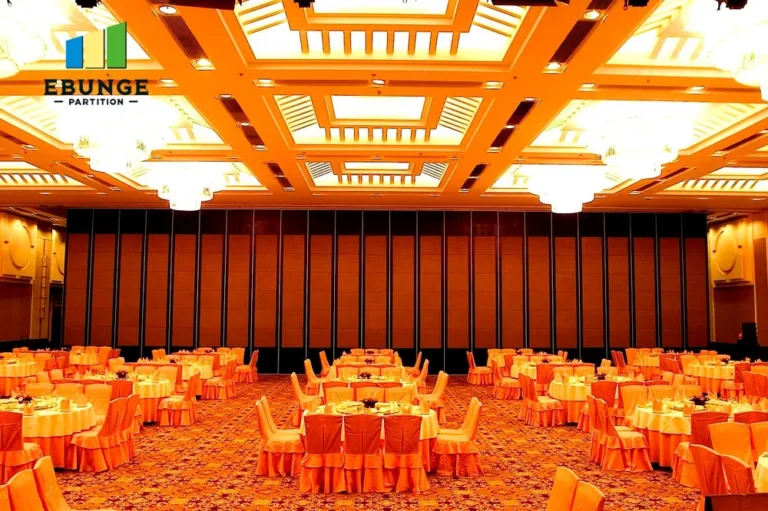
Share the opening, drawings, finish direction, and privacy target for a project-specific review.
After-Sales Support and Warranty Considerations
After the installation, you need to know that the supplier will stand behind their product. Ask about warranty terms and what they cover: parts, labor, or both? How long is the warranty period? Also, inquire about maintenance requirements. A movable wall is a mechanical system that needs periodic checks. Does the supplier offer a service contract? Reliable after-sales support can save you from costly repairs later.
Delivery Timeline and Project Planning
Delivery timelines can make or break your project schedule. Discuss the lead time for manufacturing and delivery. Custom walls may take longer, so factor that into your planning. Ask the supplier for a production schedule and how they handle delays. A realistic timeline helps you coordinate with other contractors and avoid costly downtime.
Compatibility with Existing Decor and Future Flexibility
Finally, consider how the movable wall will integrate with the existing decor. Will it clash with the ceiling design or lighting fixtures? Can it be easily reconfigured or expanded in the future? A flexible system that allows for different room configurations is a valuable asset for hotel operators. Discuss the stacking options and whether additional panels can be added later.
Practical Checklist for Supplier Selection
To streamline your decision-making, use this checklist when evaluating suppliers:
| Criterion | Questions to Ask |
|---|---|
| Acoustic data | Do you have test reports? How will you achieve the target rating on-site? |
| Track system | Is it top-hung without floor rail? What are the structural requirements? |
| Customization | Can you match specific finishes? Are custom sizes available? |
| Installation | Who manages installation? What is the typical timeline? |
| After-sales | What is the warranty? Do you offer maintenance contracts? |
| Cost transparency | Can you provide a detailed breakdown? Are there hidden costs? |
Conclusion
Movable acoustic wall supplier selection for hotel ballrooms is a critical decision that affects both functionality and aesthetics. By focusing on acoustic performance, technical details, and supplier credibility, you can mitigate risks and ensure a successful project. Prepare a comprehensive brief, ask the right questions, and choose a partner who demonstrates expertise and transparency. The right supplier will not only deliver a high-quality product but also support you throughout the installation and beyond.
Frequently Asked Questions
What is the typical acoustic rating for a movable wall in a hotel ballroom?
Acoustic ratings vary, but common targets range from STC 40 to STC 55. The exact rating depends on the wall construction, seals, and installation. Always confirm the rating based on your specific configuration.
Can a movable wall be installed without a floor rail?
Yes, top-hung track systems are designed to operate without a floor rail, providing a clean floor finish and easier maintenance. However, they require adequate overhead structural support.
How long does it take to install a movable wall in a ballroom?
Installation time varies based on project size and complexity. A typical ballroom installation may take several days to a few weeks. Ask your supplier for a detailed schedule.
What information do I need to provide for an accurate quotation?
You should provide the opening size, architectural drawings, acoustic target, finish preferences, and project location. The more detailed your brief, the more accurate the quote.
Can the movable wall be customized to match the hotel’s decor?
Yes, most suppliers offer a range of finishes including wood veneers, laminates, and fabrics. Custom colors and patterns are often possible. Discuss your design requirements with the supplier.
For more insights on movable partition walls, explore our movable partition wall resources. If you need guidance on specific projects, visit our contact page to speak with our team. You can also check our blog for additional articles on acoustic solutions, or learn more about our manufacturing capabilities in our Movable Partition Manufacturer category.
For this buyer review, movable acoustic wall supplier selection should be checked against the confirmed opening, drawings, operating plan, and project specification.
Send the opening size and drawings to discuss a differentiated movable acoustic wall supplier selection solution.