
When planning a hotel banquet hall, the movable acoustic wall supplier selection for hotel ballrooms is a decision that directly affects guest experience and operational flexibility. As an interior designer, you need a partner who understands acoustic performance, structural constraints, and installation logistics. This guide focuses on the practical steps to evaluate suppliers, prepare for quotations, and ensure your project meets both design and acoustic goals.
Direct answer: To select a movable acoustic wall supplier for hotel ballrooms, prioritize suppliers who provide transparent acoustic data (STC ratings), offer top-hung track systems without floor rails, have experience with custom finishes, and can coordinate international shipping. Request detailed quotations based on your specific opening size, drawings, and acoustic target.
Movable Acoustic Wall Supplier Selection: Why Hotel Ballrooms Require Specialized Acoustic Solutions
Hotel ballrooms are multifunctional spaces that host weddings, conferences, and banquets, often simultaneously. The ability to divide the space into smaller rooms with sound isolation is critical. Unlike office partitions, ballroom walls must handle high ceilings, heavy usage, and aesthetic demands. A movable partition wall must not only block sound but also integrate seamlessly with the interior design.
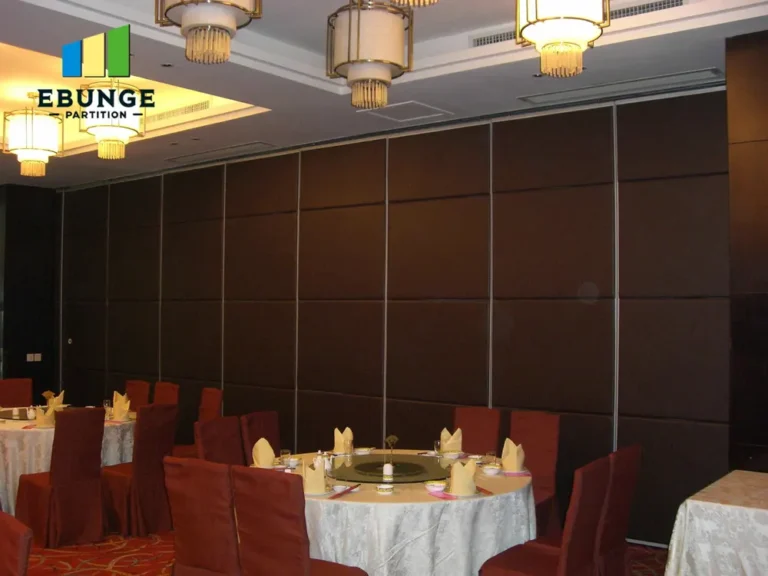
Acoustic performance is measured by Sound Transmission Class (STC). For ballrooms, an STC of 50 or higher is typical to prevent sound leakage between adjacent events. However, the actual performance depends on the wall’s construction, seals, and installation. A reliable supplier will provide test reports and explain how their system achieves the rating.
Need help turning the movable acoustic wall supplier selection requirements into a practical project layout?
Key Technical Requirements to Discuss with Suppliers
Before contacting suppliers, define your project’s technical specifications. This includes the opening size (width and height), ceiling structure, floor conditions, and desired acoustic rating. An operable wall system must be engineered to fit your exact dimensions and load capacity.
Structural Load and Top-Hung Track Systems
Top-hung track systems, where the wall is suspended from an overhead track, are preferred in ballrooms because they eliminate floor rails, allowing seamless flooring and easier cleaning. However, this requires the ceiling structure to support the wall’s weight. Confirm the load capacity of your building’s structure and discuss with the supplier how they distribute the load.
Ask for a structural engineer’s review if needed. The supplier should provide installation drawings and specifications that align with your building’s design.
Assessing Acoustic Performance: STC Ratings and Beyond
STC ratings are a starting point, but they don’t tell the whole story. In real-world conditions, sound can leak through gaps, seals, and flanking paths. A good supplier will explain their sealing mechanisms, such as perimeter seals and vertical seals between panels. They should also provide field test data or reference projects.
For hotel ballrooms, consider the frequency range of noise, such as bass from music. Some suppliers offer higher performance with double-glazed panels or additional mass. However, these may increase weight and cost. Balance your acoustic target with budget and structural constraints.
Finish Options and Customization for Interior Design
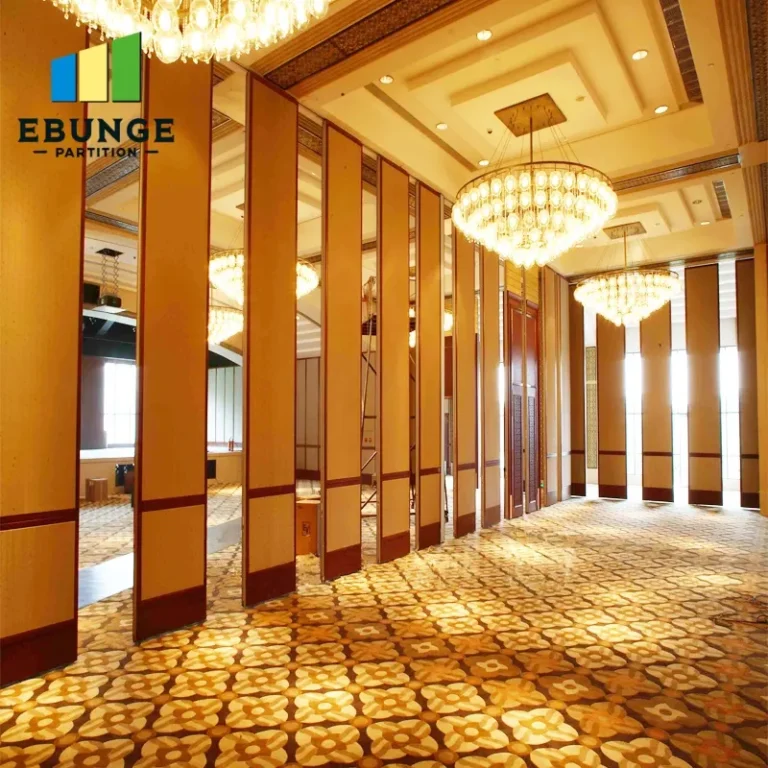
The wall’s finish must complement your design vision. Suppliers typically offer a range of finishes, including wood veneers, laminates, fabric, and painted surfaces. Custom colors and textures are possible, but they may affect cost and lead time.
Discuss the finish compatibility with the acoustic performance. For example, fabric finishes can absorb sound, reducing reverberation, but they may require more maintenance. Ensure the supplier provides samples and confirms that the finish does not compromise the STC rating.
Installation Timeline and Project Coordination
Installation of movable walls can take several days to weeks, depending on the size and complexity. A reliable supplier will provide a detailed timeline and coordinate with other trades, such as electricians and ceiling installers. Ask about their installation team’s experience with hotel projects and whether they have local partners for international work.
For international shipping, clarify incoterms, packaging, and customs clearance. The supplier should have experience exporting and be able to provide documentation for import.
Supplier Reliability and After-Sales Support
Choose a supplier with a proven track record in hospitality projects. Ask for references and case studies, but do not rely solely on marketing materials. Contact previous clients to inquire about the supplier’s responsiveness, problem-solving, and after-sales service.
After installation, you may need replacement parts or adjustments. Ensure the supplier offers a warranty and has a service network. Clarify the warranty terms and what is covered, such as seals and moving parts.
Share the opening, drawings, finish direction, and privacy target for a project-specific review.
Preparing for Quotation: Information to Share
To get accurate quotes, provide suppliers with comprehensive information. This includes:
- Opening size (width, height, thickness of walls)
- Architectural drawings (floor plans, sections)
- Acoustic target (STC or sound insulation class)
- Finish preferences (samples or codes)
- Project location and site conditions
- Expected installation timeline
This will help suppliers tailor their proposals and avoid delays. A detailed RFQ (Request for Quotation) will also make it easier to compare offers.
Comparing Proposals: What to Look For
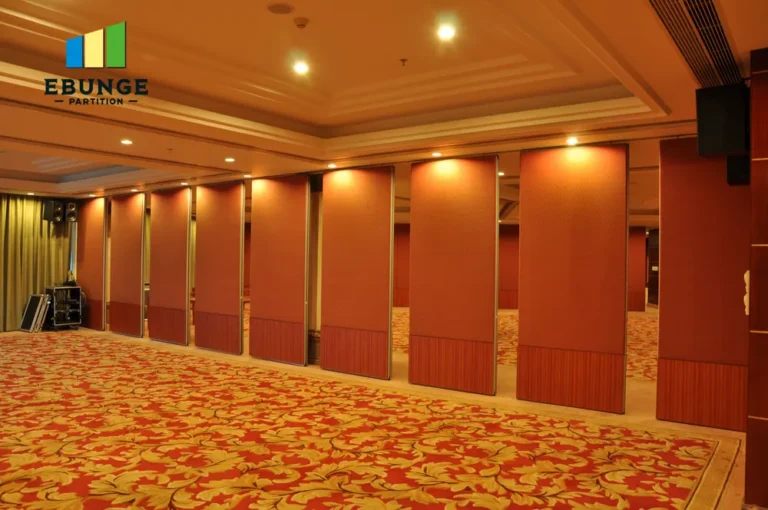
When reviewing proposals, look beyond the price. Consider the total cost of ownership, including shipping, installation, and maintenance. Check the technical specifications, such as panel thickness, weight, and sealing system. Verify that the acoustic rating is backed by tests.
| Criteria | Supplier A | Supplier B |
|---|---|---|
| STC rating | 50 | 52 |
| Track system | Top-hung | Top-hung |
| Finish options | Wood, laminate | Fabric, wood |
| Lead time | 8 weeks | 10 weeks |
| Warranty | 2 years | 3 years |
Use a comparison matrix to evaluate each supplier objectively. Do not hesitate to ask for clarifications or additional data.
Common Pitfalls in Supplier Selection
One common mistake is focusing solely on price. Cheaper options may have lower acoustic performance or require more maintenance. Another pitfall is ignoring the installation quality. Even the best wall will underperform if installed incorrectly.
Ensure the supplier provides installation supervision or training for your team. Also, check if they offer a site survey to verify the opening measurements and structural conditions.
Conclusion
The movable acoustic wall supplier selection for hotel ballrooms is a strategic decision. By focusing on technical specifications, supplier reliability, and detailed communication, you can find a partner that delivers a high-performing, aesthetically pleasing solution. Remember to share all necessary information with suppliers and compare proposals based on value, not just cost. For more insights, explore our movable partition wall resources or contact our team for personalized guidance.
Frequently Asked Questions
What STC rating is recommended for hotel ballrooms?
Typically, an STC of 50 or higher is recommended for ballrooms to ensure adequate sound isolation between rooms. However, the exact rating depends on the specific noise levels and activities. Consult with your acoustician to determine the target.
How long does installation take?
Installation time varies based on the project size and complexity. A single wall might take a few days, while a large ballroom with multiple walls could take several weeks. Ask your supplier for a detailed schedule.
Can the finish be customized to match my design?
Yes, most suppliers offer a variety of finishes, including custom colors and materials. However, custom finishes may affect the acoustic performance and cost. Always test samples with your design team.
Do you provide international shipping?
Many suppliers export internationally. Ensure they have experience with shipping and customs. Discuss incoterms and packaging to avoid surprises.
What maintenance is required?
Movable walls require regular inspection of seals and tracks. Cleaning instructions depend on the finish. Ask your supplier for a maintenance manual.
For further reading, check our blog for tips on acoustic solutions, or view our manufacturer category to see our range. If you have specific questions, feel free to contact us.
For this buyer review, movable acoustic wall supplier selection should be checked against the confirmed opening, drawings, operating plan, and project specification.
Send the opening size and drawings to discuss a differentiated movable acoustic wall supplier selection solution.