
When planning a school hall renovation or new build, understanding movable acoustic wall cost factors for school halls is essential for accurate budgeting and avoiding surprises during procurement. As an architect, you need to balance acoustic performance, durability, and aesthetics within a tight educational budget. This guide breaks down the key cost drivers, from custom sizing to installation complexity, so you can prepare a clear quotation request and make informed decisions for your client.
Quick answer: Movable acoustic wall costs for school halls are influenced by wall dimensions, acoustic rating, finish, track system, and installation requirements. A typical operable wall system can range from $100 to $400 per square foot, but exact pricing depends on your specific project specs. To get an accurate quote, share your opening size, drawings, acoustic target, finish preference, and project location with suppliers.
Why Movable Acoustic Wall Cost Factors Vary for School Halls
Unlike standard partitions, movable acoustic walls are engineered to provide sound insulation while being flexible for space division. For school halls, these walls must also withstand heavy use, meet safety codes, and integrate with existing architecture. The cost factors include materials, engineering, hardware, and labor—each varying based on your requirements.
For instance, a taller wall or a larger opening increases material and engineering costs. Custom shapes or curved tracks add complexity. Acoustic performance, measured by Sound Transmission Class (STC), directly impacts cost: higher STC ratings require denser cores, additional seals, and precise construction. Finishes like tackable surfaces or whiteboards also raise the price.
Understanding these variables helps you compare quotes and avoid underestimating the budget. The key is to define your needs clearly and ask suppliers for itemized breakdowns.
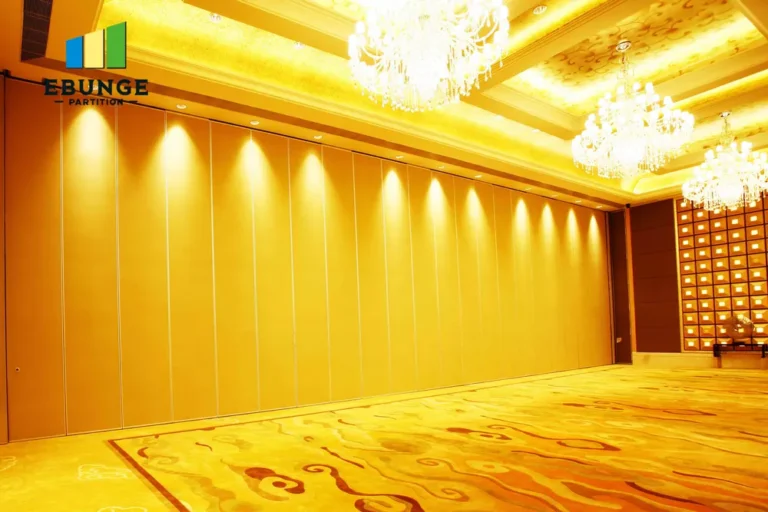
Need help turning the movable acoustic wall cost factors requirements into a practical project layout?
Key Cost Drivers: Size, Customization, and Acoustic Performance
Size and Configuration
The primary cost driver is the size of the opening. Larger walls require more materials and heavier hardware. Standard sizes are more economical, but school halls often need custom dimensions. A top-hung track system, which supports the wall from above without a floor rail, can accommodate large spans but may require structural reinforcement—adding to installation costs.
Customization and Finishes
Custom movable walls for school halls might include curved panels, integrated doors, or specialized finishes such as magnetic whiteboards or cork boards. These features increase costs but enhance functionality. For example, a tackable surface is popular in classrooms but adds $5–$10 per square foot.
Acoustic Performance
Acoustic partition solutions are rated by STC. A standard wall might have an STC of 35–40, while a high-performance wall for music rooms or auditoriums could require STC 50+. Higher ratings demand more mass and better edge seals, escalating costs. Always specify your acoustic target to get accurate quotes.
Remember, the cheapest option is not always the best value. Consider the long-term benefits of durability and acoustic performance in a school environment.
Installation Complexity: What to Budget For
Installation is a significant part of the movable acoustic wall cost. Factors include:
- Site conditions: Uneven floors or ceilings, limited access, or existing structures can increase labor time.
- Track system: Top-hung tracks require precise alignment and structural support. Floor rails are simpler but less aesthetically pleasing and can be a trip hazard.
- Integration: If the wall must integrate with fire alarms, lighting, or HVAC, additional coordination is needed.
Ask your supplier for an installation plan and whether their quote includes labor, rigging, and site cleanup. Some suppliers offer installation guidance, while others rely on local contractors. Clarify this to avoid unexpected costs.
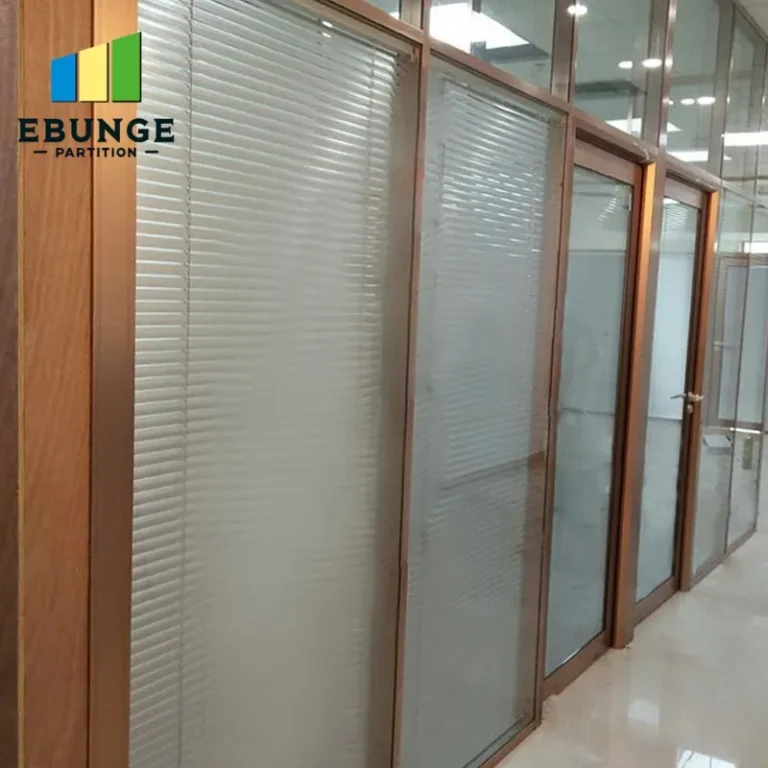
Acoustic Performance Warranty and Maintenance
Warranties on acoustic performance are rare; most cover parts and workmanship. Ensure you understand what is covered and for how long. Maintenance is another cost factor: moving parts, seals, and tracks need periodic checks. A well-maintained wall can last 20+ years, but neglect can lead to costly repairs.
Ask about recommended maintenance schedules and the availability of replacement parts. For school halls, where walls are used frequently, choose a system known for reliability and easy servicing.
Delivery and Import Costs
If you are sourcing from overseas, factor in shipping, customs, and import taxes. These can add 10–20% to the product cost. Lead times are also longer, impacting your project timeline. Ask suppliers for delivery estimates and whether they handle logistics or if you need a freight forwarder.
Some suppliers, like [Acoustic Partition](https://acoustic-partition.com/movable-partition-wall/), may offer global shipping, but costs vary. Always get a detailed quote including all fees.
Project Timeline Impact
Movable acoustic walls are typically manufactured to order, with lead times of 6–12 weeks. Custom designs extend this. If your project is on a tight schedule, consider standard sizes and finishes to speed up production. Communicate your deadline to suppliers and confirm they can meet it.
Delay costs can be significant, so plan ahead and order early. This is especially important for school projects that must be ready for the academic year.
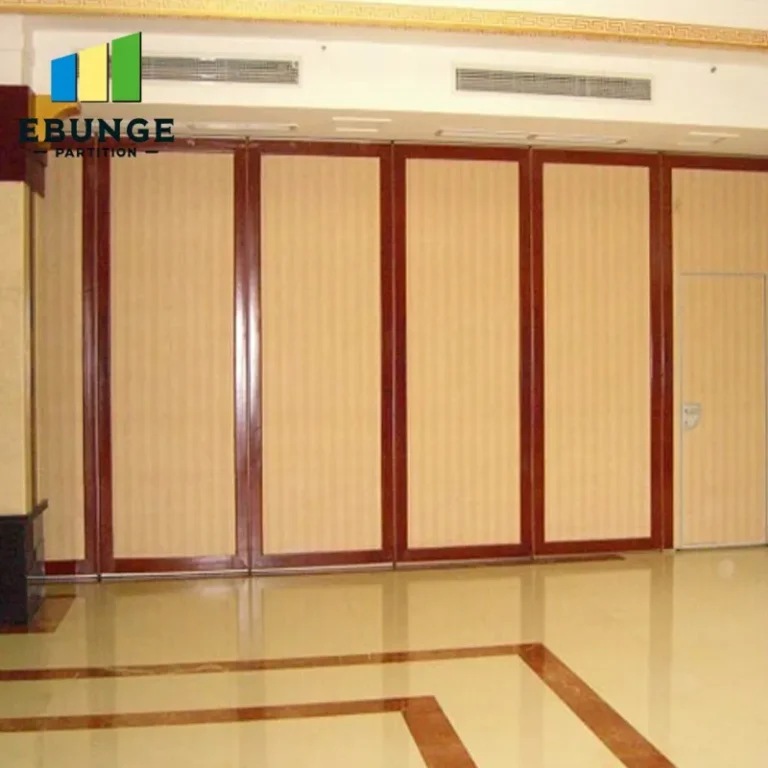
Share the opening, drawings, finish direction, and privacy target for a project-specific review.
Supplier Reliability: Why It Matters for Your Budget
Choosing a reliable supplier is crucial. A low bid from an unknown company might lead to quality issues, delays, or poor after-sales support. Look for suppliers with experience in school projects and positive reviews. Ask for references and case studies. A dependable supplier can help you avoid cost overruns and ensure your wall meets specifications.
When comparing quotes, check if they include engineering, hardware, and installation. Some suppliers offer comprehensive packages, while others provide only materials. Read the fine print.
How to Get Accurate Quotes: A Checklist
To receive comparable quotes, provide suppliers with:
- Opening size (width, height, depth)
- Architectural drawings (if available)
- Acoustic target (STC rating)
- Finish preference (e.g., laminate, veneer, tackable)
- Door requirements (if any)
- Project location and access details
- Timeline and installation expectations
This information ensures suppliers can give accurate estimates. Also, ask for a breakdown of costs: materials, hardware, engineering, shipping, and installation. This transparency helps you compare apples to apples.
Comparison Table: Standard vs. Custom Movable Acoustic Walls
| Aspect | Standard | Custom |
|---|---|---|
| Cost per sq ft | Lower | Higher |
| Lead time | Shorter | Longer |
| Acoustic performance | Fixed options | Tailored to needs |
| Finish options | Limited | Extensive |
| Installation complexity | Simpler | More complex |
For many school halls, a semi-custom approach—standard panels with custom dimensions—offers a balance of cost and functionality.
Conclusion: Preparing Your Budget and Inquiry
In summary, movable acoustic wall cost factors for school halls are multifaceted. By understanding size, customization, acoustic needs, installation, and supplier reliability, you can budget effectively. When contacting suppliers, be specific about your project. Share your opening size, drawings, acoustic target, finish preference, and location. This will help you get precise quotes and avoid surprises.
For more insights on movable partition walls, explore our [blog](https://acoustic-partition.com/blogs/) and [cost category](https://acoustic-partition.com/category/Movable%20Partition%20Cost/). If you have specific questions, feel free to [contact us](https://acoustic-partition.com/contact/).
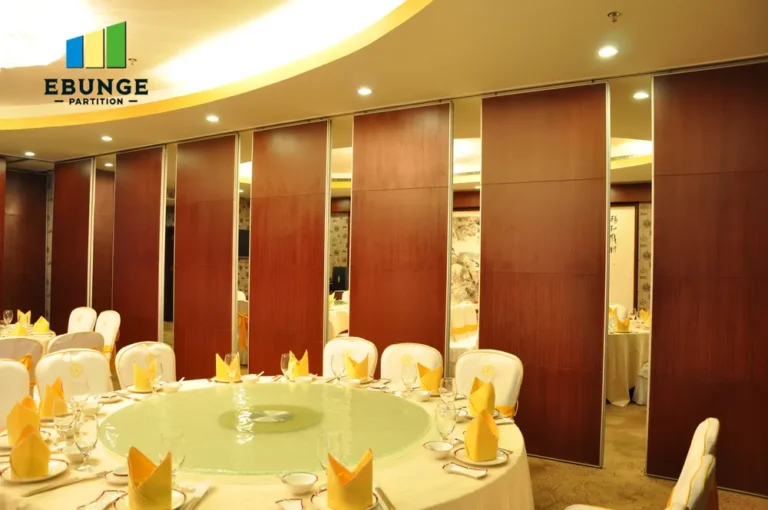
Frequently Asked Questions
What is the typical cost range for a movable acoustic wall?
Costs vary widely based on size, STC rating, and finish. Generally, expect $100–$400 per square foot, but get quotes for your specific project.
How does custom sizing affect the cost?
Custom sizes require more engineering and materials, increasing costs by 10–30%. Standard sizes are more economical.
Do I need to hire a specialist installer?
Yes, proper installation is critical. Some suppliers offer installation services or can recommend certified installers.
What warranty should I expect?
Typically, parts and workmanship are covered for 1–5 years. Acoustic performance is rarely warranted, so ensure the wall meets specs before installation.
How long does delivery take?
Lead times are usually 6–12 weeks, depending on customization and shipping. Plan accordingly.
Can I get a movable acoustic wall with a tackable surface?
Yes, many suppliers offer tackable surfaces, but this adds to the cost. Specify your finish needs.
For this buyer review, movable acoustic wall cost factors should be checked against the confirmed opening, drawings, operating plan, and project specification.
Send the opening size and drawings to discuss a differentiated movable acoustic wall cost factors solution.