
For architects planning school hall projects, the movable acoustic wall cost factors for school halls often dominate early budget discussions, yet quotations can vary significantly depending on how requirements are specified. When you review cost factors for operable wall systems, you are not just comparing prices; you are evaluating how design decisions affect installation, acoustics, and long-term value. This guide helps you prepare for accurate quotations by focusing on the technical and procurement details that influence movable acoustic wall cost factors for school halls. We will walk through the key elements that shape pricing, from opening size and acoustic targets to finish preferences and project location, so you can approach suppliers with clarity and confidence.
In short, movable acoustic wall cost factors for school halls depend on the wall’s size, acoustic performance requirements, customization level, installation complexity, and the supplier’s support services. To get a reliable quote, you need to provide your opening dimensions, architectural drawings, desired acoustic rating, finish choices, and project site details. Prices are not set in stone; they are based on a detailed assessment of your specific project needs.
Why Movable Acoustic Wall Cost Factors Vary by Project
Understanding cost drivers is essential for budget planning. The total cost of a movable partition wall system is influenced by several technical and logistical elements. For school halls, where flexibility and acoustics are critical, the following factors often have the most significant impact:
- Opening size and configuration: Larger spans require more panels, heavier structural support, and potentially more complex engineering.
- Acoustic performance target: Higher sound insulation ratings (e.g., STC or Rw values) demand denser materials, better seals, and more precise installation.
- Finish and customization: Custom colors, veneers, or special surface treatments add cost.
- Operation type: Manual vs. motorized systems, and the choice of top-hung track without floor rail, affect both materials and installation.
- Installation complexity: Site conditions, ceiling height, and integration with existing structure influence labor time.
- Logistics and location: Shipping distance and access to the site can affect delivery costs.
Each project must be evaluated individually, as these factors interact. For example, a large opening with a high acoustic rating will require more robust engineering than a smaller, standard partition.
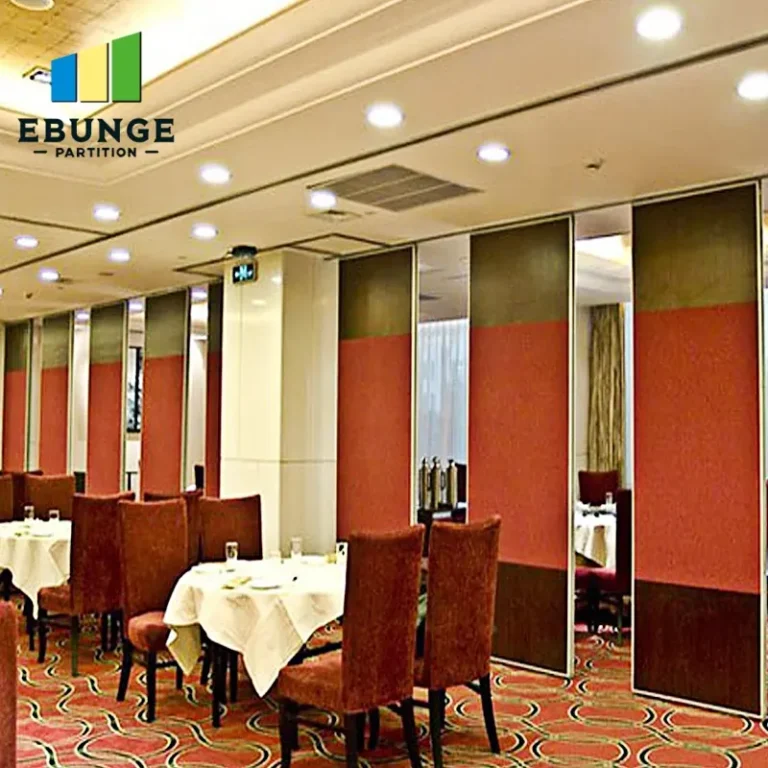
Need help turning the movable acoustic wall cost factors requirements into a practical project layout?
Preparing Your Project Details for Accurate Quotations
To receive a precise quote, you need to provide suppliers with comprehensive information. The more detailed your brief, the fewer surprises later. Here is what to prepare:
- Opening size: Exact width and height of the space to be divided, including any deviations from standard dimensions.
- Architectural drawings: Floor plans, elevations, and sections that show the wall location, ceiling details, and structural supports.
- Acoustic target: The required sound insulation rating (e.g., STC 50) based on the intended use of the divided spaces.
- Finish preference: Paint, laminate, wood veneer, or other finishes, including color and texture.
- Project location: The site address and any special access considerations.
- Timeline: Expected installation date and any constraints that might affect scheduling.
Having this information ready not only speeds up the quotation process but also ensures that you are comparing like-for-like proposals from different suppliers.
How Acoustic Targets Influence Cost
Acoustic performance is a major cost driver. The higher the required sound insulation, the more materials and engineering are needed. For school halls, where activities range from assemblies to exams, a balance between flexibility and acoustics is crucial. A standard partition might have a lower rating, but if you need to contain noise from music or drama, you will need a higher performance system. This often involves thicker panels, additional seals, and more robust track systems. These enhancements increase material costs and installation complexity. It is important to define your acoustic needs clearly, as over-specifying can lead to unnecessary expense, while under-specifying may result in inadequate performance.
Customization Options and Their Cost Implications
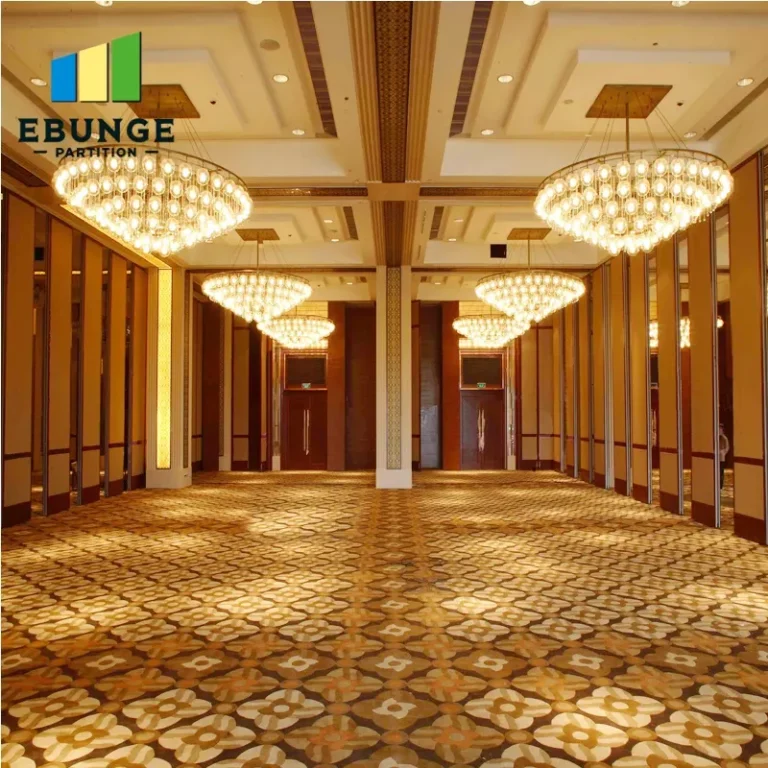
Custom movable walls offer design flexibility but come with additional costs. Standard finishes are usually more economical, while custom colors, wood veneers, or acoustic panels with special fabrics can raise the price. Moreover, if you require non-standard panel sizes or unique configurations, engineering and manufacturing costs will increase. For school halls, you might want to match the wall finish to existing interior design, which is a reasonable customization. However, be aware that each customization adds to the overall cost. Discuss with your supplier what is included in the base price and what is considered an upgrade.
Installation Complexity: Top-Hung Track and Site Conditions
The installation method significantly affects cost. Our EBUNGE system uses a top-hung track without a floor rail, which offers a clean floor surface and easier maintenance. However, this requires precise ceiling structure to support the weight of the panels. If your school hall has a suspended ceiling or limited headroom, additional reinforcement may be needed, increasing installation time and cost. Site conditions, such as access to the area, existing flooring, and the presence of utilities, also play a role. A straightforward installation in a new building is less costly than a retrofit in an occupied school. Always have a site survey conducted to identify potential challenges early.
Comparing Suppliers: What to Look for in a Quotation
When evaluating quotations, do not just look at the bottom line. Consider the scope of supply, quality of materials, and after-sales support. A detailed quotation should include:
- Product specifications, including panel thickness, materials, and acoustic rating.
- Delivery and installation terms.
- Warranty coverage and duration.
- After-sales service, such as maintenance guidance and spare parts availability.
- Project timeline and milestones.
Ask each supplier to provide a breakdown of costs, so you can compare apples to apples. Also, check if they offer project coordination, including drawings and installation guidance, which can save you time and reduce errors.
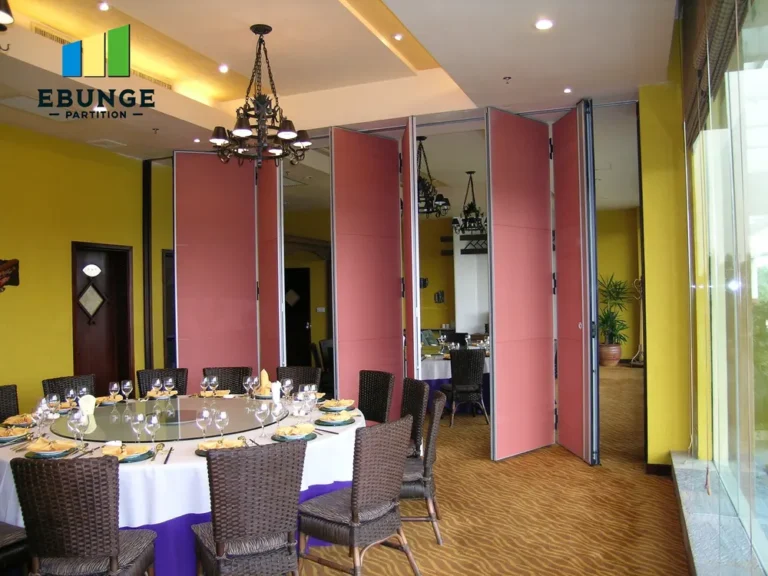
Share the opening, drawings, finish direction, and privacy target for a project-specific review.
Total Cost of Ownership: Beyond the Initial Quote
The initial purchase price is only part of the total cost. Consider the long-term costs of operation and maintenance. A well-designed movable partition wall should operate smoothly for many years with minimal upkeep. Factors such as the quality of seals, track components, and panel surfaces affect durability. A cheaper product might require more frequent repairs or replacements, leading to higher total cost of ownership. In a school environment, where walls are used frequently, investing in a robust system can be more economical in the long run. Ask suppliers about the expected lifespan and maintenance requirements.
Checklist: Key Cost Factors to Review
| Factor | What to Consider |
|---|---|
| Opening size | Exact dimensions; larger spans increase material and engineering costs. |
| Acoustic rating | Higher STC/Rw values require more materials and precision. |
| Finish options | Standard finishes are cheaper; custom colors or veneers add cost. |
| Operation type | Manual vs. motorized; top-hung track without floor rail affects installation. |
| Installation complexity | Ceiling structure, site access, and existing conditions. |
| Supplier support | Includes drawings, installation guidance, warranty, and after-sales service. |
Warranty and After-Sales Support: A Cost Consideration
Warranty and after-sales support are often overlooked but are vital for protecting your investment. A comprehensive warranty covers defects in materials and workmanship, giving you peace of mind. Additionally, responsive after-sales support ensures that any issues are resolved quickly, minimizing downtime. When comparing quotes, ask about the warranty terms and what is covered. Some suppliers offer extended warranties at an additional cost, which might be worth considering for high-traffic environments like schools.
Conclusion: Making Informed Decisions on Movable Acoustic Wall Cost Factors
Reviewing movable acoustic wall cost factors for school halls requires a thorough understanding of your project requirements and the variables that influence pricing. By preparing detailed information, comparing quotations on an equal basis, and considering total cost of ownership, you can make a decision that balances budget with performance. Remember to engage suppliers early, provide them with complete drawings and specifications, and ask for references or case studies from similar school projects. The right partition system will enhance the flexibility of your school hall while meeting acoustic needs for years to come.
Frequently Asked Questions
What information do I need to provide for a movable wall quotation?
Provide the opening size (width and height), architectural drawings, desired acoustic rating, finish preferences, and project location. This ensures accurate pricing and avoids delays.
How does the acoustic rating affect the cost of a movable partition wall?
Higher acoustic ratings require denser materials, better seals, and more precise installation, which increases material and labor costs. Define your acoustic needs to avoid over-specifying.
Are custom finishes more expensive for operable wall systems?
Yes, custom colors, veneers, or special surfaces typically add to the cost. Standard finishes are more economical, but customization may be necessary to match your design.
Why is installation complexity a cost factor?
Complex installations, such as those requiring ceiling reinforcement or difficult site access, increase labor time and may require additional materials, raising the overall cost.
What should I look for in a warranty for a movable wall?
Look for coverage of defects in materials and workmanship, duration of the warranty, and what is excluded. Also, check if after-sales support is available for maintenance and repairs.
For more guidance on movable partition walls, explore our movable partition wall solutions and blog articles. If you need specific advice on cost factors, visit our cost category or contact us for project-specific inquiries.
Send the opening size and drawings to discuss a differentiated movable acoustic wall cost factors solution.