
When budgeting for a school hall transformation, understanding movable acoustic wall cost factors for school halls is more than a line item—it is the foundation of a successful project. As an architect, you need clarity on what drives pricing, how to compare quotations, and what questions to ask suppliers to avoid surprises. This guide breaks down the key cost components, from acoustic performance to installation logistics, helping you prepare a realistic budget and make informed decisions for your next school hall project.
Direct answer: The cost of a movable acoustic wall for a school hall depends on the wall size, acoustic rating (STC), finish, track system, and installation complexity. To get an accurate quote, you must share your opening dimensions, drawings, desired acoustic performance, finish preferences, and project location. Expect costs to vary significantly based on these factors; always request a detailed quotation from a reputable supplier.
Movable Acoustic Wall Cost Factors: Why School Hall Acoustic Walls Require Special Cost Consideration
School halls are multifunctional spaces—they host assemblies, performances, sports, and examinations. This versatility demands a movable wall that not only divides space but also provides adequate sound insulation to minimize disruption between activities. The acoustic performance, measured by Sound Transmission Class (STC), directly impacts cost. Higher STC ratings require thicker panels, additional seals, and more robust track systems, all of which increase material and engineering costs. As an architect, you must balance acoustic needs with budget constraints, and this article will guide you through that process.
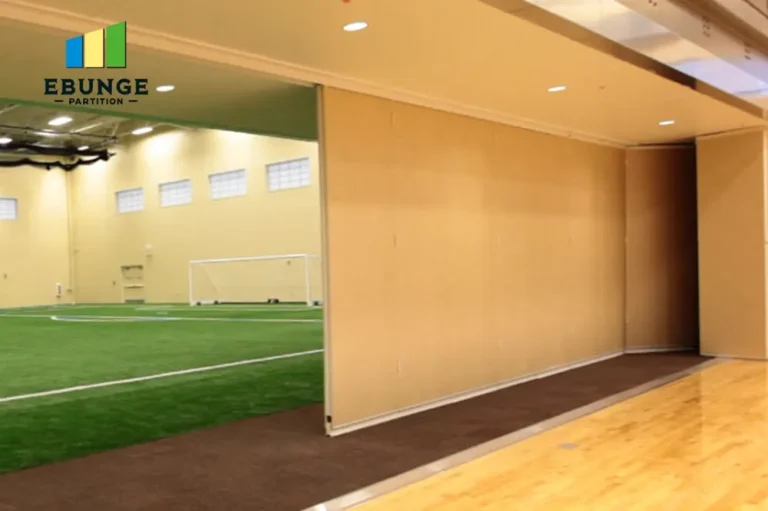
Need help turning the movable acoustic wall cost factors requirements into a practical project layout?
Key Cost Drivers for Movable Acoustic Walls in School Halls
Several factors influence the final price of a movable acoustic wall. Understanding these will help you evaluate quotations and avoid hidden costs.
1. Wall Dimensions and Configuration
The size of the opening is the most obvious cost driver. Larger walls require more material, heavier panels, and stronger tracks. Additionally, the configuration—whether the wall is straight, curved, or requires multiple panels—affects complexity and cost. Custom shapes and unusual dimensions will increase fabrication and installation expenses.
2. Acoustic Performance Requirements
Specifying an STC rating is crucial. A standard partition might have an STC of 40, but for a school hall, you may need STC 50 or higher to ensure speech privacy and noise control. Higher STC ratings demand more mass, better seals, and sometimes double-glazed panels, all of which add to the cost. Be precise about your acoustic target in your inquiry to receive accurate quotes.
3. Finish and Aesthetics
The finish of the wall panels—whether laminate, veneer, or painted—affects both appearance and price. Durable finishes that withstand school wear and tear may cost more upfront but save on maintenance over time. Custom colors or branding can also increase costs. Your finish preference should be communicated early to get realistic pricing.
4. Track System and Hardware
The choice of track system is critical. A top-hung track system, which eliminates floor rails, is often preferred in school environments for safety and easy cleaning. This system requires a robust overhead structure to support the wall weight, which may involve additional structural engineering. The type of track—manual or motorized—also affects cost. Motorized systems offer convenience but come at a premium.
5. Installation Complexity and Site Conditions
Installation costs vary based on the condition of your site. Factors such as ceiling height, accessibility, and existing structure can impact labor time and difficulty. If the school hall is occupied, scheduling work during holidays may be necessary, affecting timelines and costs. Always provide detailed site information to your supplier to avoid surprises.
Total Cost of Ownership: Beyond the Initial Quotation
When evaluating movable acoustic wall cost factors for school halls, consider the total cost of ownership. This includes maintenance, repair, and potential replacement parts over the wall’s lifespan. A cheaper upfront option may require more frequent repairs, negating initial savings. Look for warranties and after-sales support. Ask suppliers about the expected lifespan of the wall and the availability of spare parts. A reputable supplier will be transparent about these aspects.
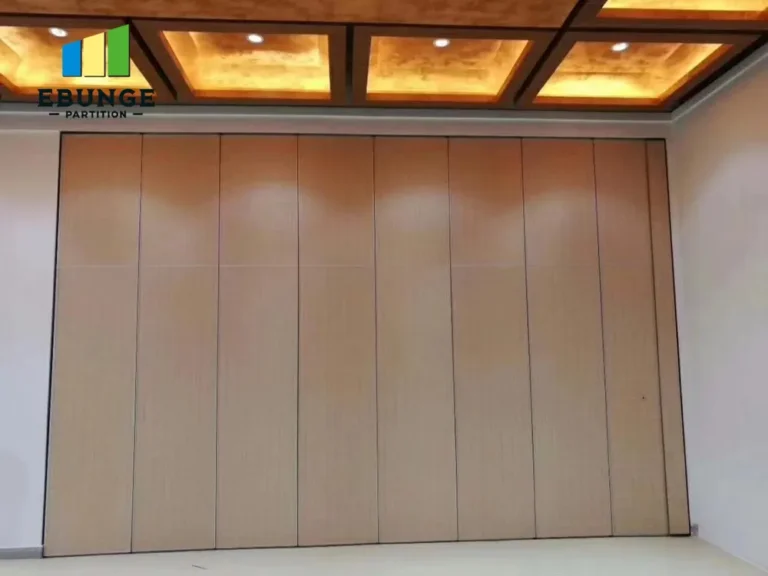
Compliance with School Safety Standards
Safety is non-negotiable in educational environments. Movable walls must comply with relevant building codes and safety standards, including fire resistance, impact resistance, and child safety features. For example, walls should have no pinch points, and door panels should have appropriate locking mechanisms. Ensure your supplier provides documentation of compliance. This may add to the cost but is essential for legal and ethical reasons.
Acoustic Performance Guarantee and Warranty Terms
A reliable supplier should offer a written acoustic performance guarantee, ensuring the wall meets the specified STC rating when installed correctly. This guarantee is your assurance of quality. Warranty terms vary—some cover parts and labor for a certain period, while others exclude installation defects. Read the warranty carefully and clarify what is covered. This is a critical factor in your purchasing decision and should be considered part of the cost evaluation.
Supplier Reliability and Customization Limits
Choosing a supplier is as important as choosing the product. A reliable supplier will provide detailed drawings, clear communication, and realistic timelines. They should also be flexible in customization. However, every supplier has limits—some may not offer certain finishes or sizes. Discuss your requirements upfront to ensure they can meet your needs. Request references and check their track record with school projects.
Share the opening, drawings, finish direction, and privacy target for a project-specific review.
How to Prepare for Quotations: What to Share with Suppliers
To receive accurate quotations, you must provide comprehensive information. This includes:
- Detailed drawings of the opening, including dimensions and ceiling height.
- Your acoustic target (e.g., STC 45).
- Finish preferences (e.g., laminate in a specific color).
- Project location and site access details.
- Any special requirements (e.g., motorized operation, integrated doors).
Suppliers can then provide a tailored quotation. This not only saves time but also ensures you compare apples to apples.
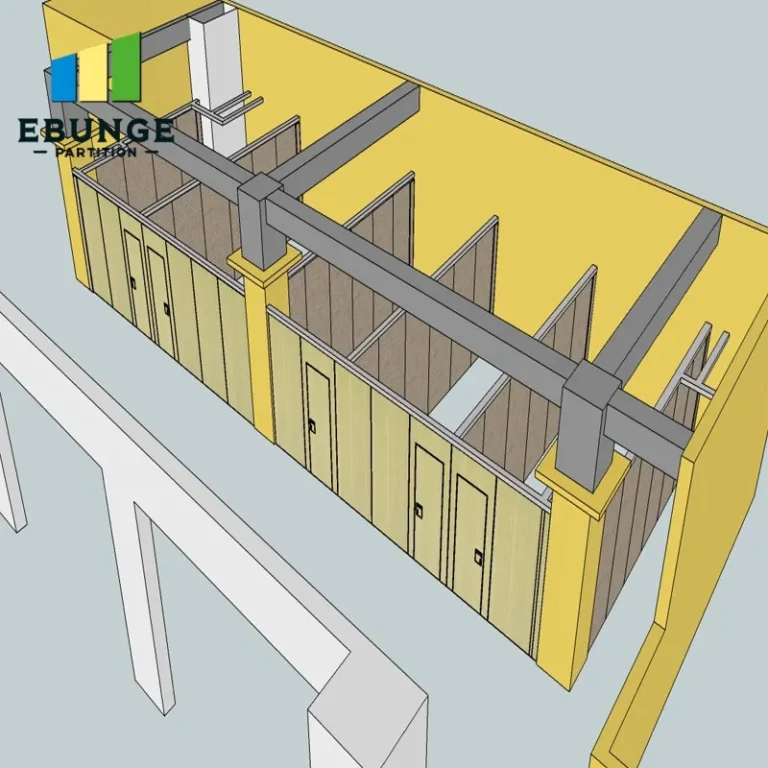
Comparison Table: Factors to Evaluate in Quotations
| Factor | What to Check | Why It Matters |
|---|---|---|
| Acoustic Rating (STC) | Specified STC value | Ensures sound insulation meets your needs |
| Track System | Top-hung vs. floor rail | Affects safety, maintenance, and cost |
| Finish Options | Material and color choices | Impacts aesthetics and durability |
| Warranty | Coverage period and terms | Protects your investment |
| Installation Timeline | Estimated duration and scheduling | Affects project planning |
| Compliance Certifications | Fire, safety, and acoustic test reports | Ensures legal and safety standards |
Practical Checklist for Architects
Use this checklist when evaluating movable acoustic wall options:
- Define your acoustic requirements (STC target).
- Measure the opening accurately and share drawings.
- Specify finish and hardware preferences.
- Ask about track system and structural requirements.
- Request a breakdown of costs (materials, installation, engineering).
- Verify compliance with school safety standards.
- Clarify warranty terms and after-sales support.
- Check supplier references and past school projects.
- Consider total cost of ownership, not just upfront price.
Conclusion: Making an Informed Decision
Understanding movable acoustic wall cost factors for school halls is essential for architects to deliver projects on budget and on time. By focusing on the key cost drivers, preparing comprehensive information for suppliers, and evaluating the total cost of ownership, you can make a decision that balances performance, safety, and cost. Remember to prioritize compliance and acoustic guarantees, as these protect both the occupants and your professional reputation. For more insights, explore our movable partition wall guide or check our blog for industry trends. If you have specific questions, contact our team for expert advice.

Frequently Asked Questions
What is the typical STC rating for a school hall movable wall?
How does the track system affect cost?
Can I get a movable wall that matches my school’s branding?
What are the installation timelines for a school hall movable wall?
Are there any maintenance requirements for movable acoustic walls?
For more detailed cost breakdowns and case studies, visit our Movable Partition Cost category to see how other projects were managed.
For this buyer review, movable acoustic wall cost factors should be checked against the confirmed opening, drawings, operating plan, and project specification.
Send the opening size and drawings to discuss a differentiated movable acoustic wall cost factors solution.