
When you are managing a training center fit-out as a contractor, the office movable partition is not just a product choice—it is a project decision. Every quotation you submit carries risk: acoustic performance that does not meet the brief, installation delays, or hidden costs. This purchase guide is built for the contractor who needs to prepare a reliable quotation, reduce decision risk, and deliver a space that meets sound privacy requirements without surprises. We focus on what you need to specify, what you need to ask the manufacturer, and how to compare proposals fairly. The goal is to help you move from vague requirements to a confident, documented specification.
Direct answer: To improve sound privacy in a training center with an office movable partition, specify a partition wall system with a verified acoustic rating (e.g., Rw or STC) that matches your target, ensure the opening size and finish preferences are documented, and require factory direct support for drawings and installation guidance. This reduces installation risk and helps you submit an accurate quotation.
Office Movable Partition: Why Sound Privacy in a Training Center Is a Contractor Challenge
Training centers have unique acoustic needs: multiple sessions may run simultaneously, and confidentiality is often required for assessments or client discussions. Unlike a typical office, training rooms may have larger openings, different ceiling heights, and more demanding HVAC integration. As a contractor, you are responsible for delivering a partition that meets the acoustic brief, but you also have to manage the interface with other trades. A poorly specified partition can lead to rework, delays, and disputes. This guide helps you avoid those pitfalls by focusing on the information you need before you quote.
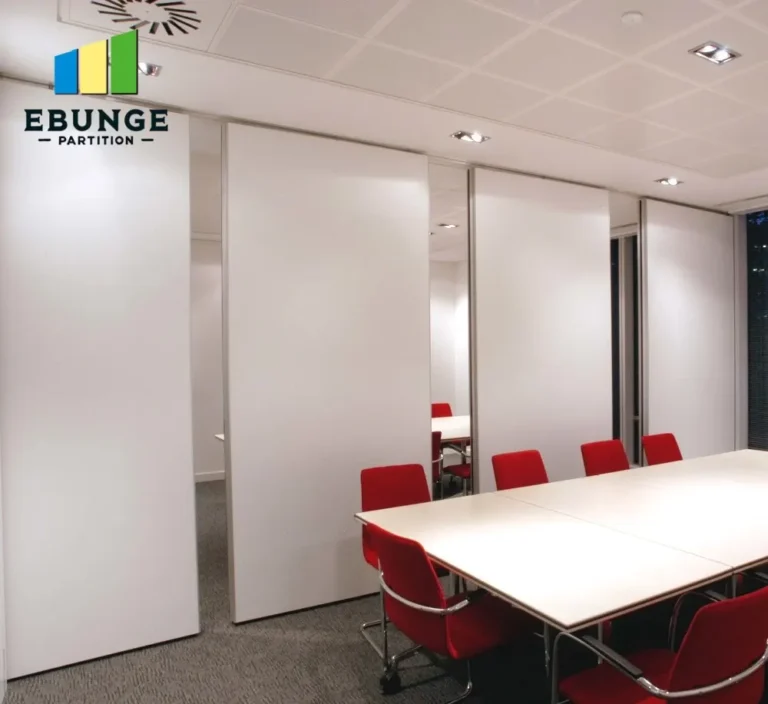
Need help turning the office movable partition requirements into a practical project layout?
Key Specification Factors That Affect Your Quotation
When you prepare a quotation for an office movable partition, you need to nail down several variables. These are not just product features; they are cost and risk drivers. The following factors should be clarified in the project documents.
Opening Size and Configuration
The size of the opening determines the number of panels, the track length, and the complexity of the system. A single large opening is different from multiple smaller openings. You must measure accurately and consider the stacking area when the partition is open. The manufacturer needs this to provide a precise quote.
Acoustic Target
What is the required sound insulation? This is usually expressed as Rw (weighted sound reduction index) or STC (Sound Transmission Class). The target is set by the client or the acoustic consultant. Do not assume a standard rating; confirm the exact number. This directly affects the panel construction and seals, and therefore the cost.
Finish Preferences
Training centers often have specific aesthetic requirements: whiteboard surfaces, tackable panels, or a certain color. The finish affects the price and lead time. Specify the finish clearly to avoid change orders.
Drawings and Installation Guidance
For a contractor, the quality of the drawings and the level of installation support are critical. A factory direct support that provides detailed drawings and guidance reduces your installation risk. This is not a soft benefit; it can save days on site.
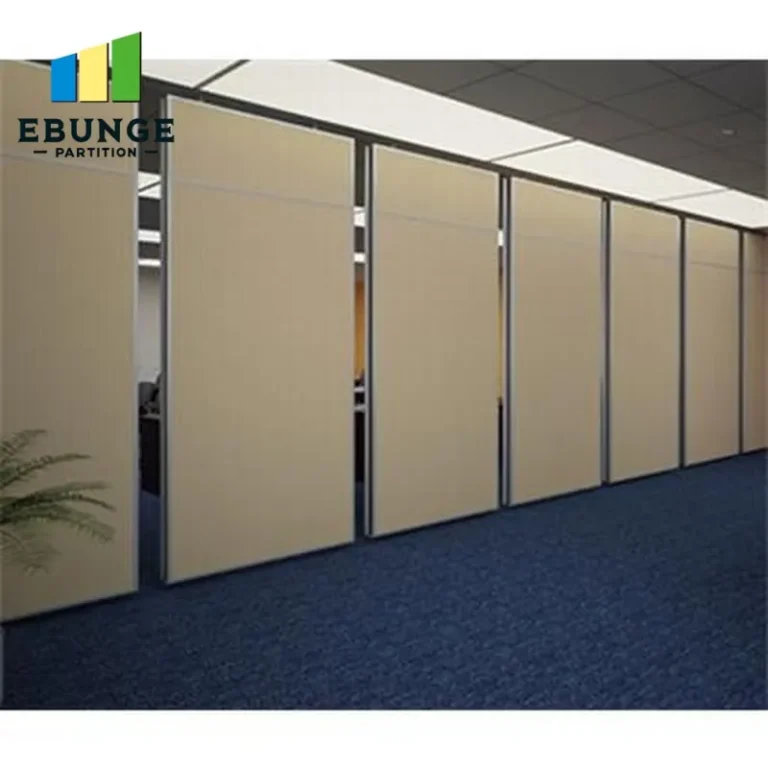
How to Evaluate Acoustic Performance Claims
Acoustic ratings are only useful if they are verified. As a contractor, you should ask for the test report that backs up the claimed Rw or STC. Be cautious: a rating achieved in a laboratory may not be achieved in your project if the installation is not perfect. The partition is only as good as its seals and the surrounding construction. Therefore, you need to specify the installation conditions and check that the manufacturer’s guidance is followed.
When comparing quotes, do not compare only the product price. Consider the total installed cost, including any additional works like floor preparation, ceiling reinforcement, or electrical integration. A cheaper partition may require more site work.
Compliance with Building Codes and Integration with HVAC and Electrical
Training centers are subject to building codes that may dictate fire safety, accessibility, and acoustics. Your partition must comply with these codes. In addition, you need to coordinate with HVAC and electrical systems. For example, the partition may need to accommodate air supply diffusers or lighting. This requires careful planning and often custom solutions. A manufacturer with experience in such integration can provide valuable input.
Do not overlook the need for electrical integration: power outlets, data points, or AV connections in the partition. These features add cost and complexity. Specify them early.
Installation Time and Maintenance Requirements
Installation time is a major cost factor. A partition that is quick to install saves money but may be more expensive to purchase. You need to balance these. Ask the manufacturer for typical installation times and required site conditions. Also, consider maintenance: what happens if a panel is damaged? Is it easy to replace? What is the warranty period and what does it cover? These factors affect your long-term liability.
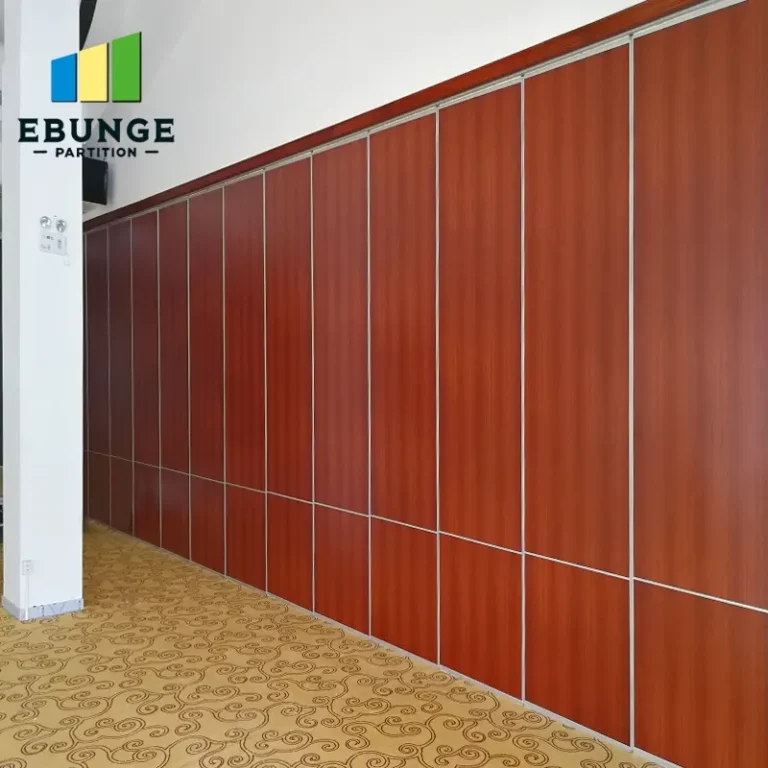
Share the opening, drawings, finish direction, and privacy target for a project-specific review.
Warranty and After-Sales Support
Warranty terms vary. You should read the warranty carefully: what is covered, for how long, and what is excluded? For example, seals may wear out and require replacement. Is that covered? What is the process for a claim? A manufacturer with a clear warranty and responsive support is less risky for you.
Checklist for Quotation Readiness
Use this checklist to ensure you have all the information before requesting a quote:
- Confirmed opening sizes (width, height, and number of openings).
- Acoustic target (Rw or STC) from the client or consultant.
- Finish preferences (color, surface material, whiteboard, etc.).
- Site conditions: ceiling type, floor type, and any obstructions.
- Integration requirements: HVAC, electrical, data, etc.
- Building code requirements: fire rating, accessibility, etc.
- Installation schedule and any constraints.
- Maintenance expectations and warranty requirements.
Comparing Proposals: A Practical Table
When you receive proposals, use a table to compare apples to apples. Here is a template:
| Criteria | Proposal A | Proposal B |
|---|---|---|
| Acoustic rating (Rw/STC) | ___ | ___ |
| Panel construction | ___ | ___ |
| Finish options | ___ | ___ |
| Installation time (days) | ___ | ___ |
| Warranty period | ___ | ___ |
| Integration support | ___ | ___ |
| Total cost (incl. installation) | ___ | ___ |
This table helps you identify hidden differences. For example, a lower product price may come with a longer installation time, increasing your labor cost.
Frequently Asked Questions
What is the best acoustic rating for a training center partition?
It depends on the specific needs. A quiet training room may need Rw 40-45, while a room for confidential discussions may need Rw 50 or higher. Confirm the target with the client or acoustic consultant.
How long does it take to install an office movable partition?
Installation time varies based on the size, complexity, and site conditions. A typical single partition may take a few days, but you should get a specific estimate from the manufacturer.
Can I integrate electrical outlets into the partition?
Yes, many partition systems allow for electrical integration. This must be specified early, as it affects the panel construction and cost.
What maintenance is required for a movable partition?
Regular maintenance may include checking seals and tracks. Seals may need replacement over time. The manufacturer can provide a maintenance schedule.
How do I ensure the partition complies with building codes?
Work with a manufacturer who understands local codes. Provide them with the project location and any specific requirements. They can help ensure compliance.
Conclusion: Reduce Risk with a Clear Specification
As a contractor, your success depends on accurate quotations and smooth installations. By focusing on the key specification factors—opening size, acoustic target, finish, drawings, and factory support—you can reduce risk and deliver a training center that meets sound privacy needs. Remember, the office movable partition is not a commodity; it is a custom solution. Take the time to document your requirements, ask the right questions, and compare proposals objectively. This approach will help you win the project and complete it profitably.
For more information on movable partition walls, visit our movable partition wall page. For cost considerations, see movable partition cost insights. If you need guidance, contact our team. Also, check our blog for more technical articles.
Send the opening size and drawings to discuss a differentiated office movable partition solution.