
When planning an office meeting room, achieving sound privacy is often a top concern. You need a solution that separates spaces effectively without compromising flexibility. This FAQ guide focuses on movable acoustic walls for office meeting rooms, addressing key buyer decisions from acoustic performance to quotation readiness. Whether you are a facility manager or an architect, this article helps you ask the right questions and prepare for supplier discussions. By the end, you will know how to specify your project needs and move toward a confident inquiry.
Quick answer: Movable acoustic walls are operable partition systems that divide or unite spaces while providing sound insulation. For office meeting rooms, they offer flexibility and acoustic privacy. To get an accurate quotation, you need to share your opening size, drawings, acoustic target (e.g., STC or Rw value), finish preferences, and project location. A reputable supplier will guide you through technical requirements and installation considerations.
What Are Movable Acoustic Walls and How Do They Work?
Movable acoustic walls, also known as operable wall systems, are partition solutions that can be moved to reconfigure spaces. They typically use a top-hung track system without a floor rail, which simplifies installation and maintains a clean floor surface. Panels are suspended from overhead tracks and can be stacked neatly when not in use. These walls are designed to provide acoustic insulation, helping to reduce sound transmission between areas.
In an office meeting room, movable acoustic walls allow you to create temporary private spaces for meetings, presentations, or collaborative sessions. They offer design flexibility, as they can be customized in terms of finishes, sizes, and configurations. When considering acoustic partition solutions, it is essential to understand the technical specifications and how they align with your project requirements.
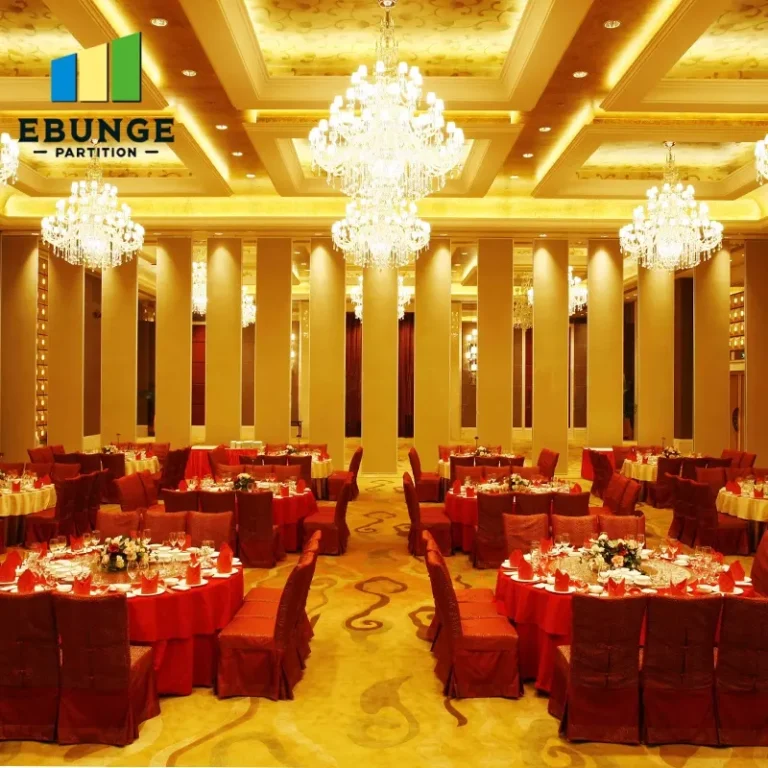
Need help turning the movable acoustic walls requirements into a practical project layout?
Why Is Acoustic Performance Critical for Office Meeting Rooms?
In an office environment, confidentiality and focus are paramount. Meetings often involve sensitive discussions, and noise distractions can hamper productivity. Movable acoustic walls are engineered to provide sound insulation, but the level of performance varies. Acoustic performance is typically measured by Sound Transmission Class (STC) or Weighted Sound Reduction Index (Rw). These ratings indicate how much sound is blocked. For office meeting rooms, a higher rating means better privacy.
However, it is important to note that actual acoustic performance depends on several factors, including the wall construction, seals, and installation quality. A supplier should provide detailed specifications based on your project. When comparing options, ask for acoustic test data and understand the conditions under which those results were achieved.
How Do I Determine the Right Acoustic Target for My Meeting Room?
Your acoustic target depends on the intended use of the meeting room. For general meetings, a moderate STC rating may suffice. For executive boardrooms or rooms where confidential matters are discussed, a higher rating is advisable. Consider the ambient noise level in your office and the sensitivity of the conversations. It is also essential to think about the walls, ceiling, and floor of the room, as sound can flank through other paths.
To set a realistic acoustic target, consult with an acoustic consultant or discuss your needs with a movable acoustic walls supplier. They can guide you based on your specific situation. Remember, achieving a high STC rating may require additional features like double seals or thicker panels, which can affect cost and operation.
What Are the Key Features to Look for in a Movable Partition Wall?
When evaluating movable partition walls, consider the following features:
- Acoustic seals: Perimeter seals and vertical seals are crucial for blocking sound leaks.
- Panel construction: Thicker panels with multiple layers of gypsum or other sound-dampening materials offer better insulation.
- Track system: A top-hung track system without a floor rail is often preferred for its clean look and ease of cleaning.
- Operation: Look for smooth operation, whether manual or motorized, and consider the ease of use for staff.
- Finish options: The ability to customize finishes to match your interior design is important.
- Durability: Ensure the materials are robust for daily use in an office environment.
An operable wall system should balance these features with your budget and project goals. A reputable supplier can help you prioritize based on your needs.
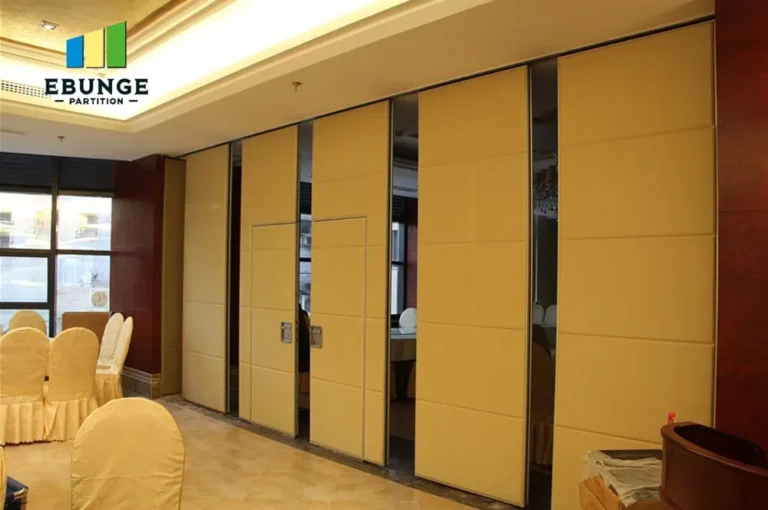
How Does the Top-Hung Track System Benefit Office Meeting Rooms?
The top-hung track system is a popular choice for movable acoustic walls. Unlike floor-supported systems, it does not require a floor rail, which eliminates a tripping hazard and makes the space easier to clean. This system also allows for larger spans without the need for intermediate floor guides. For office meeting rooms, this means a seamless floor surface and a more open feel when the wall is retracted.
Installation of a top-hung system requires careful engineering to ensure the ceiling structure can support the weight of the panels. A supplier should provide installation guidance and work with your contractor to ensure structural integrity. This system also offers design flexibility, as it can accommodate curved or angled configurations with custom engineering.
What Are the Maintenance Requirements for Movable Acoustic Walls?
Proper maintenance ensures the longevity and performance of your movable acoustic walls. Regular checks on seals, tracks, and hardware are recommended. Seals may wear over time and need replacement to maintain acoustic integrity. Track cleaning is essential to prevent dust buildup, which can affect smooth operation. Most systems are designed for low maintenance, but it is wise to discuss specific requirements with your supplier.
Consider the warranty and after-sales support offered. A supplier that provides clear maintenance guidelines and responsive support is valuable. Ask about recommended service intervals and the availability of spare parts. This information helps you plan for the long-term care of your investment.
Share the opening, drawings, finish direction, and privacy target for a project-specific review.
How Do I Prepare for a Movable Wall Quotation?
To receive an accurate quotation, you need to provide detailed information. Here is a checklist to prepare:
| Information Needed | Why It Matters |
|---|---|
| Opening size (width, height, depth) | Determines the number of panels and track length. |
| Architectural drawings (floor plans, elevations) | Helps supplier understand the site conditions and integration. |
| Acoustic target (STC or Rw value) | Ensures the wall meets your sound privacy needs. |
| Finish preferences (color, material) | Affects aesthetics and cost. |
| Project location | Affects shipping, installation logistics, and local regulations. |
By sharing these details, you enable the supplier to provide a more precise quotation and technical recommendations. This also speeds up the process and reduces the risk of misunderstandings.
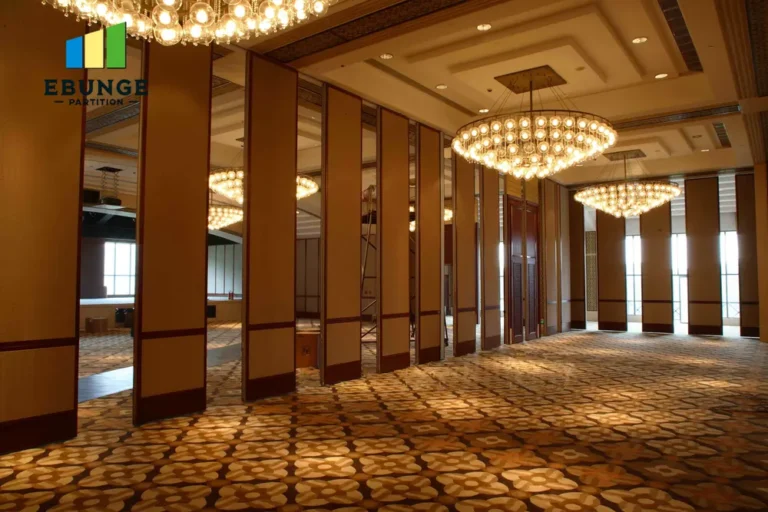
What Should I Know About Installation and Timeline?
Installation of movable acoustic walls requires coordination with your construction or renovation schedule. The top-hung track system must be installed before the ceiling is finished. The supplier typically provides installation guidance and may offer installation services or work with your contractor. The timeline depends on the complexity of the project, the number of panels, and the site readiness.
Discuss the installation timeline with your supplier early in the process. They can provide an estimated duration based on your project size. Ensure that your contractor coordinates with the supplier to avoid delays. A clear installation plan helps manage expectations and ensures a smooth process.
How Do I Ensure Durability and Ease of Operation?
Durability is crucial in an office environment where walls may be moved frequently. Look for systems with robust materials and tested hardware. Ask about the cycle life of the panels and components. Ease of operation is also important; panels should glide smoothly and lock securely. If you have staff who will operate the wall, consider training or clear instructions.
Custom movable walls can be designed to meet specific operational needs, such as motorized operation for heavy panels or frequent use. Discuss your usage patterns with the supplier to determine the best options for your situation.
What Are the Design Flexibility Options?
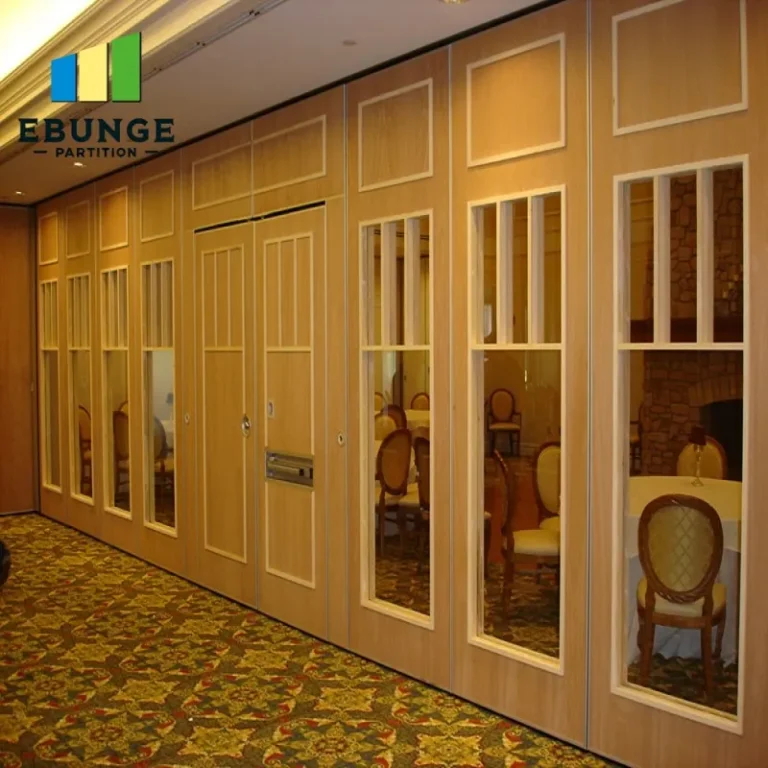
Movable acoustic walls offer significant design flexibility. You can choose from a variety of finishes, including paint, laminate, veneer, or tackable surfaces. Panels can be configured to fit different opening shapes, including curved or angled walls. This allows you to maintain a cohesive interior design while adding functionality.
When planning your project, think about how the wall will integrate with existing architecture. A supplier with custom capabilities can help you achieve a seamless look. For more inspiration, you can explore our blogs for project examples and design ideas.
Frequently Asked Questions
How much sound do movable acoustic walls block?
The sound-blocking ability is measured by STC or Rw ratings. Typical movable acoustic walls have ratings ranging from 35 to 55, but the exact performance depends on the system and installation. Your supplier should provide test data for the specific product.
Can movable acoustic walls be used in existing buildings?
Yes, they can be installed in existing buildings, but the ceiling structure must be able to support the track system. A site assessment is necessary to determine feasibility.
What finishes are available for movable acoustic walls?
Finishes include painted surfaces, laminates, wood veneers, and tackable fabrics. Custom finishes are possible to match your office décor.
How long does installation take?
The installation time varies based on the project size and complexity. It can range from a few days to several weeks. Your supplier can provide an estimate after reviewing your drawings.
Do movable acoustic walls require special maintenance?
Maintenance is minimal, but regular checks on seals and tracks are recommended. Replacement parts like seals may be needed over time.
Can I get a movable wall that meets a specific acoustic rating?
Yes, suppliers can design systems to meet specific acoustic targets. You need to communicate your desired STC or Rw value, and they will recommend the appropriate configuration.
Conclusion
Choosing the right movable acoustic walls for your office meeting room involves careful consideration of acoustic performance, durability, operation, and design. By understanding your needs and preparing detailed information, you can streamline the quotation process and ensure a successful project. For more guidance, explore our Movable Partition Wall FAQs or contact us to discuss your project. Our team is ready to assist you with technical expertise and custom solutions.
Send the opening size and drawings to discuss a differentiated movable acoustic walls solution.