
When planning a training center, the ability to reconfigure space is often just as important as the acoustics within it. But choosing the right movable walls soundproof system involves more than comparing panel thickness or color options. For an office renovation company, the real challenge lies in aligning acoustic performance with layout flexibility, installation timelines, and budget constraints. This guide explains the key technical and practical considerations that influence the selection of movable walls soundproof systems for training centers, helping you make informed decisions and prepare accurate quotations.
In short: To choose movable walls soundproof for a training center, define your acoustic target (e.g., STC 45-50 for speech privacy), measure the opening size and ceiling structure, select a top-hung track system for flexibility, request detailed drawings and specifications from the supplier, and verify compliance with local building codes. Always base your decision on project-specific data, not generic claims.
Why Acoustic Performance Matters in Training Centers
Training centers host a variety of activities: lectures, group discussions, presentations, and sometimes simultaneous sessions. Without adequate sound insulation, noise from one room can disrupt another, reducing learning effectiveness and user satisfaction. The primary function of movable walls soundproof is to provide speech privacy and control sound transmission. However, the required level of insulation depends on the specific training activities. For instance, a language lab may need higher sound isolation than a general meeting room. Therefore, the first step is to establish an acoustic target, typically expressed as Sound Transmission Class (STC) or Rw rating. This target should be based on the intended use and local regulations.
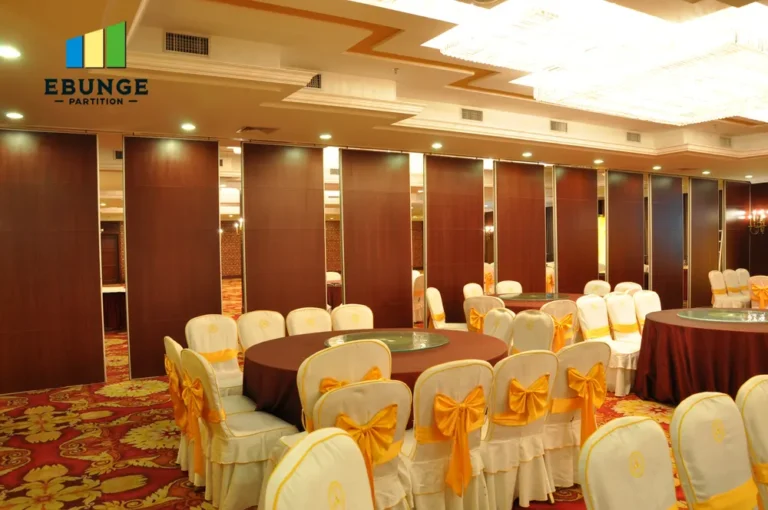
Need help turning the movable walls soundproof requirements into a practical project layout?
Understanding the Role of a Movable Partition Wall in Space Flexibility
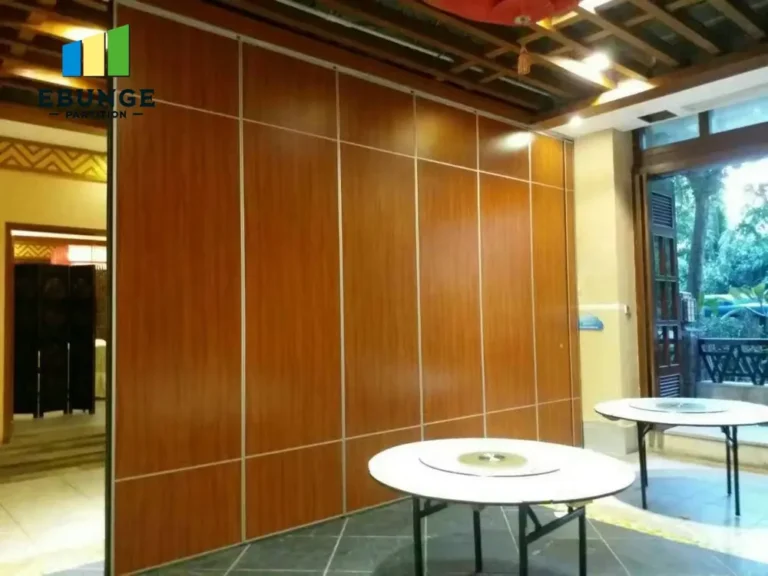
A movable partition wall is not just a wall; it is a system that allows you to divide or open up spaces quickly. In a training center, this flexibility enables you to host large plenary sessions and then break out into smaller groups without losing time. The choice between a foldable system, a sliding panel system, or an accordion-type partition depends on the frequency of reconfiguration and the available storage space. For high-usage environments, a top-hung track system is often preferred because it eliminates the floor rail, creating a flat, safe surface and simplifying cleaning and movement of chairs and equipment.
Key Technical Specifications to Evaluate in an Operable Wall System
When comparing operable wall system options, focus on the following technical aspects:
- Acoustic rating: Look for certified STC/Rw values, but remember that real-world performance depends on perimeter sealing, ceiling gaps, and flanking paths.
- Panel construction: Materials, thickness, and internal damping affect both acoustics and weight. Heavier panels generally offer better sound insulation but require stronger overhead support.
- Sealing mechanisms: Automatic drop seals at the bottom and perimeter gaskets are crucial for reducing sound leaks.
- Track system: Top-hung systems with load-bearing trolleys are ideal for heavy panels and smooth operation. Ensure the ceiling structure can support the weight.
- Fire rating and building codes: Verify that the system meets local fire safety and accessibility standards.
Installation Time and Its Impact on Your Project Schedule
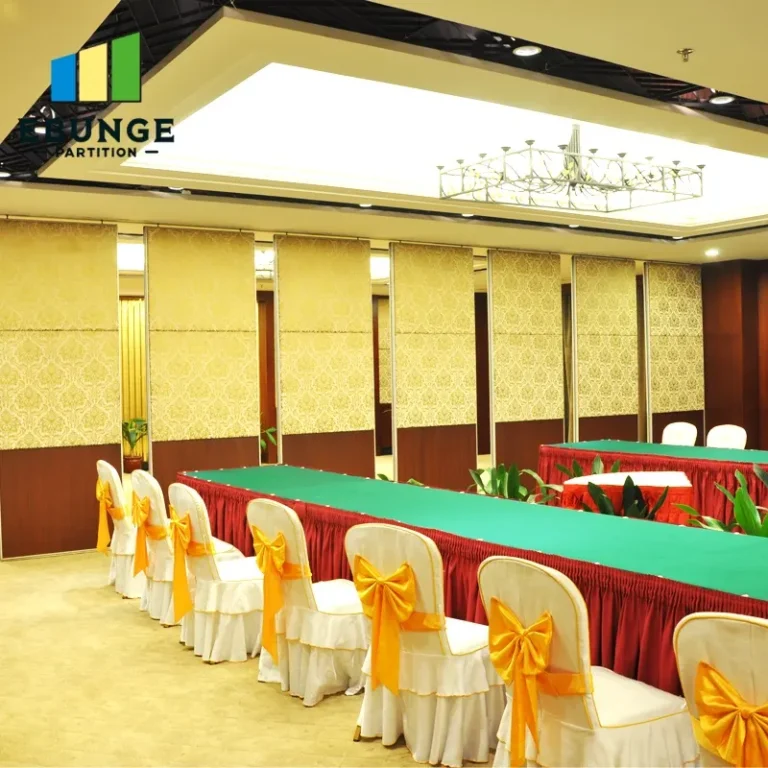
Training center renovations often have tight deadlines. The installation time for movable walls soundproof systems varies depending on the number of panels, the complexity of the track layout, and site conditions. A reputable supplier will provide a detailed installation schedule based on your project drawings. Ask about pre-installation site surveys and whether the supplier handles the installation or provides supervision. Delays can occur if the ceiling structure requires reinforcement or if the floor is not level. Clarify these aspects upfront to avoid surprises.
Durability and Maintenance Requirements for Long-Term Use
Training centers are high-traffic environments, so the partition system must withstand frequent operation. Check the quality of the trolleys, hinges, and seals. Ask about the expected lifespan and what maintenance is required. For example, seals may need periodic replacement, and tracks may need cleaning. Choose a system that is easy to operate and maintain, reducing downtime and repair costs. A robust design with quality components will offer better durability.
Cost vs. Budget: What Drives the Price of Acoustic Partition Solutions?
The cost of acoustic partition solutions is influenced by several factors: acoustic rating, panel size, finish, hardware quality, and installation complexity. High STC ratings typically require thicker panels and more elaborate sealing, increasing cost. Custom finishes, such as fabric wraps or wood veneers, also add to the price. To stay within budget, prioritize your requirements: do you need STC 50 or is STC 45 sufficient? Would a standard finish be acceptable? Request itemized quotations from multiple suppliers and compare them based on the full scope of supply and services, including delivery, installation, and any necessary structural modifications.
Design Flexibility and Aesthetic Integration
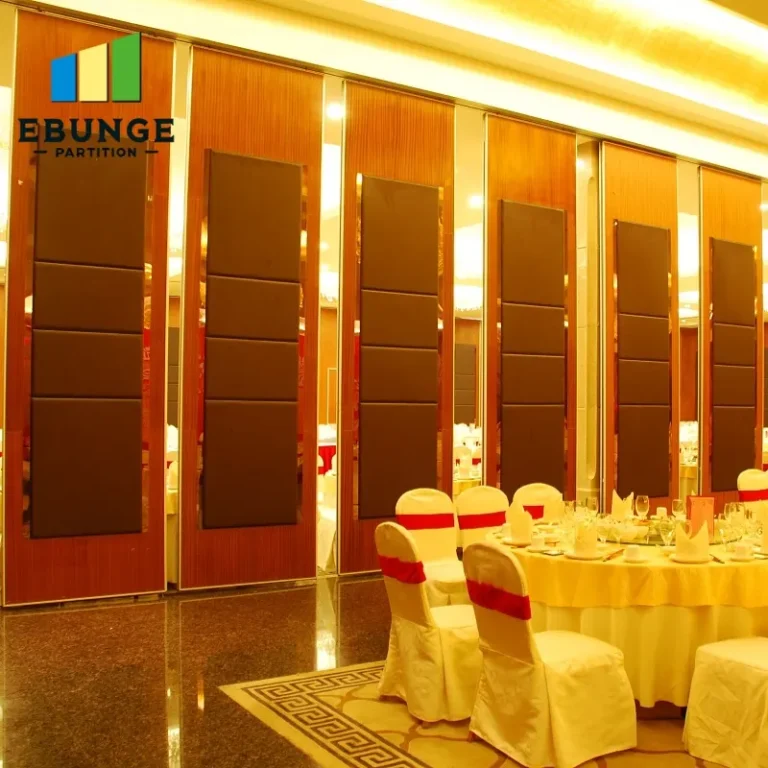
Movable walls soundproof should not only perform well but also blend seamlessly with the interior design of the training center. Consider the range of finishes available, such as dry-erase surfaces, tackable fabrics, or custom colors. The system can also accommodate glazing for natural light or visibility. Ensure that the partition design complements the overall architecture and that the supplier can provide samples and visualizations. A well-integrated partition enhances the user experience and adds value to the space.
Share the opening, drawings, finish direction, and privacy target for a project-specific review.
Compliance with Building Codes and Accessibility Standards
Local building codes may impose requirements on fire resistance, accessibility, and structural safety. Verify that the movable wall system meets these standards. For example, if the training center is used for public events, the partition may need to have a certain fire rating. Also, consider ADA or equivalent accessibility guidelines for door openings and clearances. The supplier should provide documentation such as test reports and certificates, but always cross-check with local regulations and your project’s specific conditions.
Supplier Reliability and Support: What to Look For
Choosing the right movable walls soundproof supplier is as critical as choosing the product. Look for a supplier with experience in training center projects, who can provide references and case studies. They should be willing to offer technical guidance, from initial concept to installation. Reliable communication and after-sales support are essential. Ask about warranty terms and service response times. A supplier that is invested in your project’s success will help you navigate challenges and ensure a smooth process.
How to Prepare for a Quotation: Information to Provide
To get accurate quotations, prepare the following information:
- Opening size: Height, width, and depth of each opening where the partition will be installed.
- Architectural drawings: Floor plans, elevations, and sections showing the partition location and surrounding structure.
- Acoustic target: Desired STC/Rw rating or a description of the sound insulation needs.
- Finish preference: Material, color, and any special features like dry-erase boards or whiteboards.
- Project location: Site address and any access constraints that may affect installation.
- Timeline: Expected installation date and project schedule.
Providing this information upfront helps suppliers offer accurate proposals and reduces the risk of misunderstandings.
Practical Checklist for Evaluating Movable Walls Soundproof
| Consideration | Questions to Ask |
|---|---|
| Acoustic performance | What is the certified STC/Rw? How is the perimeter sealed? |
| Track system | Is it top-hung? Can the ceiling support the weight? |
| Installation | What is the estimated installation time? Are site surveys included? |
| Durability | What are the maintenance requirements? What is the warranty? |
| Cost | What factors affect the price? Can you provide a detailed breakdown? |
| Design | What finishes are available? Can you provide samples? |
| Compliance | Does the system meet fire and accessibility codes? |
Conclusion: Making an Informed Decision on Movable Walls Soundproof
Selecting the right movable walls soundproof for a training center is a multi-faceted decision. By understanding the acoustic requirements, evaluating technical specifications, and preparing detailed information for suppliers, you can make a choice that balances performance, cost, and aesthetics. Always base your decisions on verified data and project-specific conditions. For further guidance, explore our movable partition wall solutions and technical blogs. If you need assistance with your specific project, contact us for expert advice.
Frequently Asked Questions
What is the typical acoustic rating for movable walls soundproof in training centers?
For speech privacy in training rooms, an STC (Sound Transmission Class) of 45 to 50 is generally recommended. However, the exact requirement depends on the background noise level and the type of activities. It is best to consult with an acoustic engineer to determine the appropriate target for your project.
Can movable walls soundproof be installed without a floor rail?
Yes, top-hung track systems do not require a floor rail. The panels are suspended from an overhead track, leaving the floor completely flat. This is beneficial for safety, wheelchair accessibility, and ease of cleaning.
How long does it take to install a movable partition wall system?
Installation time varies based on the size and complexity of the system, as well as site conditions. A simple single-unit partition might take a few days, while a multi-panel system could take a week or more. The supplier should provide a detailed schedule after a site survey.
What maintenance is required for operable wall systems?
Regular maintenance includes cleaning the track and ensuring that seals are in good condition. Seals may need replacement every few years depending on usage. It is also important to check the operation of trolleys and hinges periodically. The supplier can provide a maintenance guide.
How do I get an accurate quotation for movable walls soundproof?
To receive an accurate quotation, provide the supplier with the opening dimensions, architectural drawings, desired acoustic rating, finish preferences, project location, and a timeline. This allows the supplier to assess the scope and provide a detailed proposal.
Send the opening size and drawings to discuss a differentiated movable walls soundproof solution.