
When you’re planning a school hall that needs to serve multiple functions—from assemblies and exams to performances and community events—the choice of soundproof partitions is not just about dividing space. It’s about ensuring that each activity can proceed without acoustic interference, meeting strict educational standards, and staying within budget and schedule. As a project contractor, you need to make informed decisions that balance performance, compliance, and practicality. This article is designed to guide you through the key considerations, helping you prepare for accurate quotations and successful project delivery.
Direct Answer: For a school hall, soundproof partitions must be evaluated based on verified acoustic performance (such as Sound Transmission Class or STC ratings), compliance with local building codes, installation efficiency, customization options, durability, and ongoing maintenance—all while ensuring minimal disruption to school operations. Always request detailed specifications, test reports, and references from suppliers, and provide them with your exact opening size, drawings, acoustic target, finish preference, and project location to get a precise quotation.
Why Acoustic Performance Matters in School Halls
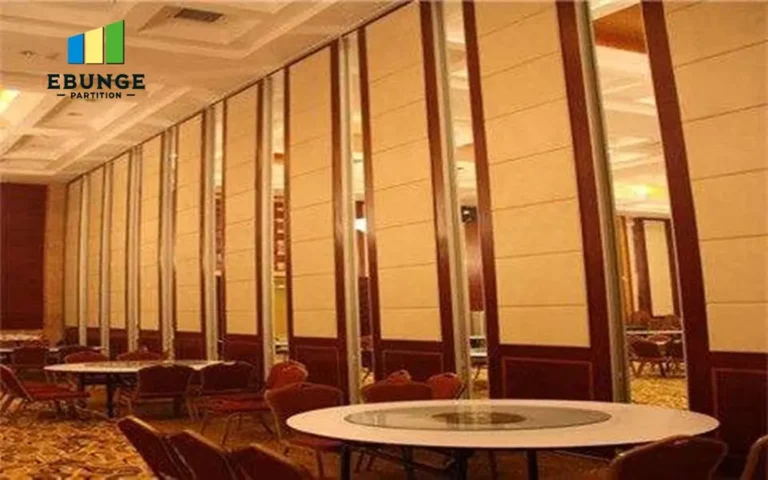
School halls are versatile spaces. A partition that works for a choir rehearsal may not suffice for a lecture or a parent-teacher meeting. The primary concern is sound privacy: preventing sound from traveling between divided areas. In educational settings, poor acoustics can hinder learning and concentration. Therefore, you need partitions that meet specific acoustic targets, often defined by STC ratings. However, STC is just one metric; consider also Impact Insulation Class (IIC) and Noise Reduction Coefficient (NRC) depending on the application. Always ask for the exact acoustic performance data from the supplier, and verify it aligns with your project’s requirements.
Need help turning the soundproof partitions requirements into a practical project layout?
Understanding Building Code Compliance for Educational Facilities
School projects are subject to stringent building codes and regulations, including fire safety, accessibility, and acoustics. For instance, many jurisdictions require minimum sound insulation between classrooms or assembly areas. As a contractor, you must ensure that the soundproof partitions you select meet these codes. This involves reviewing local regulations, understanding the required STC ratings, and ensuring that the partition system complies with fire resistance standards. Work closely with the supplier to obtain documentation that proves compliance, such as test certificates and compliance statements.
Installation Time and Disruption: Key Project Considerations
Schools cannot afford long shutdowns. Installation must be efficient and cause minimal disruption to daily activities. Top-hung track systems are often preferred because they do not require floor rails, reducing installation complexity and potential trip hazards. When assessing options, ask about the installation process, estimated timeline, and whether the supplier offers project management support. Some systems can be installed outside school hours or during breaks, but this needs to be planned in advance. Ensure the supplier can provide a clear installation schedule and that their team is experienced in working in educational environments.
Customization Options: Tailoring Partitions to Your Project Needs
Every school hall is unique. You may need partitions that fit specific dimensions, incorporate glazing for natural light, or match the interior design. Customization is not just about aesthetics; it also affects acoustic performance. For instance, adding a door or window can alter the partition’s soundproofing capabilities. Discuss your requirements with the supplier, including the opening size, finish preferences, and any special features like tackable surfaces or whiteboard panels. A reputable supplier will offer custom fabrication to meet your specifications while maintaining acoustic integrity.
Durability and Warranty: Protecting Your Investment
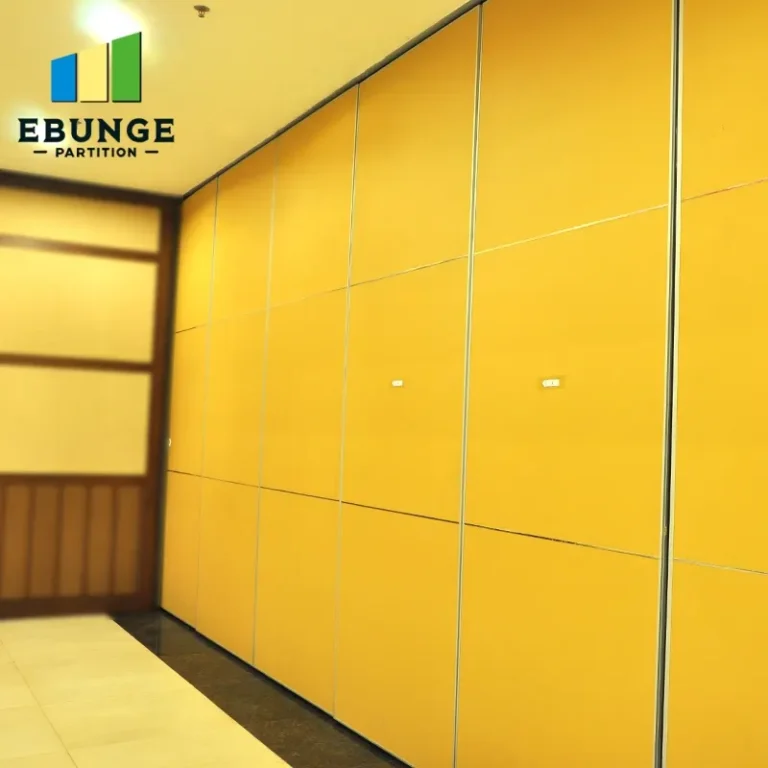
School halls experience heavy use. Partitions must withstand frequent operation, impact, and wear. Look for systems with robust construction, quality materials, and reliable hardware. Inquire about the warranty period and what it covers. A longer warranty often indicates the manufacturer’s confidence in their product. However, do not rely solely on warranty; ask for references from similar school projects to gauge long-term performance. Also, consider the maintenance requirements—some systems need periodic adjustments, while others are virtually maintenance-free.
Maintenance Requirements: Planning for the Long Term
Ongoing maintenance is a significant factor in the total cost of ownership. Top-hung systems without floor rails generally require less maintenance since there are no floor tracks to clean or repair. Ask about the recommended maintenance schedule, such as lubrication of moving parts and inspection of seals. Also, consider the availability of spare parts and the ease of service. A supplier that offers maintenance contracts or support can be valuable, especially for schools with limited facilities staff.
Share the opening, drawings, finish direction, and privacy target for a project-specific review.
Balancing Cost vs. Budget: What to Consider
Budget is always a constraint. However, the cheapest option may not be the most cost-effective in the long run. Evaluate the initial cost, installation cost, and projected maintenance expenses. Also, consider the energy savings from better insulation and the potential to increase the hall’s usage, generating more revenue for the school. When requesting quotations, provide the supplier with detailed information to get accurate pricing. Remember that custom features and higher acoustic ratings will increase cost, but they may be necessary for compliance or functionality.
Project Management Support: Ensuring Smooth Execution
From initial consultation to final installation, project management support is crucial. A supplier that offers comprehensive services—including site surveys, drawings, installation supervision, and after-sales support—can save you time and reduce risks. They can coordinate with other trades, ensure that the partition integrates with the building’s infrastructure, and handle any unforeseen issues. Ask about their project management process and how they communicate with contractors. This is especially important for complex installations in occupied buildings.
How to Prepare for a Quotation: Information You Must Provide
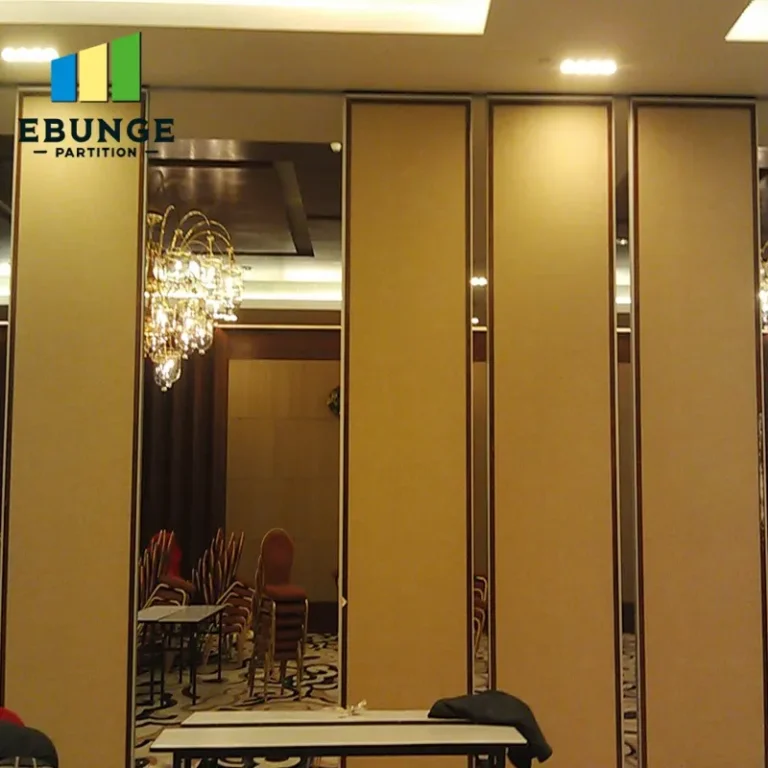
To get an accurate quotation, you need to provide the supplier with specific details. This includes the opening size (width, height, and depth), architectural drawings, the desired acoustic performance (e.g., STC target), finish preferences (such as laminate color or fabric), and the project location. The more information you give, the more precise the quote will be. Also, clarify the scope of supply—does the quotation include installation, or is it supply-only? Are there additional costs for delivery, taxes, or ancillary items? A transparent supplier will itemize these in the quotation.
Comparing Options: A Practical Checklist
When evaluating proposals from different suppliers, use a checklist to ensure you compare apples to apples. Consider the following:
| Criteria | Supplier A | Supplier B |
|---|---|---|
| Acoustic rating (STC) | 52 | 48 |
| Compliance with local codes | Yes | Yes |
| Installation time | 2 days | 4 days |
| Customization capability | High | Medium |
| Warranty (years) | 10 | 5 |
| Maintenance frequency | Annual | Semi-annual |
| Project management support | Full | Limited |
| Total cost | €XX,XXX | €XX,XXX |
Use this table to objectively assess each proposal. Remember to verify the acoustic ratings with test reports and check references.
Frequently Asked Questions
What is the typical STC rating for school hall partitions?
STC ratings vary based on requirements, but for school halls, ratings between 45 and 50 are common. However, the exact requirement depends on the building code and the specific use. Always check local regulations.
Can soundproof partitions be installed without disrupting school activities?
Yes, many suppliers offer installation outside school hours or during holidays. Top-hung systems are quicker to install and cause less mess, minimizing disruption.
Are custom finishes available to match the school’s interior?
Most suppliers offer a range of finishes, including laminate, fabric, and paint. You can also match specific colors or add features like whiteboard surfaces.
How do I know if a partition meets building codes?
Request documentation from the supplier, including test reports and compliance certificates. You can also consult with a local building inspector.
What maintenance do top-hung partitions require?
Generally, they require minimal maintenance—occasional lubrication of tracks and inspection of seals. Some suppliers offer maintenance contracts.
Can the partition be installed in a hall with existing structural limitations?
Yes, but you need to provide detailed drawings. The supplier can design a system that works with your structure, but some modifications may be necessary.
Conclusion: Making an Informed Decision on Soundproof Partitions
Selecting the right soundproof partitions for a school hall is a multifaceted decision. By focusing on verified acoustic performance, compliance, installation efficiency, customization, durability, maintenance, and project support, you can ensure that your choice meets both functional and budgetary requirements. Always request detailed information and provide your supplier with complete project details to receive accurate quotations. For more insights, explore our blog and acoustic partition solutions. If you’re ready to discuss your project, contact us or learn more about our movable partition walls.
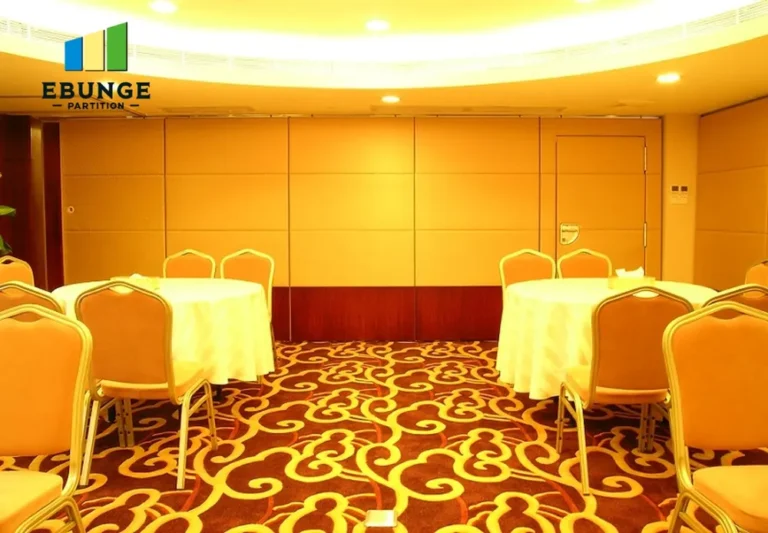
Send the opening size and drawings to discuss a differentiated soundproof partitions solution.