
When you are evaluating a restaurant operable wall supplier, the decision goes far beyond comparing price lists. For a project contractor handling a restaurant private room, the supplier’s reliability, customization support, and ability to manage overseas delivery can make or break your timeline and budget. This guide is designed to help you ask the right questions, prepare the necessary technical details, and convert inquiries into accurate quotations—without getting lost in marketing claims.
Direct answer: The best restaurant operable wall supplier for your project is one that offers a top-hung track system (no floor rail), provides custom project coordination with clear drawings and installation guidance, and can demonstrate reliability through transparent communication and a clear quotation process. You must share your opening size, drawings, acoustic target, finish preference, and project location to get an accurate quote.
Why Supplier Reliability Matters More Than the Product Alone
In restaurant construction, the operable wall is often a critical path item. A delay in delivery or a mismatch in specifications can halt the entire fit-out. Reliability means the supplier responds to technical queries within a reasonable time, provides detailed shop drawings for approval, and sticks to agreed milestones. Ask for a point of contact who understands both engineering and logistics.
When you are sourcing a restaurant operable wall supplier, verify their experience with overseas projects. Do they handle export documentation? What is their typical lead time? A supplier with a proven track record in international shipping will anticipate customs and handling issues, reducing your risk.
Need help turning the restaurant operable wall supplier requirements into a practical project layout?
Customization Support: Not Just Sizes, But Finishes and Acoustics
Restaurant private rooms require more than a standard partition. You may need a specific finish to match the interior design, or an acoustic performance that keeps conversations private. A reliable supplier offers customization options, including:
- Custom panel widths and heights to fit your opening exactly.
- Choice of surface materials (e.g., laminate, veneer, fabric) with samples provided.
- Acoustic seals that can be adjusted to meet your target sound transmission class (STC) rating.
Before contacting a supplier, prepare your acoustic target. This is a measurable requirement—not a vague “good soundproofing.” If you don’t have a target, ask the supplier for guidance based on your room’s use. But remember, exact performance must be confirmed from specifications, not assumed.
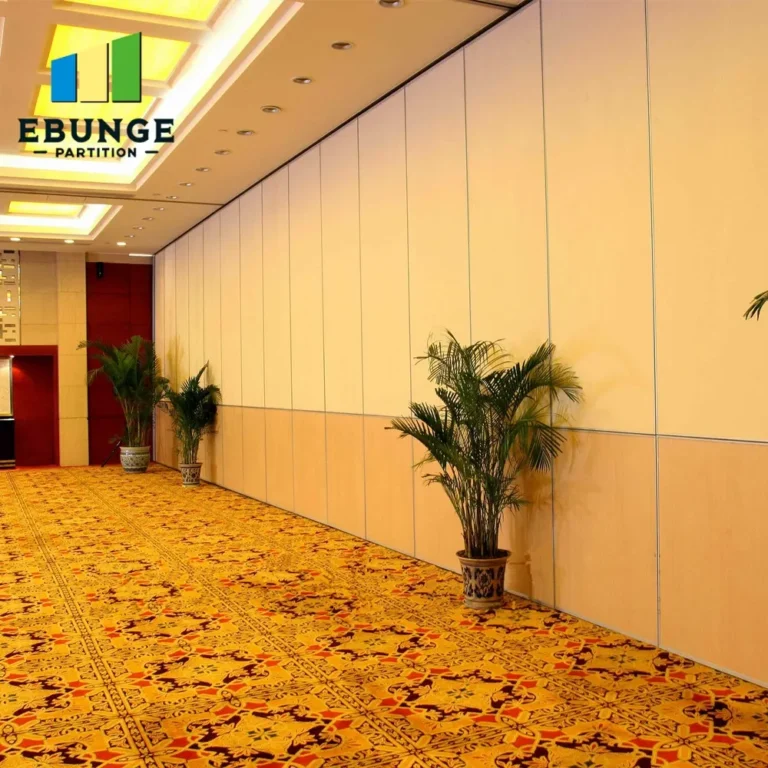
Technical Requirements You Must Communicate Upfront
To get a precise quotation, you need to share specific technical details. The more complete your information, the fewer surprises later. Here is a checklist:
- Opening size: width, height, and depth of the opening where the wall will be installed.
- Drawings: architectural or structural drawings showing the surrounding walls, ceiling, and floor conditions.
- Acoustic target: the desired STC rating or a description of the noise source and acceptable level.
- Finish preference: material type, color, or pattern; if unsure, request samples.
- Project location: country, city, and site access constraints (e.g., narrow corridors, high floors).
- Operation method: manual or motorized, and how many panels you need to stack.
Providing this information upfront helps the supplier assess feasibility and avoid unnecessary back-and-forth. It also signals that you are a serious buyer, which may lead to more responsive service.
Evaluating the Operable Wall System: Top-Hung Track vs. Floor Rail
For restaurant applications, a top-hung track system is often preferred because it leaves the floor completely clear. This is crucial for safety and aesthetics, especially in dining areas where trip hazards are unacceptable. A floor rail can collect debris and complicate cleaning.
When comparing systems, ask about the track profile and hangers. A well-engineered top-hung system distributes the panel weight evenly and allows smooth operation. Inquire about the maximum panel weight and the type of rollers used. A reliable supplier will provide these details without hesitation.
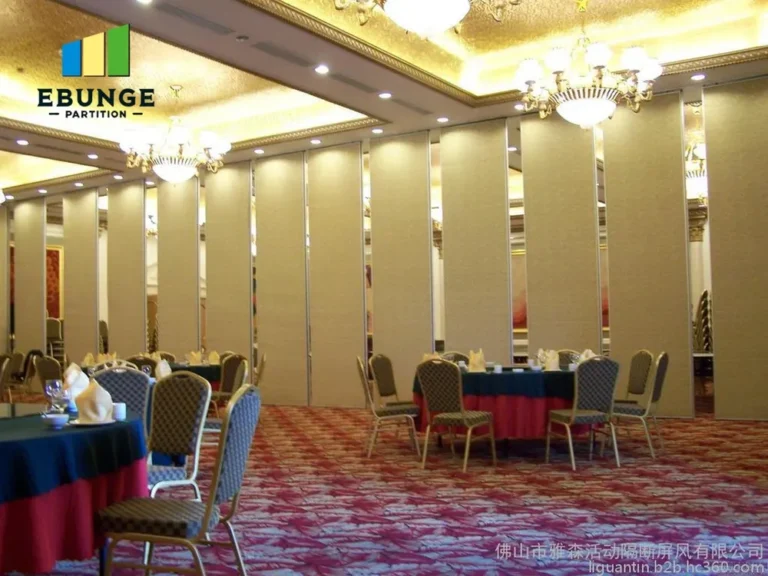
Acoustic Partition Solutions: What to Look For
Acoustic performance is a key selling point for restaurant private rooms. But beware of vague claims. Look for suppliers who can explain how their system achieves sound insulation:
- Perimeter seals (top, bottom, and sides) that compress to block sound leaks.
- Panel construction with sound-dampening cores and mass.
- Optional double-glazing or specialized infills for higher ratings.
Ask for a detailed acoustic test report from an independent lab. If the supplier cannot provide one, treat their claims as unverified. Your acoustic target should be written into the contract as a performance specification, not just a marketing bullet.
Installation Time and Ease: A Contractor’s Perspective
Installation time affects your project schedule. A top-hung system typically requires less on-site adjustment than a floor rail system because the floor does not need to be cut. However, installation still requires precision in aligning the track and hanging panels.
Ask the supplier about:
- Whether they provide installation drawings and a step-by-step guide.
- If they offer remote technical support or on-site supervision (at extra cost).
- Typical installation time for a similar project (but remember, this varies by site conditions).
Some suppliers offer pre-assembled panels that reduce labor on site. Others provide knock-down kits that require more assembly. Choose based on your crew’s skill level and the project timeline.
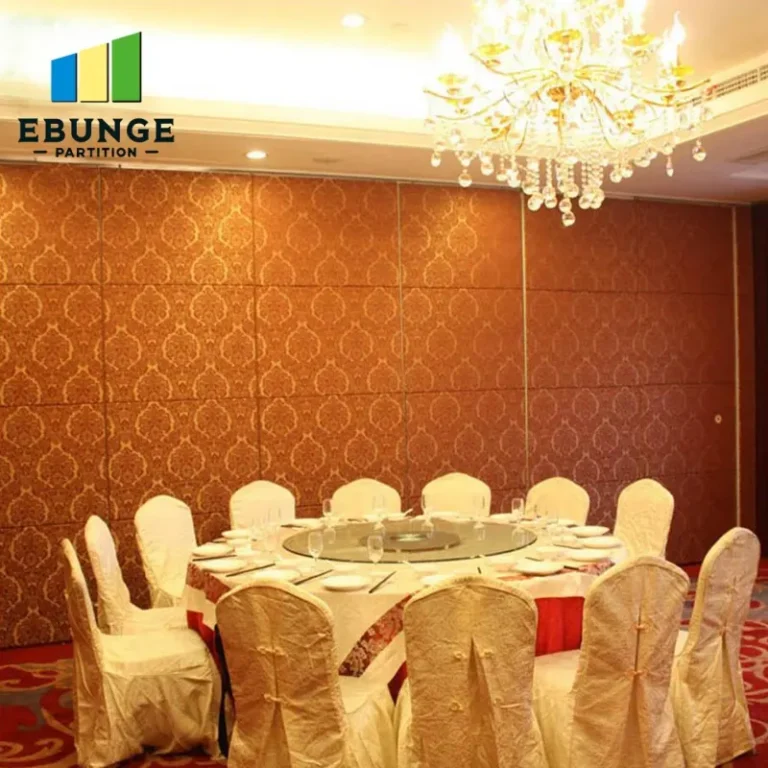
Share the opening, drawings, finish direction, and privacy target for a project-specific review.
Cost-Effectiveness: Beyond the Initial Quote
Cost-effectiveness is not just the lowest price. Consider the total cost of ownership:
- Durability: A cheaper wall that fails in a few years will cost more in replacements and lost revenue.
- Maintenance: Look for finishes that are easy to clean and resistant to scratches.
- Warranty: Understand what is covered and for how long. A longer warranty often indicates supplier confidence.
- Operational ease: If the wall is difficult to operate, staff may avoid using it, reducing the flexibility you paid for.
Ask for a breakdown of costs: product, shipping, customs, installation, and any spare parts. This helps you compare quotes fairly.
Warranty and After-Sales Support: The Safety Net
A reliable supplier stands behind their product. Ask about the warranty terms:
- What components are covered (track, panels, seals, hardware)?
- Is the warranty labor-only or parts-only?
- What is the process for filing a claim?
- Are spare parts available for the expected life of the product?
For overseas projects, after-sales support is critical. Will the supplier ship spare parts quickly? Do they have local distributors? Clarify these points before signing.
Supplier Reliability: Red Flags and Green Lights
During your interactions, watch for these signs:
| Green Lights | Red Flags |
|---|---|
| Responds within 24 hours with detailed answers | Vague answers or avoids technical questions |
| Provides references or case studies (without inventing) | No verifiable project examples |
| Offers a clear quotation process with defined steps | Pressure to sign without full specifications |
| Willing to provide samples or drawings for review | Reluctant to share technical documentation |
Trust your instincts. If a supplier seems evasive or over-promises, move on.
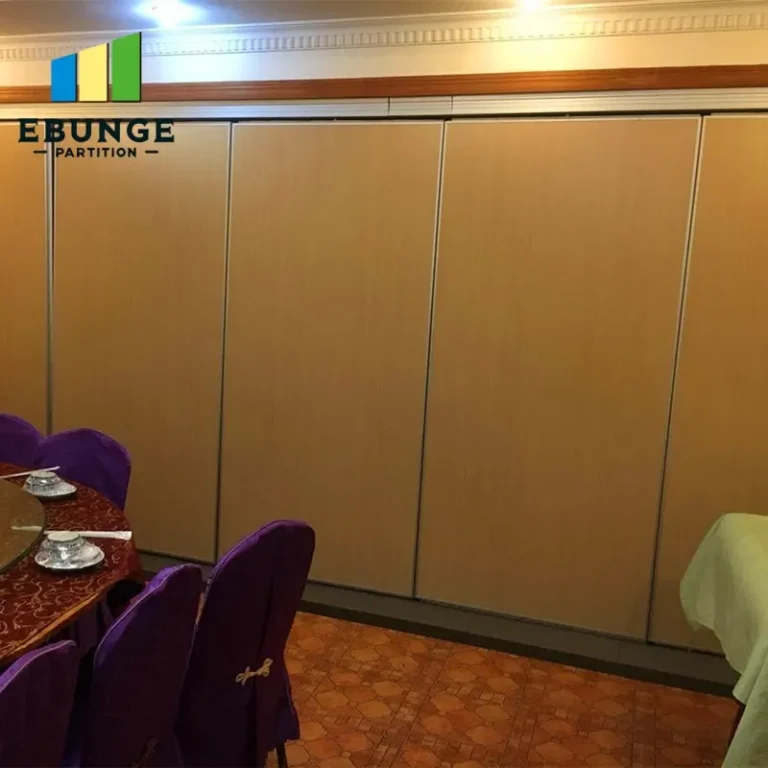
How to Prepare Your Inquiry for Maximum Conversion
To get the best response from a restaurant operable wall supplier, send a structured inquiry. Include the following:
- Project name and location.
- Opening dimensions and a simple sketch if possible.
- Your acoustic target (e.g., STC 40) or a description of noise issues.
- Finish preferences (color, material, sample requests).
- Any special requirements (e.g., motorized operation, curved panels).
- Your expected timeline and delivery address.
This shows you are organized and serious, which encourages the supplier to allocate time to your request. It also speeds up the quotation process and reduces the chance of misinterpretation.
Conclusion: Choosing the Right Restaurant Operable Wall Supplier
Selecting a restaurant operable wall supplier is a strategic decision. Focus on reliability, customization support, and clear communication. A supplier who asks the right questions and provides detailed documentation is more likely to deliver a product that meets your needs. Remember to share your opening size, drawings, acoustic target, finish preference, and project location to get an accurate quote. By following this guide, you will be well-prepared to make an informed choice.
Frequently Asked Questions
1. What is the typical lead time for a custom movable wall?
Lead times vary depending on the complexity and the supplier’s workload. A standard project might take 4-6 weeks for production, plus shipping time. Always confirm with the supplier and factor in customs clearance for overseas orders.
2. Can a movable partition wall be motorized?
Yes, many suppliers offer motorized options for large or heavy panels. This adds to the cost but improves ease of operation, especially for daily use. Discuss your needs with the supplier to see if motorization is feasible for your opening size.
3. How do I know the acoustic performance will meet my requirements?
Ask for an independent acoustic test report that matches your configuration. The report should specify the STC rating. If the supplier cannot provide one, you may want to request a sample or a mock-up for testing.
4. What is the difference between a top-hung and a floor rail system?
A top-hung system suspends the panels from an overhead track, leaving the floor clear. A floor rail system uses a guide on the floor, which can be a trip hazard and collect dirt. For restaurants, top-hung is often preferred for safety and aesthetics.
5. Can I get a custom finish to match my restaurant’s interior?
Yes, most suppliers offer a range of finishes, including laminates, veneers, and fabric. You can request samples to ensure the color and texture match your design. Be specific about your finish preference when requesting a quote.
For more insights on movable partition walls, explore our movable partition wall resources or read our blog for project tips. If you are ready to discuss your project, contact us with your requirements.
Send the opening size and drawings to discuss a differentiated restaurant operable wall supplier solution.