
When planning an exhibition hall renovation or new build, the choice of movable walls directly affects event flexibility, acoustic privacy, and long-term operational costs. For conference centers, the challenge is not just selecting a partition wall system, but ensuring that every technical detail—from opening size to acoustic target—is correctly specified before quotation. This article focuses on how to prepare your project for a reliable movable walls quotation, reducing decision risk and ensuring the final installation meets your event schedule and sound isolation needs.
To reduce risk in movable walls projects, conference centers should prepare a detailed project brief that includes exact opening dimensions, acoustic performance targets (such as STC or Rw values), finish preferences, and architectural drawings. Engaging a factory-direct supplier early, who can provide custom engineering and installation guidance, ensures that the quotation is accurate and that the system is designed for your specific application, minimizing surprises during installation and operation.
Why Accurate Specifications Matter for Movable Walls Quotations
In commercial investigation, the quotation is the foundation of your investment decision. For conference centers, a movable walls quotation is not just a price list; it is a technical proposal that must align with your architectural constraints and performance requirements. Inaccurate or incomplete specifications often lead to budget overruns, schedule delays, and acoustic failures. By defining your project parameters clearly, you enable suppliers to provide a precise, competitive quote that reflects your true needs.
The first step is to measure the opening size precisely, including height, width, and any irregularities. Since our movable wall systems use a top-hung track without a floor rail, the ceiling structure must support the weight and provide a continuous track path. Additionally, consider the stacking area where panels will park when not in use—this affects the usable exhibition space. Providing detailed drawings of the opening and surrounding structure helps the supplier assess feasibility and recommend the right partition wall system.
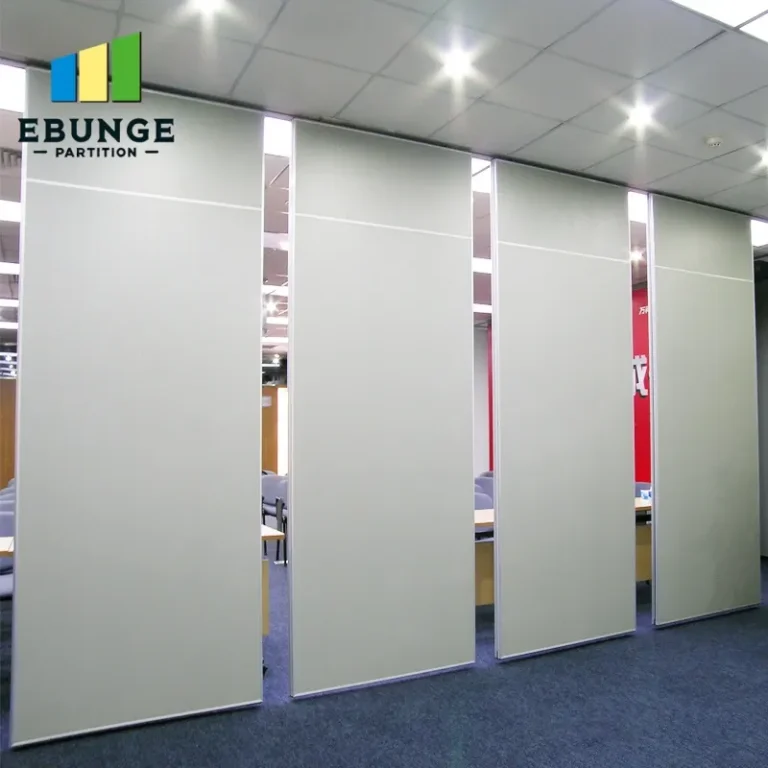
Need help turning the movable walls requirements into a practical project layout?
Acoustic Performance: Setting Realistic Targets
Sound privacy between adjacent events is a top concern for conference centers. However, acoustic performance is not a single number; it depends on the frequency range, the wall construction, and the flanking paths around the partition. Before requesting a quotation, define your acoustic target based on the type of events you host. For example, a conference session may require speech privacy, while a music performance may need higher isolation. Communicate these targets to the supplier so they can engineer the correct panel thickness, seals, and mass.
It is essential to understand that acoustic ratings (such as STC or Rw) are measured under laboratory conditions, and field performance may vary due to installation quality and structural flanking. Therefore, a reputable supplier will provide guidance on achieving the best real-world result, including detailed installation instructions and site preparation tips. Do not rely solely on marketing claims; ask for technical data sheets and, if possible, references from similar projects.
Customization for Non-Standard Openings
Exhibition halls often have non-standard openings, such as irregular heights, curved walls, or columns. A standard movable wall may not fit, leading to costly modifications or compromised acoustics. A factory-direct supplier can offer custom sizes and shapes, but this requires early coordination. Provide detailed drawings and measurements to the supplier, and discuss the possibility of custom panel widths, heights, and stacking configurations. Customization also extends to finishes—choose materials that match your interior design and durability requirements.
When requesting a quotation, ask specifically about custom options and their impact on cost and lead time. A transparent supplier will explain the engineering involved and provide a clear timeline. This upfront communication reduces the risk of unexpected changes during installation.
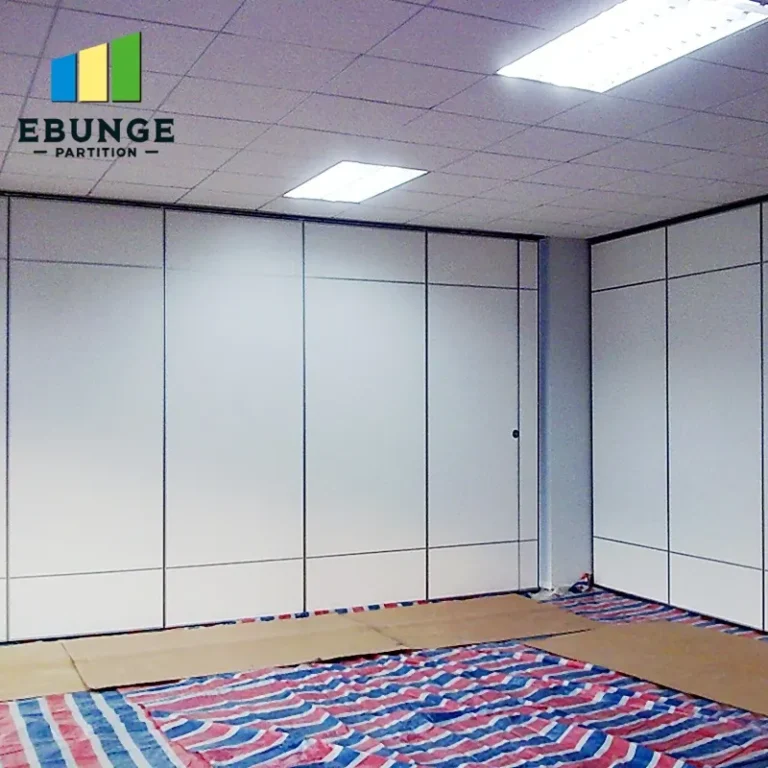
Installation Without Disrupting Operations
Conference centers cannot afford long closures. Therefore, the installation process must be planned carefully. Our movable wall systems are designed for efficient installation, but the schedule depends on site readiness. Ensure that the ceiling and floor are level, and that utilities are routed away from the track path. The supplier should provide a detailed installation plan, including the number of technicians, expected duration, and any required site preparation. Discuss access to the site, especially if the exhibition hall is on an upper floor or has limited entry points.
Ask about installation guidance: does the supplier provide on-site supervision, or is it a DIY assembly? For complex projects, factory-direct support is invaluable. They can train your maintenance staff on operation and minor repairs, reducing downtime in the future. By planning the installation phase, you minimize disruption to your events and ensure a smooth handover.
Durability and Maintenance for Frequent Reconfiguration
Movable walls in conference centers are used frequently, sometimes daily. Therefore, durability is critical. The panels must withstand repeated movement, sealing, and stacking without damage. Look for systems with robust track mechanisms, quality seals, and impact-resistant surfaces. Ask the supplier about the expected lifespan and maintenance requirements. Regular maintenance, such as cleaning tracks and adjusting seals, can extend the system’s life. The supplier should provide a maintenance checklist and be available for ongoing support.
When comparing quotations, consider the total cost of ownership, not just the initial price. A cheaper system may require more frequent repairs or have higher operational costs. Factor in the durability of materials and the availability of spare parts. A factory-direct supplier often provides better after-sales support, ensuring that your investment is protected.
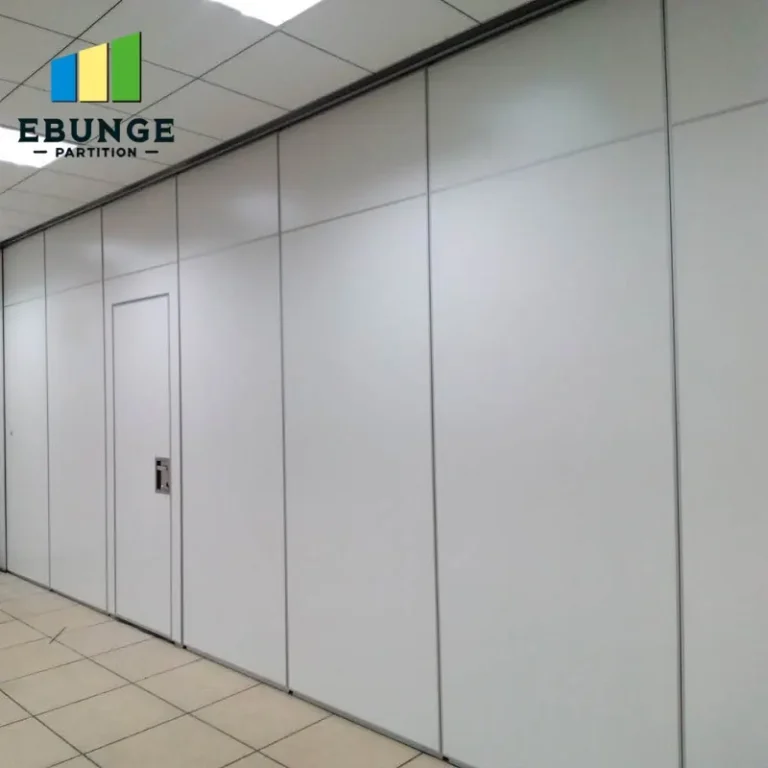
Share the opening, drawings, finish direction, and privacy target for a project-specific review.
Total Cost Transparency: Beyond the Initial Quote
The total cost of a movable walls project includes the product, installation, shipping, taxes, and any custom engineering. Ensure that your quotation itemizes these components. Ask about potential additional costs, such as structural reinforcement, electrical work for automated systems, or special finishes. A transparent supplier will provide a comprehensive breakdown, enabling you to compare offers fairly. Also, inquire about payment terms and warranties, but do not accept vague promises—get everything in writing.
Consider the cost of downtime during installation. A system that installs faster may justify a higher price. Similarly, a system that offers better acoustic performance may allow you to host higher-revenue events. Evaluate the quotation not as an expense but as an investment in your facility’s capability.
Checklist for Requesting a Movable Walls Quotation
To ensure you receive accurate and comparable quotations, use this checklist:
- Measure opening sizes (width, height, depth) and note any irregularities.
- Define acoustic targets (e.g., STC or Rw) for different event types.
- Specify finish preferences (e.g., fabric, laminate, paint) and durability needs.
- Provide architectural drawings (PDF or CAD) of the area, including ceiling structure.
- Indicate the number of panels and stacking configuration.
- Ask about custom sizes and their impact on cost and lead time.
- Inquire about installation services and site preparation requirements.
- Request a detailed cost breakdown and delivery schedule.
- Confirm ongoing support and maintenance services.
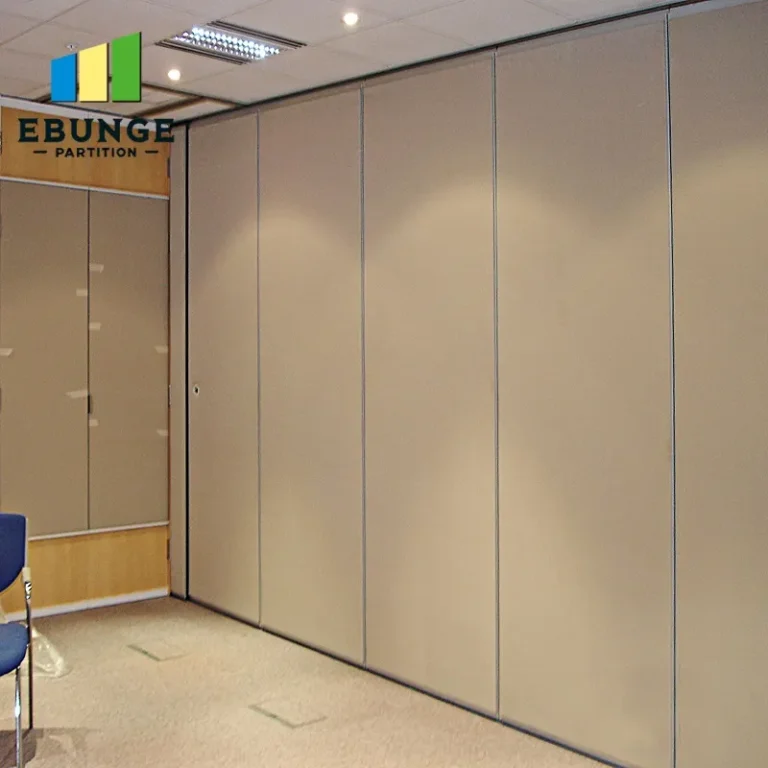
Why Factory Direct Support Reduces Risk
Working directly with a factory, rather than through a distributor, offers several advantages for conference centers. You have direct access to engineers who can answer technical questions, provide custom solutions, and resolve issues quickly. Factory-direct suppliers often offer better pricing because there are no middlemen, and they can provide more accurate lead times based on production schedules. Additionally, they can offer installation guidance and training, ensuring that your team is confident in operating the system.
When evaluating suppliers, ask about their experience with conference centers and exhibition halls. Request case studies or references, but do not rely solely on them—verify the information independently. A supplier that is willing to share technical details and discuss challenges openly is more likely to be reliable.
Conclusion: Move Forward with Confidence
Reducing risk in a movable walls project starts with thorough preparation. By defining your opening size, acoustic targets, finishes, and providing detailed drawings, you enable suppliers to quote accurately and install efficiently. A factory-direct partner that offers custom project coordination and ongoing support can make the difference between a stressful renovation and a seamless upgrade. Remember, the goal is not just to buy a partition wall system, but to enhance your facility’s flexibility and acoustic performance for years to come.
Frequently Asked Questions
What information do I need to provide for a movable walls quotation?
You should provide exact opening dimensions (width, height, depth), acoustic performance targets, finish preferences, and architectural drawings of the area, including ceiling structure. This allows the supplier to design a system that fits your space and meets your performance needs.
How do I determine the acoustic performance I need?
Consider the types of events you host and the required level of speech privacy or sound isolation. For general conference sessions, a lower STC rating may suffice, while music performances may require higher ratings. Consult with the supplier to set realistic targets based on your usage.
Can movable walls be customized for non-standard openings?
Yes, many suppliers, including factory-direct ones, offer custom sizes and shapes. You must provide detailed measurements and drawings, and discuss the design early to ensure feasibility and cost-effectiveness.
How long does installation typically take?
Installation time varies based on the number of panels, site conditions, and the supplier’s crew. A detailed installation plan should be provided before you commit. On average, a simple installation may take a few days, but complex projects may take longer.
What ongoing maintenance is required for movable walls?
Regular maintenance includes cleaning the track, inspecting seals for wear, and checking panel alignment. The supplier should provide a maintenance checklist and be available for support. Proper maintenance extends the system’s lifespan and ensures consistent performance.
For more insights on movable partition costs and project planning, explore our Movable Partition Cost category and blog articles. To discuss your specific project, contact our team for factory-direct support.
Send the opening size and drawings to discuss a differentiated movable walls solution.