
Selecting the right hotel sliding partition finishes is a critical decision for architects working on banquet halls and event spaces. The finish not only defines the visual tone of the room but also must withstand the heavy use typical of hotel environments. This article focuses on the essential checks for evaluating finish options, helping you move from initial concept to a clear specification and quotation request. We’ll cover durability, acoustics, fire safety, maintenance, and the practical steps to ensure your project’s success.
Direct answer: When evaluating hotel sliding partition finishes, prioritize durability and acoustic performance, verify fire safety compliance, consider maintenance ease, and ensure the finish aligns with your design vision. Request samples and detailed technical data from the supplier, and always confirm exact specifications with project drawings and supporting documentation.
Why Finish Choice Matters in Hotel Banquet Halls
The finish of a movable partition wall is the most visible element in a banquet hall. It must complement the interior design while resisting scratches, impacts, and stains from furniture and event equipment. A poor finish choice can lead to frequent repairs, unhappy clients, and a tarnished reputation for the hotel. Therefore, your decision should be based on a balance of aesthetics, functionality, and long-term value.
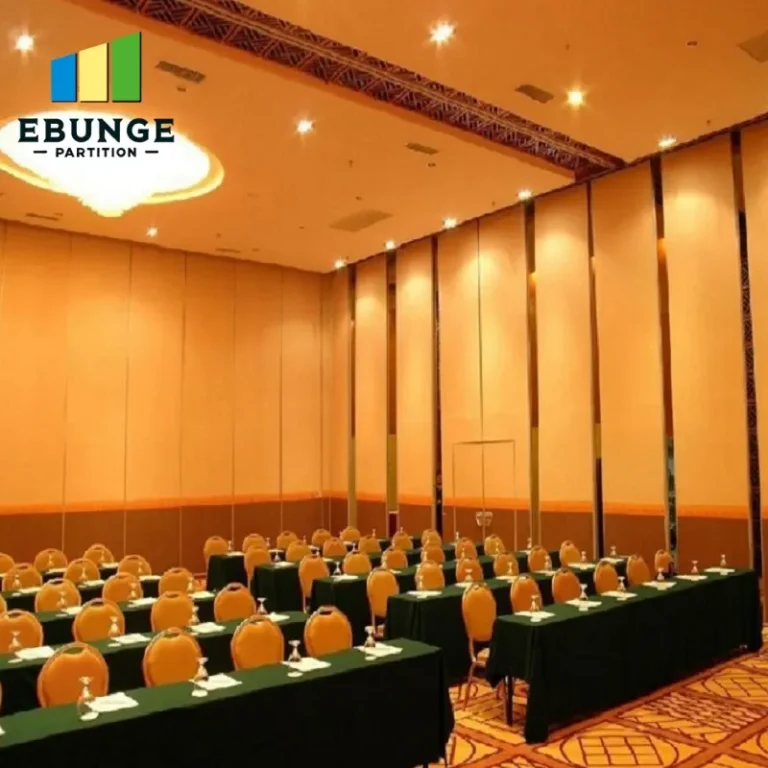
Need help turning the hotel sliding partition finishes requirements into a practical project layout?
Check 1: Assess Finish Durability for High-Traffic Areas
Hotel banquet halls experience constant movement of chairs, tables, and service carts. The partition surface must resist scuffs, dents, and abrasion. Look for finishes that are specifically designed for commercial use, such as high-pressure laminate (HPL), melamine, or vinyl wrapped panels. These materials offer a good balance of durability and cost. Ask the supplier for wear resistance data, but remember that real-world performance can vary. Always request a sample to test in your specific environment.
Check 2: Evaluate Acoustic Performance Retention
Finishes can affect the acoustic properties of a movable partition. Some finishes may add mass or damping, while others might reflect or absorb sound. The core material of the panel is the primary factor, but the finish can influence the final acoustic rating. When reviewing acoustic test reports, ensure they are for the complete partition system, including the finish, and that the test conditions match your project’s requirements. Do not rely solely on the finish for acoustic performance; the entire system must work together.
Check 3: Verify Fire Safety Compliance
Fire safety is non-negotiable in commercial buildings. The finish material must comply with local fire codes and have the necessary certifications. Common standards include ASTM E84 or EN 13501-1. Check the flame spread and smoke development ratings. Also, ensure that the finish does not compromise the fire resistance of the partition system. Request the supplier’s fire test certificates and confirm they are current and valid for the specific finish you are considering.
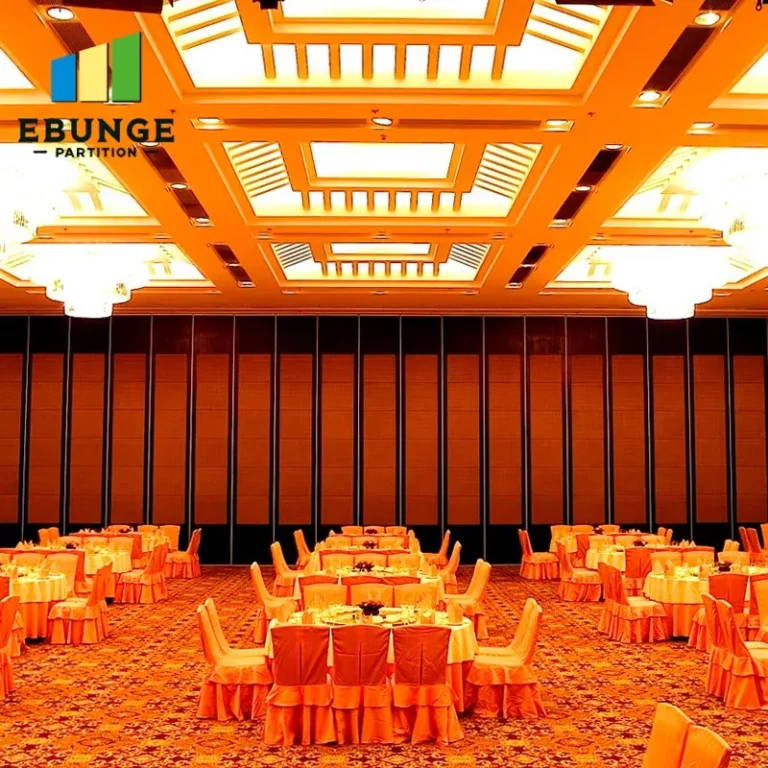
Check 4: Consider Ease of Maintenance
In a busy hotel, maintenance staff need to clean partition surfaces quickly and effectively. Finishes that are stain-resistant, easy to wipe down, and do not require special cleaning agents will save time and money. Avoid highly textured finishes that can trap dirt or porous materials that absorb spills. Ask about the manufacturer’s cleaning recommendations and test the finish with common cleaning chemicals used in hotels.
Check 5: Match Design Aesthetics with Customization Options
The finish should align with the hotel’s design concept. Many suppliers offer a range of standard finishes, but customization is often necessary for unique projects. You can customize colors, patterns, textures, and even incorporate branding elements. However, customization may affect cost and lead time. Be clear about your design goals and ask the supplier about the extent of customization they can offer, including any limitations.
Check 6: Understand Installation Timeline and Complexity
The finish can influence the installation process. Some finishes are pre-finished in the factory, while others may require on-site application. Pre-finished panels are generally faster to install and reduce on-site disruption. However, they may be more fragile during transport. Discuss the installation timeline with the supplier, including any special handling requirements for the finish. A clear schedule helps in planning the overall project.
Share the opening, drawings, finish direction, and privacy target for a project-specific review.
Check 7: Request Transparent Cost Breakdown
Cost is a major factor, but it should be evaluated in terms of value. Obtain a detailed quotation that breaks down the cost of the finish, the core, hardware, installation, and any additional components. Compare quotes from different suppliers, but be wary of significantly lower prices that may indicate inferior materials or hidden costs. Ask for a clear explanation of any variables that could affect the final price, such as customization or delivery charges.
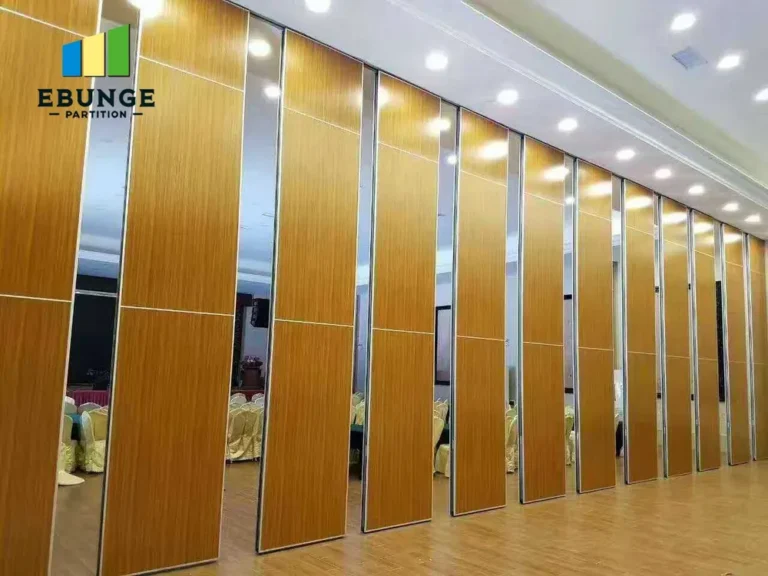
Check 8: Confirm Warranty and After-Sales Support
A good warranty provides peace of mind. Ask about the warranty on the finish and the entire partition system. Understand what is covered, the duration, and the process for making a claim. Also, inquire about after-sales support, such as availability of spare parts, touch-up kits, and technical assistance. A reliable supplier will stand behind their product and offer support throughout the product’s lifecycle.
Check 9: Prioritize Supplier Experience and Documentation
Finally, choose a supplier with a proven track record in hotel projects. They should provide comprehensive documentation, including technical drawings, installation manuals, and maintenance guides. Their experience can help avoid common pitfalls. When requesting a quotation, provide them with your opening size, drawings, acoustic target, finish preference, and project location. This enables them to give you accurate and complete information.
Practical Checklist for Evaluating Hotel Sliding Partition Finishes
| Check | Key Question | Documents/Data Needed |
|---|---|---|
| Durability | Is the finish resistant to scratches, impacts, and stains? | Wear test data, sample testing |
| Acoustics | Does the finish contribute to the required acoustic rating? | Acoustic test report for the complete system |
| Fire Safety | Does the finish meet local fire codes? | Fire test certificates (e.g., ASTM E84) |
| Maintenance | Is the finish easy to clean and maintain? | Manufacturer’s cleaning instructions |
| Aesthetics | Does the finish match the design intent? | Material samples, color swatches |
| Customization | Can the finish be customized to project requirements? | Supplier’s customization options |
| Installation | What is the installation timeline and complexity? | Installation manual, project schedule |
| Cost | Is the cost transparent and within budget? | Detailed quotation |
| Warranty | What warranty and after-sales support are provided? | Warranty documentation |
Frequently Asked Questions
What is the most durable finish for a hotel movable wall?
High-pressure laminate (HPL) is widely considered durable for commercial environments, but the actual durability depends on the core and the quality of the finish. Always test samples in your specific application.
Can the finish affect the acoustic rating of a partition?
Yes, the finish can influence the acoustic performance, but the core and overall system design are more critical. Ensure you review the complete system’s acoustic test report.
Are custom finishes available for hotel partitions?
Many suppliers offer customization, including colors, patterns, and textures. However, customization may impact cost and lead time. Discuss your requirements with the supplier.
How do I know if a finish meets fire safety regulations?
Ask the supplier for current fire test certificates and confirm they comply with local building codes. Common standards include ASTM E84 and EN 13501-1.
What information should I provide when requesting a quotation?
Provide the opening size, drawings, acoustic target, finish preference, and project location. This helps the supplier give an accurate quotation and technical guidance.
Conclusion: From Evaluation to Specification
Choosing the right hotel sliding partition finishes requires a systematic approach. By focusing on durability, acoustics, fire safety, maintenance, aesthetics, cost, and supplier support, you can make an informed decision that meets your project’s needs. Remember to rely on verified documentation and samples, and always request a comprehensive quotation. For more insights on movable partition systems, explore our movable partition wall resources and blog posts. If you are ready to discuss your project, contact us for personalized assistance. For more on finishes, visit our Movable Partition Finishes category.
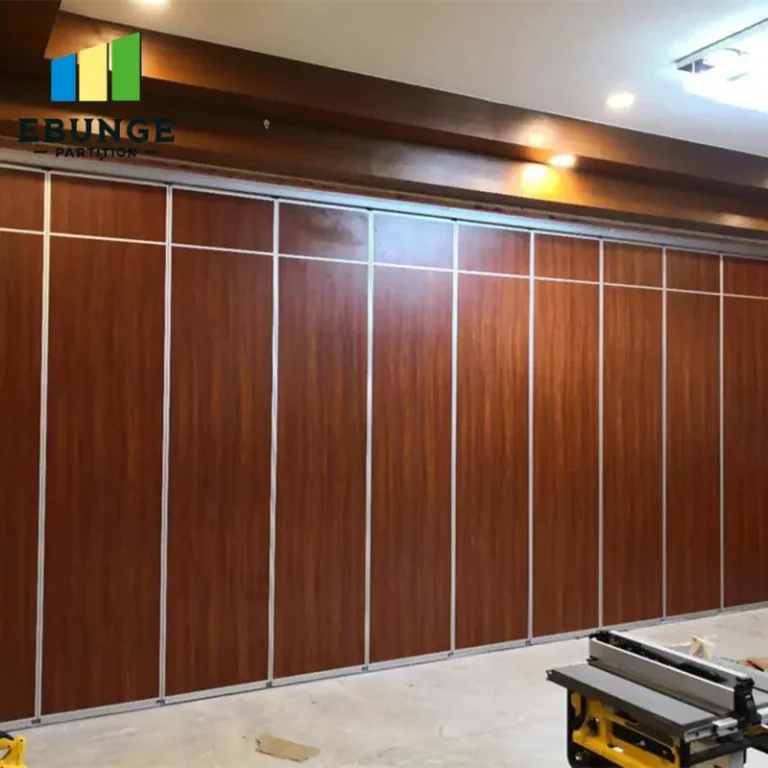
For this buyer review, hotel sliding partition finishes should be checked against the confirmed opening, drawings, operating plan, and project specification.
Send the opening size and drawings to discuss a differentiated hotel sliding partition finishes solution.