
When planning a hotel banquet hall, the choice of a movable partition wall system is a pivotal decision that affects functionality, aesthetics, and acoustics. For interior designers, navigating the complexities of hotel folding partition planning requires a clear understanding of technical specifications, operational needs, and budget constraints. This article addresses the most pressing buyer questions, providing actionable insights to streamline your decision-making and prepare for supplier inquiries. Whether you are dividing a large hall into intimate spaces or creating flexible event venues, this guide helps you evaluate options with confidence.
Direct Answer: For hotel folding partition planning, focus on defining your acoustic requirements, track system type, and operational ease. Prioritize a top-hung track system without floor rails to ensure seamless flooring and easy maintenance. Always request detailed drawings and specifications from suppliers, and confirm that the system meets local fire safety and accessibility standards.
Hotel Folding Partition Planning: What Acoustical Performance Do You Really Need?
Acoustic insulation is often the primary concern when dividing banquet halls. The sound transmission class (STC) rating indicates how well a wall reduces sound. For typical banquet events, an STC of 40-45 may suffice, but if you have simultaneous events with high noise levels, consider higher ratings. However, exact performance depends on the wall’s construction, seals, and installation quality. Always verify that the supplier provides test reports from accredited labs. Discuss your specific noise sources (e.g., live music, presentations) with the supplier to determine the appropriate target.
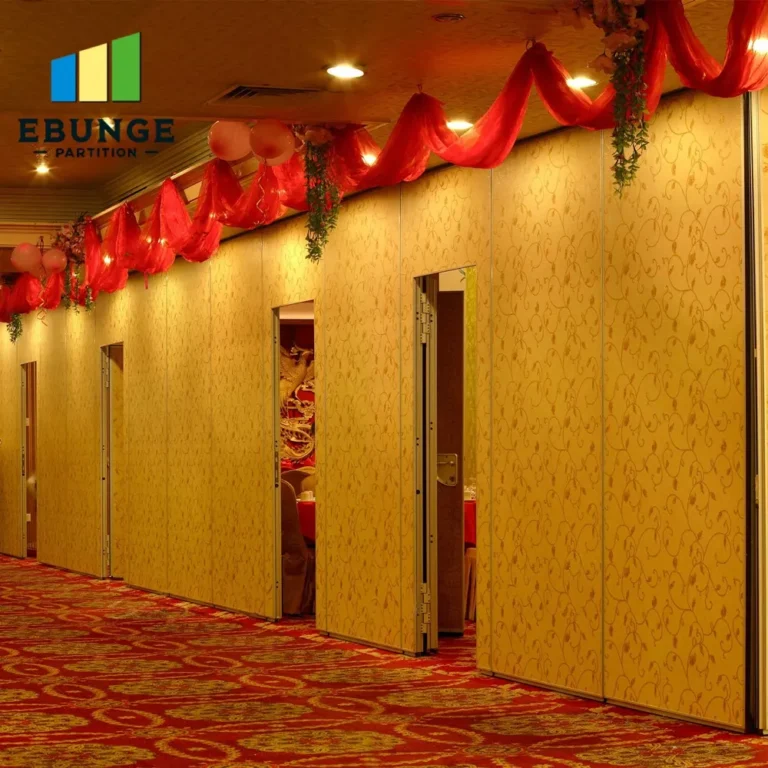
Need help turning the hotel folding partition planning requirements into a practical project layout?
How Does the Track System Affect Layout Flexibility?
The track system is the backbone of a movable partition. A top-hung track system, where the wall hangs from an overhead rail, allows for smooth operation and eliminates floor tracks, which can trip hazards and collect dirt. This design also enables easy reconfiguration of spaces without altering the flooring. Consider the radius of curved tracks if you need non-linear layouts. Ensure the track is robust enough to support the wall’s weight and frequent movement. Ask about the track’s material (e.g., galvanized steel) and its load capacity relative to your wall dimensions.
What Are the Fire Safety and Compliance Considerations?
Fire safety is non-negotiable in commercial spaces. Movable partition walls must comply with local building codes, including fire resistance ratings. Check if the wall’s materials are fire-rated and if the system includes intumescent seals that expand when heated to block smoke and flames. The supplier should provide documentation of compliance with standards like ASTM E119 or equivalent. Also, consider the wall’s impact on fire sprinkler coverage and emergency egress routes. Coordinate with your architect and local authorities to ensure full compliance.
How Durable Is the Partition for Daily Use?
In a busy hotel, partitions are used frequently. Durability involves the frame’s strength, panel surface resistance to scratches and dents, and the quality of seals that wear over time. Look for panels with high-density cores and laminate or steel facings that can withstand impact. Ask about the warranty on components like seals and rollers. While exact lifespan depends on usage, a well-maintained system can serve for decades. Regular inspections and replacement of worn parts are essential.
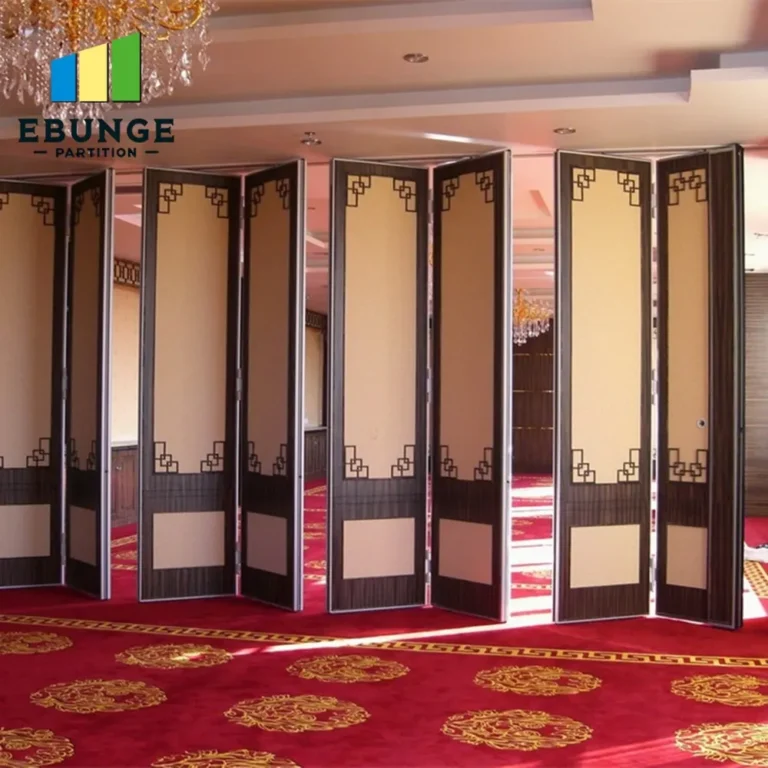
How Easy Is the Partition to Operate?
Operational ease affects staff efficiency and user satisfaction. Manual systems are cost-effective but require physical effort, especially for large panels. Motorized partitions offer push-button convenience, ideal for frequent reconfiguration. Consider the stacking method – how panels fold and store – to minimize space. Ensure that the operation is smooth, with minimal noise, and that controls are accessible. For banquet halls, quick setup and takedown are crucial to maximize event turnover.
What Maintenance and Cleaning Are Required?
Maintenance should be straightforward to avoid downtime. Top-hung systems without floor rails reduce cleaning effort. Panels with smooth, non-porous surfaces are easier to wipe down. Ask about the recommended maintenance schedule, such as lubricating rollers and checking seals. Inquire about the availability of spare parts and the supplier’s service network. Also, consider the cost of cleaning fabrics or finishes, as some materials may require professional care.
Share the opening, drawings, finish direction, and privacy target for a project-specific review.
How Long Does Installation Take and What Is the Timeline?
Installation timelines affect your project schedule. The complexity of the system, site conditions, and supplier’s workload influence duration. Typically, installation may take a few days to a week, but this varies. Request a detailed installation plan and confirm that the supplier coordinates with other trades, such as electrical and HVAC. Ensure that the site is ready, with proper overhead support and clear access. Delays can be mitigated by providing complete drawings and specifications early.
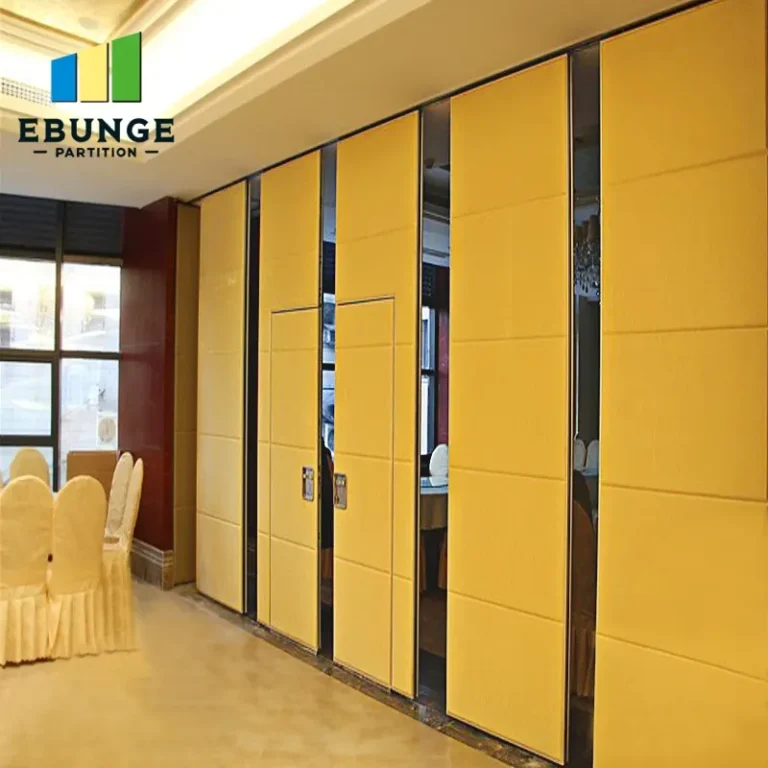
What Is the Cost Structure and How Transparent Is It?
Cost transparency is vital for budgeting. Request a detailed quotation that breaks down costs for panels, track, hardware, installation, and any custom finishes. Be wary of hidden fees such as shipping, taxes, or engineering charges. While we do not provide specific prices, you can compare quotes from multiple suppliers. Ensure that the quotation includes all necessary components and services. Also, discuss payment terms and potential cost overruns due to change orders.
Checklist for Evaluating Movable Partition Suppliers
| Criterion | Questions to Ask |
|---|---|
| Acoustic Performance | What is the STC rating? Can you provide test reports? |
| Track System | Is it top-hung? What is the load capacity? Any floor rails? |
| Fire Safety | What fire rating does it have? Does it meet local codes? |
| Durability | What materials are used? What warranty is offered? |
| Operation | Is it manual or motorized? How smooth is the movement? |
| Maintenance | What is the recommended maintenance frequency? |
| Installation | How long does installation take? Who handles it? |
| Cost | What is included in the quote? Are there extras? |
Preparing for Supplier Inquiries: Key Information to Share
To get accurate quotes and proposals, provide suppliers with essential details: the opening size (width and height), architectural drawings, acoustic target (e.g., STC 45), finish preferences (e.g., wood veneer, fabric), and the project location. This information enables suppliers to tailor solutions and pricing. Also, mention any special requirements like curved tracks or soundproofing for specific events.
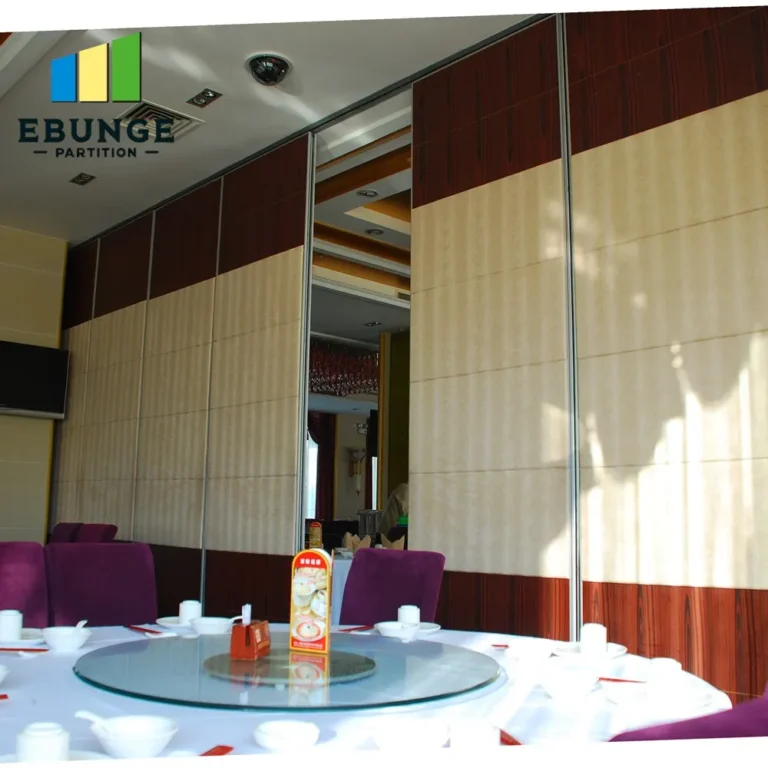
Conclusion
Hotel folding partition planning is a detailed process that requires careful consideration of acoustics, track systems, safety, durability, and cost. By asking the right questions and demanding transparent documentation, you can select a system that meets your design vision and operational needs. Always verify specifications with your supplier and ensure that all decisions are backed by confirmed data from project drawings and quotes. For further guidance, explore our movable partition wall resources or contact our team for personalized assistance.
Frequently Asked Questions
What is the average STC rating for hotel partitions?
STC ratings vary, but common ranges are 40-50. The exact rating depends on the wall’s construction and seals. Always confirm with the supplier’s test data.
Can a top-hung track support a heavy partition?
Yes, top-hung systems are designed to handle significant weight, but the track must be properly sized and installed. Verify the load capacity with the supplier.
Are movable partitions fire-rated?
Many are, but it depends on the materials and design. Ensure the system meets your local fire safety codes and request documentation.
How often should movable partitions be serviced?
Typically, an annual inspection is recommended, but high-usage venues may need more frequent checks. Follow the supplier’s maintenance guide.
What information do I need for a quote?
Provide opening dimensions, drawings, acoustic target, finish preferences, and project location. This helps suppliers give accurate estimates.
For this buyer review, hotel folding partition planning should be checked against the confirmed opening, drawings, operating plan, and project specification.
Send the opening size and drawings to discuss a differentiated hotel folding partition planning solution.