
As an interior designer, specifying a hotel acoustic movable wall supplier for a banquet hall involves more than just picking a product. You need a partner who can translate your design vision into a functional, sound-controlled space, while navigating technical complexities and budget constraints. This guide focuses on the critical decisions, quotation readiness, and technical requirements to help you evaluate suppliers and ensure your project’s success.
Direct Answer: A reliable hotel acoustic movable wall supplier for banquet halls should offer a top-hung track system without floor rail, provide custom project coordination, and support you with drawings and installation guidance. Prioritize suppliers who ask for your opening size, drawings, acoustic target, finish preference, and project location, ensuring a tailored quote and smooth execution.
Hotel Acoustic Movable Wall Supplier: Understanding the Role of a Movable Partition Wall in Banquet Halls
Movable partition walls are essential for maximizing flexibility in hotel banquet halls, allowing you to divide large spaces into smaller, private rooms for events. The right operable wall system not only enhances functionality but also contributes to the aesthetic appeal and acoustic comfort of the venue. When evaluating suppliers, it’s crucial to understand how their products integrate with your design and meet the specific acoustic requirements of each event.
Acoustic performance is a primary concern, as poor sound insulation can lead to guest complaints and lost business. A well-designed acoustic partition solution should provide effective sound privacy, but exact performance levels depend on the wall’s construction, seals, and installation quality. Always verify claimed STC ratings with detailed test data, and consider on-site conditions that may affect real-world performance.
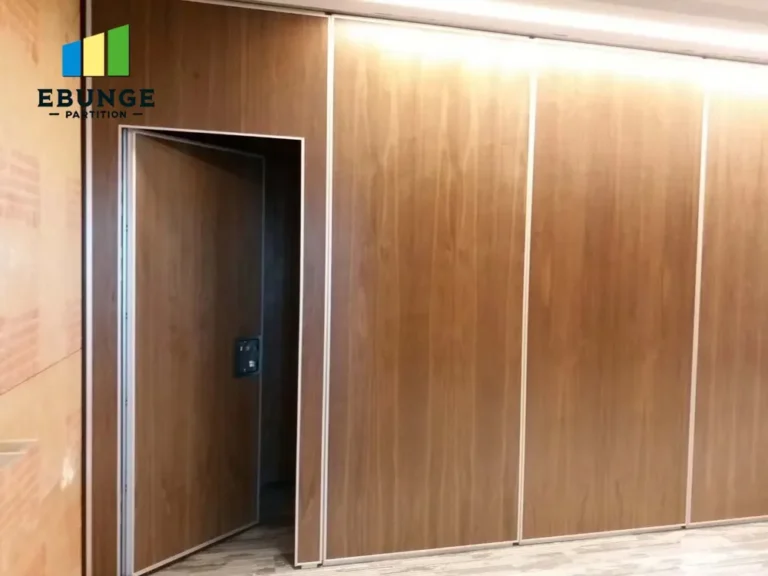
Need help turning the hotel acoustic movable wall supplier requirements into a practical project layout?
Key Technical Requirements for Banquet Hall Applications
When specifying a movable partition wall for a hotel banquet hall, several technical aspects must be considered:
- Top-Hung Track System: A top-hung system, where the wall is suspended from an overhead track, eliminates the need for a floor rail, creating a seamless and safe floor surface. This is particularly important in banquet halls where temporary flooring or dance floors are often installed.
- Customization Options: Walls must be customizable in terms of dimensions, finish (e.g., fabric, wood veneer, or laminate), and configuration (e.g., single or multiple panels). Ensure the supplier can accommodate your design specifications.
- Material Quality: The materials used, including the core (often gypsum or steel) and the surface, affect durability, fire resistance, and acoustic performance. Ask for material certifications and test reports.
- Installation Complexity: Understand the installation process, including the required ceiling load and structural support. A supplier that provides detailed installation drawings and guidance can prevent costly errors.
Evaluating Acoustic Performance and Sound Privacy
Acoustic performance is often the top concern for designers when choosing a hotel acoustic movable wall supplier. Sound privacy is crucial for events like conferences, weddings, and banquets, where simultaneous activities may occur in adjacent spaces. When evaluating suppliers, ask for:
- Acoustic Test Reports: Request independent test data showing sound transmission class (STC) ratings. Remember that these ratings are laboratory-based and may differ from field performance.
- Sealing Systems: Inquire about the perimeter seals (top, bottom, and vertical edges) that minimize sound leaks. A well-designed seal system is critical for achieving the rated acoustic performance.
- Design Considerations: Discuss your specific acoustic target (e.g., 50 STC) early in the process. The supplier should be able to recommend the appropriate wall configuration and materials to meet your goals.
It’s important to note that exact acoustic performance can only be guaranteed through proper installation and adherence to manufacturer specifications. Avoid suppliers who make vague promises without supporting data.
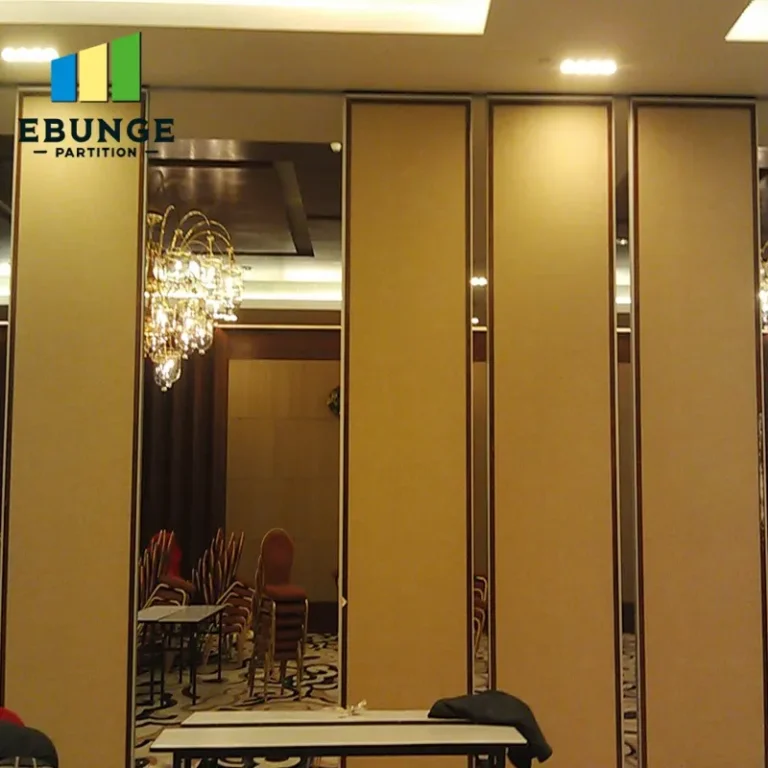
Customization Options for Design Flexibility
Every hotel has a unique aesthetic, and your movable partition walls should complement the interior design. A reputable supplier will offer a wide range of customization options, including:
- Finishes: Choose from various fabrics, vinyls, wood veneers, or painted surfaces to match your design theme.
- Panel Sizes and Configurations: Customize the width and height of panels to fit your specific opening, and select stacking options that maximize storage space.
- Glazing Options: Incorporate glass panels to allow natural light or create see-through partitions for visual connectivity.
- Accessories: Integrate doors, whiteboards, or projection screens within the wall system for added functionality.
When discussing customization, provide the supplier with detailed drawings and your finish preferences. This ensures accurate quotations and reduces the risk of misunderstandings.
Quotation Readiness: Information to Prepare
To receive an accurate and competitive quote from a hotel acoustic movable wall supplier, you should be prepared to share specific project details. This not only speeds up the process but also demonstrates that you are a serious buyer. Key information includes:
- Opening Size: Provide the exact width and height of the opening(s) to be divided.
- Drawings: Share architectural or interior design drawings that show the space, ceiling details, and any structural constraints.
- Acoustic Target: State the desired STC rating or the level of sound privacy required.
- Finish Preference: Specify the desired surface finish and material.
- Project Location: Mention the city and country, as this may affect logistics, compliance, and installation costs.
By providing this information upfront, you enable the supplier to offer a tailored solution and a more precise quote. It also filters out suppliers who are not capable of handling custom projects.
Assessing Supplier Reliability and After-Sales Support
Beyond the product itself, consider the supplier’s reputation and the level of support they offer throughout the project lifecycle. Ask about:
- Experience: How many hotel projects have they completed? Can they provide references?
- Delivery Timelines: What is their typical lead time for manufacturing and delivery? Ensure it aligns with your construction schedule.
- Installation Support: Do they provide installation supervision or training? A supplier that offers on-site guidance can prevent issues.
- After-Sales Service: What is their warranty policy? How do they handle maintenance or replacement parts?
- Compliance: Do their products meet local building codes and fire safety regulations? Request documentation.
Remember that the cheapest quote may not be the best value. Weigh the supplier’s track record and support against the price to make an informed decision.
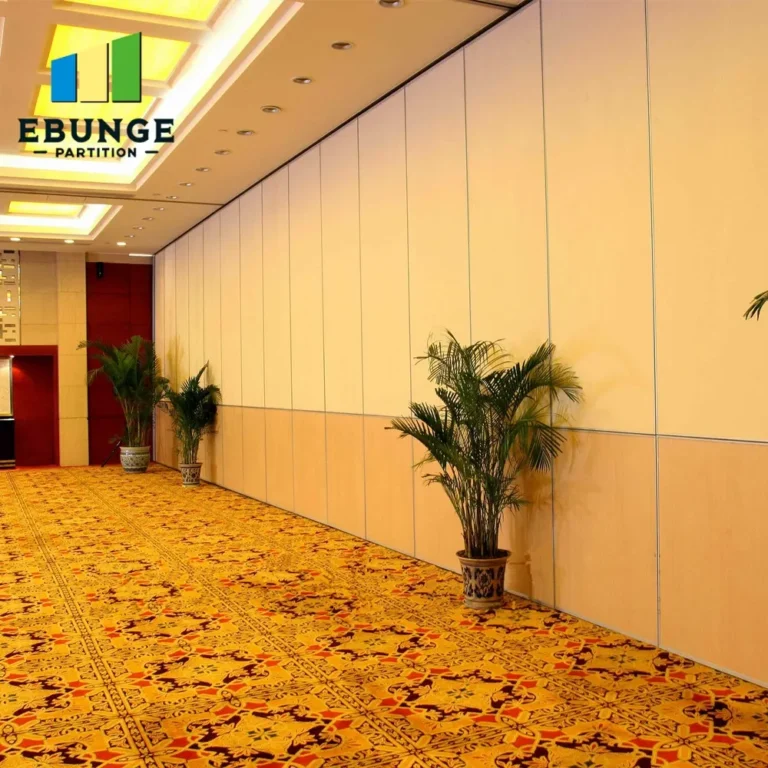
Share the opening, drawings, finish direction, and privacy target for a project-specific review.
Comparing Suppliers: A Checklist
Use this checklist to compare potential suppliers and ensure you cover all critical aspects:
| Criteria | Questions to Ask | Importance |
|---|---|---|
| Acoustic Performance | What is the STC rating? Do you have test reports? | High |
| Track System | Is it top-hung without floor rail? What is the maximum panel weight? | High |
| Customization | Can you match our finish? What panel sizes are possible? | High |
| Material Quality | What materials are used? Are they certified? | Medium |
| Installation Complexity | Do you provide installation drawings? What are the structural requirements? | High |
| Delivery Timelines | What is your lead time? Can you meet our deadline? | Medium |
| Cost Transparency | What is included in the quote? Are there any hidden costs? | High |
| After-Sales Support | What warranty do you offer? How do you handle issues? | Medium |
This checklist will help you evaluate suppliers objectively and ensure no critical factor is overlooked.
Navigating Building Codes and Compliance
Compliance with local building codes and fire safety regulations is non-negotiable. Your hotel acoustic movable wall supplier should be knowledgeable about these requirements and able to provide products that meet them. Ask for:
- Fire Resistance Ratings: Ensure the wall system has the appropriate fire rating for your jurisdiction.
- Accessibility: Consider ADA or other accessibility standards if the movable wall affects pathways or doorways.
- Certifications: Look for products that have been tested and certified by recognized bodies.
By addressing compliance early, you can avoid costly delays and modifications during the construction phase.
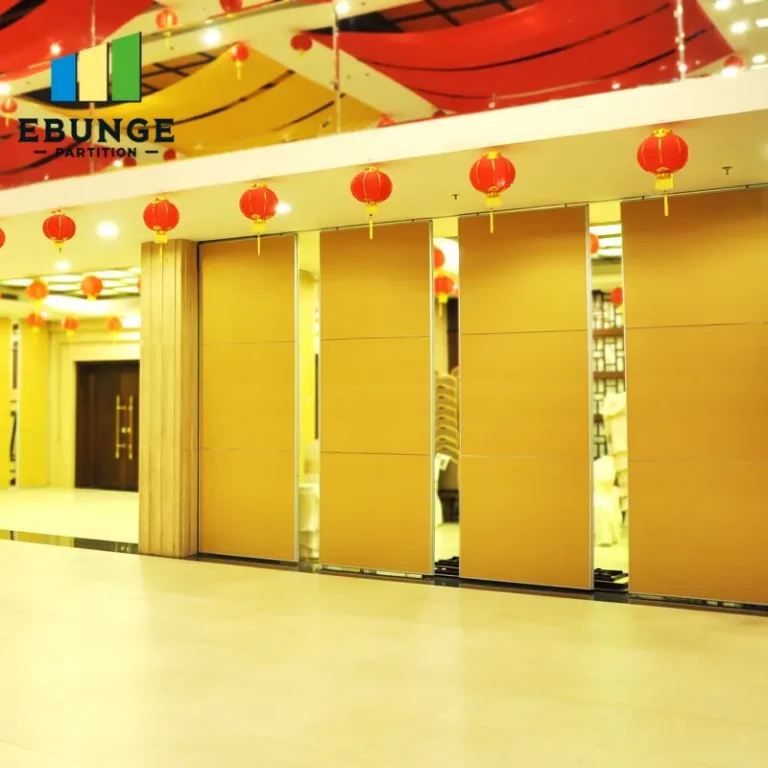
Integrating with Your Design: Drawings and Installation Guidance
A supplier that offers detailed drawings and installation guidance is invaluable. They should provide:
- Shop Drawings: Detailed fabrication and installation drawings that can be used by your contractor.
- Installation Manuals: Clear instructions for on-site assembly and operation.
- Technical Support: A dedicated contact for questions during installation and after.
This level of support reduces the risk of errors and ensures the final installation meets your expectations. When communicating with suppliers, be clear about your project’s technical requirements and ask for their recommendations.
Conclusion: Choosing the Right Partner
Selecting the right hotel acoustic movable wall supplier is a strategic decision that impacts the functionality and success of your banquet hall. By focusing on technical requirements, acoustic performance, customization, and supplier reliability, you can make an informed choice. Remember to prepare your project details, ask the right questions, and prioritize suppliers who offer transparent communication and comprehensive support. For more insights on movable partition walls and supplier selection, explore our movable partition wall resources and blog articles. If you’re ready to discuss your project, contact us for personalized assistance.
Frequently Asked Questions
1. What is the typical lead time for a custom movable wall?
Lead times vary depending on the complexity of the project and the supplier’s workload. Generally, you should expect 4-8 weeks for manufacturing, plus shipping time. Always confirm the exact timeline with your supplier and factor in potential delays.
2. Can I install a movable wall myself?
Installation should be performed by professionals, as it involves structural considerations and precise adjustments. Some suppliers offer installation services or can recommend certified installers. Improper installation can compromise acoustic performance and safety.
3. How do I determine the acoustic performance I need?
Consider the types of events and the desired privacy level. For banquet halls, an STC rating of 50 is often recommended, but your specific needs may vary. Consult with your supplier and acousticians to set realistic targets.
4. Are movable walls customizable to match my hotel’s decor?
Yes, most suppliers offer a range of finishes and materials. You can choose from various fabrics, wood veneers, or laminates, and even incorporate glazing or other features to match your design.
5. What maintenance is required for movable walls?
Regular maintenance includes cleaning the tracks, inspecting seals, and ensuring the panels operate smoothly. Your supplier should provide a maintenance guide. Proper care extends the lifespan of the wall system.
Send the opening size and drawings to discuss a differentiated hotel acoustic movable wall supplier solution.