
Quick answer: handover file track zone concealed
Review focus: handover file track zone concealed.
Handover file track zone concealed interface evidence matters because the most important parts of a top-hung movable partition system are often the least visible after completion. Panels are individually movable, suspended from a top track, cross the opening without a floor track, and park at a planned stacking position. Once ceilings, bulkheads and finishes close around the track zone, the interface between structure, track and adjacent construction becomes difficult to inspect directly. A handover file cannot turn hidden work into visible work, but it can record what was reviewed, what was assumed and what still requires project-specific confirmation.
Why the Track Zone Is an Evidence Problem
Project review term: handover file track zone concealed.
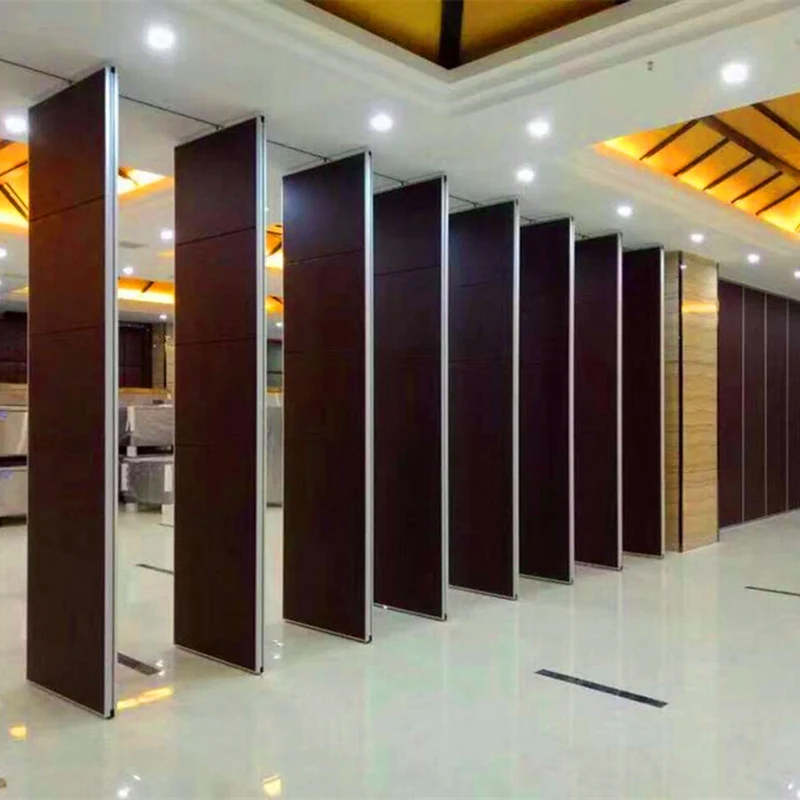
The track zone is a coordination zone, not a single product. It involves the overhead route, the supporting structure, the transition to adjacent walls or ceilings, and the parking area. Because the panels hang from above and do not rely on a continuous floor running track, the overhead route must be continuous and connected wherever movement is proposed. A drawing can show intent, but it does not by itself prove that the installed condition matches that intent.
This is why handover documentation should be read as a record of decisions and checks, not as a performance certificate. It can show that a route was reviewed, that interfaces were identified and that open items were listed. The exact overhead route and support arrangement must be confirmed by the responsible project team from coordinated drawings.
What a Handover File Can Reasonably Record
Coordination scope: handover file track zone concealed.
A useful handover file for track zone concealed interfaces typically records the reviewed layout, the agreed movement routes, the parking strategy and the visible condition at handover. It may also include approved finish references, pass-door requirements and project documentation notes. These are coordination records. They help future teams understand what was intended and what was confirmed.
What the file should not do is imply hidden performance. A photograph of a closed ceiling does not prove the support condition above it. Visible references can support layout discussion but do not verify hidden construction or performance. A route drawing does not prove that every support point was installed as drawn. Each of these statements requires its own project-specific evidence.
Evidence note: visible versus concealed
Visible evidence at handover is limited to what can be seen, measured or reviewed without destructive opening. Concealed conditions require separate verification during construction, not inference from the finished surface.
A Practical Checklist for Interface Documentation
Checklist focus: handover file track zone concealed.
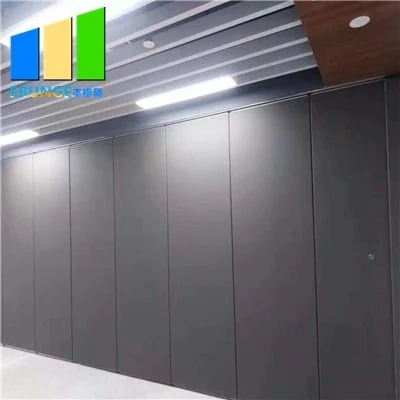
Before sign-off, project teams can use a simple checklist to separate what is documented from what is assumed. The checklist below is generic and should be adapted to the project’s own drawing review and approval process.
- Reviewed layout showing straight, turning and stacking routes where applicable.
- Overhead route continuity noted for every proposed movement path.
- Parking position and stacking arrangement recorded as coordinated.
- Interface locations between track zone and adjacent construction identified.
- Approved finish references listed without implying performance.
- Pass-door requirements and access provisions noted where relevant.
- Open items and project-specific confirmations listed separately.
- Documentation version and review date recorded.
This checklist does not replace engineering review. It simply helps a handover file stay honest about scope.
How to Read Drawings Without Overclaiming
Review focus: handover file track zone concealed.
Drawings are coordination tools. They show intended relationships, dimensions and routes. They do not prove that concealed supports, fixings or interfaces were installed exactly as shown. When a drawing is included in a handover file, it should be labelled with its status: reviewed, approved, as-built or superseded.
Teams should also distinguish between a route that is drawn and a route that is supported. A continuous connected overhead route is required for any proposed movement path. If a drawing shows a gap or an untracked transition, that is a coordination question, not a performance claim. The handover file should record the question and its resolution status.
Compact comparison: what each document can and cannot show
| Document type | Can support | Cannot prove |
|---|---|---|
| Layout drawing | Intended routes and parking position | Installed support condition |
| Finish schedule | Approved surface references | Acoustic or fire performance |
| Handover checklist | Items reviewed and open | Hidden work quality |
| Photograph | Visible condition at handover | Concealed interface details |
Coordinating Acoustic Concepts Without Inventing Results
Project review term: handover file track zone concealed.
The suitability of each route and parking arrangement depends on the approved layout, circulation, ceiling interfaces and operating sequence. A handover file can record that acoustic requirements were part of the specification and that seals or interface details were reviewed, but it should not claim a specific rating without matching project evidence.
Seals and interface details are often part of the concealed zone. Their presence can be documented, but their performance depends on the full assembly, installation quality and project conditions. For this reason, acoustic statements in a handover file should point to the project’s own verification process rather than to a generic product claim.
Common Coordination Gaps and How to Close Them
Coordination scope: handover file track zone concealed.
Most handover disputes around track zones come from gaps between trades. The ceiling contractor, the partition installer and the finishing team may each assume another party has confirmed the overhead route. A handover file can reduce this risk by naming the interface and recording who reviewed it.
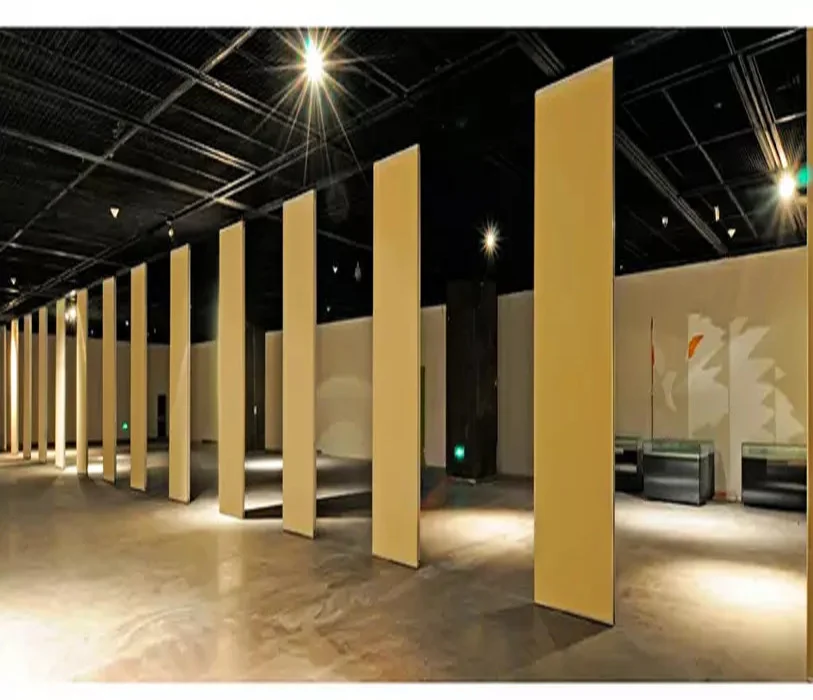
Another common gap is the parking area. Parking style is customized to the customer layout and project requirements, and compact stacking may be possible when the coordinated design permits it. The handover file should record the agreed parking arrangement and any conditions attached to it, without implying that every layout supports the same solution.
Numbered process for closing interface gaps
- Identify every concealed interface in the track zone.
- Assign a review owner for each interface.
- Record the review status and date.
- List any open items with a responsible party.
- Confirm that movement routes remain continuous and connected.
- Attach approved drawings and finish references with version labels.
- State clearly what remains subject to project-specific confirmation.
Frequently Asked Questions
What is the minimum evidence a handover file should include for a track zone?
At minimum, a reviewed layout showing the proposed routes and parking position, a record of interface locations, and a list of open items. The file should also state which conditions remain subject to project-specific confirmation.
Can a handover file prove acoustic performance?
No. A handover file can record that acoustic requirements were specified and that interface details were reviewed, but it should not claim a rating without matching evidence.
How should concealed supports be documented?
Concealed supports are typically verified during construction through inspection records or separate quality documentation. The handover file can reference those records, but it should not infer support condition from a finished ceiling or drawing alone.
What does a continuous overhead route mean?
It means that every proposed movement path has a connected overhead route. The exact route, junction arrangement, continuous overhead path and parking position must be confirmed from the coordinated project drawings. If a route is not continuous, that is a coordination issue to resolve before handover.
Can finishes be listed in the handover file?
Yes. Approved finish options include laminate, melamine, fabric, leather, glass and other approved surfaces.
Who should review the track zone interfaces?
The project team should assign review responsibility across the relevant trades. The handover file should record who reviewed each interface and when, without implying that one party can verify another party’s concealed work.
Conclusion: Evidence Boundaries Build Better Handover
A handover file for track zone concealed interfaces is most useful when it is precise about its limits. It should record reviewed routes, agreed parking, approved finishes, pass-door requirements and open items. For overseas contractors, architects, interior designers, owners and renovation teams, this discipline reduces disputes and supports clearer coordination.
To discuss project-specific documentation, drawing review or pass-door requirements, contact EBUNGE. You can also review movable wall products and explore additional project resources before finalising your handover checklist.