
When planning a government or public building project, especially a training center, the selection of a conference room partition is not just a matter of interior aesthetics. It is a decision that affects daily operations, long-term maintenance budgets, and the ability to comply with public sector procurement rules. As a buyer, you need a partition wall system that meets acoustic requirements, withstands high traffic, and offers ease of operation for years to come. This article focuses on the practical aspects of choosing and quoting a conference room partition, helping you reduce project risk and prepare for a successful investment.
Direct answer: For a government or public building project, the ideal conference room partition is a top-hung, acoustic movable partition wall system that operates without a floor rail, ensuring safety and easy maintenance. When requesting quotations, specify the opening size, acoustic target (e.g., STC or Rw rating), finish preferences, and provide architectural drawings. Opt for a factory-direct supplier that offers custom project coordination, installation guidance, and after-sales support to mitigate long-term maintenance concerns.
Conference Room Partition: Why Space and Privacy Are Critical in Public Training Centers
Public training centers host a variety of activities, from workshops and seminars to confidential meetings. These venues require flexible spaces that can be quickly reconfigured to accommodate different group sizes and privacy levels. A conference room partition allows you to divide large halls into smaller rooms or open up the space for larger gatherings. However, the challenge lies in selecting a partition wall system that delivers both acoustic insulation and operational ease, especially in high-traffic environments where wear and tear are inevitable.
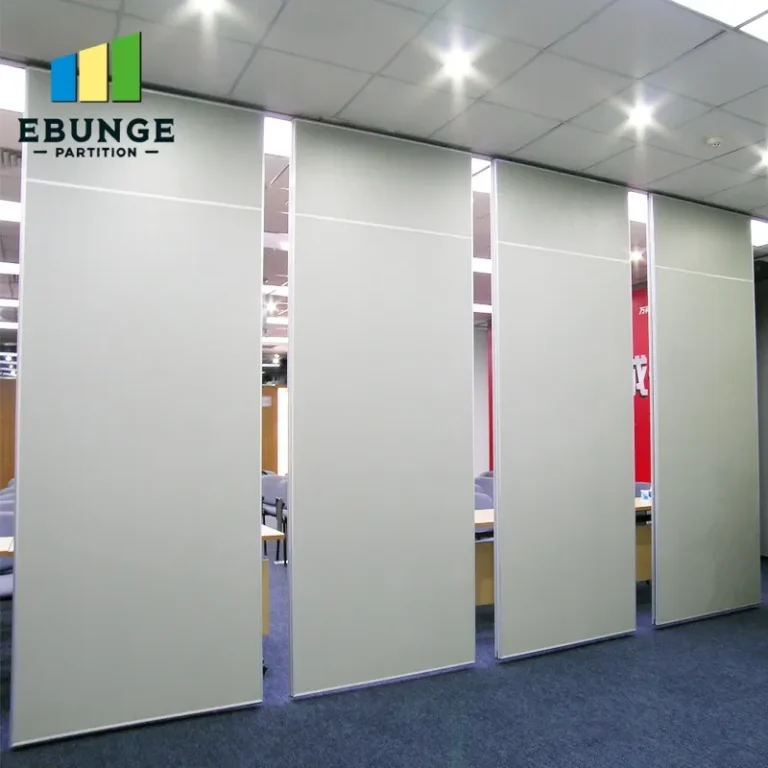
Need help turning the conference room partition requirements into a practical project layout?
Understanding Your Project’s Unique Requirements
Before diving into supplier comparisons, it is essential to define your project’s specific needs. Consider the following factors:
- Opening size: Measure the height and width of the opening to determine the number of panels required and the stacking space.
- Acoustic target: Identify the required sound insulation class (e.g., STC 45-50) based on the types of activities and adjacent spaces.
- Finish preferences: Choose materials that match the interior design and are durable for public use, such as laminate, fabric, or tackable surfaces.
- Operational frequency: How often will the partition be moved? This affects the mechanism and hardware quality.
- Compliance: Ensure the system meets local building codes, fire safety, and accessibility standards.
Key Considerations for Long-Term Maintenance
One of the primary pain points in government projects is the long-term maintenance of installed systems. A conference room partition that is difficult to operate or prone to damage can lead to recurring costs and operational disruptions. To mitigate these risks, consider the following:
Durability for High-Traffic Areas
Public buildings experience heavy usage, so the partition wall system must be robust. Look for features such as reinforced steel frames, impact-resistant panels, and high-quality seals that can withstand frequent movement without losing performance.
Ease of Operation
Staff should be able to operate the partition effortlessly. Top-hung systems with a smooth gliding mechanism and a simple locking handle reduce strain and minimize misuse. Avoid floor rails, which can collect dirt, create tripping hazards, and complicate cleaning.
Maintenance Requirements
Ask suppliers about the maintenance schedule and required care. A system with accessible components, such as replaceable seals and adjustable hangers, simplifies upkeep. Also, inquire about the availability of spare parts and the supplier’s response time for service requests.
Acoustic Performance: What You Need to Know
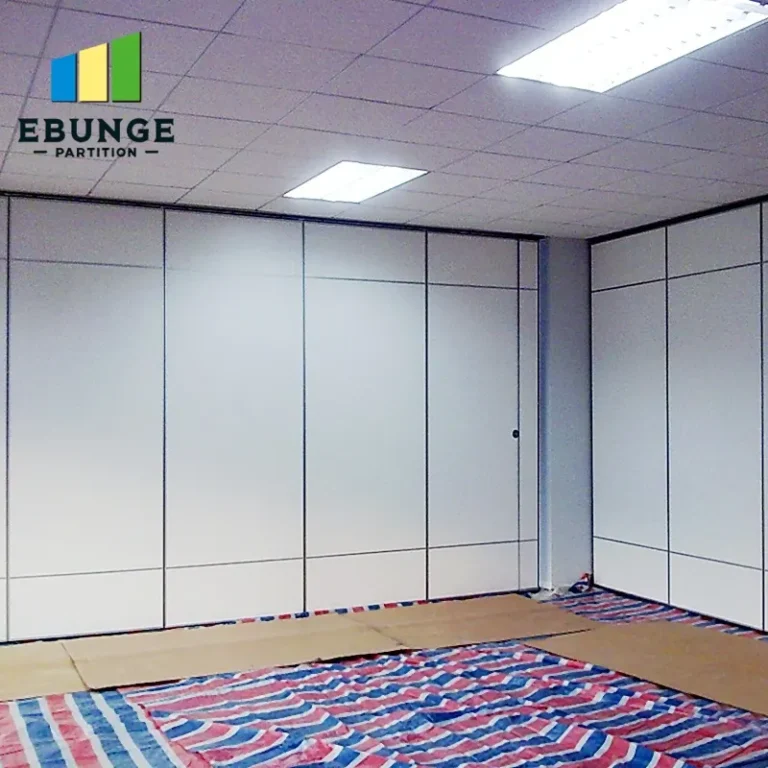
Acoustic performance is a top concern for training centers, where confidential discussions and focus sessions require privacy. The acoustic rating of a partition wall system is typically measured in Sound Transmission Class (STC) or Weighted Sound Reduction Index (Rw). For effective speech privacy, aim for a rating of at least STC 45-50. However, the actual performance depends on the installation quality, including perimeter seals and ceiling/wall interfaces.
When requesting quotations, specify the required acoustic target and ask for test data from independent laboratories. Keep in mind that the partition’s performance can be compromised if the surrounding structure is not properly isolated. Therefore, coordinate with your architect to ensure the partition meets the intended acoustic goals.
Compliance with Building Codes and Safety Standards
Government projects must adhere to strict building codes and safety regulations. Your conference room partition should comply with fire resistance ratings, accessibility guidelines (e.g., ADA), and seismic requirements if applicable. Verify that the supplier’s products have the necessary certifications and that the installation meets local codes. A reputable supplier will provide documentation and work with your team to ensure compliance.
Warranty and Support: Protecting Your Investment
Long-term reliability is crucial for public projects. Evaluate the warranty offered by the supplier—typically covering parts and labor for a specified period. Understand what is covered (e.g., panels, hardware, seals) and the duration. Additionally, assess the supplier’s support capabilities: Do they offer training for your maintenance staff? What is their response time for service calls? A factory-direct supplier often provides more comprehensive support compared to a middleman.
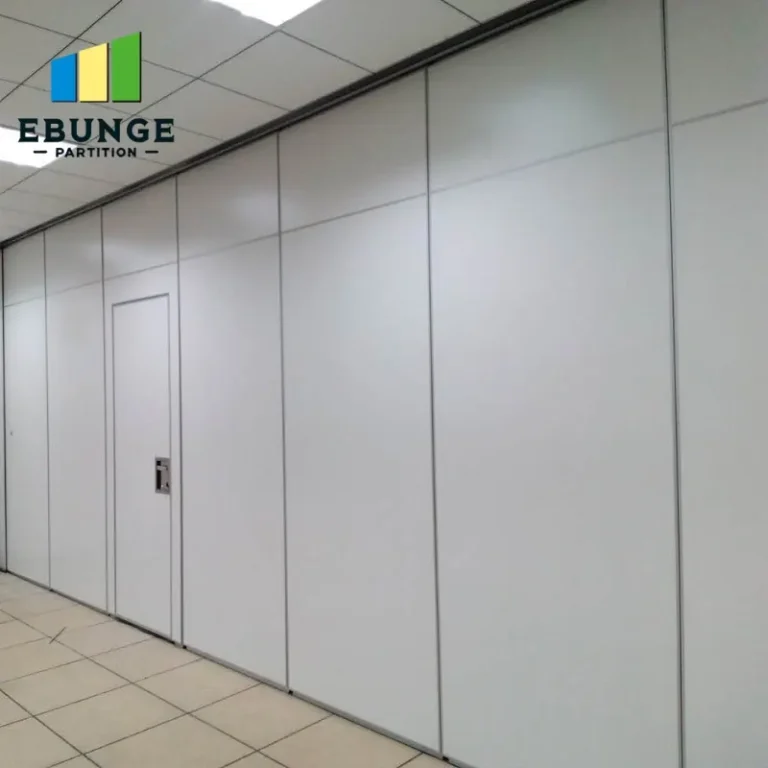
Share the opening, drawings, finish direction, and privacy target for a project-specific review.
Budget Constraints and Quotation Readiness
Budget is always a consideration in public projects. To get accurate quotations and avoid cost overruns, you must be quotation-ready. This means having detailed drawings, specifications, and a clear understanding of the scope. When soliciting quotes, provide the following information to suppliers:
- Architectural drawings showing the opening dimensions, wall construction, and ceiling height.
- Acoustic requirements (e.g., STC rating).
- Finish preferences (e.g., fabric type, color).
- Number of units and frequency of use.
- Installation constraints (e.g., limited access, schedule).
This information allows suppliers to provide accurate pricing and lead times, reducing the risk of change orders later.
Comparing Suppliers: What to Look For
When comparing suppliers, focus on their experience with public projects, product quality, and after-sales service. Use the following checklist:
| Criterion | Questions to Ask |
|---|---|
| Experience | Have you supplied partitions for government or institutional buildings? Can you provide references? |
| Product specifications | What is the maximum panel height and width? What acoustic ratings are achievable? |
| Installation | Do you provide installation services or only supply? What is the typical installation timeline? |
| Maintenance | What is the recommended maintenance schedule? Are spare parts readily available? |
| Warranty and support | What is the warranty period and what does it cover? How do you handle service requests? |
| Compliance | Do your products meet relevant standards? Can you provide test certificates? |
For a deeper understanding of movable partition costs and factors affecting pricing, you may refer to our Movable Partition Cost category. Additionally, explore our blog for insights on partition wall systems.
Installation Disruption: Planning for Minimal Impact
In public buildings, minimizing disruption during installation is essential. A top-hung system typically requires less invasive work compared to floor-rail systems, as it avoids cutting into the floor. However, installation still involves ceiling work and may require temporary closure of the area. Coordinate with the supplier to schedule installation during off-peak hours or weekends. Also, ensure that the installation team is experienced with public sector environments and follows safety protocols.
Making the Final Decision: Balancing Cost, Quality, and Support
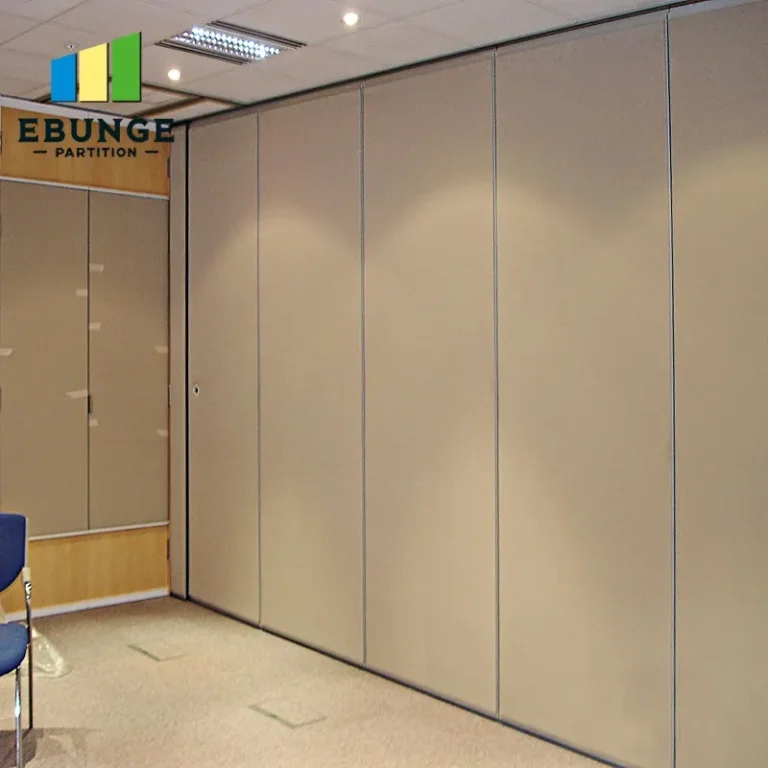
Selecting the right conference room partition is a balance of initial cost, long-term maintenance, and operational efficiency. While lower bids may be tempting, they can lead to higher maintenance costs and shorter lifespan. Evaluate the total cost of ownership, including installation, maintenance, and potential replacement. Choose a supplier that offers a robust product, clear documentation, and reliable after-sales support. By being quotation-ready and informed, you can make a decision that serves your training center effectively for years to come.
Frequently Asked Questions
1. What is the typical lifespan of a conference room partition?
The lifespan depends on usage frequency and maintenance. A well-maintained, high-quality movable partition can last 20 years or more. Regular cleaning, proper operation, and timely replacement of seals and hardware are key to extending service life.
2. Can a conference room partition provide adequate sound insulation for confidential meetings?
Yes, if the partition has a high acoustic rating (STC 45 or higher) and is installed correctly with proper perimeter sealing. However, sound can flank through ceilings and walls, so the entire room must be acoustically treated.
3. Are there any special requirements for installing a partition in a public building?
Yes, you must ensure compliance with local building codes, fire safety regulations, and accessibility standards. The partition should also be durable enough to withstand heavy use and be easy to clean.
4. How do I get an accurate quotation for a conference room partition?
Provide suppliers with detailed drawings, dimensions, acoustic requirements, finish preferences, and any special conditions. The more information you provide, the more precise the quote will be.
5. What maintenance is required for a movable partition wall?
Regular maintenance includes cleaning the panels and tracks, lubricating moving parts, checking seals for wear, and ensuring the locking mechanism functions properly. The supplier should provide a maintenance guide.
Conclusion
Choosing a conference room partition for a government or public building project requires careful consideration of acoustic performance, durability, ease of operation, and maintenance. By defining your requirements, being quotation-ready, and selecting a factory-direct supplier with project coordination expertise, you can mitigate risks and ensure a successful installation. Remember to prioritize long-term value over initial cost, and always verify specifications and support commitments in writing.
For more information on movable partition walls, visit our movable partition wall page. If you have specific questions, feel free to contact us for expert guidance.
Send the opening size and drawings to discuss a differentiated conference room partition solution.