
Quick answer: movable partition changeover demand forecast booking patterns
Review focus: movable partition changeover demand forecast booking patterns.
Facility teams rarely struggle to see that a room is busy. The harder question is how often that room must physically change shape. A movable partition changeover demand forecast booking patterns review turns calendar data into a planning input for layout, storage and coordination. The suitability of each route and parking arrangement depends on the approved layout, circulation, ceiling interfaces and operating sequence. Those still require project-specific evidence and drawing review.
Why Booking Data Is a Starting Point, Not a Conclusion
Project review term: movable partition changeover demand forecast booking patterns.
Bookings show intent: who wants which space, when, and for how long. They do not show how a partition system will be configured, how panels will travel, or where they will park. Treat the calendar as a demand signal, not a specification.
A useful forecast separates three questions. How often does the room need to change? How many distinct configurations appear? Which configurations repeat often enough to influence layout planning? Each answer comes from booking records plus a review of the proposed room geometry.
Build a Changeover Demand Baseline From Existing Records
Coordination scope: movable partition changeover demand forecast booking patterns.
Start with the data the facility team already maintains. Room booking systems, event calendars and internal room requests usually contain enough detail to build a first baseline. The goal is a repeatable count, not a precise prediction.
Define what counts as a changeover
A changeover is any transition between two room configurations that requires panels to move. A single room used for one setup all day is not a changeover. A room that moves from one open layout to two smaller rooms and back again contains two transitions.
Group bookings by configuration, not by event name
Event titles vary, but the physical setup often repeats. Group bookings by the layout they require.
A Five-Step Forecasting Process for Facility Teams
Checklist focus: movable partition changeover demand forecast booking patterns.
- Extract a representative period. Use a booking window long enough to include normal weekly and seasonal variation. Document the period so the forecast can be refreshed later.
- Tag each booking with a configuration type. Use plain labels such as open hall, two-room split or three-room split. Keep the labels consistent.
- Count transitions between consecutive bookings. A transition occurs when the configuration changes from one booking to the next in the same room.
- Identify peak changeover days. Look for days with multiple transitions. These days drive the operational pressure on the room and the stacking area.
- Map demand against the proposed layout. Compare the forecast with the straight, turning and stacking routes shown on the layout drawings.

This process produces a demand profile. It does not confirm that a specific partition configuration can serve that profile. That confirmation belongs to the project review stage.
Translate Demand Into Layout and Stacking Questions
Review focus: movable partition changeover demand forecast booking patterns.
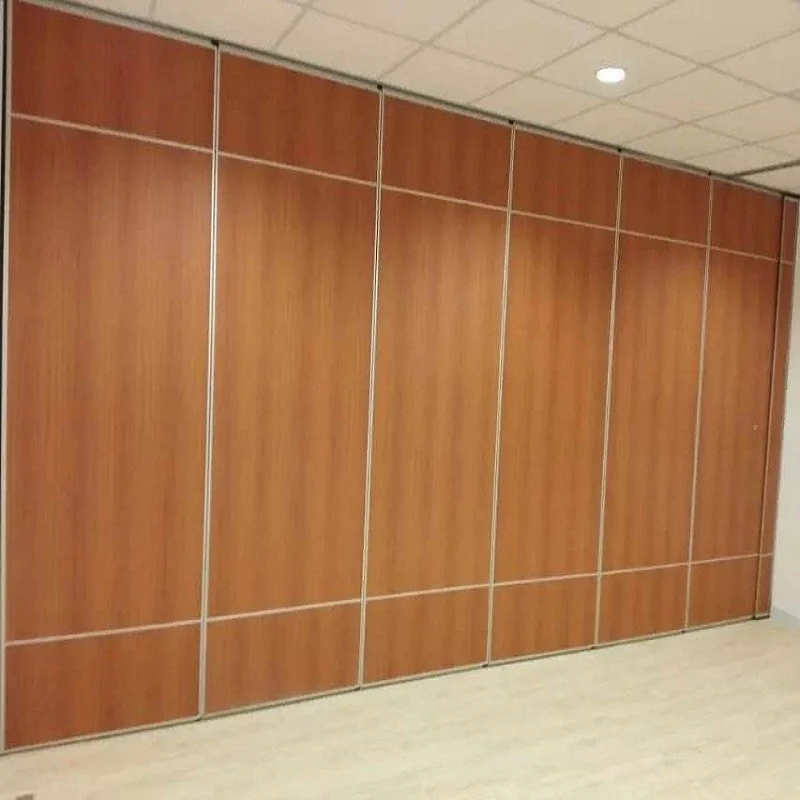
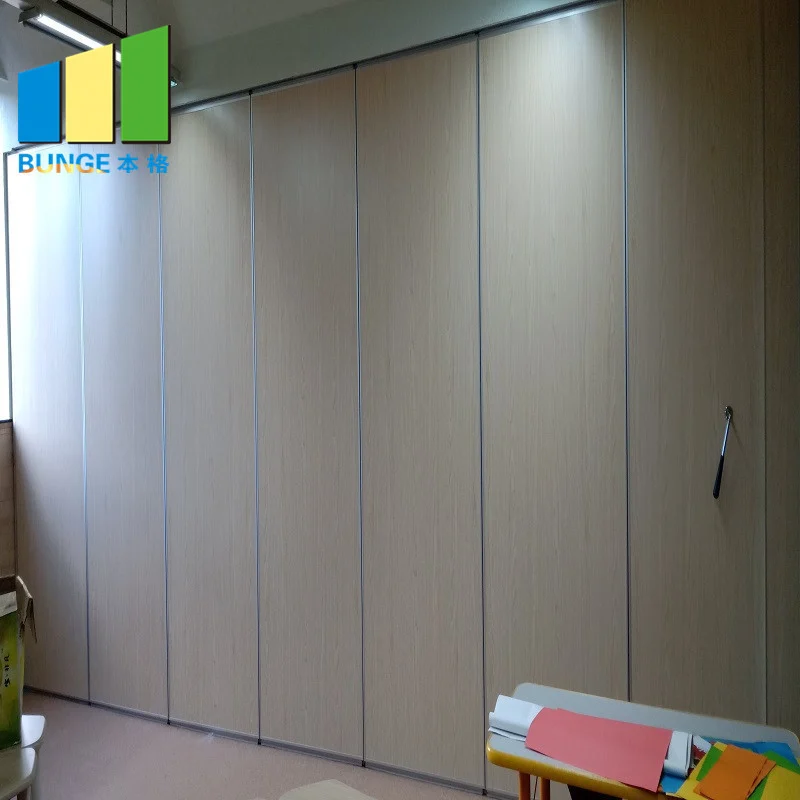
Once the forecast exists, the conversation shifts from calendar data to physical planning. EBUNGE movable wall panels are individually movable, suspended from a top track, cross the opening without a floor track, and park at a planned stacking position.
Straight routes
How often does the room need a simple straight-line division? Frequent straight splits may point to a layout where the movement path is short and predictable.
Turning routes
Where the layout requires panels to turn, the route must be reviewed as a connected overhead path. A forecast that shows frequent turning configurations makes this review more important, not less.
Stacking positions
Parking style is customized to the customer layout and project requirements and may support compact stacking when the coordinated design permits it. High changeover frequency raises questions about where panels park and how that position interacts with the rest of the room.
Evidence Boundaries Every Forecast Should Respect
Evidence note: A booking-based forecast describes demand patterns. Those items require matching project evidence and project-specific confirmation.
Any acoustic requirement should be confirmed against the project’s own documentation.
Finish choices also sit inside an evidence boundary. Confirmed finish options include laminate, melamine, fabric, leather, glass and other approved surfaces.
Coordinate the Forecast With the Wider Project Team
Changeover demand touches several disciplines. Architects and interior designers care about room geometry and finish intent. Contractors and construction teams care about the overhead route and support conditions. Owners care about how the room will be operated day to day.
A simple table can align the team before drawings are finalized.
| Forecast finding | Planning question | Who confirms |
|---|---|---|
| Frequent straight splits | Is the straight route clear and connected? | Project design team |
| Frequent turning configurations | Is the turning route reviewed on the layout? | Project design team |
| High peak changeover days | Where do panels park between uses? | Project design team |
| Pass-door needs | Are pass-door requirements documented? | Project team and supplier |
Pass-door requirements and project documentation can be discussed with the supplier as part of this coordination. The forecast gives that discussion a factual basis without turning assumptions into commitments.
Refresh the Forecast as Booking Behavior Changes
A forecast is a snapshot. Booking behavior shifts with seasons, programs and room usage policies. Facility teams should refresh the baseline at a defined interval and compare the new profile with the original.
When the profile changes significantly, revisit the layout questions. A room that once needed occasional splits may later need frequent reconfiguration. The physical planning review should follow the demand, not lag behind it.
Frequently Asked Questions
What is a movable partition changeover demand forecast booking patterns review?
It is a planning exercise that uses booking records to estimate how often a room must change configuration. It produces a demand profile for layout and coordination discussions, not a performance specification.
Can booking data confirm acoustic performance?
No. Booking data describes usage patterns.
How many changeovers should a room support?
There is no universal number. The right answer depends on the room’s purpose, the layout, the stacking position and the project’s operational requirements. Confirm these with the project team.
Do movable partitions need a floor track?
EBUNGE movable wall panels are top-hung and cross the opening without a floor track. Every proposed movement path still requires a continuous connected overhead route and project-specific support review.
Which finish options can be considered?
Confirmed finish options include laminate, melamine, fabric, leather, glass and other approved surfaces. Finish selection should be confirmed against the project’s own requirements and documentation.
When should the facility team involve the supplier?
Involve the supplier once the forecast and layout questions are clear enough to review. Pass-door requirements and project documentation can be discussed at that stage.
Conclusion: Forecast Demand, Then Confirm the Details
A changeover demand forecast helps facility teams move from vague concern about busy rooms to a structured planning conversation. It shows where demand is concentrated and which layout questions deserve attention. It does not replace project-specific confirmation of support, acoustic and dimensional requirements.
For movable wall planning support, contact the EBUNGE team and review the movable walls product page alongside the resources library.