
When you are managing a training center fit-out, choosing the right folding partition wall supplier selection is not just about picking a product from a catalog. It is a decision that affects your project timeline, acoustic performance, and the satisfaction of the end user. This guide is written for project contractors who need to evaluate suppliers, prepare for quotation requests, and ensure that the selected operable wall system meets both technical and commercial requirements. We will walk you through the critical steps, from defining your project needs to comparing supplier proposals, with a focus on practical, verifiable criteria.
Direct answer: For a training center, the most reliable folding partition wall supplier selection process involves preparing a detailed inquiry with your opening sizes, acoustic targets, finish preferences, and project location. Then, evaluate suppliers based on their ability to provide custom movable wall solutions, top-hung track systems, transparent cost breakdowns, and clear installation timelines. Always request references and verify their track record with similar projects.
Folding Partition Wall Supplier Selection: Why Training Centers Have Unique Partition Wall Requirements
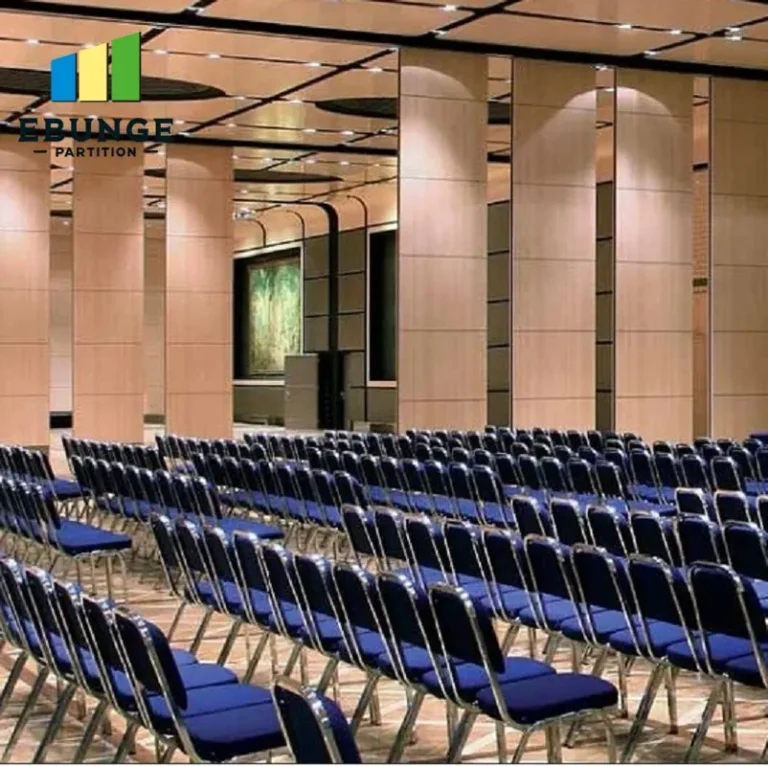
Training centers are not typical office spaces. They host a variety of activities, from lectures and workshops to group discussions and presentations. This means the movable partition wall must offer flexibility in space division, but also provide adequate acoustic separation to avoid disturbances between simultaneous sessions. Unlike permanent walls, operable wall systems must be easy to operate, durable for frequent use, and capable of accommodating different room configurations. As a contractor, you need to consider these factors when preparing your supplier selection criteria.
For example, a training room that is 12 meters wide and 4 meters high may require a partition that can be stacked into a small pocket to maximize open space. The supplier must be able to engineer a custom solution that fits your exact dimensions. This is where supplier reliability and customization support become paramount.
Need help turning the folding partition wall supplier selection requirements into a practical project layout?
Initial Steps: Defining Your Project Parameters
Before you even contact suppliers, you need to have a clear picture of your project requirements. This is the foundation of a successful folding partition wall supplier selection process. At a minimum, you should have the following information ready:
- Opening size: Width, height, and depth of each opening where the partition will be installed.
- Acoustic target: The desired sound insulation rating (e.g., STC or Rw) based on the training center’s needs.
- Finish preference: Materials, colors, and any specific design requirements (e.g., writeable surface, tackable panels).
- Project location: The site address, as this affects logistics and installation costs.
- Number of panels and stacking configuration: How many panels you need and how they should stack when open.
Having these details documented will help you communicate effectively with suppliers and receive accurate quotations. It also demonstrates that you are a serious buyer, which can lead to better support and pricing.
Key Technical Specifications to Evaluate
When comparing proposals from different suppliers, pay close attention to the technical specifications. These are the details that will determine whether the partition wall meets your performance expectations.
Acoustic Insulation Ratings
Acoustic performance is often the most critical factor for a training center. You need to know the exact sound insulation rating of the partition system, not just a marketing claim. Ask for test reports from certified laboratories. Remember that the actual performance depends on the installation quality, perimeter sealing, and the surrounding structure. Do not assume that a high rating on paper will automatically translate to real-world performance.
Top-Hung Track System vs. Floor-Rail Systems
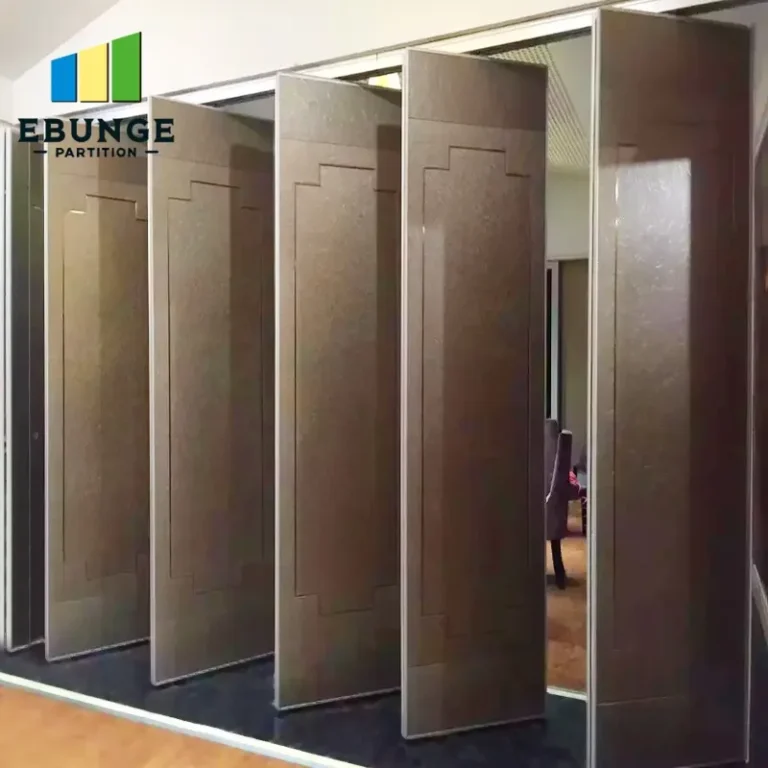
EBUNGE specializes in top-hung track systems without a floor rail. This design offers several advantages: it eliminates the trip hazard and floor track cleaning issues, and it allows for a clean, uninterrupted floor surface. However, it requires a robust overhead support structure. Ensure that the supplier can provide load calculations for your specific ceiling and that the track system is durable enough for frequent use.
Panel Construction and Materials
Inspect the panel construction. Look for details such as panel thickness, frame material, and the type of seals. High-quality panels typically have steel or aluminum frames with multiple sealing gaskets to improve acoustic performance. The finish should be durable and easy to maintain, especially in a high-traffic training environment.
Supplier Reliability and Customization Support
One of the biggest pain points for contractors is dealing with suppliers who cannot deliver on their promises. To avoid this, you need to evaluate the supplier’s reliability and customization capabilities.
Ask for case studies or references from similar training center projects. Inquire about their project management process, lead times, and how they handle unexpected issues. A reliable supplier will be transparent about their capabilities and limitations. They should also be willing to provide detailed drawings and installation guidance.
Customization is another key aspect. Training centers often require non-standard sizes, special finishes, or integrated features like whiteboard surfaces or magnetic panels. The supplier should be able to accommodate these requests without compromising on quality or delivery time. During your initial discussions, test their responsiveness and willingness to provide solutions.
Preparing for Quotation Requests: What to Include
To get accurate and comparable quotations, you need to provide suppliers with a comprehensive request for quotation (RFQ). This is where your preparation pays off. Include the following in your RFQ:
- Project overview: A brief description of the training center and its intended use.
- Detailed drawings: Architectural or mechanical drawings showing the openings, ceiling details, and any constraints.
- Performance requirements: Specify the minimum acoustic rating, fire rating (if applicable), and any other standards.
- Finish and design requirements: Provide samples or references for the desired finish.
- Delivery and installation expectations: Indicate your timeline and whether you require installation services.
- Warranty and after-sales support: Ask about the warranty terms and the process for requesting service.
By providing this level of detail, you will receive more accurate proposals and reduce the risk of misunderstandings later. It also helps you compare suppliers on an equal footing.
Share the opening, drawings, finish direction, and privacy target for a project-specific review.
Evaluating Proposals: A Practical Checklist
Once you receive proposals, use a structured checklist to evaluate them. This will help you make an objective decision. Below is a table that you can adapt for your evaluation:
| Criteria | Supplier A | Supplier B | Supplier C |
|---|---|---|---|
| Acoustic rating (Rw/STC) | Specify | Specify | Specify |
| Customization capability | Yes/No | Yes/No | Yes/No |
| Top-hung track system | Yes/No | Yes/No | Yes/No |
| Delivery timeline (weeks) | Specify | Specify | Specify |
| Warranty (years) | Specify | Specify | Specify |
| Cost transparency (breakdown) | Yes/No | Yes/No | Yes/No |
| References from similar projects | Yes/No | Yes/No | Yes/No |
Do not simply compare the bottom-line price. Look at the total cost of ownership, including maintenance and potential energy efficiency benefits. A higher upfront cost might be justified by better durability and acoustic performance.
Overseas Delivery and Installation Considerations
If you are sourcing from an overseas supplier, there are additional factors to consider. Shipping times, customs clearance, and potential damage during transit can affect your project schedule. Ensure that the supplier has experience with international projects and can provide proper packaging and logistics support.
Installation is another critical aspect. Some suppliers offer installation services or can recommend trusted local installers. If you are handling installation yourself, make sure you receive detailed installation manuals and guidance. EBUNGE, for example, provides installation drawings and instructions to assist contractors.
Making the Final Decision: What Matters Most
Ultimately, the right folding partition wall supplier selection for your training center depends on a balance of technical capability, reliability, and cost. Prioritize suppliers who demonstrate a clear understanding of your project needs and are willing to work with you to find solutions. Do not be afraid to ask tough questions about their testing procedures, quality control, and after-sales support.
Remember that the cheapest option is not always the best value. A supplier who offers a slightly higher price but provides better acoustic performance, a longer warranty, and reliable delivery can save you money in the long run.
Conclusion: Your Path to a Successful Partition Wall Project
In summary, a successful folding partition wall supplier selection for training centers begins with thorough preparation and clear communication. By defining your technical requirements, preparing a detailed inquiry, and evaluating proposals based on a structured checklist, you can make an informed decision that meets your project’s needs. Remember to focus on supplier reliability, customization support, and transparent pricing. With the right partner, your training center will benefit from flexible, high-performance spaces that serve your users well for years to come.
Frequently Asked Questions
What is the typical lead time for a custom movable wall?
Lead times vary based on the complexity of the project and the supplier’s production capacity. Typically, you can expect 6-12 weeks from order confirmation to delivery. Always confirm the exact timeline with your supplier and factor in installation time.
How do I know if a partition wall meets the required acoustic rating?
Ask the supplier for test reports from accredited laboratories. The reports should specify the exact rating (e.g., Rw or STC) under conditions similar to your installation. Remember that site conditions can affect performance, so ensure proper installation and sealing.
Can I get a partition wall with a whiteboard or tackable surface?
Yes, many suppliers offer custom finishes, including whiteboard surfaces, tackable panels, or a combination. When requesting a quotation, specify your finish preferences so the supplier can provide accurate pricing and lead times.
What are the maintenance requirements for a top-hung partition wall?
Top-hung systems generally require minimal maintenance. Regular checks of the track and hangers, cleaning of the seals, and occasional adjustment of the operating mechanism are recommended. Your supplier should provide a maintenance guide.
How do I ensure the partition wall complies with local building codes?
Your supplier should be able to provide documentation on fire ratings, safety features, and compliance with relevant standards. However, it is your responsibility as the contractor to verify that the product meets local building codes. Consult with your local authority or a building inspector.
What information do I need to provide for an accurate quotation?
At a minimum, you should provide the opening dimensions, acoustic target, finish preferences, and project location. Drawings of the ceiling and surrounding structure are also helpful. The more detailed your inquiry, the more accurate the quotation.
For more information on movable partition walls, explore our movable partition wall solutions or read our blog posts for industry insights. If you are ready to discuss your project, contact our team for personalized support.
For this buyer review, folding partition wall supplier selection should be checked against the confirmed opening, drawings, operating plan, and project specification.
Send the opening size and drawings to discuss a differentiated folding partition wall supplier selection solution.