
When budgeting for a hospital consultation room, the folding partition wall cost factors extend far beyond the initial quote. As a project contractor, you need to evaluate the total cost of ownership, including acoustic performance, durability, maintenance, and installation complexity. This guide breaks down the key cost drivers, helps you prepare for supplier inquiries, and ensures you avoid hidden expenses. We’ll cover everything from top-hung track systems to fire safety compliance, so you can make an informed decision that aligns with your project’s budget and timeline.
Direct answer: The folding partition wall cost factors for hospital consultation rooms include the wall’s size, acoustic rating, material finish, hardware quality (especially top-hung track systems), fire rating, installation complexity, and ongoing maintenance. To get an accurate quote, you must provide the opening dimensions, drawings, acoustic target (e.g., STC rating), finish preference, and project location. Expect costs to vary significantly based on these factors, so always request a detailed quotation that itemizes each component.
Folding Partition Wall Cost Factors: Why Hospital Consultation Rooms Require Specialized Partition Planning
Hospital consultation spaces demand a unique balance of privacy, hygiene, and flexibility. Unlike office partitions, these walls must meet strict acoustic and safety standards to ensure patient confidentiality and comply with healthcare regulations. The folding partition wall cost factors for hospital consultation rooms include specialized seals, antimicrobial surfaces, and fire-resistant materials. As a contractor, you must factor in these requirements early to avoid budget overruns. Additionally, the wall’s ability to be cleaned and disinfected without damage is crucial, as hospitals have rigorous infection control protocols.
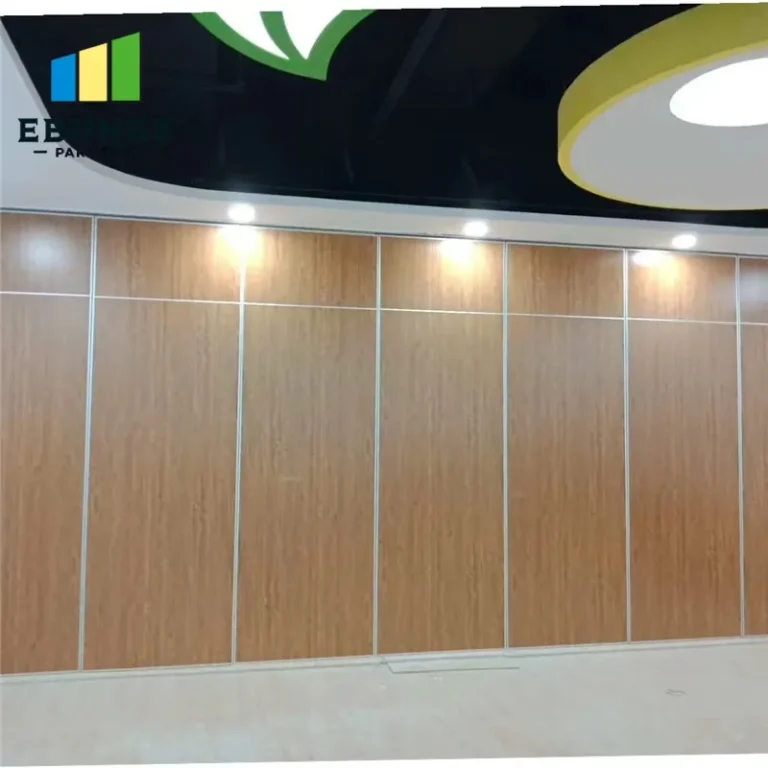
Need help turning the folding partition wall cost factors requirements into a practical project layout?
Key Cost Drivers: From Materials to Installation
Understanding the components that influence pricing helps you compare quotes effectively. Here are the primary drivers:
- Panel construction: Steel or aluminum frames with gypsum or glass infills affect both cost and durability.
- Acoustic performance: Higher Sound Transmission Class (STC) ratings require additional insulation and sealing, increasing cost.
- Finish options: Laminate, veneer, or custom paint affect both aesthetics and price.
- Track system: Top-hung track systems without floor rails are preferred for hospital hygiene, but they require precise installation and can be more expensive than floor-guided systems.
- Fire rating: Meeting local fire codes may necessitate special materials and intumescent seals.
- Hardware and accessories: High-quality hinges, handles, and seals are essential for durability and acoustic integrity.
Each of these factors directly impacts the folding partition wall cost factors for hospital consultation rooms. Be sure to specify your requirements clearly to receive accurate bids.
Acoustic Insulation: A Non-Negotiable Investment
In a hospital, confidential conversations must not be overheard. Acoustic insulation is a critical cost factor, as achieving high STC ratings requires specialized materials and construction techniques. For instance, a wall with an STC of 40 will be less expensive than one with an STC of 50, but the latter may be necessary for private consultation rooms. When requesting quotes, state your desired acoustic target and ask for the test data to verify performance. Remember, the actual acoustic performance depends on proper installation, so factor in the cost of skilled labor.
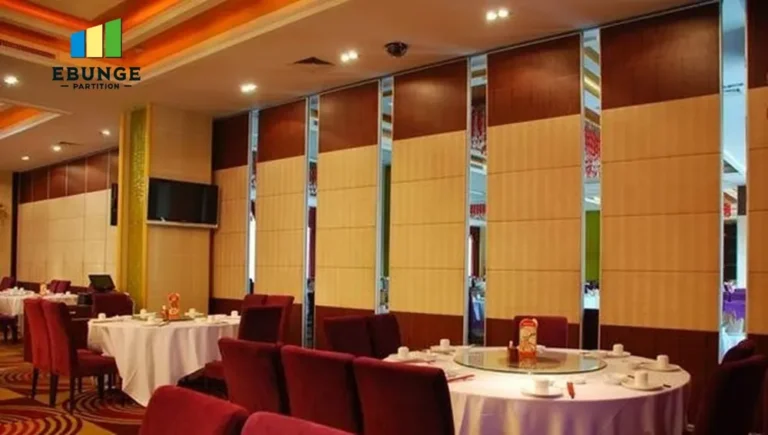
Durability and Ease of Cleaning: Long-Term Savings
Hospitals are high-traffic environments with frequent cleaning. Choosing materials that resist scratches, stains, and microbial growth can reduce maintenance costs over time. While these materials may have a higher upfront cost, they offer better value in the long run. For example, a high-pressure laminate finish is more durable than painted surfaces and easier to wipe down. Similarly, aluminum frames are corrosion-resistant and require less upkeep than steel. When evaluating folding partition wall cost factors, consider the total cost of ownership, not just the initial quote.
Fire Safety Compliance: Protecting Lives and Budgets
Fire safety regulations are non-negotiable in healthcare settings. Partition walls must meet local fire codes, which may require specific materials and certifications. Fire-resistant panels and seals increase costs, but they are essential for patient and staff safety. Work with a supplier who understands hospital requirements and can provide documentation of compliance. Failing to meet these standards can result in costly rework or legal liabilities, so it’s wise to budget for certified materials from the start.
Share the opening, drawings, finish direction, and privacy target for a project-specific review.
Installation Time and Project Management Coordination
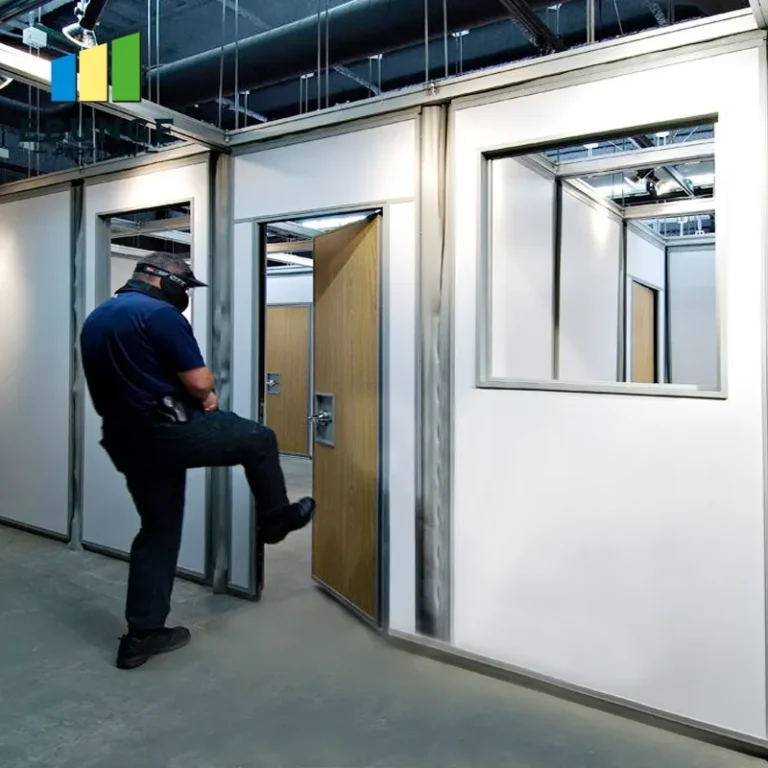
Installation complexity directly affects labor costs and project timelines. Top-hung track systems, while hygienic, require precise alignment and may take longer to install than floor-guided systems. Additionally, hospital projects often involve strict schedules to minimize disruption. Coordinate with your partition supplier to ensure they can meet your timeline. Factor in the cost of project management, including site surveys, coordination with other trades, and potential delays. A clear installation plan can prevent unexpected expenses.
Warranty and After-Sales Support: Hidden Value
A robust warranty and reliable after-sales support can save you money in the long run. Look for suppliers who offer comprehensive warranties covering parts and labor. Ask about their response time for service calls and availability of spare parts. While a cheaper quote might be tempting, it could lack adequate support, leading to higher downtime and repair costs. When comparing folding partition wall cost factors, include the value of warranty coverage in your decision.
How to Prepare for a Quotation: A Contractor’s Checklist
To get accurate quotes, provide suppliers with detailed information. Use this checklist to streamline the process:
| Item | Details to Provide |
|---|---|
| Opening size | Width, height, and number of panels |
| Drawings | Architectural or structural drawings |
| Acoustic target | Desired STC rating (e.g., STC 45) |
| Finish preference | Laminate, veneer, paint, or other |
| Project location | City or region for logistics and labor rates |
| Fire rating required | Local code compliance (e.g., 1-hour) |
Providing this information upfront ensures that quotes are comparable and reduces the risk of change orders later.
Frequently Asked Questions
What is the typical cost range for a folding partition wall in a hospital?
Costs vary widely based on size, materials, and acoustic requirements. It’s best to request custom quotes from suppliers, as prices are influenced by the specific factors outlined above.
How does a top-hung track system affect cost?
Top-hung track systems are generally more expensive than floor-guided ones due to the need for structural support and precise installation. However, they offer hygiene benefits and are often preferred in hospitals.
Can I save money by choosing a lower acoustic rating?
Yes, but it may compromise patient privacy. Assess the specific needs of the consultation room. If privacy is critical, invest in higher STC ratings.
How long does installation typically take?
Installation time depends on the number of panels and site conditions. On average, a single wall may take 1-3 days, but complex projects can take longer. Discuss timelines with your supplier.
What maintenance is required for these walls?
Regular cleaning with non-abrasive agents is usually sufficient. Periodic checks of seals and hardware are recommended to maintain acoustic performance.
Conclusion: Making an Informed Decision
Understanding the folding partition wall cost factors for hospital consultation rooms is essential for successful project management. By focusing on total cost of ownership, preparing detailed inquiries, and choosing the right supplier, you can ensure your project stays on budget without compromising quality. Remember to prioritize acoustic insulation, durability, and fire safety, and always request comprehensive quotes that itemize costs. With careful planning, you can deliver a functional and cost-effective solution for your client.
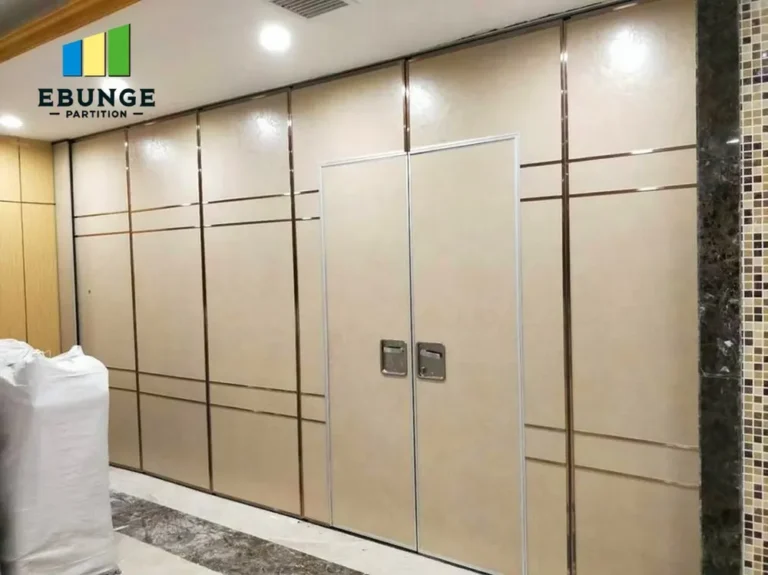
For more insights on movable partition walls, explore our movable partition wall guide. If you need assistance with your project, contact our team for expert advice. Additionally, review our movable partition cost articles for more budgeting tips.
Send the opening size and drawings to discuss a differentiated folding partition wall cost factors solution.