
When planning a conference room renovation, selecting the right folding partition procurement guide can determine whether your project meets acoustic targets, operational needs, and budget constraints. For an office renovation company, the procurement process is not just about picking a product—it involves aligning technical specifications with client expectations, ensuring compliance, and preparing for a smooth quotation and installation. This guide focuses on the practical steps to evaluate folding partition systems for conference rooms, helping you make informed decisions and communicate effectively with suppliers.
In short: To procure a folding partition for a conference room, start by defining the opening size, acoustic requirements, and finish preferences. Then, request quotations from suppliers with detailed drawings and technical data. Focus on the track system (preferably top-hung without floor rail), acoustic insulation quality, durability, ease of operation, and after-sales support. Always verify compliance with local building codes and confirm exact values from project documentation.
Why the Folding Partition Procurement Guide Matters for Conference Rooms
Conference rooms are dynamic spaces that often need to be divided into smaller meeting areas or opened up for larger gatherings. A movable partition wall system offers flexibility, but the wrong choice can lead to poor acoustics, operational issues, or installation headaches. This folding partition procurement guide is designed to help you navigate the complexities of selecting a system that meets your project’s specific needs. By focusing on application-driven decisions, you can avoid common pitfalls and ensure a successful outcome.
For an office renovation company, every project is unique. The procurement process must account for the building’s structural constraints, the client’s aesthetic preferences, and the intended use of the space. Whether you need an operable wall system for a large conference hall or a custom movable wall for a small meeting room, this guide will walk you through the key considerations.
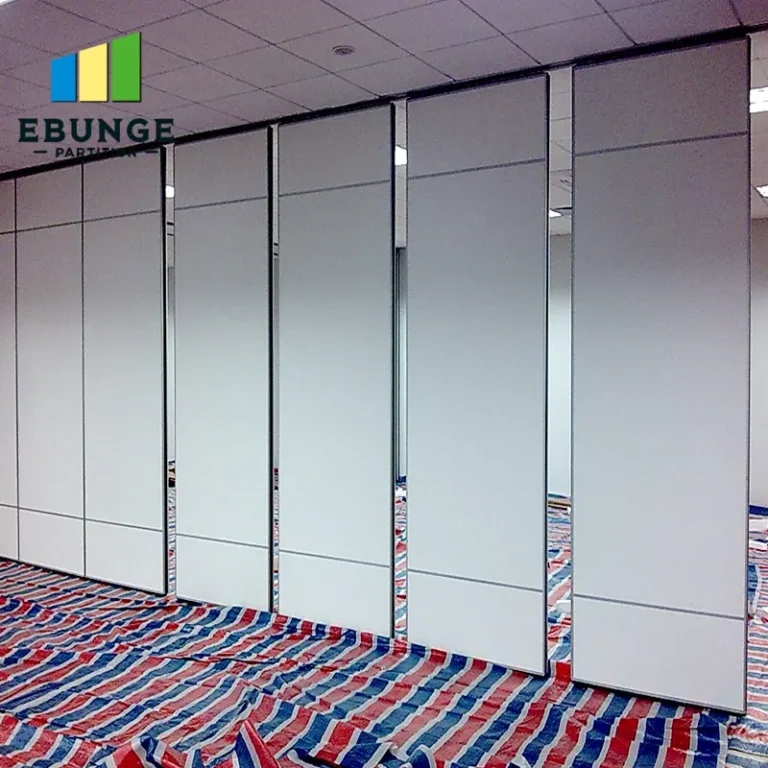
Need help turning the folding partition procurement requirements into a practical project layout?
Key Technical Requirements for Conference Room Partitions
Before contacting suppliers, you need to establish the technical parameters of your project. These include the opening dimensions, the desired acoustic performance, and the type of track system. The top-hung track system is often preferred because it eliminates the need for a floor rail, making the floor easy to clean and safe for foot traffic. However, this system requires adequate structural support from the ceiling, which must be verified by a structural engineer.
Acoustic insulation is a critical factor in conference rooms. You should determine the required Sound Transmission Class (STC) rating based on the level of privacy needed. While we cannot provide specific ratings without project details, a typical conference room may require STC ratings between 40 and 50. Your supplier should be able to provide acoustic test data, but always verify that the data corresponds to the exact configuration you plan to install.
Top-Hung Track vs. Floor Rail Systems
Top-hung track systems are popular for their aesthetic and functional benefits. They allow for a continuous floor surface, which is especially important in conference rooms where chairs and equipment are moved frequently. However, they require a robust ceiling structure to support the weight of the partition. On the other hand, floor rail systems are easier to install but create a visible track on the floor, which may be undesirable in high-end office environments.
Assessing Acoustic Insulation and Durability
When evaluating acoustic partition solutions, look for panels that are constructed with sound-absorbing cores and have proper perimeter seals. The quality of the seals is often more important than the panel thickness. Ask the supplier for detailed specifications on the sealing system and how it performs over time. Durability is also crucial, especially in high-traffic conference rooms. Check the materials used for the panels, the track, and the trolleys. Ensure that the system can withstand frequent operation without sagging or losing alignment.
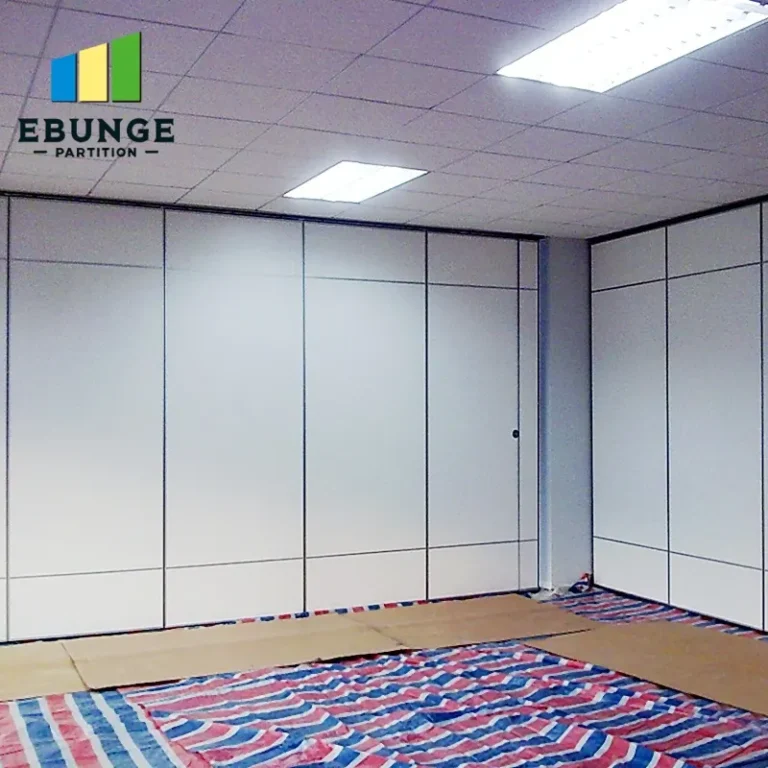
Ease of Operation and Installation Complexity
The operation of a movable partition wall should be smooth and effortless. Consider the weight of the panels and the mechanism used to move them. Some systems come with manual operation, while others offer motorized options. For a conference room, manual operation may be sufficient, but if the panels are large or heavy, a motorized system could improve user experience. Installation complexity affects both cost and timeline. A top-hung system, for example, requires precise ceiling preparation and alignment. Discuss the installation process with the supplier and ensure they provide detailed installation instructions and support.
Customization Options and Finish Preferences
Conference rooms often require custom finishes to match the interior design. Movable partition walls can be customized with various materials, colors, and textures. You can choose from laminate, veneer, fabric, or glass finishes. When preparing your inquiry, specify the desired finish and any branding requirements. Custom movable walls can also incorporate integrated features like whiteboards, projection surfaces, or glass panels for natural light. However, customization may affect lead times and costs, so plan accordingly.
Supplier Reliability and After-Sales Support
Choosing a reliable supplier is as important as choosing the right product. Look for a supplier with a proven track record in commercial projects. Ask for references and case studies, but do not rely solely on them. Verify the supplier’s production capacity and their ability to meet your timeline. After-sales support is essential for maintenance and repairs. Ensure that the supplier offers a comprehensive warranty and has a service team that can respond quickly if issues arise.
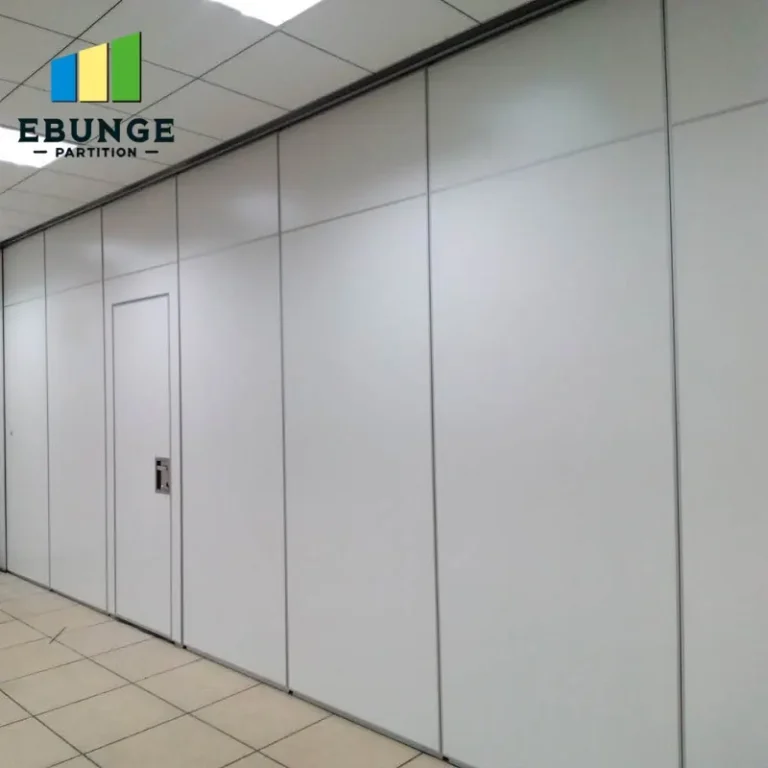
Share the opening, drawings, finish direction, and privacy target for a project-specific review.
Compliance with Building Codes and Regulations
All movable partition walls must comply with local building codes, including fire safety and accessibility requirements. In many jurisdictions, partitions must have a fire rating, especially in commercial buildings. You should also consider the building’s fire evacuation plan and whether the partition can be easily opened in an emergency. Accessibility is another concern; ensure that the partition does not create barriers for people with disabilities. Work with your supplier to obtain relevant compliance certificates and test reports.
Preparing for Quotation and Inquiry Conversion
To get accurate quotations, you must provide suppliers with comprehensive information. This includes the opening size (width, height, and depth), the number of panels required, the acoustic target, the finish preference, and the project location. Include architectural drawings if available. A well-prepared inquiry not only speeds up the quotation process but also shows the supplier that you are a serious buyer, which may result in better pricing and service.
When you receive quotations, compare them not only on price but also on the scope of supply, installation services, and after-sales support. Ensure that all technical specifications are clearly stated. If there are discrepancies, ask for clarification. Remember that the lowest price may not always be the best value in the long run.
Practical Checklist for Folding Partition Procurement
To help you stay organized, here is a checklist to use during the procurement process:
- Define the opening dimensions and verify with on-site measurements.
- Determine the required acoustic performance (STC rating) based on client needs.
- Choose a track system: top-hung (no floor rail) or floor rail, considering structural support.
- Select finishes and customization options that match the interior design.
- Review supplier’s technical data, including acoustic test reports and fire ratings.
- Check compliance with local building codes and accessibility standards.
- Ask about installation process and required lead time.
- Inquire about warranty terms and after-sales service.
- Request references and verify their past projects.
- Compare quotations based on total cost of ownership, not just initial price.
Comparison Table: Top-Hung vs. Floor Rail Systems
| Feature | Top-Hung Track | Floor Rail |
|---|---|---|
| Floor obstruction | None | Visible rail |
| Structural requirements | High ceiling support | Floor support |
| Installation complexity | Moderate to high | Low to moderate |
| Cleaning and maintenance | Easy | More challenging |
| Acoustic performance | Similar (depends on seals) | Similar (depends on seals) |
| Cost | Generally higher | Generally lower |
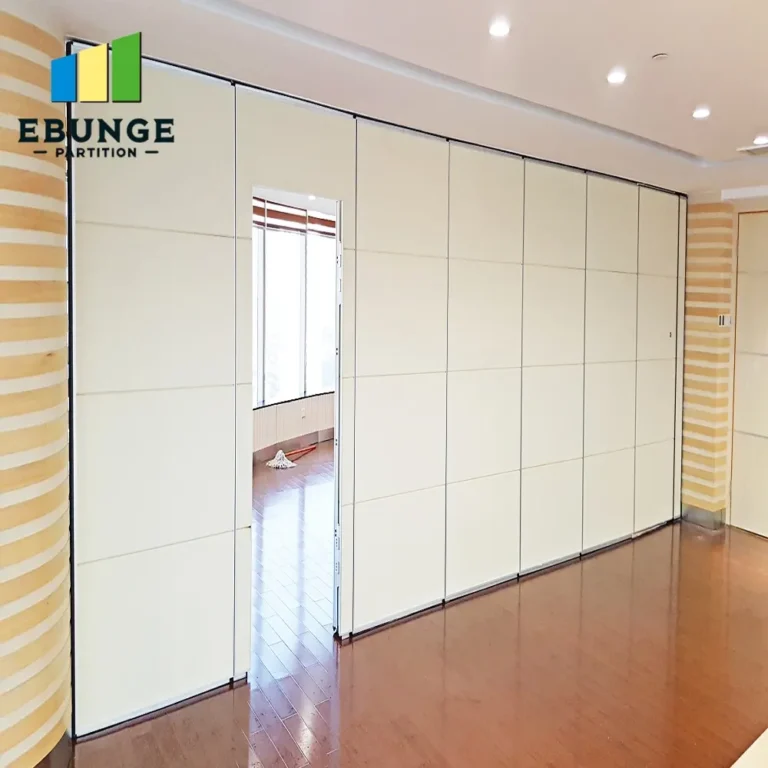
Conclusion: Making an Informed Decision
In conclusion, this folding partition procurement guide emphasizes the importance of a systematic approach to selecting a movable partition wall for conference rooms. By focusing on technical requirements, acoustic quality, durability, ease of operation, and supplier reliability, you can make a decision that meets your client’s needs and ensures a smooth installation. Remember to always verify all specifications with project documentation and work with a supplier who offers transparent communication and robust after-sales support.
For more insights on movable partition walls, explore our movable partition wall resources. If you have specific questions, feel free to contact us. You can also browse our blogs for additional tips, and check out our application guides for various settings.
Frequently Asked Questions
What is the typical lead time for a custom movable wall?
Lead times vary depending on the complexity of the project, the supplier’s production schedule, and the customization level. Generally, you should allow 4-8 weeks from order confirmation to delivery. However, this is an estimate; always confirm with your supplier based on your specific requirements.
Can a top-hung track system support heavy panels?
Yes, top-hung track systems are designed to support the weight of the panels, but the ceiling structure must be capable of handling the load. A structural engineer should assess the ceiling before installation. The supplier can provide maximum weight specifications for their systems.
How do I ensure the acoustic performance meets my needs?
Define your acoustic target (e.g., STC rating) and request test reports from the supplier that match your exact configuration. Pay attention to the perimeter seals and any gaps that could compromise sound insulation. It’s also advisable to visit an installation to hear the actual performance.
Are there any fire safety requirements for movable partitions?
Yes, in most commercial buildings, movable partitions must meet fire ratings as specified by local building codes. The supplier should provide fire test certificates. Ensure that the partition can be opened easily in case of an emergency and that it does not obstruct exit routes.
What maintenance is required for a folding partition?
Regular maintenance includes checking the track and trolleys for dust and debris, lubricating moving parts, and inspecting seals for wear. The supplier should provide a maintenance schedule. For top-hung systems, ensure the ceiling fixings are secure over time.
For this buyer review, folding partition procurement should be checked against the confirmed opening, drawings, operating plan, and project specification.
Send the opening size and drawings to discuss a differentiated folding partition procurement solution.