
When planning an exhibition hall, the choice of a folding partition procurement guide can determine how flexibly you use the space. As a hotel owner, you need a movable partition wall that adapts to events, exhibitions, and conferences without compromising on acoustics or safety. This folding partition procurement guide focuses on the practical steps to specify, quote, and install an operable wall system that meets your project’s unique requirements. From understanding technical drawings to asking the right questions, this guide helps you navigate the procurement process with confidence, ensuring your investment delivers long-term value.
Direct Answer: For a hotel exhibition hall, the best folding partition procurement approach is to define your opening size, acoustic target, finish preference, and project location, then request detailed quotations from suppliers that include technical specifications, installation plans, and warranty terms. Prioritize systems with a top-hung track without floor rail for flexibility and easy maintenance, and always verify acoustic performance with supporting test data or project references.
Why a Folding Partition Procurement Guide Matters for Exhibition Halls
Exhibition halls are dynamic spaces. You might host a product launch one day and a gala dinner the next. A folding partition procurement guide helps you choose a movable partition wall that can divide the hall into smaller rooms or open it up for large gatherings. The right operable wall system should be easy to operate, safe, and aesthetically pleasing. Without a structured procurement process, you risk selecting a system that underperforms acoustically or becomes a maintenance burden. This guide outlines the essential checks, ensuring you consider all critical factors before making a decision.
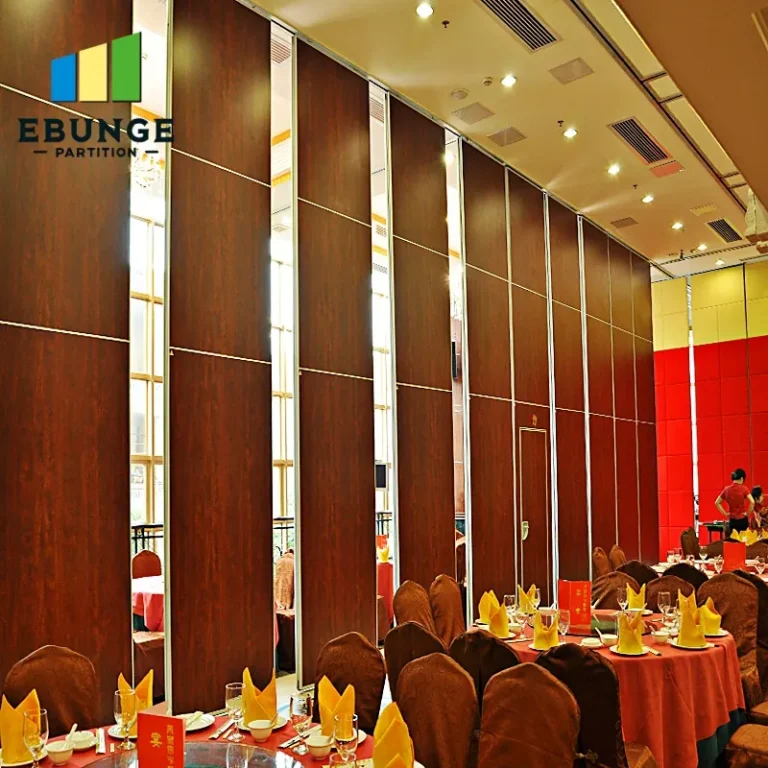
Need help turning the folding partition procurement requirements into a practical project layout?
Step 1: Prepare Your Project Specifications
Before contacting suppliers, gather the following information to ensure accurate quotations:
- Opening size: Measure the width, height, and depth of the opening where the partition will be installed. Include ceiling height and any obstructions.
- Drawings: Provide architectural or floor plan drawings that show the partition location, adjacent structures, and services.
- Acoustic target: Determine the desired sound insulation rating (e.g., STC or Rw). This depends on the intended use of the divided spaces.
- Finish preference: Choose from options like laminate, veneer, paint, or fabric panels. Consider durability and maintenance.
- Project location: The site’s access, installation conditions, and local regulations affect the quote.
Having these details ready helps suppliers provide accurate pricing and technical advice, reducing the risk of costly changes later.
Step 2: Evaluate Acoustic Performance
Acoustic performance is a primary concern for exhibition halls. You need a movable partition wall that can contain noise from adjacent events. When reviewing quotations, ask for the acoustic rating of the system, but also check if it is based on sealed perimeter conditions. The actual on-site performance can vary due to installation quality and gaps. Request references or case studies where similar acoustic partition solutions have been installed in comparable settings. Remember, a higher rating often means better soundproofing, but it may also increase the cost. Balance your acoustic needs with your budget.
Step 3: Assess Durability and Maintenance
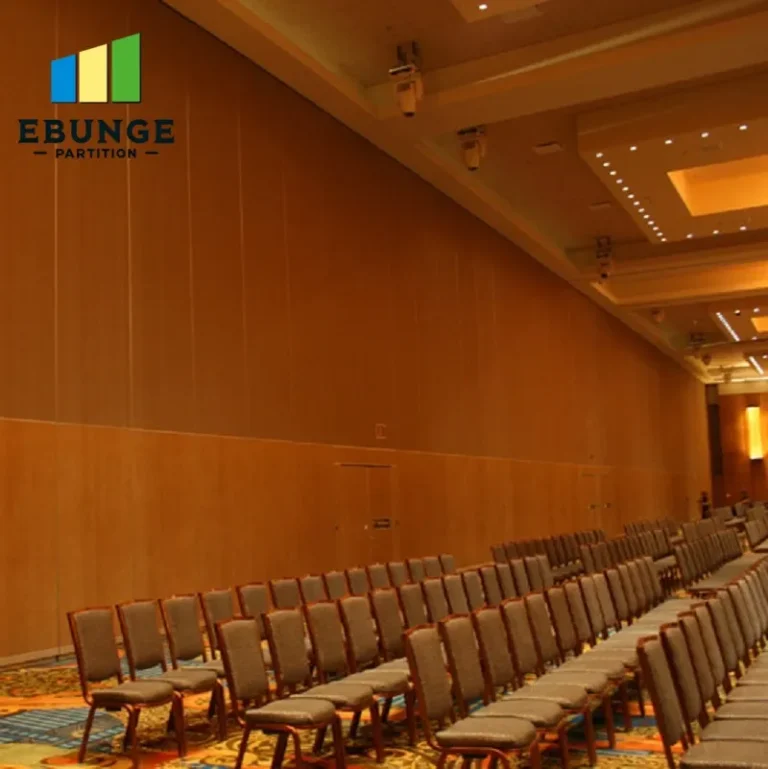
Exhibition halls see heavy foot traffic and frequent reconfiguration. The partition system must withstand regular use. Inquire about the materials used, the quality of the track and trolleys, and the finish’s resistance to scratches and impacts. A top-hung track system without a floor rail reduces wear on the floor and simplifies operation. Also, ask about maintenance requirements: how often should the track be lubricated, and are spare parts readily available? A durable system with low maintenance needs will save you time and money in the long run.
Step 4: Prioritize Ease of Operation
Your staff will be operating the partitions regularly. The system should be easy to handle, even for non-specialists. Look for features like smooth gliding, minimal effort required to move panels, and secure locking mechanisms. Some systems offer motorized operation for very large panels, but this adds complexity and cost. For most exhibition halls, a manually operated system with well-designed handles and guides is sufficient. Ask for a demonstration or video to see the system in action.
Step 5: Ensure Safety Compliance
Safety is non-negotiable. The partition system must comply with local building codes and safety standards. Check that the supplier provides documentation on fire resistance, if applicable, and that the materials meet relevant regulations. Also, consider the safety of the top-hung track: it must be securely fixed to the building structure to prevent accidents. Ask about the weight capacity and any safety features like anti-derailment mechanisms. A reputable supplier will be transparent about these details.
Share the opening, drawings, finish direction, and privacy target for a project-specific review.
Step 6: Consider Aesthetic Appeal
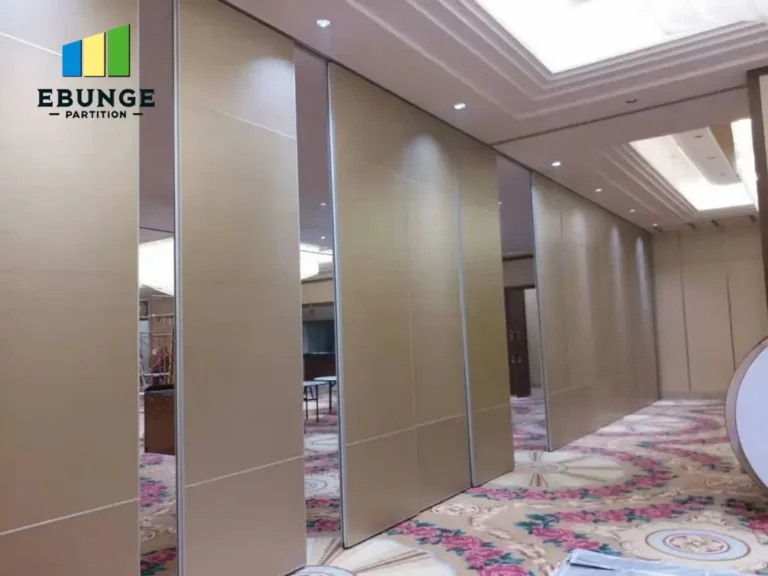
The partition should complement the interior design of your exhibition hall. Discuss finish options with the supplier, and request samples to see how they look under your lighting. Custom movable walls can be designed to match your branding or architectural style. While aesthetics are important, remember that functionality should not be sacrificed. A beautiful partition that is difficult to operate or fails acoustically will not serve your guests well.
Step 7: Review Project Timeline and Warranty
Timely installation is crucial for your project. Ask the supplier for a detailed timeline, including manufacturing, delivery, and installation. Factor in any lead times for custom finishes. Also, review the warranty terms: what does it cover, and for how long? A solid warranty indicates the supplier’s confidence in their product. Clarify what is not covered, such as damage from misuse or neglect. Having a clear understanding of these terms protects your investment.
Step 8: Ensure Cost Transparency
Cost is a major factor, but the cheapest option is not always the best. Request a detailed quotation that breaks down the costs of materials, labor, hardware, installation, and any additional fees. Compare quotations from multiple suppliers, but also evaluate the value offered. A slightly higher price may include better quality, longer warranty, or superior after-sales support. Be wary of hidden costs, such as for structural modifications or electrical work. A transparent quotation helps you make an informed decision.
Folding Partition Procurement Checklist
Use this checklist to guide your evaluation:
| Check | Details | Status |
|---|---|---|
| Opening size | Width, height, depth accurately measured | ☐ |
| Drawings | Architectural plans provided | ☐ |
| Acoustic target | Desired STC/Rw rating defined | ☐ |
| Finish preference | Material and color selected | ☐ |
| Project location | Site access and conditions noted | ☐ |
| Durability | Materials and track quality assessed | ☐ |
| Ease of operation | Manual or motorized, user-friendly | ☐ |
| Safety compliance | Certifications and safety features | ☐ |
| Warranty | Coverage and duration reviewed | ☐ |
| Cost breakdown | All costs transparently listed | ☐ |
Conclusion
Choosing the right movable partition wall for your exhibition hall requires careful planning and evaluation. This folding partition procurement guide has walked you through the essential steps, from preparing specifications to reviewing warranties and costs. By following these checks, you can confidently select an operable wall system that meets your acoustic, aesthetic, and operational needs. Remember to communicate your requirements clearly to suppliers and request detailed quotations. For more insights, explore our blog or view our movable partition wall solutions. If you have specific questions, contact our team for expert guidance.
Frequently Asked Questions
What is the typical lead time for a custom movable partition?
Lead time varies based on the complexity of the system, finishes, and current production schedules. It can range from a few weeks to several months. Always confirm the production and installation timeline with the supplier based on your project’s specifics.
Can a top-hung track system support heavy partition panels?
Yes, top-hung track systems are designed to support the weight of partition panels, with the load transferred to the building structure. The track and trolleys are engineered for durability, but the exact capacity depends on the system design. Ensure the supplier provides load specifications for your application.
How do I achieve the best acoustic performance from a folding partition?
Acoustic performance is maximized when the partition is properly sealed at all perimeters, including top, bottom, and vertical joints. Ensure that the system includes effective perimeter seals and that installation is done by experienced professionals. Also, consider the surrounding building structure, as sound can flank around the partition.
What maintenance is required for a movable partition wall?
Regular maintenance includes cleaning the track, lubricating moving parts, and checking seals for wear. The frequency depends on usage. Some systems require minimal upkeep, but it’s essential to follow the supplier’s guidelines to ensure long-term functionality.
Can the partition be customized to match my hotel’s interior design?
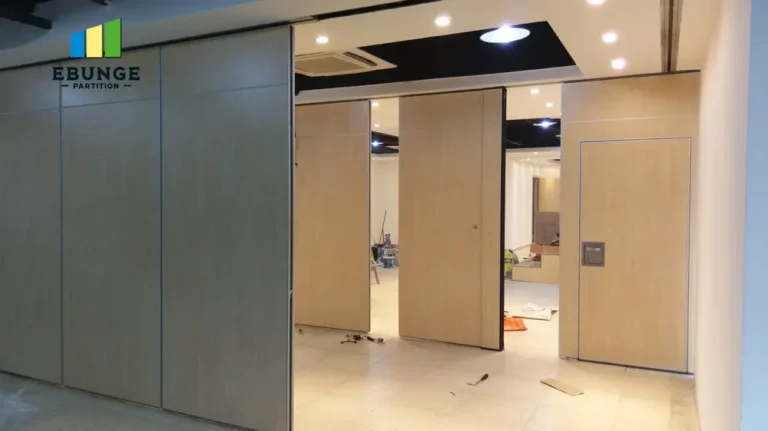
Yes, most suppliers offer a range of finishes, including laminates, veneers, and fabric panels. You can also request custom colors or branding. Provide your design preferences to the supplier, and they can recommend suitable materials that balance aesthetics and durability.
Send the opening size and drawings to discuss a differentiated folding partition procurement solution.