
Quick project answer
Review focus: track renewal forecast.
For project teams, track renewal forecast room usage logs should be reviewed against the opening, ceiling interface, operating sequence and approved finish requirements. Creating a five-year track renewal forecast from room usage logs is a planning exercise, not a prediction of failure. It helps owners, contractors and facility teams decide when to inspect, budget and coordinate with suppliers. The goal is to replace guesswork with a structured review of how often each movable wall is used, how it is operated and what the drawings say. The exact overhead route and support arrangement must be confirmed by the responsible project team from coordinated drawings.
The suitability of each route and parking arrangement depends on the approved layout, circulation, ceiling interfaces and operating sequence.
Why Room Usage Logs Matter for Track Planning
Project review term: track renewal forecast.
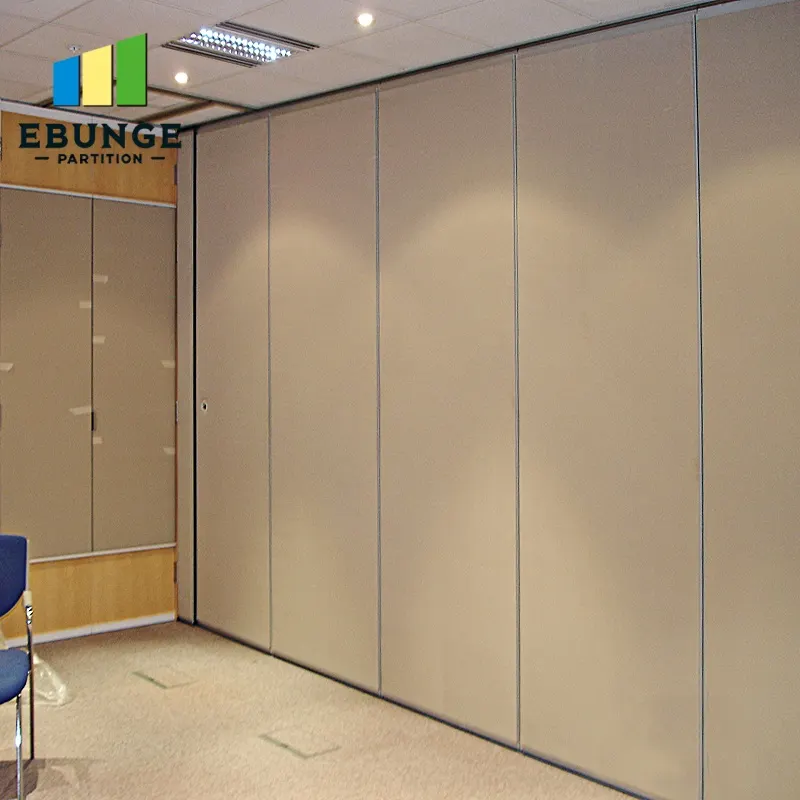
Movable partition panels are individually movable, suspended from a top track, cross the opening without a floor track and park at a planned stacking position. That means the overhead route carries the movement. Usage logs show how often each opening is reconfigured, which routes are used most and where panels are parked. Over five years, those patterns help teams prioritise inspection and maintenance planning.
They simply record activity. Treat them as one input among many, alongside visual inspections, manufacturer guidance and project drawings.
What a Useful Log Entry Contains
- Date and time of each reconfiguration.
- Room or zone name and opening identifier.
- Direction of travel and parking position used.
- Any reported difficulty, noise or alignment issue.
- Who operated the system and whether training was provided.
Map Straight, Turning and Stacking Routes
Coordination scope: track renewal forecast.
Before forecasting, review the layout to identify every straight, turning and stacking route. Each route has different demands on the top track and support structure. A route that turns or crosses a junction may need closer inspection than a simple straight run. The forecast should reflect route complexity, not just total movements.
The exact route, junction arrangement, continuous overhead path and parking position must be confirmed from the coordinated project drawings. Every proposed movement path requires a continuous connected overhead route and project-specific support review. If the layout changes, the forecast must be updated.
Route Review Checklist
- List every opening and its associated parking position.
- Mark straight, turning and stacking segments on the drawing.
- Note any junctions, curves or transitions.
- Confirm that each route is continuous and supported.
- Flag routes with frequent use or reported issues for earlier inspection.
Build the Five-Year Forecast in Steps
A five-year forecast is a living document. Start with the data you have, then refine it as inspections and usage patterns evolve. The following process keeps the work transparent and reviewable.
Step 1: Consolidate Logs
Gather logs from all sources, including room booking systems, operator notes and maintenance reports. Normalise dates and room names so entries can be compared. Missing data should be marked as unknown, not estimated.
Step 2: Group by Usage Intensity
Group openings into low, medium and high usage bands based on actual log counts. Avoid inventing thresholds that imply performance limits. Instead, use relative bands within the project to prioritise inspections.
Step 3: Add Inspection Findings
Pair each group with inspection notes. Look for visible wear, alignment changes or unusual sounds. These observations help decide whether a route needs earlier attention, but they do not replace engineering assessment.
Step 4: Set Review Points
Plan annual review points over five years. At each point, compare actual usage with the forecast and adjust. This prevents the forecast from becoming stale.
Evidence Boundaries and Confirmation Points
Keep the forecast within what the evidence supports. Visible references can support layout discussion but do not verify hidden construction or performance.
If a statement is comparative, absolute or causal, it needs matching evidence. Otherwise, state the exact project-specific confirmation boundary. For example, instead of saying a track will last five years, say the forecast identifies when inspection and review should occur.
Evidence Note: What Logs Can and Cannot Show
Usage logs can show frequency, route patterns and reported issues. They cannot prove remaining service life, structural capacity, acoustic performance or compliance. Those require project-specific confirmation with qualified professionals and maintained product documentation.
Coordinate With Project Documentation
Your forecast should align with the project documentation. If documentation is incomplete, note the gaps and request clarification before making decisions.
Pass-door requirements and project documentation can be discussed with the supplier. Finish options such as laminate, melamine, fabric, leather, glass and other approved surfaces may affect cleaning and appearance planning, but they do not determine track performance. Confirm all finish and maintenance requirements for the specific project.
Documentation Review Table

| Document | What It Helps Confirm | Action If Missing |
|---|---|---|
| Layout drawing | Straight, turning and stacking routes | Request updated drawing |
| Support details | Overhead support conditions | Ask for structural review |
| Usage logs | Frequency and route patterns | Start a simple log |
| Inspection notes | Visible condition and issues | Schedule inspection |
Common Pitfalls to Avoid
One common mistake is treating the forecast as a replacement schedule. It is a planning tool. Another is ignoring low-usage routes that may still have complex geometry.
Confirm acoustic requirements separately.
Quick Pitfall Checklist
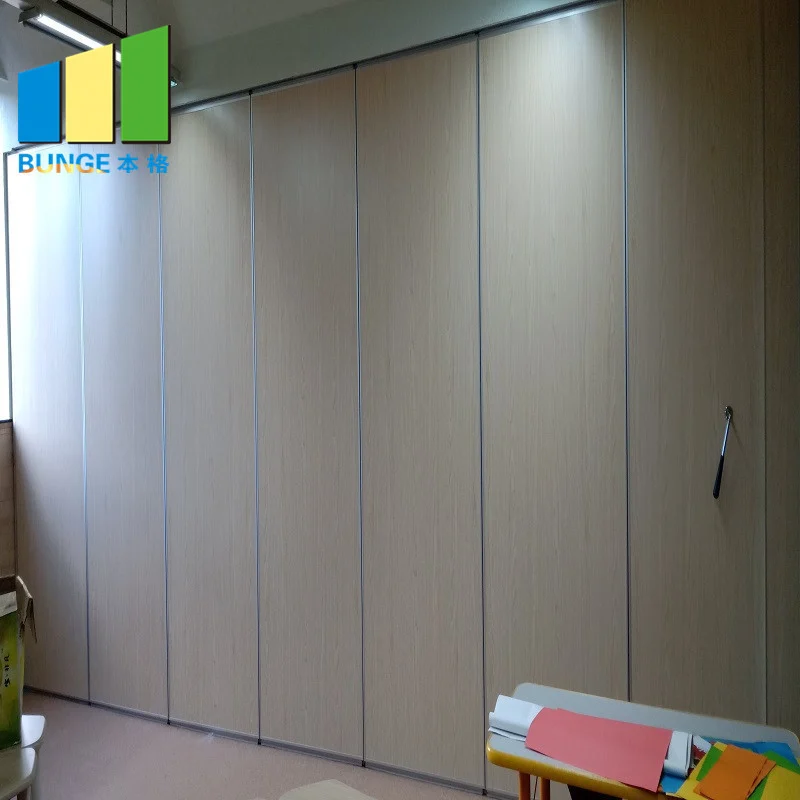
- Do not infer performance from photos or finishes.
- Do not treat logs as proof of service life.
- Do not skip review points.
FAQ: Track Renewal Forecast and Usage Logs
What is a track renewal forecast from room usage logs?
It is a planning document that uses recorded room usage to prioritise inspection and review of movable partition track routes over a five-year period.
How often should the forecast be updated?
Review it at least annually, or whenever the layout, usage pattern or project documentation changes. Update the forecast with new inspection findings and actual usage data.
Can usage logs prove that a track needs renewal?
No. Logs show activity and reported issues. Those require project-specific inspection and engineering confirmation.
What information should be confirmed with the supplier?
Confirm support conditions, route continuity, parking requirements, pass-door needs and project documentation. Finish options and acoustic requirements should also be confirmed for the specific project.
Does the forecast apply to all movable wall systems?
Provide the current layout, opening dimensions, ceiling information, intended room use, and relevant project drawings for review. The exact overhead route and support arrangement must be confirmed by the responsible project team from coordinated drawings.
How should acoustic performance be handled in the forecast?
Confirm acoustic needs with qualified professionals.
Conclusion and Next Steps
A five-year track renewal forecast from room usage logs helps teams plan inspections, budgets and coordination without overclaiming. Start with clean logs, map every route, set annual review points and keep evidence boundaries visible. Confirm all project-specific support, acoustic and dimensional requirements before making decisions.
To discuss your layout, documentation or pass-door requirements, contact EBUNGE. You can also review movable wall products and explore resources for further planning context.