
When designing an exhibition hall, the choice of exhibition sliding partition finishes can define the entire spatial experience. As an interior designer, you need a movable partition wall that not only divides space flexibly but also aligns with your aesthetic vision and practical requirements. This guide focuses on the key finish considerations and technical specifications you must evaluate before requesting a quotation for your next commercial project.
Direct Answer: For exhibition hall applications, prioritize durable, low-maintenance finishes such as laminate, HPL, or powder-coated metal, with acoustic performance tailored to your specific noise reduction target. Always specify the opening size, desired finish, and acoustic requirements to your movable partition wall supplier to receive an accurate quotation and ensure the system meets your project’s functional and aesthetic goals.
Understanding the Role of Finishes in Exhibition Spaces
Exhibition halls are high-traffic environments where partitions must withstand frequent reconfiguration and potential impacts from equipment or crowds. The finish you choose affects not only the visual appeal but also the long-term durability and maintenance needs. A top-hung track system, like those offered by EBUNGE, eliminates the need for a floor rail, reducing trip hazards and simplifying cleaning. However, the finish on the panels themselves is equally critical.
Need help turning the exhibition sliding partition finishes requirements into a practical project layout?
Evaluating Finish Options for Durability and Aesthetics
Common finish options for exhibition sliding partitions include:
- Laminate: Available in a wide range of colors and patterns, offering good scratch resistance and easy cleaning.
- High-Pressure Laminate (HPL): More robust than standard laminate, ideal for high-impact areas.
- Powder-Coated Metal: Provides a sleek, modern look with excellent durability and resistance to chipping.
- Wood Veneer: Adds warmth and sophistication but requires more care and may be less durable in high-traffic settings.
- Acoustic Fabric: Enhances sound absorption but may be prone to staining and requires specialized cleaning.
When selecting, consider the frequency of use, potential for contact with carts or displays, and the overall design language of your exhibition hall. A balance between aesthetics and practicality is essential.
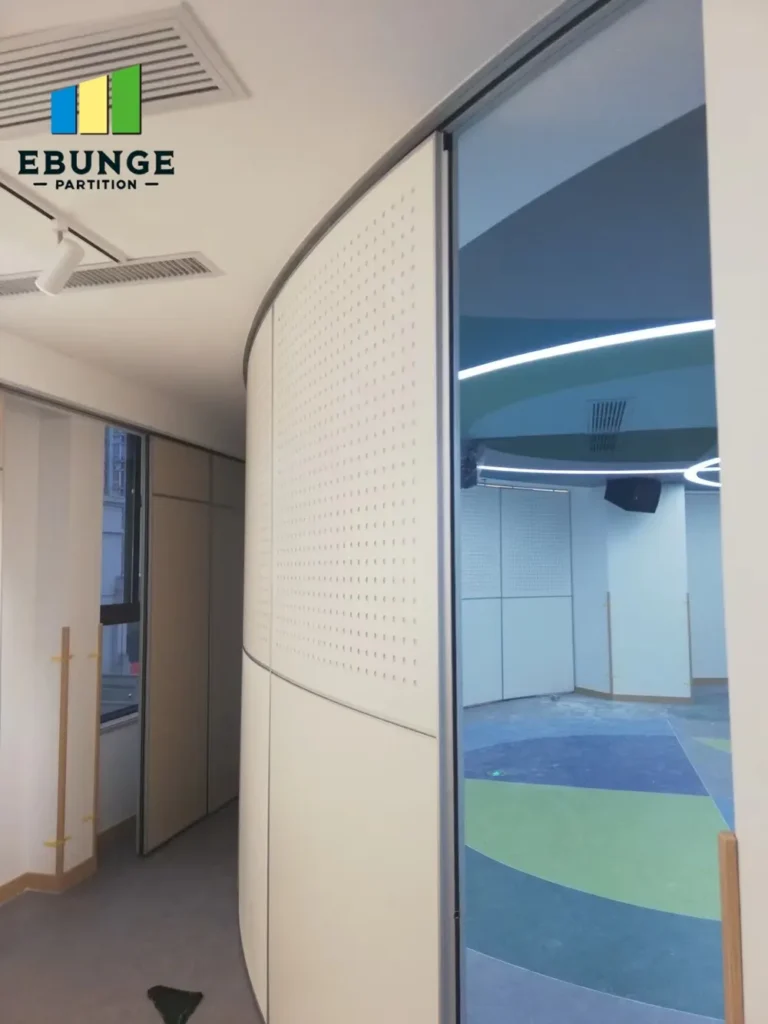
Acoustic Performance: Matching Finishes to Sound Control Needs
Acoustic insulation is a primary concern in exhibition halls where simultaneous events may occur. The finish, combined with the core material and sealing systems, determines the Sound Transmission Class (STC) rating. For example, acoustic fabric panels can improve sound absorption, but a solid laminate finish on a well-sealed partition can provide better sound blocking.
It is crucial to define your acoustic target early. Whether you need to minimize noise from adjacent exhibits or create quiet meeting areas, communicate the required STC rating to your supplier. They can recommend the appropriate panel construction and finish to meet your specifications without over-engineering.
Fire Safety and Compliance: Non-Negotiable Requirements
Exhibition halls are subject to strict fire safety regulations. The finish materials must comply with local fire codes, often requiring a specific fire rating. For instance, laminate and HPL can be manufactured with fire-retardant properties, while some wood veneers may not meet the same standards. Always request fire safety certificates and test data from your supplier to ensure compliance. Your project drawings and specifications should clearly state the required fire rating, and the chosen finish must align with those standards.
Maintenance and Long-Term Care of Partition Finishes
In a busy exhibition environment, partitions will inevitably accumulate dust, fingerprints, and occasional scuffs. Choose finishes that are easy to clean and maintain. Laminate and powder-coated metal surfaces can be wiped down with mild detergents, while acoustic fabrics may require vacuuming or professional cleaning. Consider the long-term cost of maintenance when comparing options. A slightly higher upfront investment in a durable finish can save significant time and money over the partition’s lifespan.
Installation Time and Site Considerations
The installation process for exhibition sliding partitions is influenced by the chosen finish and system complexity. Top-hung track systems typically require less on-site preparation than floor-mounted alternatives, but the weight and handling of panels with heavier finishes (e.g., HPL or metal) may affect installation time. Discuss the installation schedule with your supplier and ensure your project timeline accounts for any necessary site preparation, such as reinforcing the ceiling structure to support the partition’s weight.
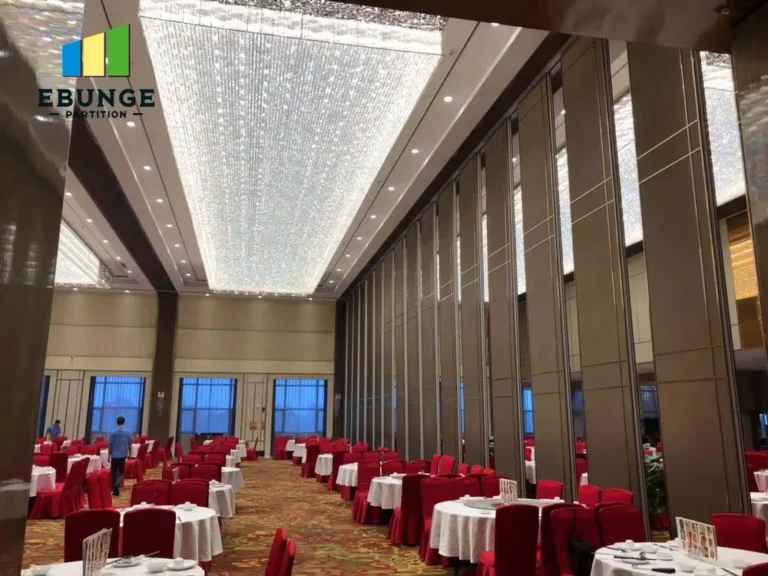
Share the opening, drawings, finish direction, and privacy target for a project-specific review.
Cost Transparency and Quotation Readiness
To receive an accurate and transparent quotation, you must provide detailed information to your supplier. This includes the exact opening size (width and height), the number of panels, the desired finish, and any acoustic or fire safety requirements. A clear specification helps avoid unexpected costs and ensures the quote reflects your actual needs. Be wary of quotes that are significantly lower than others; they may indicate inferior materials or hidden charges.
Supplier Reliability: What to Look For
Choosing a reliable supplier is as important as selecting the right finish. Look for a partner with experience in commercial projects, who can provide references and demonstrate a track record of delivering on time and within budget. EBUNGE, for example, specializes in custom project coordination, offering guidance on finishes, drawings, and installation. They can work with you to ensure the partition system meets all your technical and aesthetic requirements.
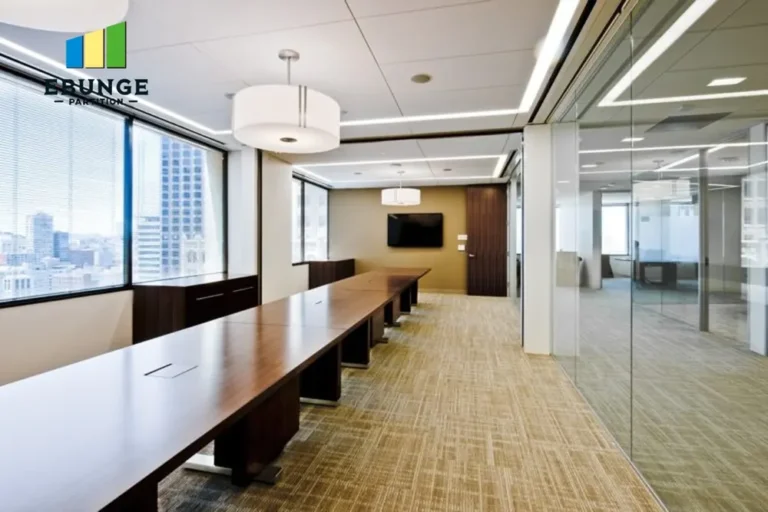
Design Ideas: Integrating Finishes with Exhibition Hall Aesthetics
The finish of your movable partition wall can be a design opportunity. Consider using contrasting colors to define zones, or incorporate branding elements into the finish. For a high-end exhibition, a wood veneer finish can add elegance, while a modern exhibition space might benefit from bold, powder-coated colors. The flexibility of custom finishes allows you to create a unique environment that aligns with your client’s brand identity.
Checklist for Specifying Exhibition Sliding Partition Finishes
| Consideration | Details to Specify |
|---|---|
| Opening Size | Width, height, and number of panels |
| Finish Type | Laminate, HPL, metal, wood veneer, acoustic fabric |
| Acoustic Target | Required STC rating or specific dB reduction |
| Fire Safety | Required fire rating and compliance standards |
| Maintenance Needs | Cleaning methods and frequency |
| Installation Constraints | Ceiling structure, site access, and timeline |
| Budget | Total cost including materials, installation, and maintenance |
Common Questions About Exhibition Sliding Partition Finishes
What is the most durable finish for a high-traffic exhibition hall?
High-pressure laminate (HPL) and powder-coated metal are among the most durable options, offering excellent resistance to scratches, impacts, and moisture. They are easy to clean and maintain, making them ideal for busy environments.
Can I customize the finish to match my brand colors?
Yes, many suppliers offer custom color matching and finish options. You can provide a Pantone code or a sample, and the supplier can produce panels that align with your brand identity.
How does the finish affect acoustic performance?
The finish can impact acoustic absorption, but the overall soundproofing depends on the panel core, sealing, and track system. For example, acoustic fabric finishes can improve sound absorption, while a solid, dense finish may block sound more effectively. It’s best to specify your acoustic target and let the supplier recommend the appropriate combination.
Are there fire-resistant finish options?
Yes, many laminate and HPL finishes are available with fire-retardant properties. Always ask for fire safety certificates and ensure the finish meets the local building codes for your project.
What information should I provide to get an accurate quotation?
To receive a precise quote, share the opening size, number of panels, desired finish, acoustic requirements, fire safety needs, and your project location. Providing drawings and specifications helps the supplier understand the full scope and avoid surprises.
Conclusion: Making an Informed Decision on Exhibition Sliding Partition Finishes
Choosing the right exhibition sliding partition finishes involves balancing aesthetics, durability, acoustic performance, and budget. By understanding your project’s specific requirements and communicating them clearly to your supplier, you can ensure a successful installation that enhances your exhibition space. Remember to prioritize durability and maintenance ease in high-traffic areas, and always confirm technical specifications with documented evidence.
For more inspiration and guidance on movable partition design ideas, explore our blog and design ideas category. When you’re ready to discuss your project, contact us to speak with our team.
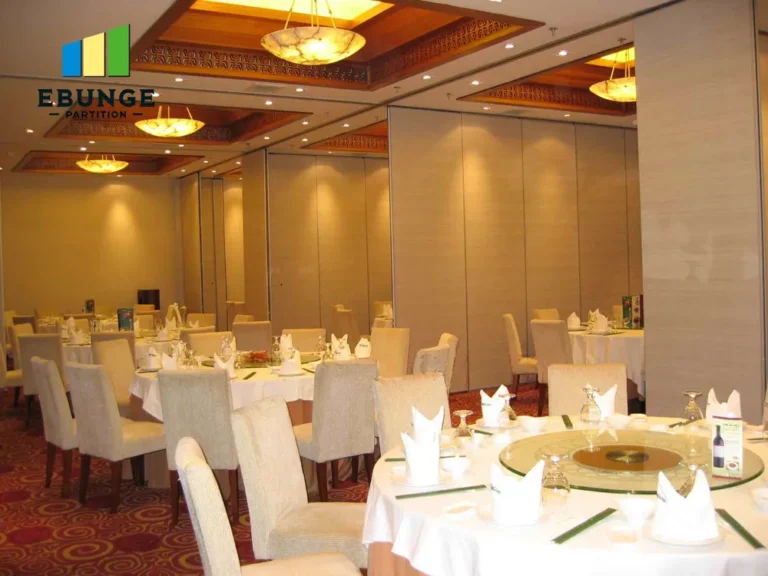
Send the opening size and drawings to discuss a differentiated exhibition sliding partition finishes solution.