
When planning a community center renovation, the choice of community folding partition finishes affects not only the visual appeal but also the long-term functionality and maintenance of the space. For an office renovation company handling such a project, understanding how finishes interact with the operable wall system, acoustic performance, and daily wear is crucial. This guide helps you evaluate finish options from a buyer’s perspective, ensuring your quotation is accurate and your client’s expectations are met.
Direct answer: The best community folding partition finishes balance durability, acoustic absorption, and ease of maintenance while matching the design intent. Prioritize finishes that are impact-resistant, easy to clean, and compatible with the acoustic requirements of the space. Always request finish samples and verify performance data from the supplier before making a decision.
Why Finish Selection Matters for Community Centers
Community centers host diverse activities—from children’s programs to senior fitness classes—so the movable partition wall must withstand high traffic, occasional impacts, and frequent cleaning. The finish is the first line of defense against scratches, stains, and fading. It also contributes to the overall acoustics: some finishes absorb sound better than others, affecting the noise level between divided spaces. For a renovation company, specifying the right finish reduces callbacks and enhances client satisfaction.
When evaluating finishes, consider the substrate (e.g., particleboard, MDF, or aluminum), the surface material (vinyl, fabric, laminate, or paint), and the edge treatment. Each has different durability and maintenance profiles. For instance, vinyl finishes are easy to wipe down, while fabric finishes offer better acoustic absorption but may require more careful maintenance.
Need help turning the community folding partition finishes requirements into a practical project layout?
Top-Hung Track Systems and Finish Compatibility
Community folding partitions often use a top-hung track system, which supports the panels from above and eliminates the need for a floor rail. This design affects the finish because panels must be lightweight enough to move smoothly while still being sturdy. Heavier finishes like stone or thick laminate can strain the track system, so it’s essential to confirm weight limits with the supplier. A top-hung track also means the bottom edge of the partition is exposed; a durable finish there prevents damage from foot traffic and cleaning equipment.
Key Factors in Evaluating Finish Durability
Durability is not just about scratch resistance; it’s about how the finish holds up against moisture, UV exposure, and cleaning chemicals. In community centers, spills are inevitable, so finishes should be non-porous or sealed to prevent staining. High-traffic areas may require impact-resistant finishes like high-pressure laminate (HPL) or solid surfaces. Ask the supplier for abrasion tests and impact tests, and request a warranty that covers finish defects.
Acoustic Performance and Finish Interaction
Acoustic insulation in a movable partition system depends on the panel core, seals, and the finish. Fabric finishes can enhance sound absorption, especially if they are paired with acoustic backing. However, hard finishes like laminates reflect sound, which may be suitable for spaces where speech intelligibility is not critical. For community centers that host music or lectures, acoustic targets should be defined early. The finish should not compromise the acoustic seals at the edges; ensure that the finish does not interfere with the perimeter gaskets.
Maintenance and Cleaning Requirements
Different finishes have different cleaning protocols. Vinyl and laminate can be wiped with mild detergents, while fabric may require vacuuming and professional cleaning. For community centers with limited maintenance staff, easy-to-clean finishes are preferable. Ask the supplier for care instructions and test the finish with common cleaning agents. Also, consider the repairability: can a damaged panel be refinished or replaced without replacing the entire partition?
Customization Options and Aesthetic Appeal
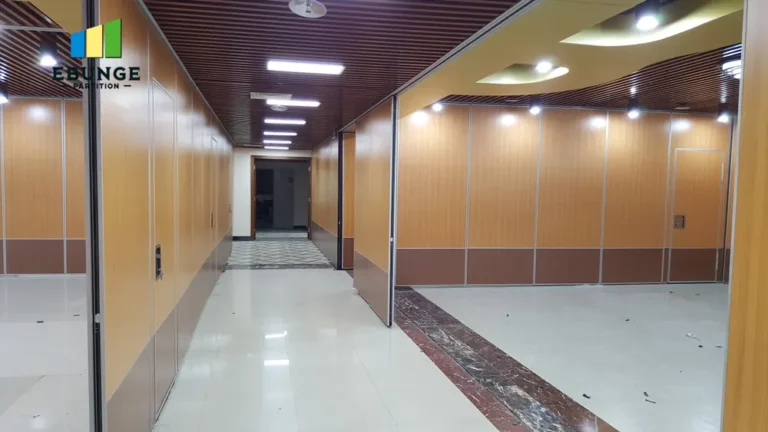
Community centers often want a unique look that reflects the local community. Custom movable walls can be finished in a wide range of colors, patterns, and textures. Some suppliers offer digital printing on panels, allowing for murals or branding. When customizing, consider how the finish will age and whether it will remain visually appealing over time. Also, check if the supplier can match specific color standards (e.g., Pantone) and provide samples for approval.
Installation Complexity and Finish Protection
The installation process can damage finishes if not handled properly. Ensure the supplier provides detailed installation guidance and that the contractor is experienced with the chosen finish. During installation, protect panels from scratches and dust. Some finishes require special handling; for example, wood veneers are sensitive to humidity. Discuss installation timelines and whether the finish requires any post-installation treatment.
Share the opening, drawings, finish direction, and privacy target for a project-specific review.
Cost-Effectiveness: Beyond Initial Price
Cost-effectiveness includes the initial price, installation cost, maintenance, and lifespan. A cheaper finish may need replacement sooner, increasing long-term costs. Request a lifecycle cost analysis from the supplier. Also, consider the impact of the finish on the overall partition system: a heavier finish may require a more robust track, adding to the cost. Balance your budget with the expected usage intensity.
Compliance with Building Codes and Safety Standards
Finishes must meet fire safety regulations, such as flame spread ratings and smoke development. In community centers, these codes are strict. Ensure the finish has the necessary certifications, such as Class A or B ratings, and that the supplier provides documentation. Also, check for emissions standards (e.g., low-VOC) to maintain indoor air quality.
Comparing Community Folding Partition Finishes
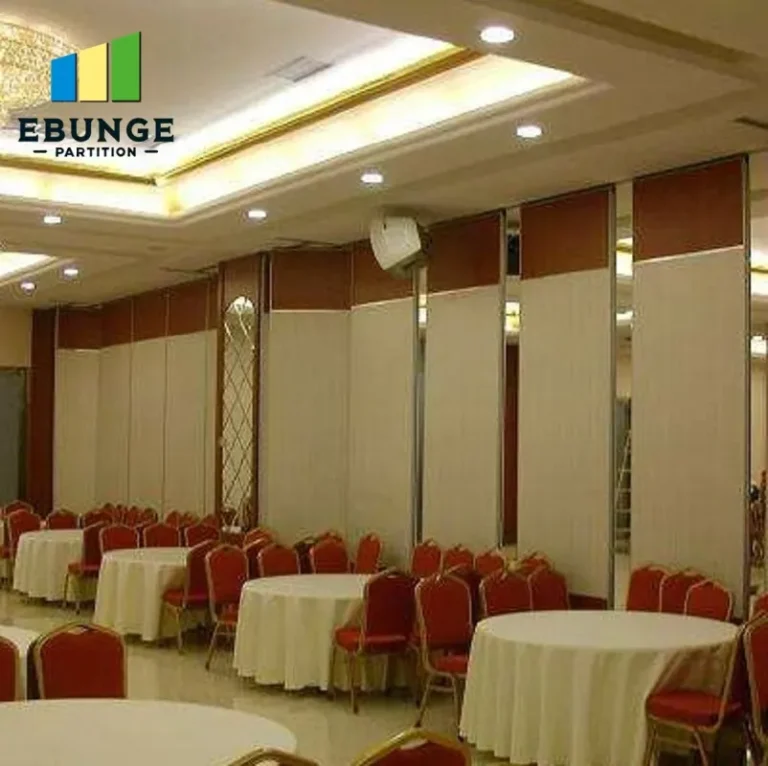
To make an informed decision, compare finishes based on key criteria. The table below outlines typical characteristics, but always verify with the supplier’s technical data.
| Finish Type | Durability | Acoustic Absorption | Maintenance | Customization |
|---|---|---|---|---|
| Vinyl | High | Moderate | Easy to clean | Wide color range |
| Fabric | Moderate | High | Requires care | Patterns and textures |
| Laminate | High | Low | Easy to clean | Many patterns |
| Wood veneer | Moderate | Moderate | Moderate | Natural look |
Practical Checklist for Finish Selection
- Define the acoustic target (e.g., STC rating) and confirm the finish’s contribution.
- Assess the traffic level and potential impact sources.
- Request samples and test for scratch, stain, and moisture resistance.
- Verify the finish’s fire rating and emissions certifications.
- Check the track system’s weight capacity relative to the finish weight.
- Ask for maintenance instructions and warranty terms.
- Confirm customization options and lead times.
When to Consult a Community Folding Partition Finishes Supplier
Engage a reputable community folding partition finishes supplier early in the design process. They can provide technical data, samples, and installation guidance. Share your project’s opening size, drawings, acoustic target, finish preference, and location to get accurate quotations. A supplier with experience in community centers can help you avoid pitfalls and ensure compliance.
For more insights on movable partition walls, explore our movable partition wall solutions. You may also find our design ideas helpful. If you have specific questions, contact us.
Frequently Asked Questions
What is the most durable finish for a community folding partition?
High-pressure laminate (HPL) and solid vinyl are among the most durable, resisting scratches and impacts. However, durability also depends on the substrate and installation quality.
Can fabric finishes be used in high-traffic community centers?
Yes, but they require more maintenance. Choose a fabric with a protective coating and plan for regular cleaning. Consider using fabric only on upper panels or in low-traffic areas.
How does the finish affect acoustic insulation?
Soft finishes like fabric absorb sound, while hard finishes reflect it. The overall acoustic performance also depends on the panel core and seals. Always review the system’s STC rating.
Are custom finishes available for community folding partitions?
Many suppliers offer customization, including digital printing, custom colors, and textures. Confirm the lead time and minimum order quantities.
What information should I provide to get an accurate quotation?
Share the opening size, drawings, acoustic target, finish preference, and project location. This helps the supplier recommend the right system and finish.
Conclusion: Making the Right Finish Choice
Choosing community folding partition finishes is a strategic decision that impacts functionality, aesthetics, and budget. By focusing on durability, acoustics, maintenance, and compliance, you can select a finish that meets your client’s needs. Always verify performance data with the supplier and request samples. With careful planning, your community center project will be a success.
For further guidance, explore our blog for more tips on partition selection and installation.
Send the opening size and drawings to discuss a differentiated community folding partition finishes solution.