
When planning a conference room, the acoustic partition wall cost factors for office meeting rooms often determine whether a project moves forward or stalls. As an architect, you need to translate client requirements into a realistic budget, but the lack of transparent quotation breakdowns can create uncertainty. This guide focuses on the cost factors that matter most for conference room applications, helping you prepare for supplier discussions and avoid hidden expenses. We’ll cover everything from material choices to installation complexity, warranty coverage, and compliance, so you can evaluate quotes with confidence.
Direct answer: The acoustic partition wall cost factors for office meeting rooms include the partition type (movable vs. operable), size and configuration, acoustic performance level, finish options, hardware and track system, installation complexity, and additional services like project management and after-sales support. To get an accurate quote, you must provide the opening size, drawings, acoustic target, finish preference, and project location. Prices vary widely based on these factors, so always request itemized quotations and compare them on a like-for-like basis.
Acoustic Partition Wall Cost Factors: Why Conference Rooms Have Unique Cost Drivers
Conference rooms are high-traffic spaces that require both acoustic privacy and flexibility. Unlike open offices, they often need higher Sound Transmission Class (STC) ratings to prevent confidential discussions from leaking. This directly impacts the acoustic partition wall cost factors for office meeting rooms because higher STC ratings demand thicker panels, additional seals, and more robust hardware. Furthermore, conference rooms may need to integrate with existing architectural features, such as ceiling grids or floor finishes, which can increase installation complexity and cost.
Another unique aspect is the frequency of use. A conference room partition may be moved daily, so the track system and hardware must be durable. This is where the choice between a movable partition wall and an operable wall system becomes critical. Movable partitions are typically lighter and easier to handle, but they may not offer the same acoustic performance as heavy-duty operable walls. Your decision will affect both initial cost and total cost of ownership.
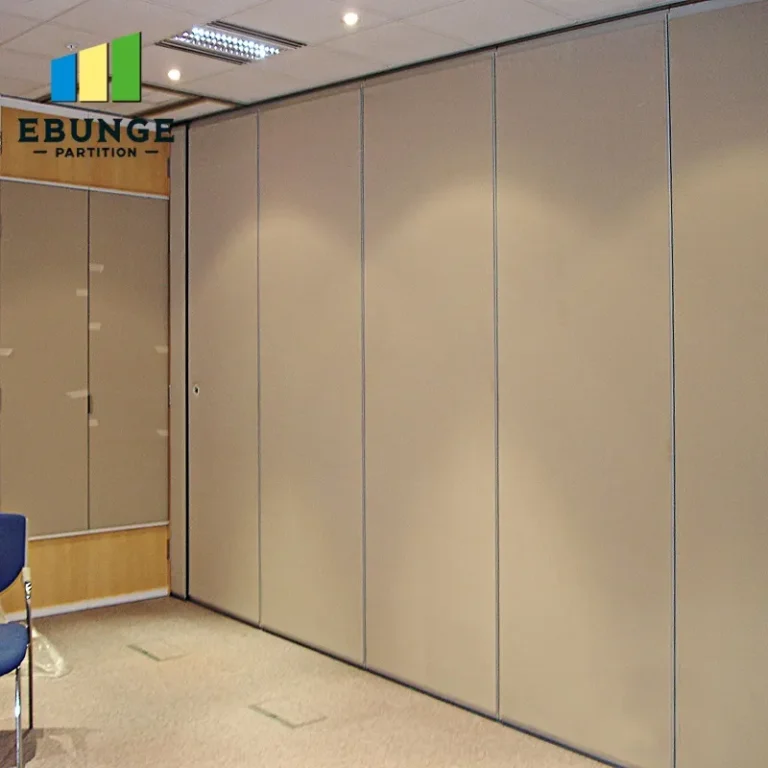
Need help turning the acoustic partition wall cost factors requirements into a practical project layout?
Key Cost Factors Explained
Understanding the individual components of an acoustic partition wall quote is essential. Here are the primary cost factors you’ll encounter:
1. Partition Type and Configuration
The type of partition—whether it’s a simple movable partition or a custom operable wall—sets the baseline cost. Operable wall systems often include multiple panels that fold and stack, requiring more engineering and hardware, which increases price. Configuration also matters: straight runs are cheaper than L-shaped or curved installations.
2. Acoustic Performance
Acoustic ratings, typically expressed as STC or Rw, directly correlate with cost. Higher ratings require denser materials, additional insulation, and better edge seals. For conference rooms, an STC of 45-50 is common, but if you need to meet specific building codes or client expectations, costs will rise accordingly. Always specify your target acoustic performance in your inquiry to get accurate pricing.
3. Materials and Finishes
Panel core materials (e.g., particleboard, gypsum, or steel) and surface finishes (laminate, veneer, fabric, or glass) significantly affect cost. Custom finishes, such as branded fabric or specialized veneers, add to the price. While it’s tempting to choose cheaper materials, consider long-term durability and maintenance. A higher-quality finish may reduce lifecycle costs.
4. Track System and Hardware
The track system is a critical cost component. Top-hung track systems, which support the partition from the ceiling without a floor rail, are often preferred for aesthetics and ease of cleaning. However, they require a robust ceiling structure to support the weight, which may add structural costs. The complexity of the track (straight, curved, or with switches) also influences price.
5. Installation Complexity
Installation costs vary based on site conditions. Factors such as ceiling height, existing finishes, accessibility, and the need for temporary works can increase labor time and cost. If the installation requires coordination with other trades, such as electrical or HVAC, expect additional fees. Always ask for a site survey to get an accurate installation quote.
6. Warranty and After-Sales Support
Warranty coverage is often overlooked but is a crucial cost factor. A longer warranty may indicate higher-quality materials and workmanship, but it also adds to the upfront price. Similarly, after-sales support, such as maintenance services or spare parts availability, can affect total cost of ownership. Clarify what is included in the warranty and what services are available.
7. Compliance and Building Codes
Meeting local building codes, fire safety regulations, and accessibility standards can add costs. For example, fire-rated partitions are more expensive than standard ones. Ensure your supplier is aware of all applicable codes and includes compliance in the quotation.
How to Get Accurate Quotes for Your Project
To receive precise quotations, provide suppliers with comprehensive information. At a minimum, include:
- Opening size (width and height) and any special configurations
- Architectural drawings (floor plans, elevations, sections)
- Acoustic target (STC or Rw rating)
- Finish preferences (materials, colors, textures)
- Project location (for labor and logistics costs)
Submitting this information upfront helps suppliers avoid guesswork and reduces the risk of change orders later. It also allows you to compare quotes on a like-for-like basis. When you receive quotations, review them for completeness. A detailed quote should break down costs for materials, hardware, installation, and any additional services.
Total Cost of Ownership: Beyond the Initial Quote
While the initial price is important, evaluating the total cost of ownership (TCO) is essential for making a sound investment. Consider the following:
- Durability: High-quality partitions may cost more upfront but last longer, reducing replacement costs.
- Maintenance: Some finishes and hardware require regular upkeep. Choose options that are easy to clean and maintain.
- Energy efficiency: Well-sealed partitions can improve HVAC efficiency, lowering operating costs.
- Adaptability: If your conference room needs may change, a flexible partition system could save money in the long run.
Ask suppliers for maintenance schedules and expected lifespan. This information will help you calculate TCO and make a more informed decision.
Material Quality vs. Price: What to Prioritize
It’s tempting to choose the lowest price, but that can lead to higher costs later. Focus on material quality and construction. For example, panels with reinforced edges and robust seals may cost more but provide better acoustic performance and longevity. Similarly, a top-hung track system without a floor rail might be more expensive than a floor-mounted system, but it offers advantages like easier cleaning and a seamless floor finish, which could be worth the premium in a conference room.
When comparing materials, ask for samples and technical specifications. Verify that the materials meet your project’s requirements. Don’t hesitate to ask about the source of materials and any certifications they hold.
Share the opening, drawings, finish direction, and privacy target for a project-specific review.
Installation Complexity and Its Impact on Budget
Installation is often where unexpected costs arise. To avoid surprises, discuss installation details with your supplier early. Key questions to ask include:
- Will the installer need to work outside normal business hours? (This may incur overtime costs.)
- Are there any site-specific challenges, such as limited access or low ceiling clearance?
- Who is responsible for preparing the site (e.g., removing existing partitions, ensuring a level floor)?
- What is the estimated timeline for installation, and what happens if it extends?
Having a clear installation plan helps you budget accurately and manage expectations. For complex projects, consider hiring a project manager to oversee the installation.
Comparing Quotes: A Checklist for Architects
Use this checklist when reviewing quotations from different suppliers:
| Item | Supplier A | Supplier B | Supplier C |
|---|---|---|---|
| Partition type and model | Movable | Operable | Movable |
| Acoustic rating (STC) | 45 | 50 | 45 |
| Panel core material | Particleboard | Gypsum | Steel |
| Finish (laminate/veneer/fabric) | Laminate | Fabric | Veneer |
| Track system | Top-hung | Top-hung | Floor-mounted |
| Warranty (years) | 5 | 10 | 5 |
| Installation cost | $X | $Y | $Z |
| Delivery timeline | 4 weeks | 6 weeks | 3 weeks |
| After-sales support | Basic | Extended | Basic |
Note: Prices are placeholders; always get actual quotes. Use this table to ensure you’re comparing apples to apples.
Common Pitfalls to Avoid When Budgeting
Architects often encounter these pitfalls when planning for acoustic partitions:
- Underestimating acoustic requirements: Failing to specify the needed STC rating can lead to underperformance and costly retrofits.
- Ignoring site constraints: Not accounting for ceiling structure or floor conditions can cause installation delays and extra costs.
- Overlooking warranty terms: Some warranties exclude certain components or require regular maintenance. Read the fine print.
- Choosing the cheapest option: Low-cost partitions may have higher maintenance costs or shorter lifespans.
By being aware of these pitfalls, you can avoid budget overruns and ensure your project stays on track.
Conclusion: Make Informed Decisions for Your Conference Room
Evaluating acoustic partition wall cost factors for office meeting rooms requires a thorough understanding of your project’s specific needs. By focusing on the factors outlined above, you can prepare for supplier discussions, request accurate quotes, and select a partition that balances cost and performance. Remember to always provide detailed project information and compare quotes on a like-for-like basis. For more insights on movable partition walls, explore our movable partition wall solutions or read our blog articles. If you need assistance with your project, don’t hesitate to contact us for expert guidance.
Frequently Asked Questions
What is the typical cost range for acoustic partition walls?
Costs vary widely based on size, materials, and features. It’s best to request quotes from multiple suppliers with detailed specifications. Avoid relying on average prices, as they may not reflect your project’s unique requirements.
How does the acoustic rating affect the price?
Higher acoustic ratings (e.g., STC 50 vs. 45) require more robust construction, which increases material and manufacturing costs. Specify your target rating to get an accurate quote.
Are there additional costs for installation?
Yes, installation costs depend on site conditions, labor rates, and complexity. Always request a site survey and include installation in your budget.
What warranty should I expect?
Warranties vary by manufacturer. Typical warranties range from 5 to 10 years. Ensure you understand what is covered and the terms.
Can I get a partition that meets fire safety codes?
Yes, but fire-rated partitions are more expensive. Check local building codes and specify fire resistance in your inquiry.
Send the opening size and drawings to discuss a differentiated acoustic partition wall cost factors solution.