
When a community center project calls for flexible space division, the acoustic partition wall acoustic performance for community centers often becomes the deciding factor between a successful multi-purpose hall and a constant source of complaints. As a buyer, you may find yourself navigating a maze of technical terms, STC ratings, and conflicting claims from suppliers. This guide is designed to help you cut through the noise, ask the right questions, and make a confident, informed decision that aligns with your budget, timeline, and acoustic goals.
Direct Answer: To evaluate acoustic partition wall acoustic performance for community centers, focus on verified STC ratings from independent tests, the quality of perimeter seals, the mass and construction of panels, and the track system’s ability to minimize sound flanking. Always request project-specific documentation and references, and ensure the supplier provides a clear performance warranty tied to installation quality.
Acoustic Partition Wall Acoustic Performance: Why Acoustic Performance Matters in Community Centers
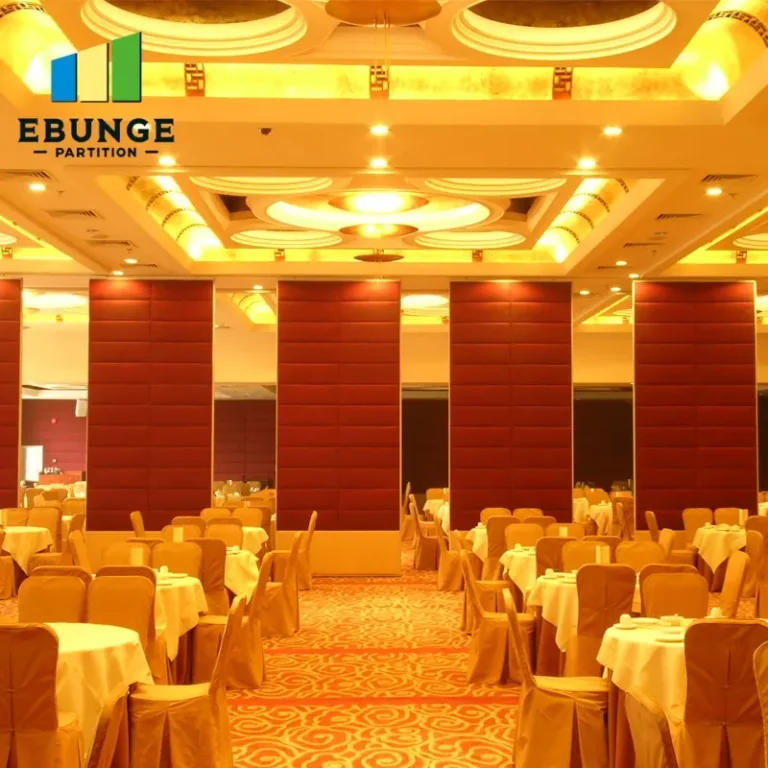
Community centers are bustling hubs of activity: a yoga class might run simultaneously with a board meeting, or a children’s music rehearsal could overlap with a senior citizens’ gathering. Without adequate sound isolation, these activities interfere with each other, leading to user dissatisfaction and potential noise complaints. The acoustic partition wall acoustic performance for community centers is not just about meeting building codes; it’s about ensuring the space is genuinely usable for diverse purposes. A well-designed operable wall system can transform a large hall into intimate meeting rooms, but only if the acoustic separation is effective.
Need help turning the acoustic partition wall acoustic performance requirements into a practical project layout?
Key Factors That Determine Acoustic Performance
Acoustic performance is not a single number but a combination of several elements. Understanding these will help you evaluate supplier proposals and avoid common pitfalls.
STC Ratings and What They Really Mean
Sound Transmission Class (STC) is a widely used metric, but it’s often misunderstood. A higher STC indicates better sound insulation, but the rating is based on laboratory tests that may not reflect real-world conditions. For community centers, an STC of 40-50 is typical for speech privacy, while music or amplified sound requires higher ratings. Always ask for the STC rating from an independent lab, and check if it includes the entire wall assembly, including seals and track.
The Role of Seals and Gaskets
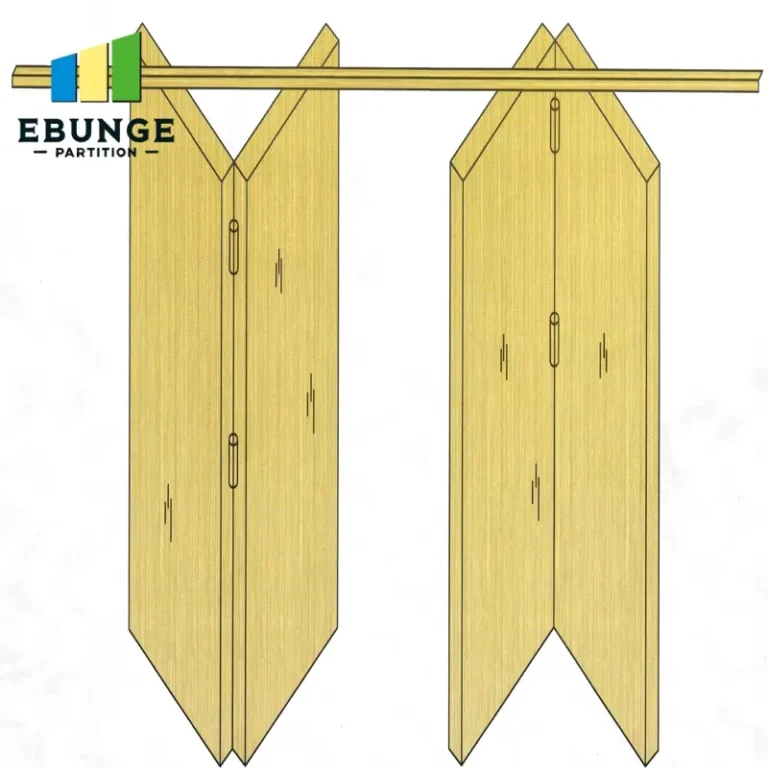
Perimeter seals—at the top, bottom, and vertical joints—are critical. Even a small gap can significantly reduce acoustic performance. Look for systems with automatic drop seals that lower to the floor when the wall is extended, and ensure the seals are durable and easy to maintain. A top-hung track system without a floor rail is common in movable partitions, but it requires precise installation to ensure the bottom seal makes full contact.
Panel Construction and Mass
Heavier panels with multiple layers of gypsum board or other mass-loaded materials generally perform better acoustically. However, weight affects operability and floor loading. Your structural engineer should confirm the ceiling can support the system. The panel edges should have tongue-and-groove or similar interlocking designs to minimize sound leaks.
How to Verify Acoustic Claims from Suppliers
Don’t rely solely on marketing brochures. Here are concrete steps to verify the acoustic partition wall acoustic performance for community centers:
- Request Test Reports: Ask for ASTM E90 (laboratory) and E336 (field) test reports. Ensure they are recent and from an accredited lab.
- Visit a Similar Installation: If possible, visit a community center or similar facility that has used the same wall system. Listen for yourself and talk to the facility manager about their experience.
- Ask for References: A reputable supplier should provide references from projects with comparable acoustic requirements.
- Clarify Field vs. Lab Performance: Field performance is often lower than lab results due to flanking paths. Ask the supplier what field STC they realistically expect.
Design Considerations for Community Center Spaces
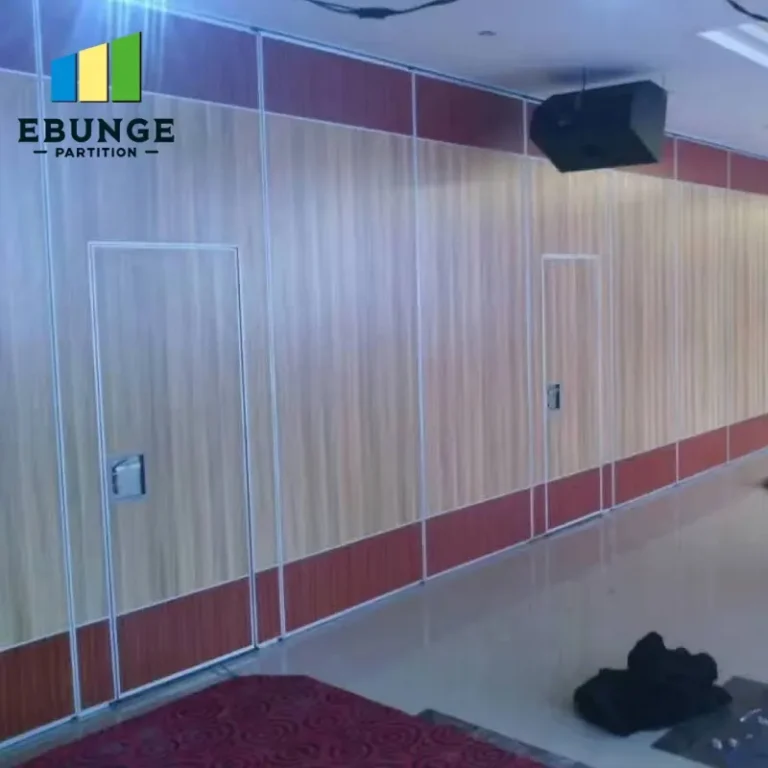
The acoustic partition wall acoustic performance for community centers is intertwined with design. The wall’s placement, the materials of adjacent surfaces, and even the HVAC system can affect sound isolation. For instance, a shared plenum above a suspended ceiling can allow sound to travel over the partition. Ensure the wall extends to the structural deck or that the plenum is properly blocked. Similarly, the wall’s integration with lighting and AV systems should not compromise its sealing.
Another consideration is the finish. While acoustic performance is paramount, the visual appeal matters for a community center. Choose a finish that is durable, easy to clean, and matches the interior design. Many suppliers offer custom finishes, including tackable surfaces or whiteboard panels, which can add functionality without sacrificing acoustics.
Cost vs. Benefit: Making a Smart Investment
Acoustic partitions are a significant investment, but they can increase the usable square footage of your community center by enabling simultaneous activities. When evaluating cost, consider the lifecycle: maintenance, durability, and potential energy savings from better space utilization. A cheaper system might fail to deliver the required acoustic performance, leading to costly retrofits or user dissatisfaction. Always compare quotes on a like-for-like basis, including installation, seals, and warranty.
Durability, Maintenance, and Ease of Operation
Community center partitions are used frequently, often by non-technical staff. Therefore, the operable wall system must be robust and easy to operate. Look for:
- Heavy-duty hardware: Hangers and trolleys should be rated for frequent use.
- Simple operation: The wall should extend and retract smoothly, with minimal effort.
- Low maintenance: Seals should be replaceable, and panels should resist dents and scratches.
Ask about the recommended maintenance schedule and the availability of spare parts. A supplier that offers after-sales support and a clear warranty is preferable.
Share the opening, drawings, finish direction, and privacy target for a project-specific review.
Compliance with Building Codes and Standards
Your project must comply with local building codes, including fire safety, accessibility, and acoustics (if specified). Ensure the partition system meets fire ratings and that the acoustic performance aligns with any local requirements for assembly spaces. The supplier should provide documentation for code compliance, such as fire test certificates and STC reports. Your architect or acoustic consultant can help interpret these requirements.
Project Timeline and Installation Considerations
Acoustic partitions are often on the critical path of construction. Discuss the lead time for manufacturing and installation with the supplier. A top-hung track system requires precise overhead structure; ensure your construction schedule allows for the necessary coordination. Also, clarify who is responsible for installation—some suppliers offer installation services, while others work with approved contractors. A poorly installed partition will underperform acoustically, so professional installation is crucial.
Warranty and After-Sales Support
A comprehensive warranty gives you peace of mind. Ask for a written warranty that covers the panel structure, hardware, and seals. Understand what is excluded and the process for making a claim. After-sales support is equally important: will the supplier be available for adjustments or repairs? For a community center, minimizing downtime is essential.
Practical Checklist for Evaluating Acoustic Partition Suppliers
| Checklist Item | Details to Confirm |
|---|---|
| Acoustic test reports | Independent lab, recent, relevant to full assembly |
| Seal quality | Automatic drop seals, durable gaskets |
| Panel construction | Mass, layers, edge design |
| Track system | Top-hung, no floor rail, smooth operation |
| Finish options | Custom colors, tackable, whiteboard |
| Warranty | Coverage period, terms, exclusions |
| Installation | Professional, trained, or approved |
| References | Similar projects, contactable clients |
Conclusion: Making Your Decision
Evaluating the acoustic partition wall acoustic performance for community centers requires a systematic approach. By focusing on verified test data, understanding the role of seals and panel construction, and considering long-term factors like durability and support, you can select a system that meets your acoustic needs and serves your community for years. Remember to request detailed proposals and compare them transparently. If you have specific project requirements, contact our team for tailored guidance.
Frequently Asked Questions
What is a good STC rating for a community center partition?
For general speech privacy, an STC of 40-45 is often sufficient. For music or amplified sound, aim for STC 50 or higher. Always consider field performance, which may be lower than lab ratings.
Can a movable partition wall achieve the same acoustic performance as a fixed wall?
In most cases, a well-designed movable partition can approach but not exactly match a fixed wall’s performance due to seals and moving parts. However, with proper installation and quality components, it can meet typical requirements for community centers.
How do I ensure the acoustic performance is maintained over time?
Regular maintenance of seals and hardware is key. Inspect the bottom seals for wear, keep tracks clean, and adjust tension as needed. Follow the supplier’s maintenance guidelines.
What information should I provide to get an accurate quote?
Share your opening size (width and height), number of panels, acoustic target (STC), finish preferences, and project location. Also, provide drawings or floor plans if available. This helps the supplier recommend the right system.
Does a top-hung track system without a floor rail affect acoustic performance?
No, a top-hung system can achieve excellent acoustic performance if the bottom seal is effective and the track is properly installed. The absence of a floor rail also simplifies cleaning and accessibility.
For more ideas on how to use movable partitions in your community center, explore our Movable Partition Design Ideas. You can also learn about the basics of movable partition walls and read related articles in our blog. If you’re ready to discuss your project, reach out to us for expert advice.
Send the opening size and drawings to discuss a differentiated acoustic partition wall acoustic performance solution.