
EBUNGE manufactures movable partition walls, acoustic partitions, and operable wall systems for hotels, offices, schools, conference rooms, and commercial projects worldwide.
Nowadays some people gradually reduce the use of solid walls while using more and more movable partitions. What is the difference between movable partition wall and solid wall?
A movable partition wall helps divide a commercial interior space into flexible rooms while improving sound privacy, daily operation, and project planning efficiency.
1. The biggest difference between movable partition wall and solid wall is that it is convenient for disassembly and installation and does not have the function of bearing weight, but it is very convenient to belong to non-load-bearing movable partition wall.
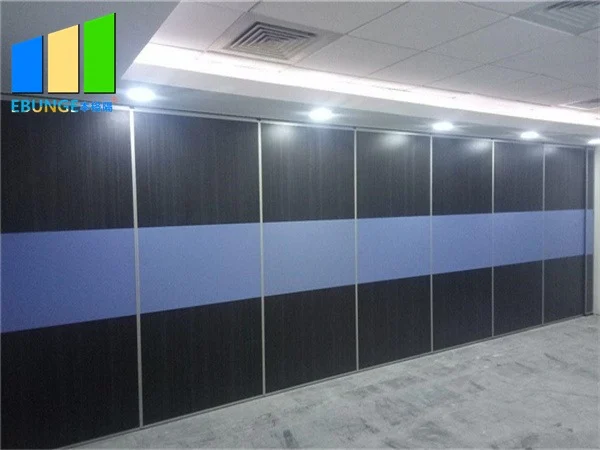
2. The movable partition wall is generally the same as the ordinary wall, but it is detachable and reassembled, which is different from the traditional wall. That is to say, the “movable partition wall” is reusable, they are sliding, movable and easy to operate. They are is convenient and flexible to use, while the solid wall is permanently fixed.
3. The movable partition wall is light in weight, high in strength, moderate in thickness, easy to install and reusable, and has the characteristics of sound insulation, fire prevention, moisture resistance and environmental protection.
4. The movable partition wall is represented by the installation track, the track and suspension wheels are perfectly combined, and the top is treated with special sound-proof slat.
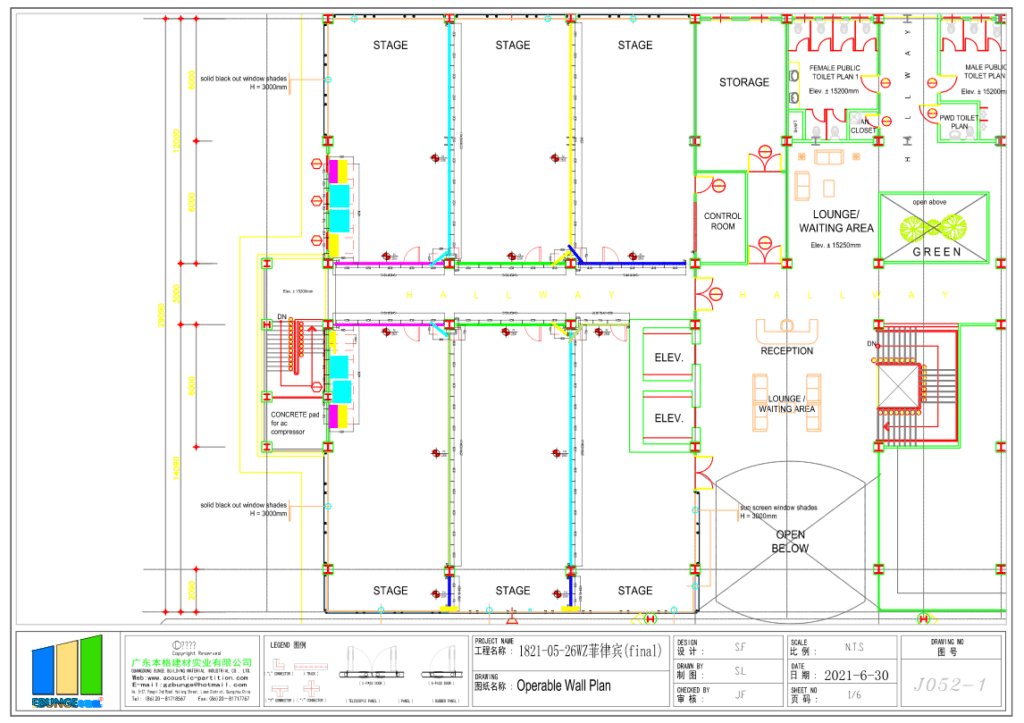
5. The solid wall is a simple one, normally in white color. But the movable partition wall can be colorful, there are more than 100 colors to choose. And there are different surface to choose, we also can put the favorite drawing onside the based board.
Do you know any other difference between the movable partition wall and a solid wall? What is your view on this?
Frequently Asked Questions
Does a movable partition wall need a floor track?
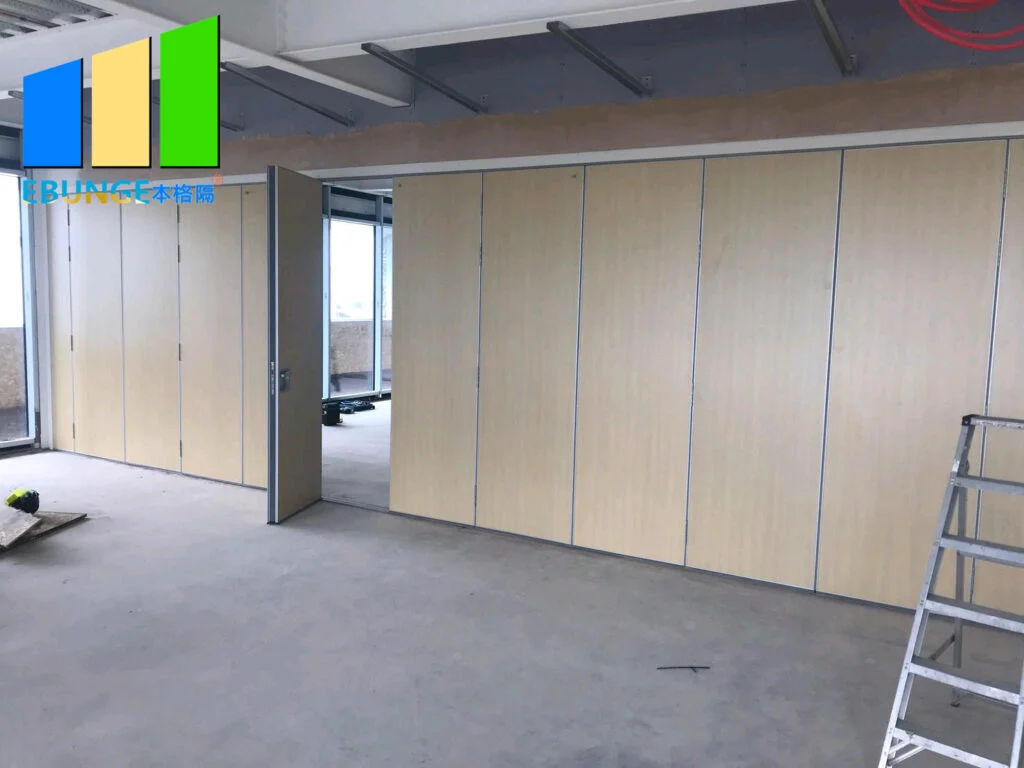
Most movable and operable wall systems use a top-hung track, so the floor can remain clean and uninterrupted for daily use.
What acoustic performance should buyers consider?
Buyers should confirm the room use, privacy target, panel thickness, seals, and expected STC range before production.
Can the surface finish match the interior design?
Yes. Common finish options include fabric, melamine, HPL, wood veneer, and other project-specific finishes.
How are movable wall panels stored?
Panels are usually stacked in a planned parking area or storage pocket, depending on the track layout and room opening size.
Is installation support available for overseas projects?
EBUNGE Partition can provide project drawings, installation guidance, and technical support for overseas contractors and owners.