
When outfitting a community center with a recording studio, rehearsal room, or music classroom, the folding door becomes a critical element in controlling sound and managing the space. For facility managers and project coordinators, especially those procuring from overseas, the challenge is not just selecting a product but ensuring that every specification, drawing, and installation detail is aligned to avoid costly surprises. This guide focuses on the decisions that matter before you request a quote, helping you mitigate risks and achieve a successful installation.
For a community center music room, prioritize a folding door with a verified Sound Transmission Class (STC) rating that meets your acoustic target, typically 40-50 for music practice. Ensure the opening size, finish, and hardware are clearly specified, and request detailed drawings from the factory. Opt for a top-hung track system without a floor rail to simplify installation and maintenance, and confirm that the supplier offers direct support for custom coordination and installation guidance.
Why a Folding Door is Ideal for Community Music Spaces
Community centers often host a variety of activities, and a music room needs to be flexible. A folding door allows you to open up the space for larger events or close it off for private practice sessions. Unlike solid walls, a folding door can be tucked away, maximizing usable floor area. For recording studios or rehearsal rooms, acoustic performance is paramount, and a well-designed folding door with proper seals can provide significant sound isolation.
However, the success of such a door depends on several factors that must be addressed during the planning phase. From the dimensions of the opening to the quality of the seals, every detail impacts performance and durability. This is especially true when sourcing from overseas, where communication gaps and differing standards can lead to issues.
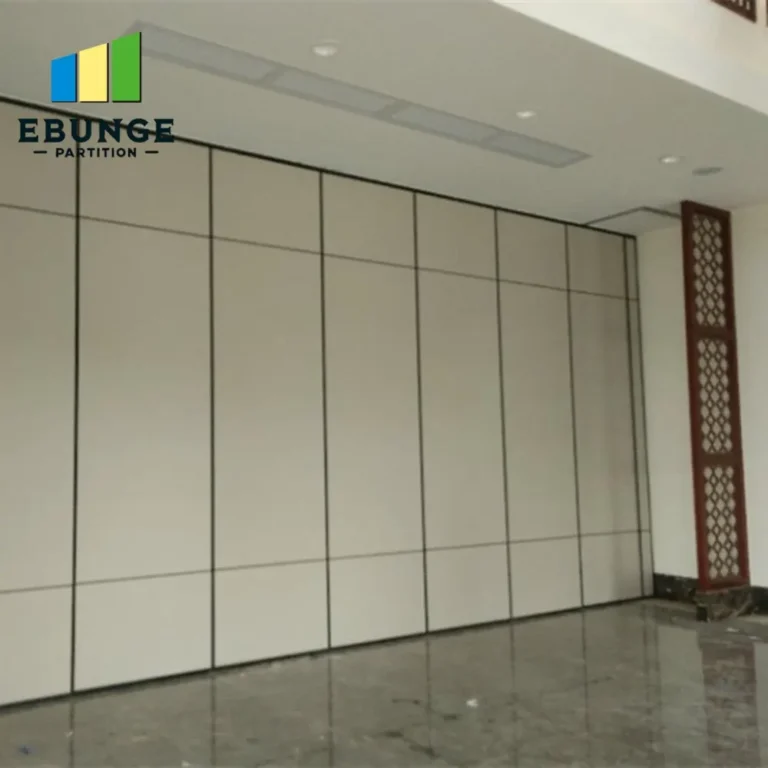
Need help turning the folding door requirements into a practical project layout?
Key Specifications to Define Before Requesting a Quote
To ensure a smooth procurement process, you need to have a clear set of specifications. This includes the exact opening size (width, height, and depth), the acoustic target (STC rating), the finish preferences (e.g., laminate, veneer, or paint), and the type of operation (manual or motorized). Additionally, consider the frequency of use—community centers often see heavy traffic, so durability is key.
When communicating with suppliers, provide them with architectural drawings and a detailed scope of work. This reduces the risk of misinterpretation and ensures that the quote is accurate. A reputable factory will ask for these details and provide recommendations based on your specific needs.
Understanding STC Ratings for Acoustic Performance
STC (Sound Transmission Class) is a standard rating that indicates how well a partition reduces sound transmission. For music rooms, an STC of 45-50 is often recommended, but this depends on the type of music and the acceptable noise level in adjacent areas. Do not assume that a higher STC is always better; it may require thicker panels and more robust hardware, which could affect cost and installation. Always verify the STC rating with the manufacturer, and ask for test reports from accredited labs.
Top-Hung Track vs. Floor Rail: Why Top-Hung is Often Better
In many folding door systems, a floor rail guides the bottom of the panels. However, for community centers, a top-hung track system without a floor rail offers several advantages. First, it eliminates a trip hazard and simplifies cleaning, as there is no track to collect dirt. Second, it allows for a flush threshold, making the space accessible to individuals with disabilities. Third, it reduces installation complexity, as the floor does not need to be cut or prepared for a rail.
Top-hung systems rely on a robust overhead track and trolleys, which must be designed for the door’s weight and frequency of use. When specifying, ensure that the track is made of high-quality steel and that the trolleys have sealed bearings for smooth operation. This is particularly important in a community center where the door may be used hundreds of times a day.
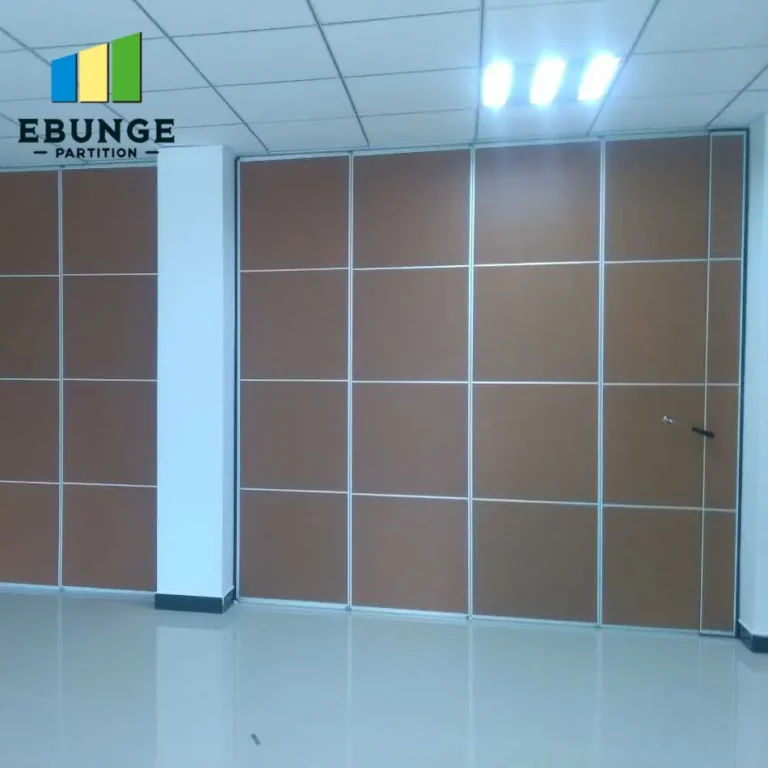
Customization Options: Finishes, Sizes, and Configurations
Every community center is unique, so a standard off-the-shelf folding door may not fit. Customization is often necessary to match the opening dimensions and aesthetic preferences. Common options include:
- Finish: Choose from a variety of laminates, wood veneers, or painted surfaces that match the interior design.
- Panel configuration: Decide on the number of panels and the folding direction (left, right, or center).
- Acoustic seals: Specify double seals or automatic drop seals at the bottom to enhance soundproofing.
- Glazing: Add windows for natural light, but be aware that glass can reduce acoustic performance.
When requesting a quote, provide detailed drawings and ask the factory to confirm the exact dimensions and configurations. A professional manufacturer will offer engineering support to ensure the door fits perfectly and operates smoothly.
Installation Complexity: What to Expect
The installation of a folding door can range from straightforward to complex, depending on the structure of the building. Key factors include the load-bearing capacity of the overhead support, the alignment of the track, and the integration with existing walls and ceilings. For a top-hung system, the header must be strong enough to support the weight of the door. If the existing structure is not suitable, additional reinforcement may be required.
To minimize risk, request a detailed installation manual and, if possible, a video tutorial from the factory. Some manufacturers offer on-site supervision or installation services, but this may add to the cost. For overseas procurement, it is essential to have clear communication and to ask for a pre-installation checklist. This ensures that the contractor is prepared and that the necessary tools and materials are available.
Maintenance and Durability Under Frequent Use
Community center doors are subjected to heavy use, so durability is a top concern. Look for components that are designed for high-traffic environments, such as reinforced hinges, wear-resistant trolleys, and high-quality seals. Regular maintenance is also crucial: lubricate the track and trolleys periodically, check for loose screws, and replace worn seals as needed.
Ask the manufacturer about the expected lifespan of the door and what maintenance is required. A good warranty is a sign of confidence, but be sure to read the terms carefully. Some warranties cover only the panels, while others include hardware and installation. For overseas purchases, clarify what is covered and how to claim warranty service.
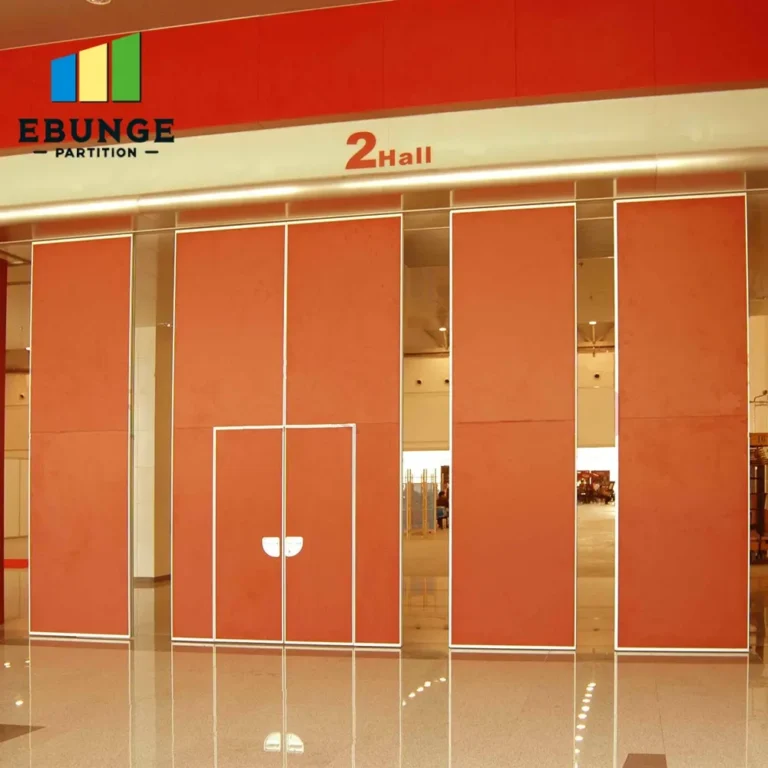
Share the opening, drawings, finish direction, and privacy target for a project-specific review.
Cost vs. Benefit: Making an Informed Decision
The cost of a folding door varies widely based on size, materials, acoustic performance, and customization. It is important to weigh the initial investment against the long-term benefits. A high-quality door may cost more upfront but can save money on energy, maintenance, and potential replacements. Additionally, a well-designed door can enhance the functionality of the space, allowing for more diverse programming.
When comparing quotes, ensure that they include all necessary components, such as track, trolleys, seals, and hardware. Also, factor in shipping and installation costs. A lower quote might not include all the features you need, so ask for a detailed breakdown.
Warranty and Support: What to Look For
Before purchasing, verify the warranty terms and the level of support provided. A reputable manufacturer will offer a warranty on the product and be responsive to inquiries. For overseas suppliers, consider the time zone difference and the availability of English-speaking support. Ask for contact details and confirm that they can provide technical assistance during installation and after.
Additionally, check if the supplier offers spare parts and what the lead time is for replacements. This is crucial for minimizing downtime in the event of a failure.
Practical Checklist for Quotation Readiness
To streamline your procurement process, use this checklist to ensure you have all the information needed for an accurate quote:
| Item | Details to Provide |
|---|---|
| Opening size | Width, height, depth (with tolerance) |
| Acoustic target | STC rating (e.g., 45) |
| Finish | Material, color, texture |
| Operation | Manual or motorized |
| Drawings | Architectural plans, elevations |
| Installation | Site conditions, support structure |
| Support | Factory direct technical assistance |
Conclusion: Making a Sound Investment
Choosing the right folding door for your community center is a decision that impacts both functionality and user satisfaction. By focusing on quotation readiness and project decision risk, you can avoid common pitfalls and ensure a successful installation. Remember to define your specifications clearly, verify acoustic performance, and work with a supplier that offers direct support and customization. With careful planning, your folding door will serve your community for years to come.
Frequently Asked Questions
What STC rating do I need for a music room in a community center?
Can a folding door be installed without a floor rail?
How do I ensure the folding door is durable for frequent use?
What information should I provide to get an accurate quote?
What support can I expect from a factory-direct supplier?
For more information on movable partition walls and installation best practices, explore our movable partition wall resources or read our blog posts. If you have specific project needs, contact our team for factory direct support. Also, check out our installation category for more insights.
Send the opening size and drawings to discuss a differentiated folding door solution.