
Quick answer: week track fixing plan
Review focus: week track fixing plan.
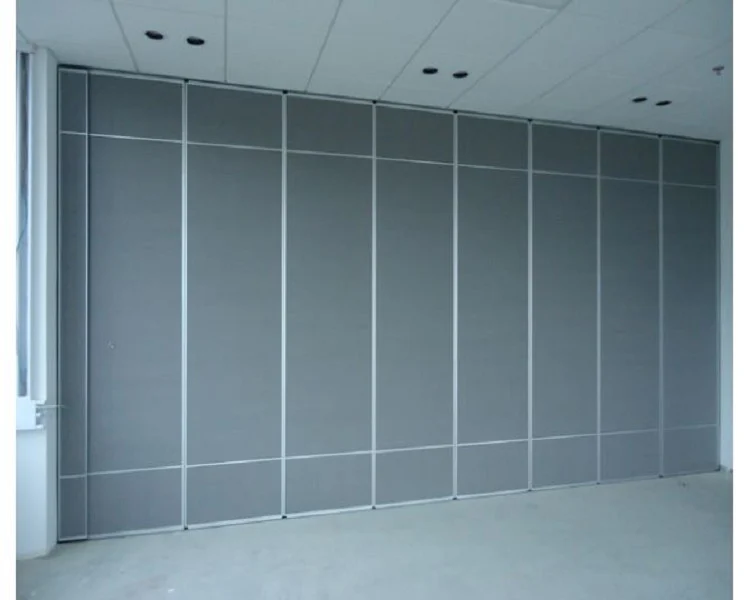
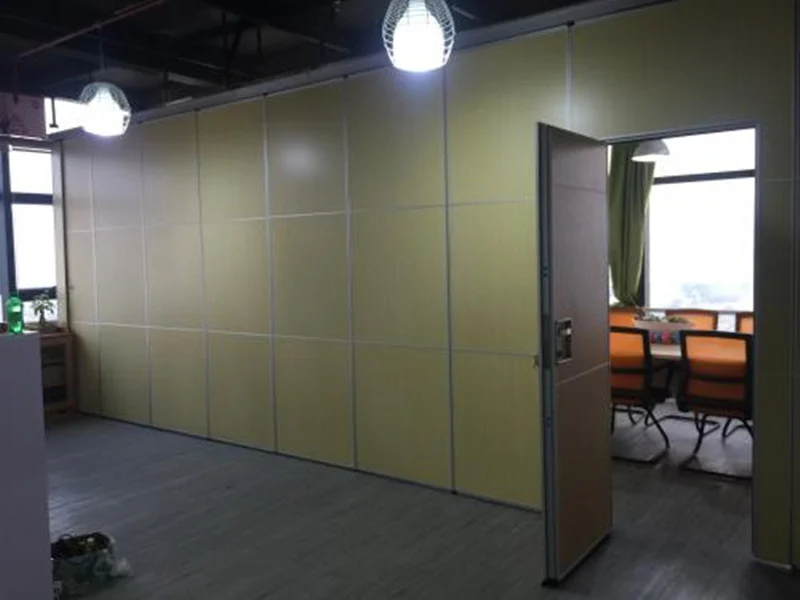
The contractor first-week track fixing plan movable partition sets the tone for the entire installation. In the first week, the priority is not to drill or fix anything, but to verify that the overhead support, the movement route and the planned stacking position all align with the approved layout. A movable partition is top-hung: panels are individually movable, suspended from a top track, cross the opening without a floor track, and park at a planned stacking position. Every recommendation below is bound to those maintained facts and to project-specific drawing review.
Why the First Week Is a Verification Week
Project review term: week track fixing plan.
Track fixing is unforgiving. Once the top track is anchored, correcting the route or support condition becomes disruptive. The first week should therefore be treated as a verification window, not a production window. The goal is to confirm that the structure above the opening can receive the track, that the straight, turning and stacking routes are continuous and connected overhead, and that the parking position has been coordinated with the layout.
This is also the week to confirm what the drawings actually show. The suitability of each route and parking arrangement depends on the approved layout, circulation, ceiling interfaces and operating sequence. Those items require project-specific confirmation from the responsible engineer or consultant.
Information to Collect Before Any Fixing
Coordination scope: week track fixing plan.
Before the first anchor is set, the project team should assemble a small but complete information pack. Missing information at this stage is the most common cause of first-week delays.
- The exact route, junction arrangement, continuous overhead path and parking position must be confirmed from the coordinated project drawings.
- Confirmed finish selection from the approved options: laminate, melamine, fabric, leather, glass or other approved surfaces.
- Pass-door requirements, if the project needs a pass-door within the partition run.
If any item is missing, the first-week plan should record it as an open item rather than assume a default. Assumptions made in week one tend to become expensive corrections in week three.
A Numbered First-Week Track Fixing Sequence
Checklist focus: week track fixing plan.
The following sequence keeps the week structured. It does not replace project-specific engineering review, but it gives the site team a clear order of operations.
- Day 1 – Drawing review: Compare the approved layout against the actual opening. Confirm the straight, turning and stacking routes are shown as continuous connected overhead routes.
- Day 3 – Route and stacking check: Walk the full route, including any turning section, and confirm the planned stacking position is clear and coordinated.
- Day 4 – Finish and pass-door confirmation: Verify the approved finish and confirm whether a pass-door is required and how it is documented.
- Day 5 – Documentation and sign-off: Record confirmed items, open items and any project-specific requirements that still need written confirmation before fixing begins.
Support and Route Checks That Cannot Be Skipped
Review focus: week track fixing plan.
Overhead support review
The top track must be fixed to a supporting element that has been reviewed for the project. The first-week plan should identify who is responsible for that review and what written confirmation is required. Do not infer support capacity from the visible ceiling finish or from a generic drawing note.
Continuous connected overhead route
Panels travel along the track. Every proposed movement path, including straight runs, turning sections and the route into the stacking position, must form a continuous connected overhead route. If the layout shows a gap, the route is incomplete and must be resolved before fixing.
Stacking position coordination
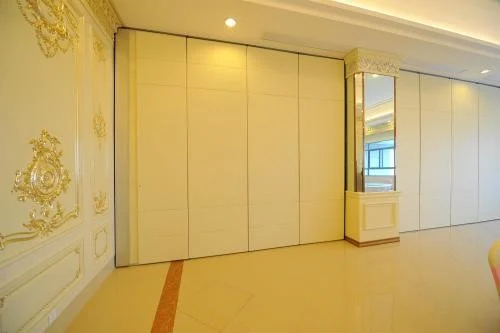
Parking style is customized to the customer layout and project requirements. The first week should confirm where panels will park, whether the position is clear of other services, and whether the coordinated design supports the intended stacking arrangement.
Evidence Boundaries: What Drawings Do Not Prove
Project review term: week track fixing plan.
Those items require matching project-specific evidence.
Evidence note: STC and Rw are acoustic rating concepts used to describe sound reduction performance. They should not be reduced to a direct count of decibels, and no acoustic outcome should be promised without project-specific confirmation.
Where a project requires acoustic separation, the responsible acoustic consultant should confirm the requirement and the matching evidence. The first-week plan should record that requirement as a confirmation item, not as an assumed outcome.
Coordination with Other Trades
Track fixing rarely happens in isolation. The first-week plan should include a coordination check with the relevant trades before any fixing position is finalized.
This is also the week to confirm access. If the track line sits above a finished ceiling or behind a service zone, the installation sequence may need to be adjusted. Those adjustments should be agreed in writing before work begins.
Documentation and Sign-Off
Good first-week documentation protects the project later. At minimum, record the approved layout revision, the support confirmation, the route and stacking check, the finish selection, any pass-door requirement and all open items. Project documentation can be discussed with the supplier where clarification is needed.
Sign-off should be explicit. A verbal agreement on site is not the same as a written confirmation. The first-week plan should identify who signs off on support, who signs off on the route and who signs off on the final fixing position.
Frequently Asked Questions
What is the first thing to verify before fixing a movable partition track?
Verify the supporting element above the track line.
Do movable partitions need a floor track?
No. EBUNGE movable partition panels are top-hung and move without a continuous floor running track or floor hardware along the partition line. The movement route is overhead.
Can panels cross a gap in the track route?
No. Every proposed movement path requires a continuous connected overhead route. If the layout shows a gap, the route must be resolved before fixing begins.
How is the stacking position decided?
Parking style is customized to the customer layout and project requirements. The first-week plan should confirm the planned stacking position and check that it is coordinated with the overall layout.
What finish options can be confirmed?
Confirmed finish options include laminate, melamine, fabric, leather, glass and other approved surfaces. The specific finish for a project should be confirmed against the approved selection.
Can a pass-door be included?
Pass-door requirements can be discussed as part of the project documentation. The first-week plan should record whether a pass-door is required and how it is documented.
Conclusion and Next Step
Panel handling and the operating sequence must be confirmed for the selected layout and project conditions. This approach keeps the project aligned with the maintained product facts and avoids unsupported assumptions about performance or engineering outcomes.
The exact overhead route and support arrangement must be confirmed by the responsible project team from coordinated drawings. To discuss your layout, finishes, pass-door requirements or project documentation, contact the EBUNGE team. You can also review the movable partition wall product page and the resources section for further planning context.