
When you are responsible for specifying a conference room sliding partition supplier, the decision goes far beyond comparing brochures. As a project contractor, you need a partner who can interpret architectural drawings, meet acoustic targets, and deliver on time. This guide focuses on the practical steps to evaluate suppliers, prepare your inquiry, and avoid costly misunderstandings. We will cover technical requirements, quotation readiness, and how to communicate your project needs effectively. By the end, you will have a clear checklist to use when vetting suppliers and a strategy to ensure your next conference room installation runs smoothly.
Direct answer: To choose a reliable conference room sliding partition supplier, start by preparing a detailed inquiry that includes your opening size, drawings, acoustic target, finish preference, and project location. Then, evaluate suppliers based on their engineering support, customization capability, track record in similar projects, and clarity of quotation. Always request references and verify their ability to handle overseas delivery and installation coordination.
Conference Room Sliding Partition Supplier: Why Supplier Reliability Matters for Conference Room Partitions
Conference rooms are high-traffic areas where acoustics and aesthetics are critical. A malfunctioning partition can disrupt meetings and reflect poorly on your work. Supplier reliability encompasses consistent product quality, adherence to delivery schedules, and responsive after-sales support. For international projects, this includes clear communication and proper packaging for transit. You need a supplier who treats your project as a partnership, not just a transaction.
When evaluating reliability, ask for case studies or references from similar conference room installations. Inquire about their production capacity and lead times. A reliable supplier will be transparent about their capabilities and limitations.
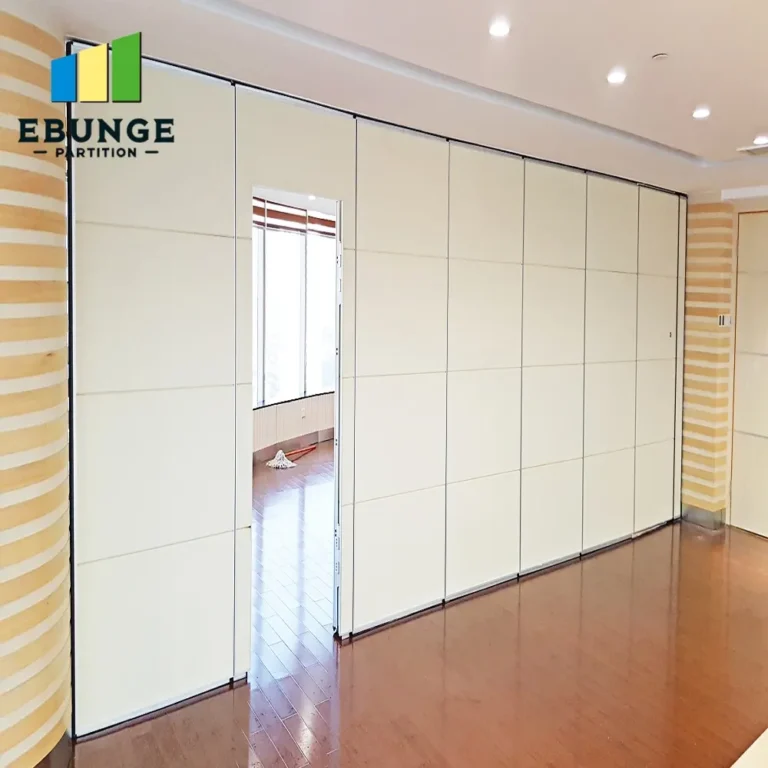
Need help turning the conference room sliding partition supplier requirements into a practical project layout?
Understanding Your Project Requirements Before Contacting Suppliers
Before you reach out to any conference room sliding partition supplier, gather all relevant project details. This includes architectural drawings, ceiling height, available wall space, and the desired acoustic performance (often expressed as Rw or STC rating). Also, consider the frequency of use, whether the partition needs to be soundproof for confidential meetings, and the aesthetic finish that matches the interior design.
Having this information ready not only speeds up the quotation process but also shows the supplier that you are a serious buyer. It allows them to provide accurate recommendations and pricing.
Key Technical Specifications for Conference Room Sliding Partitions
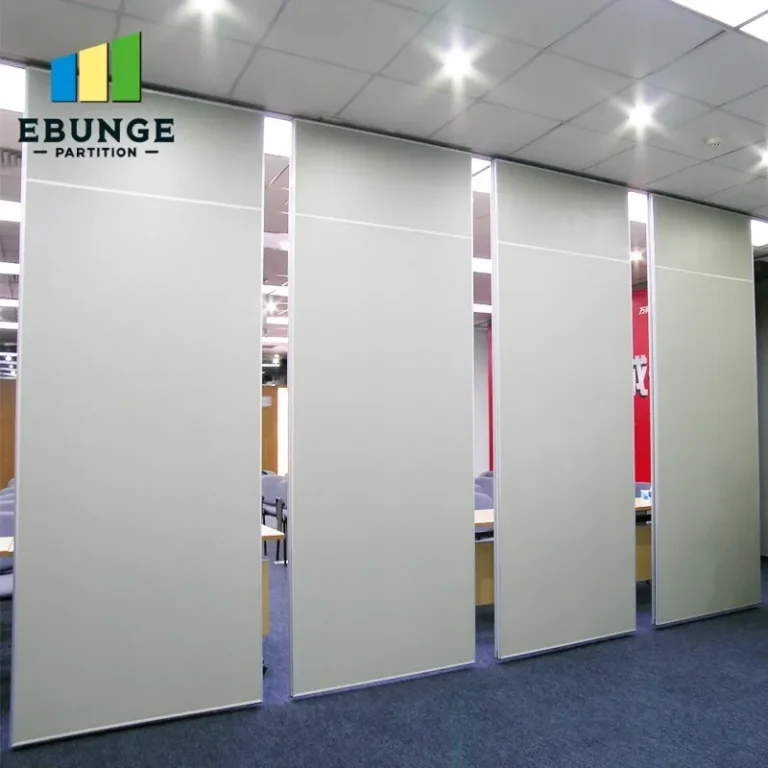
Conference room partitions are typically movable wall systems that operate on a top-hung track system, eliminating the need for a floor rail. This design offers flexibility and easy cleaning. When specifying, consider the following:
- Acoustic performance: Determine the required sound insulation. A typical office partition may have an Rw of 40-45 dB, while executive boardrooms might need higher ratings.
- Fire resistance: Check local building codes for fire-rated partitions. Ensure the supplier’s system meets these standards.
- Panel dimensions and weight: Larger panels require robust tracks and hardware. Confirm the supplier can handle the size and weight.
- Operation mechanism: Choose between manual and motorized operation based on usage patterns.
Always verify that the supplier’s system complies with relevant building codes and standards. Request documentation or certificates, but be prepared to have them independently verified if necessary.
Customization Options and Design Flexibility
Every conference room is unique, and off-the-shelf partitions may not fit. A reputable supplier should offer custom movable wall solutions, including bespoke dimensions, finishes, and configurations. Discuss your design intent and ask how they handle custom requests. Some suppliers may have limitations on panel sizes or curves, so it’s essential to clarify these early.
Customization also extends to the finish: wood veneer, laminate, fabric, or glass. The finish affects both aesthetics and acoustics. Ask for samples and check how the finish wears over time.
Preparing a Detailed Inquiry for Suppliers
To get accurate quotes and demonstrate professionalism, create a comprehensive inquiry document. Include the following:
- Project name and location
- Exact opening dimensions (width, height, depth)
- Architectural drawings or sketches
- Acoustic target (e.g., Rw ≥ 45 dB)
- Finish preferences (color, material)
- Number of partitions and configurations (e.g., 2-panel, 3-panel)
- Delivery and installation requirements
This level of detail helps suppliers understand your needs and reduces back-and-forth communication. It also positions you as a knowledgeable buyer, which may lead to more favorable terms.
Evaluating Quotations and Comparing Suppliers
When you receive quotations, compare them not just on price but on scope. Look for what is included: delivery, installation, hardware, seals, and warranty. A lower quote may exclude essential items. Create a comparison table to evaluate each supplier systematically.
| Supplier Name | Price (USD) | Lead Time | Acoustic Rating (Rw) | Warranty | Installation Included? | Customization Support | After-sales Service |
|---|---|---|---|---|---|---|---|
| Supplier A | $$$ | 6 weeks | 45 dB | 2 years | No | Yes | Email/Phone |
| Supplier B | $$ | 8 weeks | 40 dB | 1 year | Yes | Limited | Local agent |
Pay attention to the acoustic performance and whether the supplier provides test data. If not, ask for it. Also, check their terms for payment, delivery, and after-sales support.
Share the opening, drawings, finish direction, and privacy target for a project-specific review.
Logistics and Installation Considerations for Overseas Orders
If you are importing conference room sliding partitions, consider logistics carefully. Discuss packaging, shipping methods, and customs clearance with the supplier. Ask about their experience with international projects and whether they provide installation drawings and guidance.
Some suppliers offer installation supervision or can recommend local installers. Clarify who is responsible for installation and what support is provided. A top-hung track system requires precise alignment, so professional installation is crucial.
After-Sales Support and Warranty Terms
A reliable supplier stands behind their product. Inquire about warranty terms, what is covered, and the duration. Also, ask about the availability of spare parts and their response time for service requests. For overseas projects, ensure that the warranty is enforceable, perhaps through a local agent or a clear process for claims.
Good after-sales support can save you from headaches if issues arise. Choose a supplier who is responsive and willing to provide technical support even after the sale.
Common Pitfalls to Avoid When Choosing a Supplier
Many contractors make mistakes when selecting a conference room sliding partition supplier. Avoid these common pitfalls:
- Focusing solely on price, ignoring quality and support.
- Not verifying acoustic performance with actual test data.
- Overlooking the importance of installation quality.
- Assuming the supplier handles all logistics without confirming.
- Failing to check references or past projects.
By being thorough, you can mitigate risks and ensure a successful project.
Conclusion: Making the Right Choice for Your Conference Room
Selecting the right conference room sliding partition supplier is a critical decision that impacts the functionality and aesthetics of your project. By preparing a detailed inquiry, evaluating suppliers on technical capabilities and reliability, and understanding the logistics of overseas delivery, you can make an informed choice. Remember to prioritize acoustic performance, customization support, and after-sales service. With the right partner, your conference room will be a versatile, soundproof space that meets all expectations.
Frequently Asked Questions
What information should I provide to get an accurate quote for a conference room sliding partition?
How do I know if a movable partition wall meets the required acoustic insulation?
Can conference room partitions be customized to match my interior design?
What should I consider when ordering from an overseas supplier?
How long does it take to install a conference room sliding partition?
For more information on movable partition walls, visit our movable partition wall page or explore our blog. If you have specific project requirements, feel free to contact us. Our team can assist with custom solutions and technical guidance.
Send the opening size and drawings to discuss a differentiated conference room sliding partition supplier solution.