
For hotel owners planning a conference room sliding partition maintenance program, the decision is rarely about cleaning tracks or lubricating rollers. It is about protecting an investment that supports events, banquets, and meetings that generate revenue. When a movable partition wall fails, it disrupts operations, forces room reconfigurations, and may leave guests waiting. This article focuses on the practical steps you can take to evaluate maintenance options, prepare for supplier conversations, and ensure your operable wall system remains reliable for years. Unlike general maintenance checklists, we focus on what you need to know before requesting quotes, reviewing contracts, and comparing service providers.
Direct answer: To compare conference room sliding partition maintenance options, you must first gather your project’s technical data—panel dimensions, track type, acoustic rating, and usage frequency—then evaluate suppliers based on response time, technician availability, parts sourcing, contract flexibility, and warranty terms. Always request a site survey and a written maintenance plan that specifies service intervals, inspection points, and cost structures.
Conference Room Sliding Partition Maintenance: Why Maintenance Planning Starts Before You Sign a Contract
Your conference room sliding partition maintenance strategy should be defined during the procurement phase, not after installation. When you compare options from different suppliers, you are not just comparing prices; you are comparing long-term operational risks. A movable partition wall that is easy to maintain reduces downtime and avoids costly emergency repairs. Conversely, a system with complex components or limited spare parts availability can become a liability.
For hotel owners, the cost of maintenance is not just the service fee. It includes lost room revenue when the partition is out of service, the cost of alternative space arrangements, and the impact on guest satisfaction. Therefore, your evaluation must consider how each maintenance option affects your hotel’s operations, not just the immediate repair cost.
Need help turning the conference room sliding partition maintenance requirements into a practical project layout?
Key Factors to Compare in Maintenance Options
When reviewing maintenance proposals, focus on these factors, which are often overlooked in standard comparisons:
- Response time: How quickly can the supplier dispatch a technician? For a hotel, a 24-hour response may be acceptable for non-critical issues, but for a peak event, you may need same-day service.
- Technician availability: Does the supplier have local technicians or do they rely on subcontractors? Local availability often means faster service and better accountability.
- Parts replacement: Are spare parts readily available? Ask about lead times for common components like rollers, seals, and handles. Custom movable wall systems may require longer lead times.
- Warranty coverage: What does the warranty cover, and for how long? Understand exclusions, such as damage from misuse or environmental factors.
- Contract flexibility: Can you choose a one-time service, a seasonal inspection, or a full-service contract? Your needs may change seasonally.
Technical Requirements You Must Confirm with Your Supplier
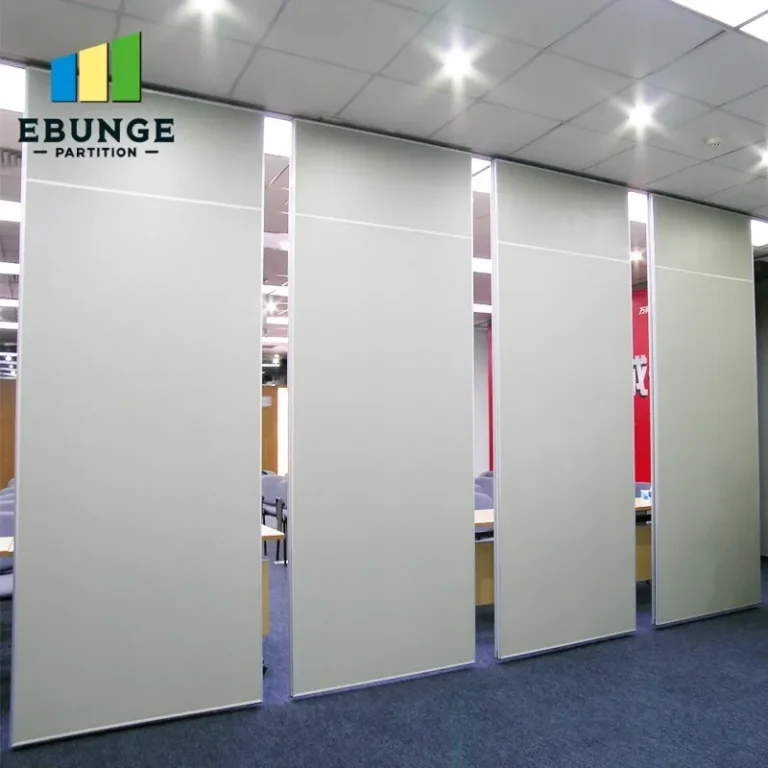
Before comparing quotes, you need to confirm the technical details of your existing system. This information is critical for accurate maintenance planning and for ensuring that the supplier can provide compatible parts and services.
- Track system: Is it a top-hung track without floor rail? This affects inspection points and lubrication needs.
- Panel weight and dimensions: Heavier panels may require more frequent roller adjustments.
- Acoustic performance: If you have an acoustic target, the maintenance must preserve sealing integrity.
- Finish type: Some finishes are more sensitive to cleaning agents.
- Usage frequency: A partition used daily will need more frequent service than one used weekly.
Ask your supplier to provide a maintenance checklist based on these specifics. A reputable supplier will not offer a generic plan without understanding your system.
How to Prepare for Maintenance Quotations
To get accurate quotations, you must share detailed information with potential suppliers. The more precise you are, the more comparable the quotes will be. Prepare a document that includes:
- Opening size and number of panels
- Architectural drawings or as-built drawings
- Acoustic target (e.g., STC rating, if known)
- Finish preference (e.g., laminate, veneer, fabric)
- Project location and access constraints
This information allows suppliers to assess the complexity of the maintenance work. Without it, you may receive vague estimates that are not comparable.
Comparing Maintenance Contracts: What to Look For
Maintenance contracts vary widely. Some suppliers offer preventive maintenance agreements, while others provide only emergency call-outs. When comparing, consider:
- Scope of work: What is included in each visit? Does it cover inspection, cleaning, lubrication, and minor adjustments?
- Service intervals: How often will they visit? Annual, semi-annual, or quarterly?
- Cost structure: Is it a fixed annual fee or per-visit? Are parts included or billed separately?
- Exclusions: What is not covered? For example, damage caused by misuse or environmental factors.
- Termination clause: Can you cancel with notice? What are the penalties?
Be wary of contracts that lock you in for long periods without performance guarantees. A good contract should have service level agreements (SLAs) that specify response times and resolution times.
Impact on Hotel Operations: Downtime and Guest Experience
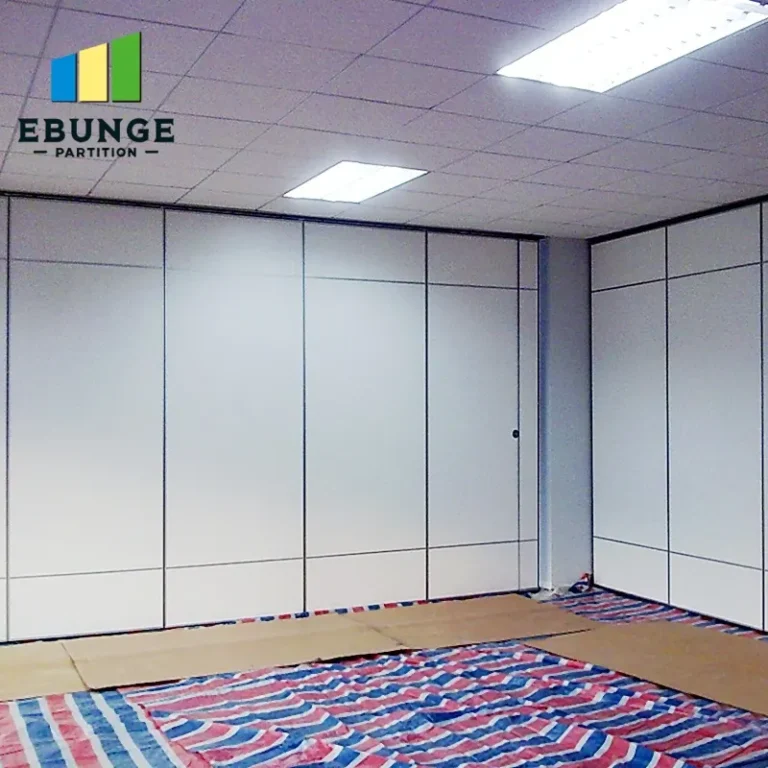
A conference room partition failure can have immediate consequences. For example, if a partition jams during a banquet setup, staff may need to rearrange the room, causing delays. In severe cases, an event may need to be moved to another venue, leading to guest dissatisfaction and potential revenue loss. Therefore, your maintenance plan must minimize downtime.
When comparing options, ask suppliers how they handle emergency situations. Do they have a 24/7 hotline? Can they guarantee a technician on-site within a certain number of hours? What is their track record for similar properties?
Share the opening, drawings, finish direction, and privacy target for a project-specific review.
Checklist for Evaluating Maintenance Suppliers
Use this checklist during your evaluation:
- ☐ Supplier has experience with hotel projects.
- ☐ Supplier can provide references from similar properties.
- ☐ Supplier offers a site survey before quoting.
- ☐ Supplier provides a detailed maintenance plan with clear deliverables.
- ☐ Supplier has local technicians or a fast dispatch policy.
- ☐ Supplier stocks common spare parts or can source them quickly.
- ☐ Warranty terms are clearly explained and documented.
- ☐ Contract terms are flexible and transparent.
Comparison Table: Service Options at a Glance
| Service Type | Frequency | Typical Inclusions | Considerations |
|---|---|---|---|
| Preventive Maintenance | Quarterly or semi-annual | Inspection, lubrication, adjustments, cleaning | Reduces unexpected failures; cost predictable |
| Emergency Call-Out | As needed | Repair, parts replacement | Higher cost per visit; potential downtime |
| Full-Service Contract | Annual with multiple visits | All preventive maintenance plus priority response | Best for high-usage venues; may require longer commitment |
Common Pitfalls to Avoid in Maintenance Choices
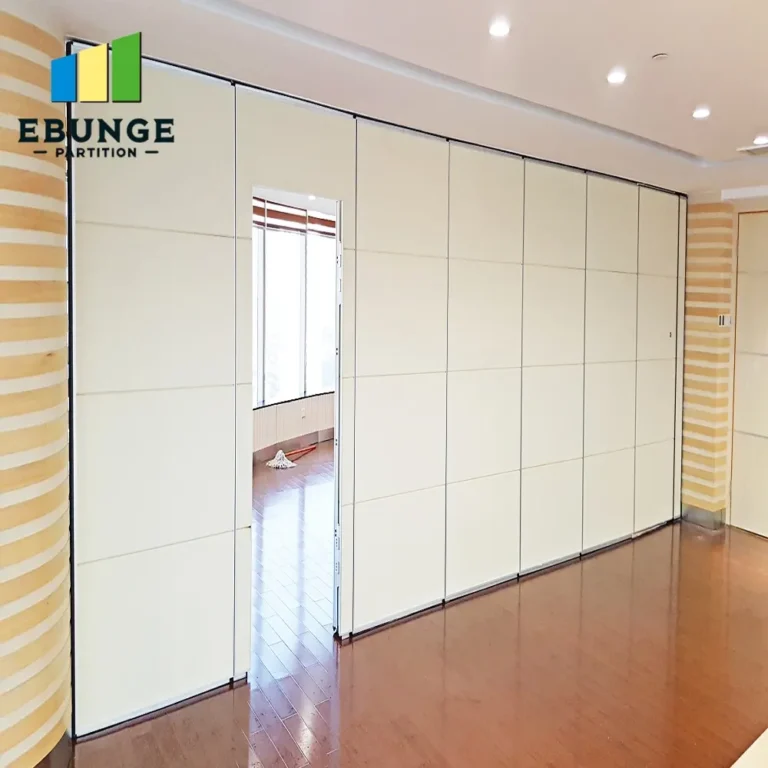
Many hotel owners make mistakes when comparing maintenance options. Avoid these pitfalls:
- Choosing the lowest quote without checking scope: A low quote may exclude essential services.
- Ignoring parts availability: If the supplier does not have parts, your partition may be out of service for weeks.
- Overlooking warranty conditions: Some warranties require regular maintenance by approved providers; otherwise, coverage is void.
- Not considering long-term costs: A cheap service may lead to more frequent repairs.
Always read the fine print and ask for clarification.
How to Discuss Maintenance with Your Supplier
When you contact suppliers, be prepared to ask specific questions. For example:
- How many technicians do you have in my area?
- What is your average response time for emergency calls?
- Can you provide a sample maintenance report?
- Do you offer training for my staff on basic troubleshooting?
- How do you handle warranty claims?
These questions will help you gauge their professionalism and capability. A supplier that hesitates or gives vague answers may not be reliable.
Conclusion: Making an Informed Decision
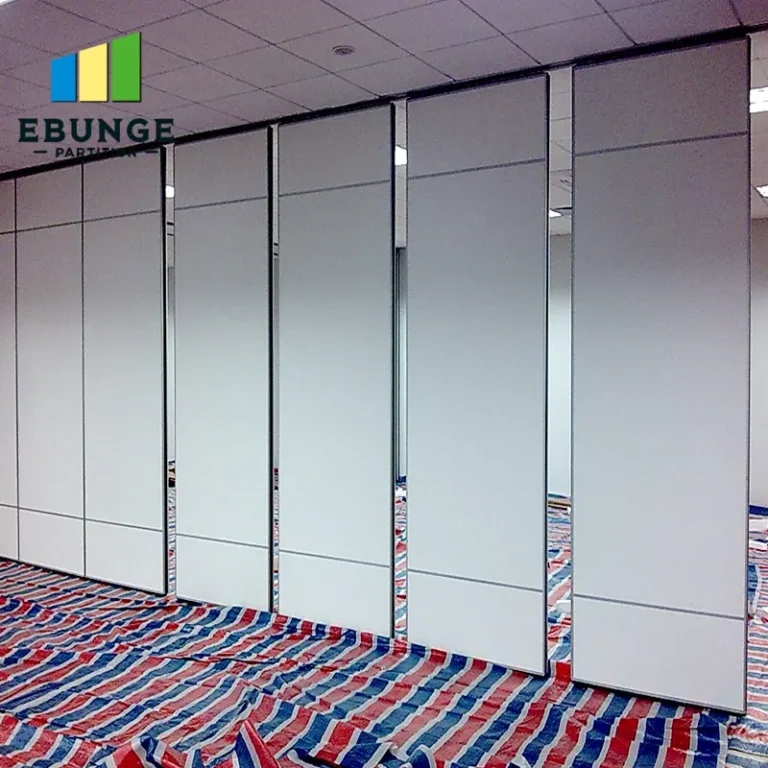
Comparing conference room sliding partition maintenance options requires a structured approach. Start by gathering your system’s technical data, then evaluate suppliers on response time, parts availability, contract terms, and operational impact. Use the checklist and table provided to guide your discussions. Remember, the goal is not just to fix problems but to prevent them. A well-maintained operable wall system will serve your hotel for years, supporting events and guest satisfaction. For more insights, explore our blog or maintenance category. If you have specific questions, contact us to discuss your project.
Frequently Asked Questions
How often should conference room sliding partitions be maintained?
For a hotel conference room with regular use, a preventive maintenance visit every six months is recommended. High-traffic venues may require quarterly inspections. Your supplier should provide a schedule based on your usage.
What are the signs that a movable partition wall needs maintenance?
Common signs include difficulty in moving panels, unusual noises, visible gaps between panels, or damage to the track or rollers. If you notice any of these, schedule an inspection immediately.
Can I perform basic maintenance myself?
Yes, you can clean tracks and check for obvious issues, but adjustments to rollers or seals should be done by a trained technician. Attempting DIY repairs may void your warranty.
How long does a typical maintenance visit take?
Depending on the number of panels and the extent of work, a preventive visit can take 2-4 hours. Emergency repairs may take longer if parts need to be sourced.
What should I include in a maintenance contract?
Your contract should specify service intervals, scope of work, response times, cost structure, and warranty terms. It should also include a clause for performance review.
For this buyer review, conference room sliding partition maintenance should be checked against the confirmed opening, drawings, operating plan, and project specification.
Send the opening size and drawings to discuss a differentiated conference room sliding partition maintenance solution.