
For contractors managing commercial fit-outs, conference room movable partition maintenance is often the deciding factor between a seamless client handover and a costly callback. When you specify an operable wall system, you are not just buying a product—you are committing to a long-term service relationship. This guide is designed to equip project contractors with the technical and procurement insights needed to evaluate movable partition wall systems from a maintenance perspective, ensuring your next conference room partition wall project meets acoustic, safety, and operational expectations without hidden surprises.
Direct answer: The most effective conference room movable partition maintenance strategy begins before installation. It involves selecting a top-hung track system with accessible components, confirming spare parts availability, agreeing on a clear warranty scope, and scheduling periodic inspections. As a contractor, your role is to verify these elements against the project’s technical requirements and documentation, ensuring the system remains safe, acoustically efficient, and operationally reliable for the building owner.
Conference Room Movable Partition Maintenance: Why Maintenance Should Influence Your Movable Partition Wall Specification
Every operable wall system experiences wear. The frequency and cost of repairs, the lifespan of components, and the ease of maintenance directly affect your client’s satisfaction and your reputation. By prioritizing maintenance in your specification process, you avoid specifying a system that is cheap to install but expensive to own. This is especially critical in conference rooms, where acoustic performance and operational reliability are non-negotiable.
When evaluating acoustic partition solutions, consider how the seals, panels, and track interact over time. A top-hung track system without floor rail reduces floor maintenance but still requires periodic checks of the overhead track, hangers, and seals. Your maintenance plan should align with the manufacturer’s recommendations and the project’s usage intensity.
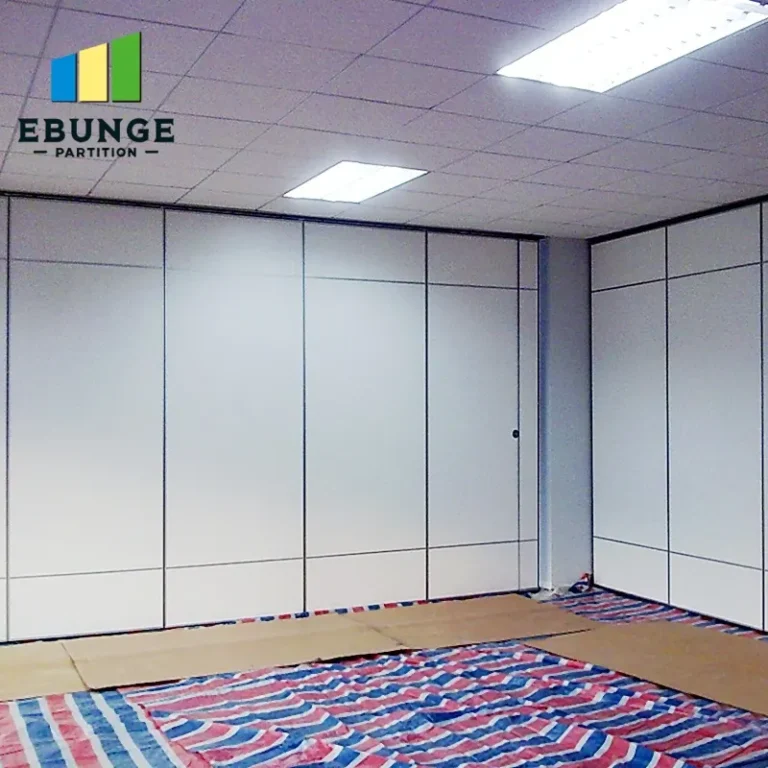
Need help turning the conference room movable partition maintenance requirements into a practical project layout?
Understanding the Maintenance Requirements of Conference Room Partition Walls
Conference room partition walls are used daily, often with varying frequency. Each use cycle impacts the seals, gaskets, and moving parts. The maintenance requirements can be categorized into routine inspections, preventive maintenance, and corrective repairs. As a contractor, you need to know what the supplier offers in terms of maintenance documentation and support.
Routine Inspections: Frequency and Scope
Most suppliers recommend semi-annual inspections for high-usage conference rooms. These inspections should cover the condition of acoustic seals, the alignment of panels, the operation of the top-hung track system, and the integrity of the locking mechanisms. You should ask the supplier for a detailed inspection checklist and confirm that it is included in the quotation.
Preventive Maintenance: What to Expect
Preventive maintenance typically involves cleaning and lubricating the track, adjusting seals, and replacing worn components before they fail. The goal is to minimize operational downtime. Ensure the supplier provides clear instructions or a service contract option that includes these tasks.
Key Buyer Considerations for Long-Term Maintenance Cost and Reliability
When comparing quotations from conference room movable partition maintenance suppliers, focus on the total cost of ownership. This includes initial installation, expected lifespan, maintenance frequency, and cost of repairs. A system with a lower upfront cost may require more frequent maintenance or have a shorter lifespan, leading to higher long-term expenses.
Consider the availability of spare parts. If a component fails, how quickly can you get a replacement? Suppliers with local distribution or manufacturing capabilities often offer faster turnaround. Also, review the warranty coverage carefully. What is covered, for how long, and under what conditions? Some warranties exclude wear-and-tear items like seals and gaskets.
Safety compliance is another critical factor. The system must meet relevant building codes and accessibility standards. Regular maintenance ensures that safety features, such as emergency release mechanisms, remain functional. Ask the supplier for documentation on compliance and maintenance requirements.
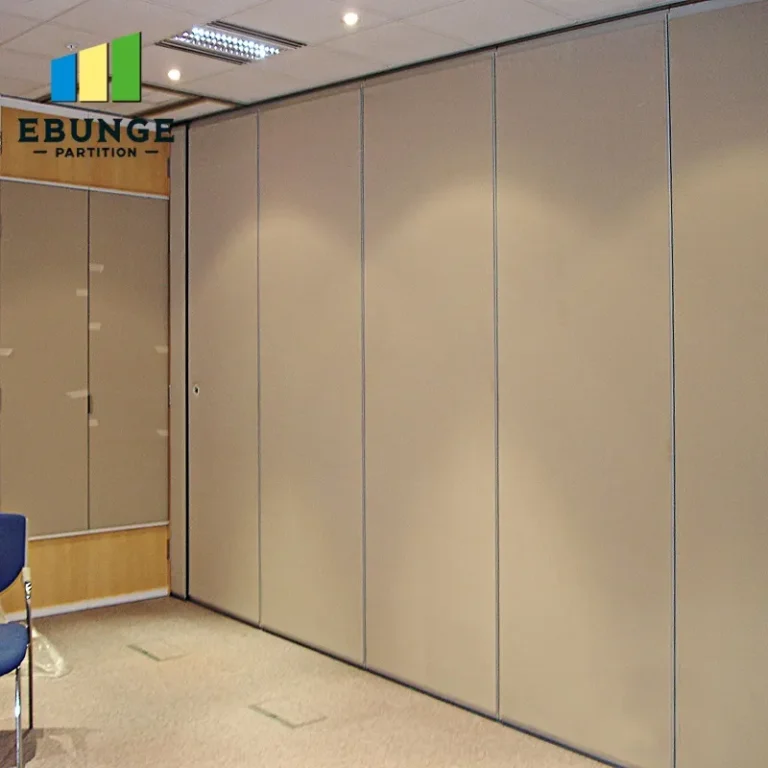
Acoustic Performance Degradation: Prevention and Monitoring
Acoustic performance is a primary reason for installing a movable partition wall. Over time, seals compress, and panels may shift, reducing the sound insulation effectiveness. To prevent degradation, schedule periodic acoustic tests or at least visual checks of the perimeter seals and inter-panel connections. The supplier should provide guidance on how to maintain the acoustic integrity.
For project contractors, it is essential to verify the acoustic rating (e.g., STC) at handover and establish a baseline. This baseline helps in future maintenance assessments. If the system is custom movable wall, ensure that the acoustic seals are replaceable and that the supplier can provide matching parts.
Operational Reliability: The Role of the Top-Hung Track System
A top-hung track system is favored in conference rooms because it eliminates the floor rail, reducing trip hazards and cleaning issues. However, the overhead track and hangers require specific maintenance. The track should be kept clean and free of debris, and the hangers should be inspected for wear. The system’s operation should be smooth, with minimal friction.
When specifying a top-hung track, ask the supplier about the materials used (e.g., steel or aluminum) and the expected lifespan. Also, confirm that the track is accessible for maintenance. In some designs, the track is hidden behind a ceiling reveal, which may complicate access. Clarify this with the supplier.
Quotation Readiness: What to Prepare Before Contacting Suppliers
To get accurate quotations and maintenance proposals, you need to provide the supplier with specific project details. This includes the opening size (width and height), architectural drawings, acoustic target (e.g., STC rating), finish preference (e.g., whiteboard, tackable, or wood veneer), and project location. This information allows the supplier to recommend a system that meets your requirements and to define the maintenance parameters.
Also, ask about installation guidance and whether the supplier provides on-site supervision. Proper installation is crucial for minimizing future maintenance issues. A supplier that offers installation support is often more reliable.
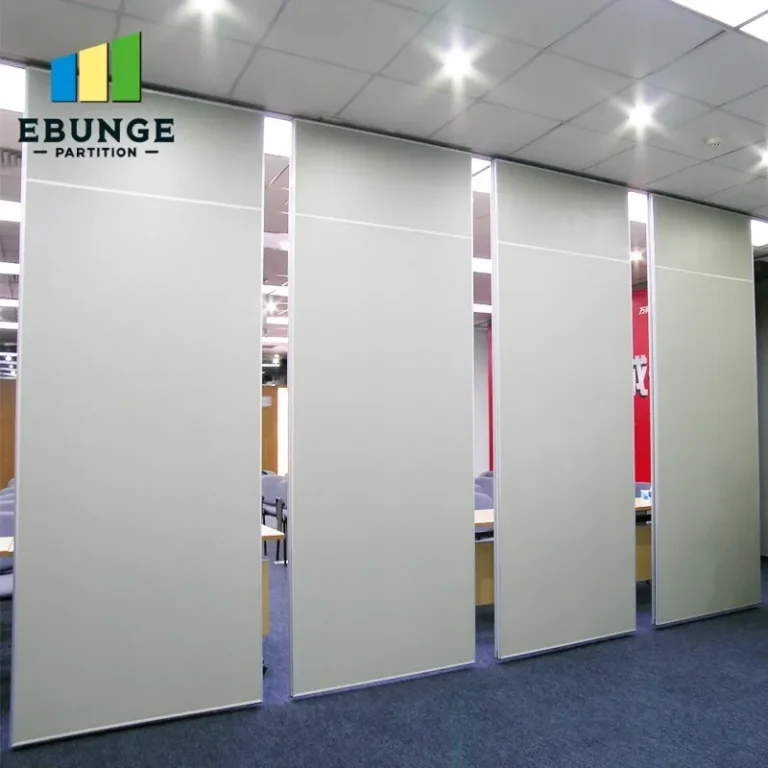
Share the opening, drawings, finish direction, and privacy target for a project-specific review.
Warranty and Spare Parts: Negotiating Favorable Terms
Warranty terms vary among manufacturers. A typical warranty covers parts and workmanship for one to three years, but some components may have different coverage periods. Negotiate for a warranty that includes labor costs, not just parts. Also, ensure that the warranty does not void if you use third-party maintenance services. Inquire about the availability of spare parts for the expected lifespan of the system (often 10-15 years).
Safety Compliance and Inspection: Meeting Building Codes
Conference room movable partitions must comply with local building codes, including fire safety and accessibility. Regular maintenance should include checks of fire-rated seals and emergency release mechanisms. The supplier should provide a compliance statement and maintenance instructions that align with these codes. As a contractor, you should verify that the system’s certification matches the project’s requirements.
Practical Maintenance Checklist for Conference Room Movable Partitions
| Maintenance Task | Frequency | Responsible |
|---|---|---|
| Visual inspection of seals and gaskets | Monthly | Facility team |
| Clean top-hung track and hangers | Quarterly | Facility team |
| Lubricate moving parts (if applicable) | Semi-annually | Maintenance contractor |
| Check alignment and level of panels | Semi-annually | Maintenance contractor |
| Test acoustic seals and perimeter seals | Annually | Acoustic specialist |
| Inspect safety mechanisms (emergency release) | Annually | Maintenance contractor |
| Replace worn seals or components | As needed | Supplier or authorized technician |
Conclusion: Making Maintenance a Core Part of Your Procurement Strategy
Conference room movable partition maintenance is not an afterthought—it is a strategic component of your specification. By focusing on maintenance during the selection process, you can ensure that the operable wall system you choose delivers long-term value, safety, and acoustic performance. As a contractor, you are the bridge between the client and the supplier. Use your expertise to ask the right questions, verify documentation, and negotiate terms that protect your client’s investment.
For more insights on movable partition walls and maintenance best practices, explore our movable partition wall resources or browse our blog for technical articles. If you have specific project questions, contact our team to discuss your requirements. For detailed maintenance topics, visit our Movable Partition Maintenance category.
Frequently Asked Questions
How often should conference room movable partitions be serviced?
For high-usage conference rooms, a professional service every six months is recommended. This includes checking seals, track, and operation. Lower usage may allow annual servicing. Always follow the supplier’s maintenance schedule.
What are the most common maintenance issues with movable partition walls?
Common issues include worn acoustic seals, misaligned panels, track debris, and loose hardware. Regular inspections can catch these early and prevent costly repairs.
Does the warranty cover wear-and-tear parts like seals?
Most warranties do not cover wear-and-tear items. It is essential to review the warranty terms and ask about the cost and availability of replacement seals.
Can I perform maintenance myself or must I use the supplier?
Routine cleaning and visual checks can be done by facility staff. However, adjustments and repairs should be performed by trained technicians, preferably authorized by the supplier, to avoid voiding the warranty.
How can I ensure the acoustic performance does not degrade over time?
Regularly inspect and replace perimeter and inter-panel seals. Conduct periodic acoustic tests to compare against the baseline. Also, ensure that the top-hung track system is properly aligned.
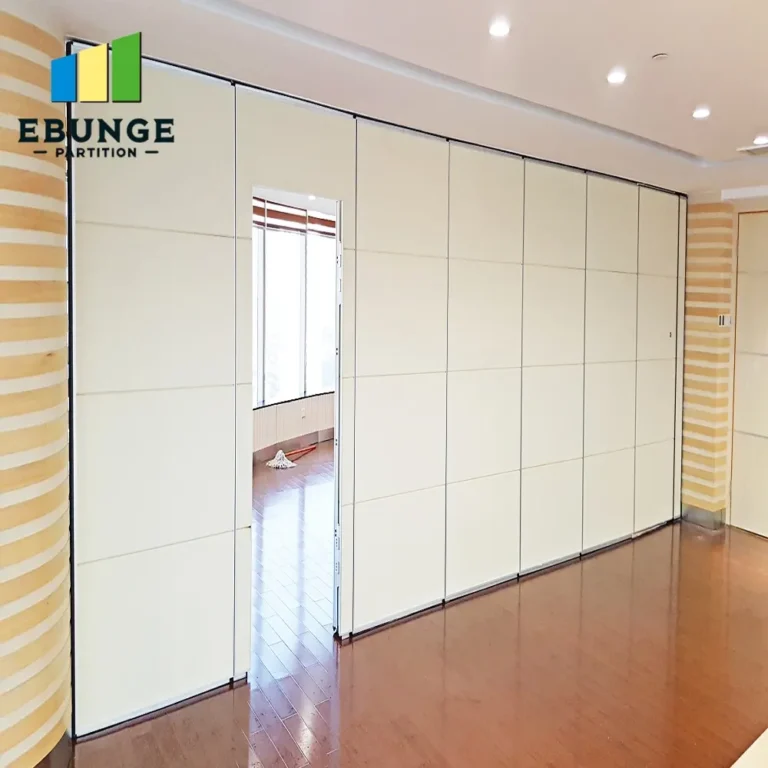
For this buyer review, conference room movable partition maintenance should be checked against the confirmed opening, drawings, operating plan, and project specification.
Send the opening size and drawings to discuss a differentiated conference room movable partition maintenance solution.