
Selecting the right conference room folding partition finishes is a critical decision for any commercial project. As a contractor, you need to balance aesthetics, durability, acoustic performance, and budget while ensuring the final installation meets client expectations and building codes. This guide addresses the most common questions buyers ask, helping you prepare for quotations and avoid costly mistakes. We’ll cover everything from material options and maintenance to acoustic insulation and fire safety, so you can confidently specify the ideal movable partition wall system for your next conference room project.
Direct Answer: For conference room folding partition finishes, prioritize durability, acoustic performance, and ease of maintenance. Opt for high-pressure laminate (HPL) or phenolic panels for high-traffic areas, ensure the system meets required acoustic ratings (e.g., STC 40-50) and fire safety standards, and choose finishes that are easy to clean and resistant to scratches. Always confirm exact specifications with your supplier and request samples to verify color and texture against your project’s lighting and design.
Understanding Your Conference Room Folding Partition Finishes Options
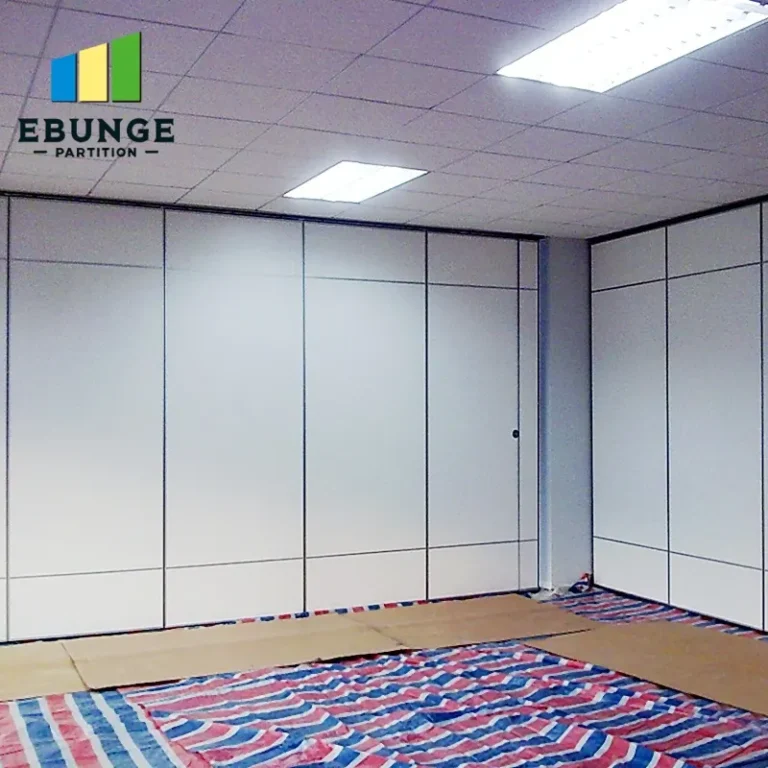
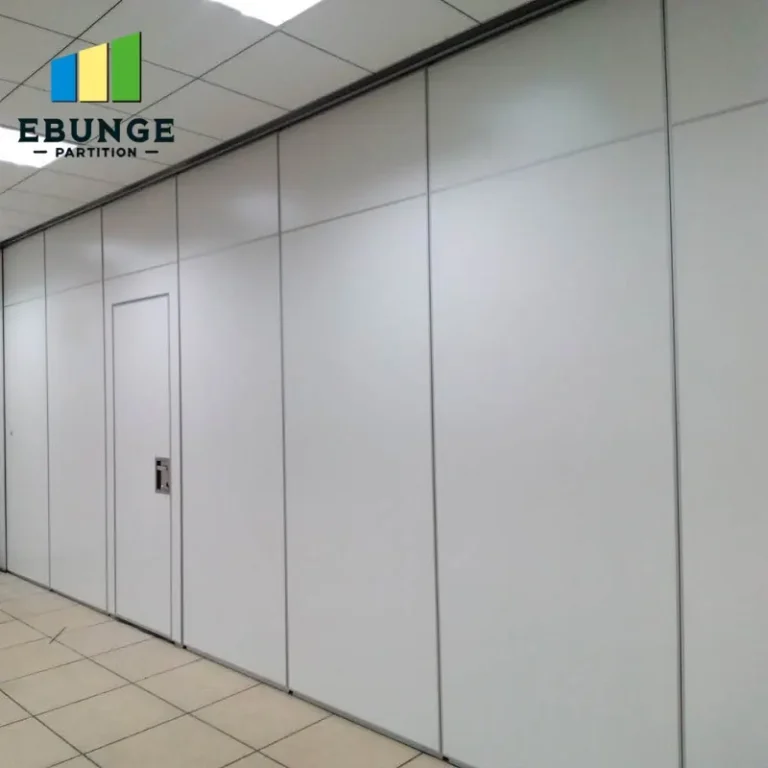
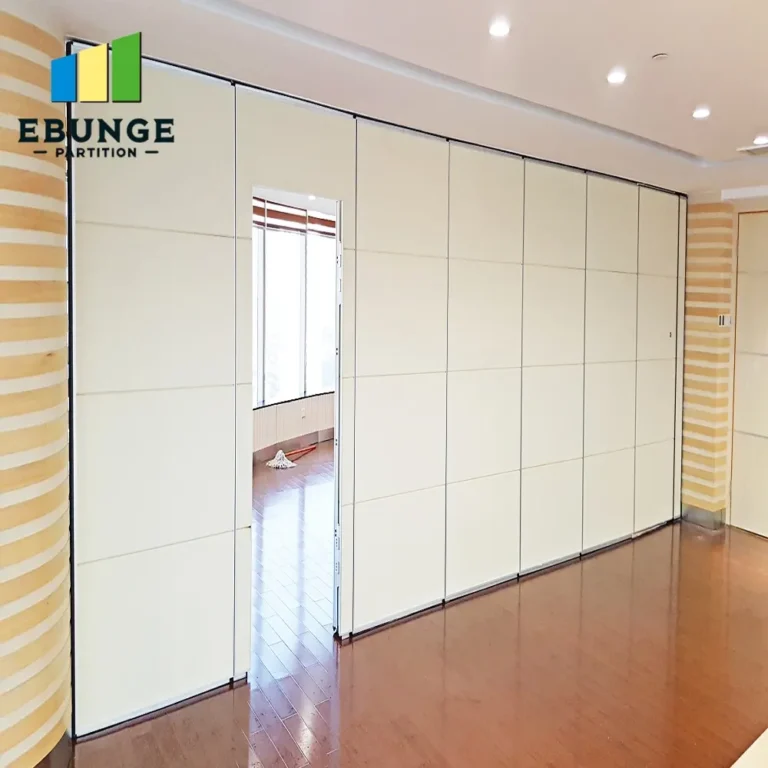
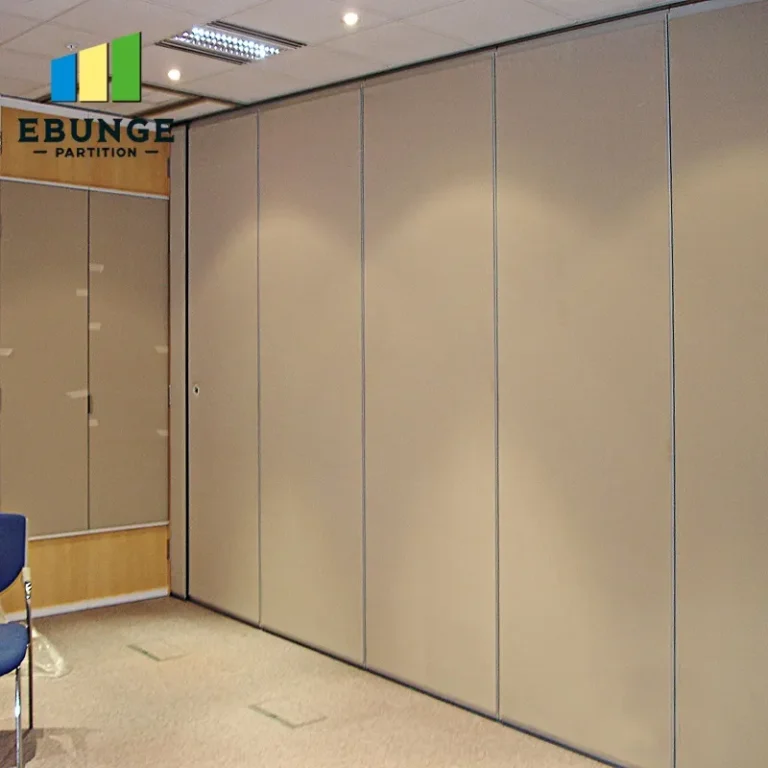
Conference room folding partition finishes are not just about aesthetics; they play a functional role in the room’s overall performance. Common options include painted surfaces, wood veneers, laminates, fabric wraps, and specialized acoustic panels. Each has its own set of advantages and limitations regarding durability, acoustic absorption, and maintenance. As a contractor, you must consider the room’s usage, traffic flow, and the client’s brand image when recommending a finish. For instance, a corporate boardroom might benefit from elegant wood veneers, while a training facility might require more robust laminate surfaces.
It’s essential to request physical samples from your conference room folding partition finishes supplier to assess the material’s texture, color consistency, and light reflection in the actual environment. This step helps avoid mismatches and ensures client satisfaction.
Need help turning the conference room folding partition finishes requirements into a practical project layout?
Durability: Choosing Finishes That Withstand High Traffic
Conference rooms are often high-traffic areas, with frequent movement of chairs, tables, and people. The finish on your movable partition wall must resist scratches, dents, and stains. High-pressure laminate (HPL) is a popular choice for its exceptional durability and impact resistance. Phenolic panels, often used in restrooms and lockers, offer even higher resistance to moisture and impact, making them suitable for heavy-duty applications. When specifying finishes, consider the impact zone: the lower 1.2 meters of the wall is most susceptible to damage from chairs and carts. Some manufacturers offer protective bumpers or impact-resistant coatings in these areas.
For a balance of aesthetics and durability, consider a combination: a durable laminate at the base and a decorative finish above. Always verify the finish’s abrasion resistance rating (e.g., EN 438) with your supplier to ensure it meets your project’s demands.
Acoustic Performance: What You Need to Know
Acoustic insulation is a primary function of conference room partitions. The finish itself can influence sound absorption, but the overall acoustic performance is determined by the partition’s construction, including the core material, seals, and track system. When discussing acoustic partition solutions, focus on the Sound Transmission Class (STC) rating. For conference rooms, an STC of 40-50 is typical, but higher ratings may be required for confidential meetings. The finish can contribute to sound absorption if it includes fabric or acoustic panels, which help reduce echo and reverberation.
To achieve the desired acoustic performance, ensure that the finish does not compromise the system’s integrity. For example, fabric finishes can absorb sound, but they may require more maintenance. Work with your supplier to understand the acoustic properties of each finish option and how they interact with the partition’s core.
Fire Safety Compliance: Meeting Building Codes
Fire safety is non-negotiable in commercial projects. Your conference room partition wall must comply with local building codes, which may require specific fire ratings. Finishes are classified based on their flame spread and smoke development ratings (e.g., Class A, B, or C in the U.S. or Euroclasses in Europe). Most standard finishes like laminates and painted surfaces achieve Class A ratings, but fabric finishes may require fire-retardant treatments. Always verify that the finish and the complete partition system have the necessary certifications and documentation for your jurisdiction.
Request fire test reports from the manufacturer and ensure they are current and applicable to your specific installation. This documentation is crucial for passing inspections and protecting your liability.
Maintenance and Cleanliness: Practical Considerations
Conference room partitions must be easy to clean and maintain, especially in facilities with frequent events or client-facing activities. Non-porous finishes like laminates and phenolic panels can be wiped down with standard cleaning agents, making them ideal for high-touch areas. Fabric finishes, while aesthetically pleasing, can be more challenging to clean and may require professional cleaning services. Consider the total cost of ownership when selecting a finish: a cheaper option that requires frequent maintenance might end up costing more in the long run.
For environments where hygiene is critical, such as medical or food-related facilities, antimicrobial finishes are available. Discuss your specific requirements with your supplier to find the best solution.
Customization Options: Aligning with Your Design Vision
Customization is key to making the partition blend seamlessly with the interior design. Many manufacturers offer a wide range of colors, patterns, and textures, including custom printing for brand logos or artwork. With modern digital printing, you can create unique finishes that reflect the client’s identity. However, custom finishes may have longer lead times and higher costs. When proposing customization, provide clear design files and specifications to your supplier to ensure accurate reproduction.
Also, consider the finish’s impact on the partition’s overall look, including edge details, panel alignment, and integration with the top-hung track system. A well-coordinated design enhances the room’s professionalism and user experience.
Share the opening, drawings, finish direction, and privacy target for a project-specific review.
Warranty Coverage and After-Sales Support
Warranty is a crucial factor for contractors, as it protects against material defects and premature wear. Different finishes come with varying warranty periods. Typically, laminates and phenolic panels have longer warranties compared to fabric finishes. Ensure you understand what the warranty covers: does it include fading, delamination, or edge chipping? Also, clarify the manufacturer’s after-sales support, such as availability of replacement panels or touch-up kits. A responsive supplier is invaluable for addressing any issues that arise during installation or after project completion.
Installation Timeline and Cost Transparency
Timely installation is critical for project schedules. The choice of finish can affect lead times: standard finishes are usually in stock, while custom options may require additional production time. Discuss the installation timeline with your supplier early in the process, and factor in any site conditions that might delay installation. Cost transparency is equally important. Request a detailed quotation that breaks down costs for materials, hardware, installation, and any additional fees. This helps you compare bids accurately and avoid unexpected expenses.
Remember to account for the cost of the operable wall system as a whole, including the track, seals, and hardware, not just the finish.
Practical Checklist for Specifying Conference Room Folding Partition Finishes
To streamline your decision-making process, use this checklist when evaluating options:
| Criteria | Questions to Ask | Why It Matters |
|---|---|---|
| Durability | What is the abrasion and impact resistance? | Ensures longevity in high-traffic areas. |
| Acoustics | What STC rating does the finish support? | Confidentiality and sound control. |
| Fire Safety | What is the fire rating and certification? | Compliance with building codes. |
| Maintenance | How easy is it to clean and repair? | Reduces long-term costs. |
| Customization | Can we match brand colors or logos? | Aesthetic integration. |
| Warranty | What does the warranty cover and for how long? | Protects your investment. |
| Installation | What is the lead time and installation process? | Project scheduling. |
| Cost | Are there any hidden fees? | Budget accuracy. |
Conclusion: Making an Informed Decision
Choosing the right conference room folding partition finishes requires a balance of aesthetics, performance, and budget. By focusing on durability, acoustic insulation, fire safety, maintenance, customization, warranty, installation, and cost transparency, you can specify a system that meets your client’s needs and avoids costly issues. Always work with a reputable supplier who can provide detailed specifications, samples, and documentation.
For more insights on movable partitions, explore our movable partition wall solutions and blog posts. If you have a project in mind, contact us to discuss your requirements.
Frequently Asked Questions
What is the most durable finish for a conference room partition?
High-pressure laminate (HPL) and phenolic panels are among the most durable finishes, offering high resistance to scratches, impacts, and stains. They are ideal for high-traffic areas.
Can the finish affect the acoustic performance of the partition?
Yes, finishes like fabric or perforated acoustic panels can enhance sound absorption, while hard surfaces like laminate reflect sound. The overall STC rating depends on the entire system, so choose a finish that supports your acoustic goals.
Are all finishes fire-rated?
Most standard finishes are Class A rated, but fabric finishes may require fire-retardant treatments. Always verify fire test reports with your supplier to ensure compliance with local codes.
How do I maintain a fabric finish?
Fabric finishes require regular vacuuming and may need professional cleaning. Consider using a fabric protector to resist stains. If maintenance is a concern, opt for laminate or vinyl finishes that are easier to clean.
What information should I provide to get an accurate quote?
To receive a precise quotation, provide the opening size, drawings, acoustic target, finish preference, and project location. This helps the supplier recommend the most suitable system and estimate costs accurately.
Send the opening size and drawings to discuss a differentiated conference room folding partition finishes solution.